
 EN
EN
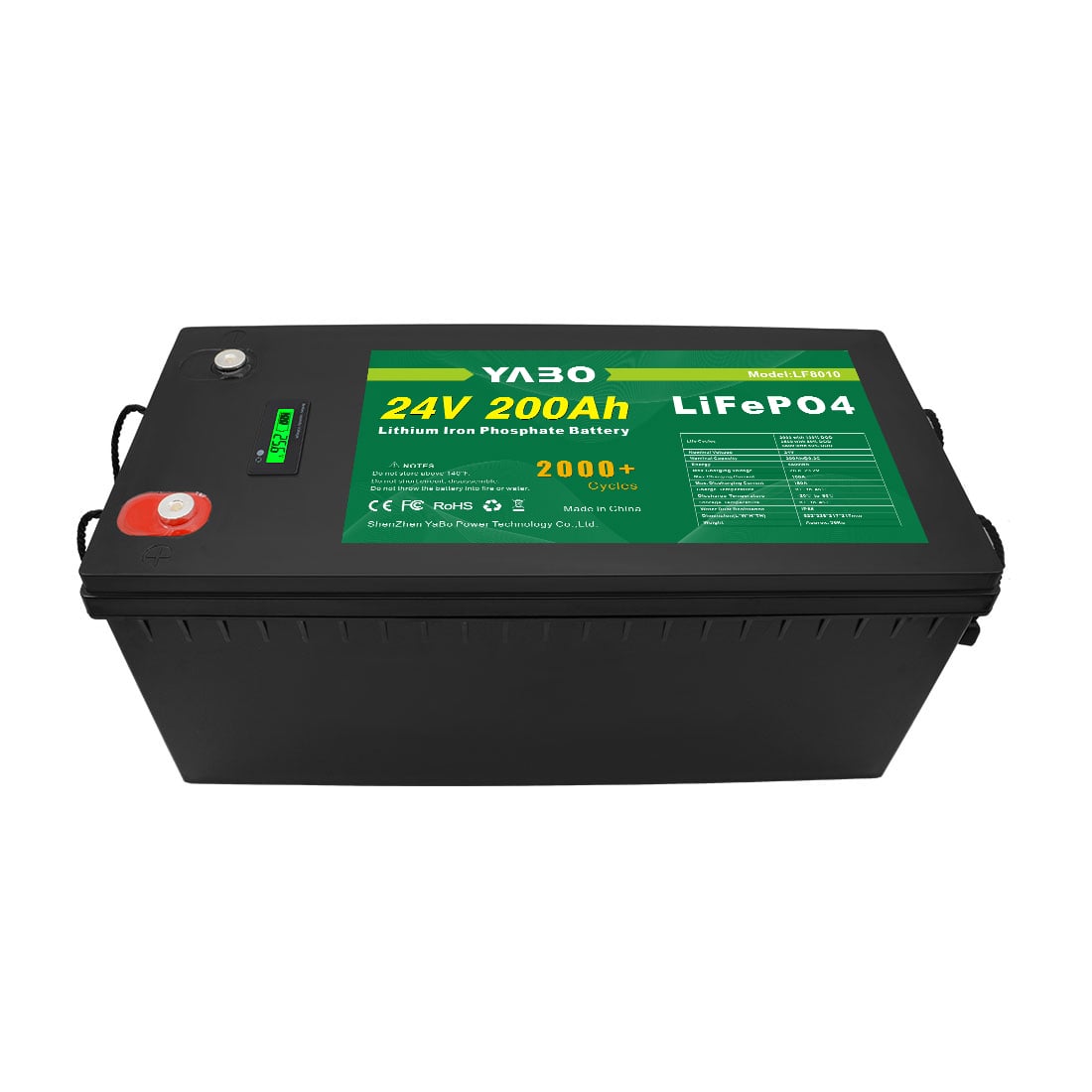
A 24V LiFePO4 battery represents one of the most reliable energy storage solutions for modern solar installations and recreational vehicles. Unlike traditional lead-acid alternatives, a 24V LiFePO4 battery offers superior performance, extended cycle life, and consistent power delivery across demanding applications. Whether you're building an off-grid solar system, powering an RV, or establishing backup power for remote locations, understanding how a 24V LiFePO4 battery performs in these specific scenarios is essential for making informed energy decisions. The chemistry and engineering behind a 24V LiFePO4 battery make it uniquely suited to handle the variable loads and environmental challenges that characterize both solar and RV energy systems.
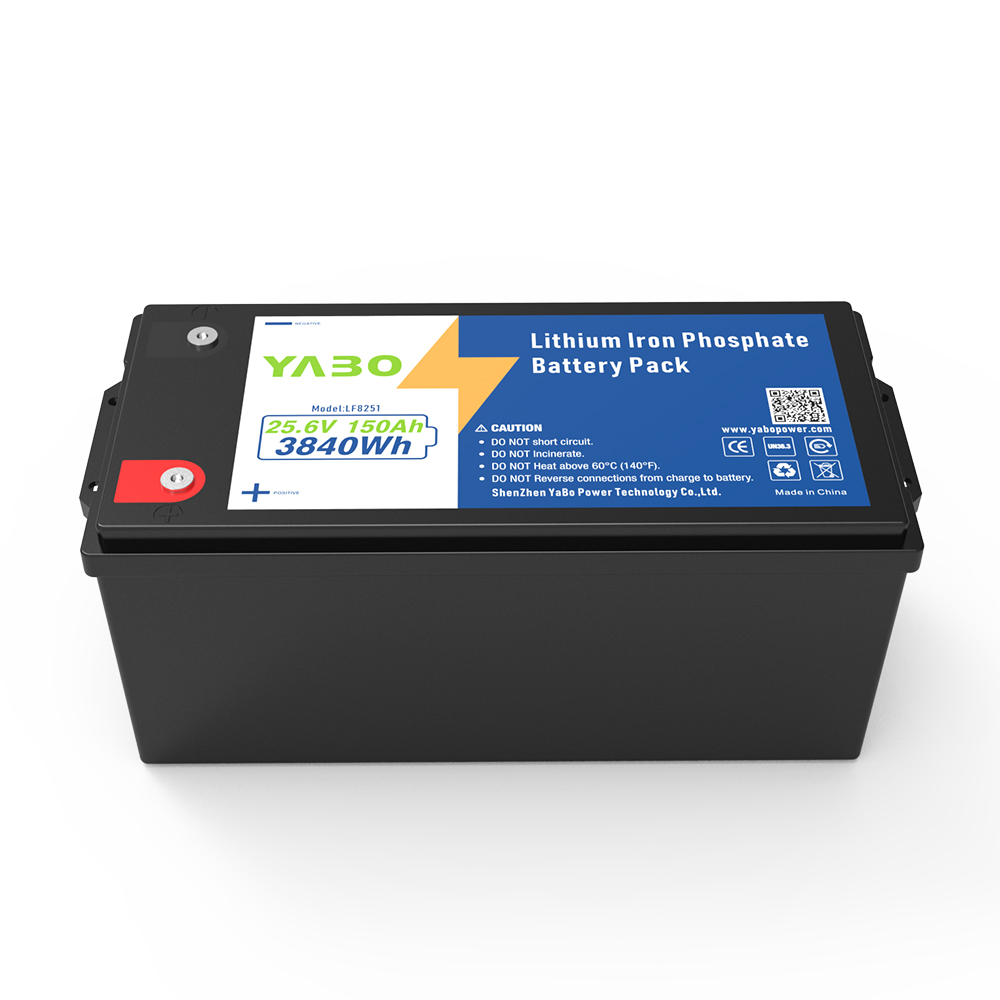
The performance characteristics of a 24V LiFePO4 battery directly impact system reliability, operational cost, and long-term ROI. In solar applications, a 24V LiFePO4 battery must handle charge cycles from photovoltaic panels throughout daylight hours and support load demands during evening and night periods. In RV environments, a 24V LiFePO4 battery must provide stable voltage under fluctuating loads while remaining robust enough to withstand vibration, temperature swings, and constant mobility. These demanding conditions highlight why a 24V LiFePO4 battery has become the preferred choice for energy-conscious users seeking durability and efficiency.
Energy Storage Capacity and Power Output Characteristics
Understanding the Voltage and Ampere-Hour Rating
The 24-volt designation on a 24V LiFePO4 battery refers to the nominal voltage supplied by eight lithium iron phosphate cells connected in series. Each individual cell contributes approximately 3.2 volts, and this series configuration enables a 24V LiFePO4 battery to deliver stable, consistent power throughout the discharge cycle. The ampere-hour (Ah) rating of a 24V LiFePO4 battery determines total energy capacity; for example, a 150Ah 24V LiFePO4 battery stores approximately 3,600 watt-hours of usable energy. This standardized voltage makes a 24V LiFePO4 battery compatible with most modern RV power systems and solar charge controllers designed for medium-voltage installations.
When selecting a 24V LiFePO4 battery for solar applications, the combination of voltage and capacity must match your expected daily energy consumption and peak load requirements. A 24V LiFePO4 battery with higher ampere-hour ratings enables longer autonomy periods during cloudy days or extended use without solar input. Conversely, smaller-capacity 24V LiFePO4 battery units work well for backup power scenarios or systems with generous solar panel arrays that quickly recharge storage daily.
Efficiency and Depth of Discharge Performance
One of the defining advantages of a 24V LiFePO4 battery lies in its ability to accept and deliver power with minimal loss. A 24V LiFePO4 battery typically maintains round-trip efficiency levels exceeding 95 percent, meaning nearly all energy stored reaches your equipment without conversion waste. This efficiency directly reduces the solar panel array size required to maintain adequate charging rates, making a 24V LiFePO4 battery economically superior over system lifetime. Additionally, a 24V LiFePO4 battery can discharge to 100 percent depth without degradation, whereas lead-acid systems suffer damage below 50 percent depth. In practical terms, a 24V LiFePO4 battery effectively delivers twice the usable energy compared to equivalent lead-acid batteries rated for conservative depth limits.
RV owners particularly benefit from this depth characteristic because a 24V LiFePO4 battery eliminates concerns about running the system too low during extended dry camping periods. The consistent power output from a 24V LiFePO4 battery means appliances and equipment operate reliably even as the battery charge decreases, avoiding the voltage sag that traditional batteries experience during discharge.
Solar Integration and Charge Cycle Performance
Charging Response and Solar Panel Compatibility
A 24V LiFePO4 battery integrates seamlessly with solar charge controllers and photovoltaic arrays when properly configured with compatible equipment. The charge controller regulates voltage and current delivery to the 24V LiFePO4 battery, protecting it from overcharge conditions while maximizing charging speed. Modern charge controllers recognize the specific voltage profile of a 24V LiFePO4 battery and adjust their algorithms accordingly, ensuring the battery charges efficiently across varying sunlight intensities. The relatively flat voltage curve of a 24V LiFePO4 battery means your system operates with stable power even as solar input fluctuates throughout the day.
For off-grid solar installations, a 24V LiFePO4 battery accepts rapid charging from solar arrays without the temperature rise or gassing issues that plague older battery chemistries. This characteristic allows a 24V LiFePO4 battery to charge quickly during peak solar hours, reaching full state-of-charge and then maintaining that state through intelligent charge control. The combination of fast charging capability and minimal maintenance requirements makes a 24V LiFePO4 battery ideal for remote solar sites where manual intervention is impractical.
Cycle Life and Long-Term Reliability
The cycle life of a 24V LiFePO4 battery typically ranges from 4,000 to 6,000 charge-discharge cycles, translating to 10 to 15 years of practical use in solar and RV applications. Each complete cycle, from full charge to full discharge and back to full charge, consumes a small portion of the battery's chemical capacity. A 24V LiFePO4 battery degrades so slowly over its lifespan that most installations maintain 80 percent or greater capacity after a decade of regular use. This extended cycle life dramatically improves cost-per-cycle economics compared to lead-acid batteries that might achieve only 500 to 1,000 cycles.
In solar applications subject to daily charge cycling, a 24V LiFePO4 battery proves financially superior because fewer replacements occur over the system's operational life. RV owners also benefit significantly because a 24V LiFePO4 battery maintains consistent starting and running power year after year without the progressive performance decline characteristic of traditional batteries. The combination of high cycle count and minimal capacity fade makes a 24V LiFePO4 battery the most reliable energy storage option for long-term mobile and stationary applications.
Temperature Stability and Environmental Performance
Operating Range and Climate Resilience
A 24V LiFePO4 battery maintains stable performance across a wider temperature range than competing battery technologies, supporting operation from minus 20 degrees Celsius to 60 degrees Celsius in most commercial implementations. This broad operating window makes a 24V LiFePO4 battery suitable for RVs that travel through diverse climates, from frozen mountain regions to hot desert environments. The thermal stability of a 24V LiFePO4 battery prevents the rapid capacity loss that occurs when lead-acid or lithium polymer batteries experience temperature extremes.
Solar installations benefit from the thermal resilience of a 24V LiFePO4 battery because outdoor mounting exposes batteries to significant temperature swings between day and night, summer and winter. A 24V LiFePO4 battery resists capacity fading during these natural cycles, delivering consistent performance regardless of seasonal conditions. Built-in thermal management systems further protect a 24V LiFePO4 battery, automatically disconnecting charging or discharging if internal temperatures become extreme, preventing damage and ensuring safety.
Cold Weather Performance and Winter Reliability
Cold weather represents a critical testing ground for battery technology in northern climates and winter RV travel scenarios. A 24V LiFePO4 battery maintains superior cold-start capability compared to alternatives, retaining functional capacity even at subfreezing temperatures. While charging speed decreases in cold conditions, a 24V LiFePO4 battery continues accepting charge without the internal resistance spikes that severely limit other chemistries. RV users traveling in winter conditions will notice that a 24V LiFePO4 battery reliably powers heating systems and essential equipment when traditional batteries might fail.
Solar system owners in cold climates particularly value a 24V LiFePO4 battery because shorter winter days demand maximum energy storage efficiency and reliability. The consistent voltage delivery from a 24V LiFePO4 battery ensures that heating loads receive adequate power during extended cold weather periods when solar generation is minimal.
FAQ
How many charge cycles does a 24V LiFePO4 battery typically endure?
A 24V LiFePO4 battery typically supports between 4,000 and 6,000 complete charge-discharge cycles before capacity degrades to 80 percent of original rating. This translates to approximately 10 to 15 years of daily use in typical solar and RV applications. The actual cycle count depends on charging depth, temperature management, and how aggressively the system operates, but a 24V LiFePO4 battery generally outlasts lead-acid alternatives by three to five times.
Can a 24V LiFePO4 battery replace my existing lead-acid system?
Yes, a 24V LiFePO4 battery can replace lead-acid batteries in most RV and solar systems with the same voltage rating, though you should verify that your charge controller and inverter support lithium iron phosphate chemistry. Many modern systems already accommodate a 24V LiFePO4 battery, but older charge controllers might require updating to optimize performance. The primary advantage is that a 24V LiFePO4 battery provides double the usable capacity at the same physical size and weight, plus superior efficiency and dramatically longer lifespan.
What charging equipment works with a 24V LiFePO4 battery?
A 24V LiFePO4 battery requires a lithium-compatible charge controller that recognizes and regulates charging voltage appropriately. Most modern solar charge controllers support lithium iron phosphate chemistry through firmware updates or dedicated settings. When installing a 24V LiFePO4 battery, confirm that your charge controller explicitly lists lithium compatibility and follow manufacturer recommendations for voltage thresholds. The built-in battery management system in quality a 24V LiFePO4 battery units communicates with controllers to optimize charging parameters automatically.