Complete Off Grid Power Systems - Energy Independence & Sustainable Solutions

No.252 Pinglong East Road, Fenghuang Community, Pinghu Street, Longgang District, Shenzhen +86-18576759460 [email protected]

Get a Free Quote

Our representative will contact you soon.
Email
Name
Company Name
Message
0/1000

off grid power systems

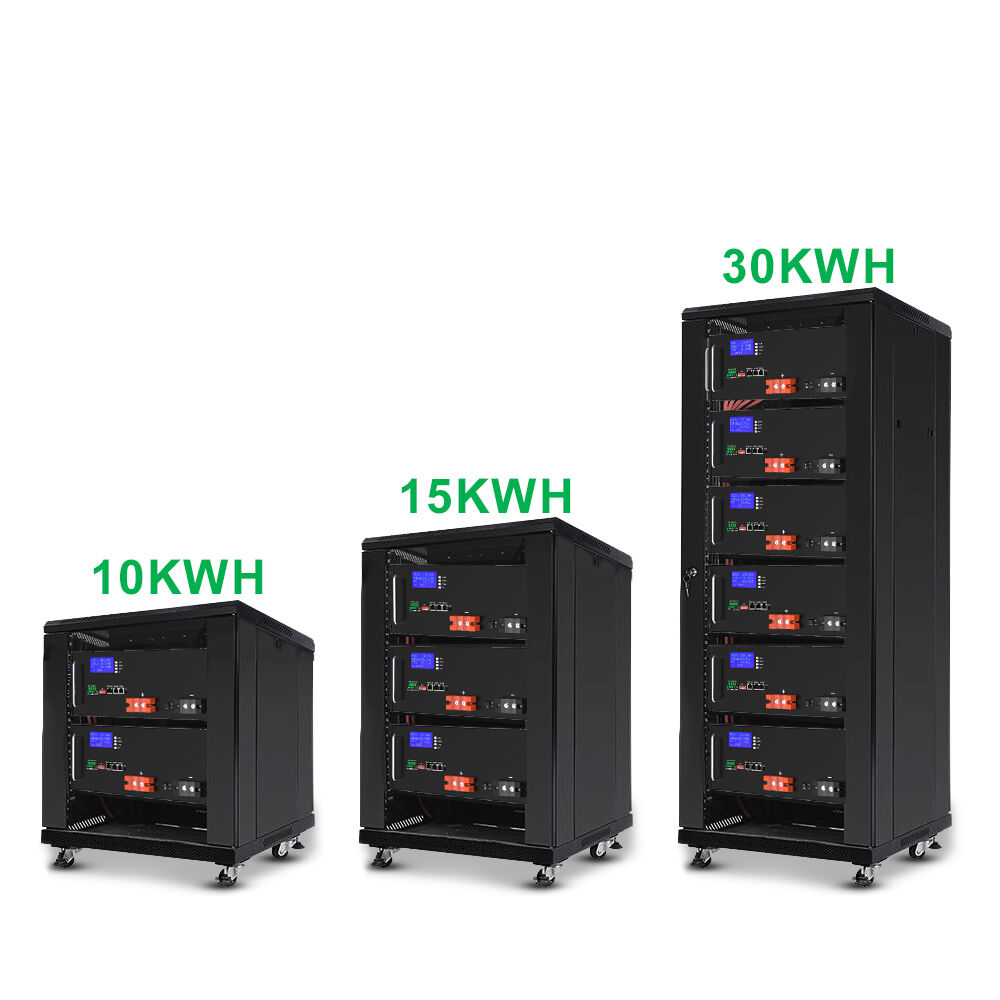
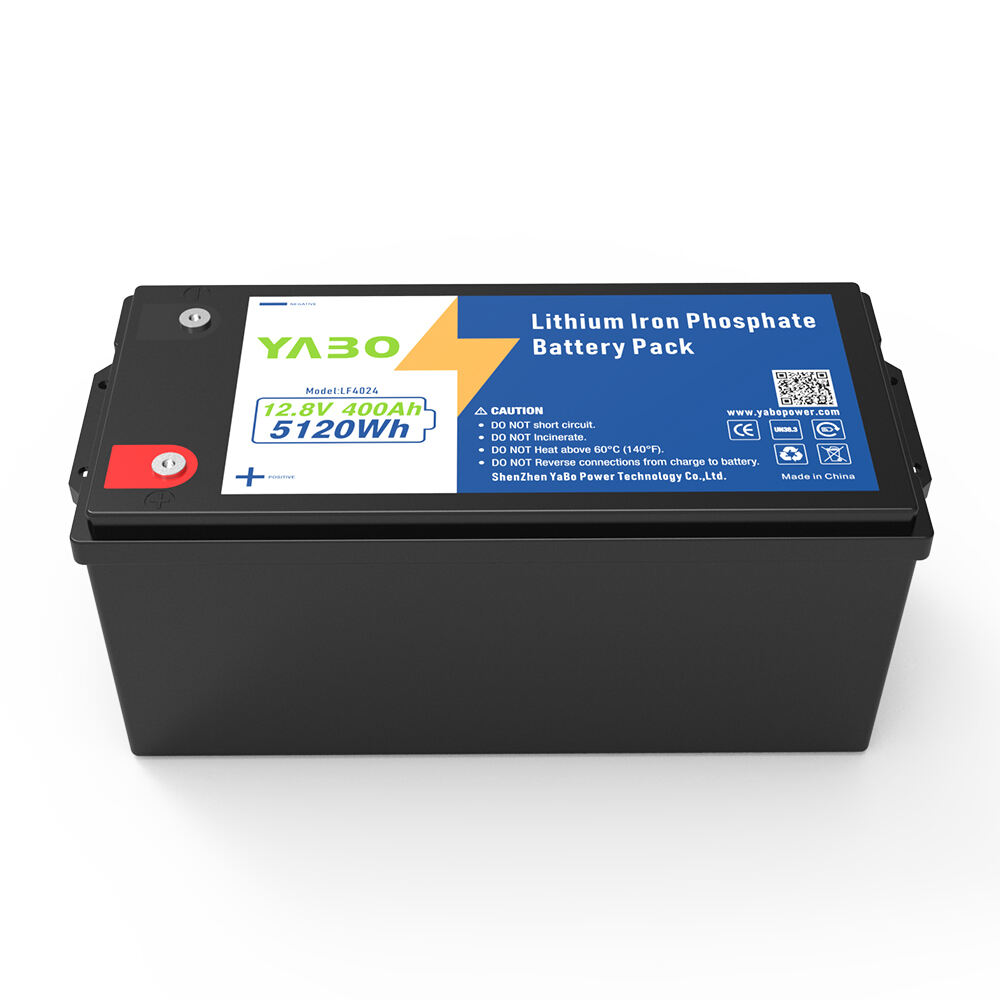
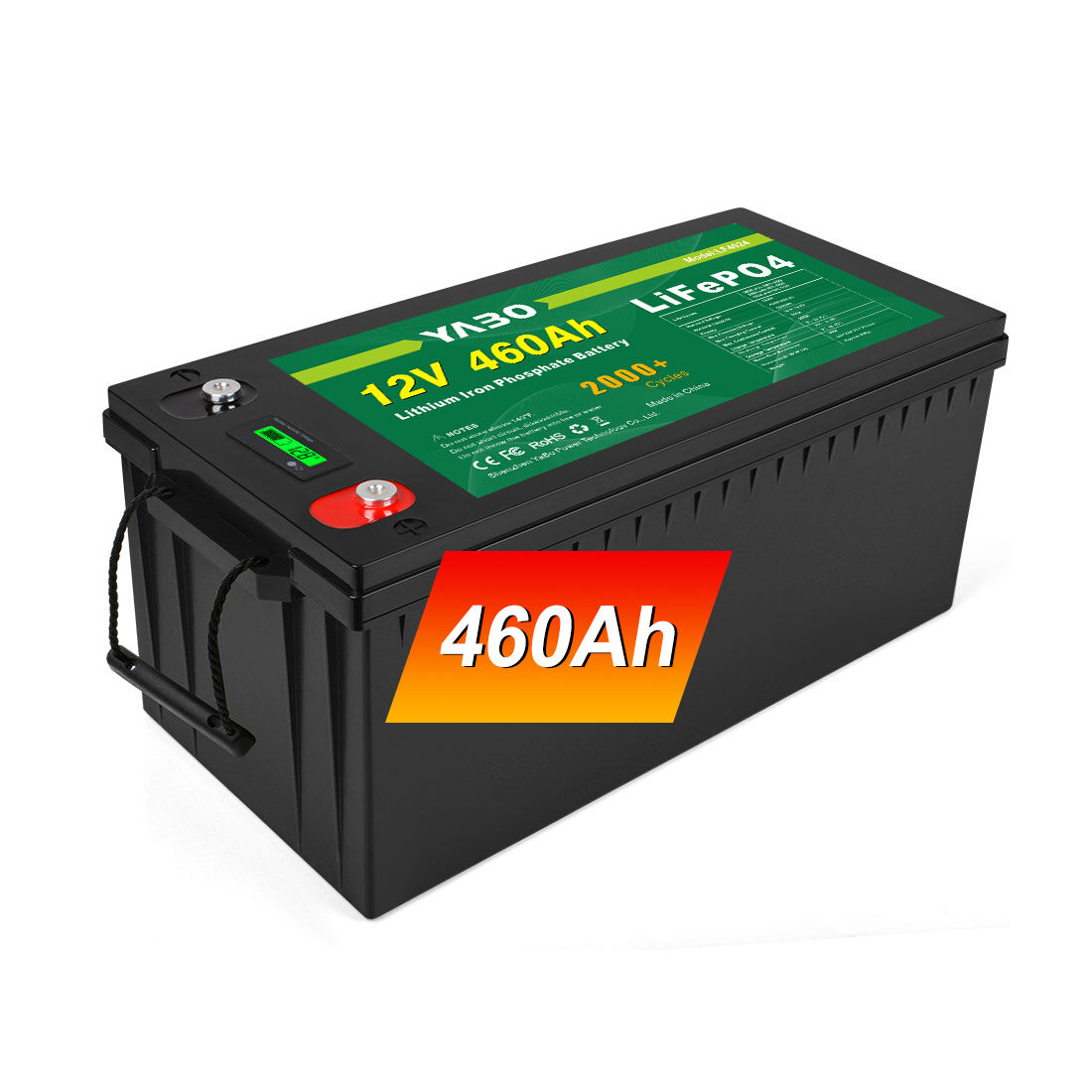
Off grid power systems represent independent energy solutions that operate completely separate from traditional utility grids, providing reliable electricity generation and storage for locations where conventional power infrastructure is unavailable or unreliable. These comprehensive energy systems integrate multiple components including solar panels, wind turbines, battery storage units, charge controllers, and power inverters to create self-sufficient electrical networks. The primary function of off grid power systems involves capturing renewable energy from natural sources, converting it into usable electricity, and storing excess power for later consumption during periods of low generation or high demand. Modern off grid power systems feature advanced technological capabilities such as intelligent load management, remote monitoring systems, and automated switching mechanisms that optimize energy distribution and prevent system overloads. These systems typically incorporate lithium-ion or deep-cycle batteries that provide substantial energy storage capacity, ensuring continuous power supply even during extended periods without sunlight or wind. The technological architecture of off grid power systems includes sophisticated charge controllers that regulate voltage and current flow, protecting batteries from overcharging while maximizing charging efficiency. Power inverters within these systems convert stored direct current into alternating current compatible with standard household appliances and electronic devices. Applications for off grid power systems span numerous sectors including residential homes in remote areas, recreational vehicles, marine vessels, telecommunications towers, agricultural operations, emergency backup systems, and temporary construction sites. These systems prove particularly valuable for cabin retreats, tiny homes, and properties located beyond the reach of traditional power lines. Commercial applications include powering remote monitoring equipment, water pumping stations, and security systems in isolated locations. Off grid power systems also serve critical roles in disaster preparedness and emergency response scenarios, providing essential electricity when conventional infrastructure fails or becomes compromised during natural disasters or grid outages.

New Product Recommendations

Off grid power systems deliver exceptional energy independence by eliminating reliance on traditional utility companies and their fluctuating electricity rates, allowing property owners to generate their own clean power and achieve complete autonomy over their energy consumption. This independence translates into significant long-term cost savings since users avoid monthly utility bills, connection fees, and the escalating expenses associated with extending power lines to remote locations. The financial benefits become particularly pronounced for properties situated miles from existing electrical infrastructure, where utility companies often charge thousands of dollars per pole for line extensions. Environmental sustainability represents another major advantage, as off grid power systems primarily utilize renewable energy sources like solar and wind power, dramatically reducing carbon footprints and contributing to global environmental conservation efforts. These systems operate silently without generating noise pollution, making them ideal for peaceful rural settings and environmentally sensitive areas where traditional generators would be disruptive. Reliability stands as a cornerstone benefit since off grid power systems function independently of aging utility infrastructure that frequently experiences outages during storms, equipment failures, or maintenance periods. Users maintain consistent electricity access regardless of external grid conditions, ensuring critical appliances like refrigeration, lighting, and communication devices remain operational during emergencies. The scalability of off grid power systems allows for customized installations that match specific energy requirements and budgets, with the flexibility to expand capacity as power needs grow over time. Installation flexibility enables placement in virtually any location with adequate sun exposure or wind resources, opening possibilities for development in previously uninhabitable or impractical areas. Modern off grid power systems require minimal maintenance compared to fuel-powered generators, eliminating the need for regular fuel deliveries, oil changes, and mechanical repairs that create ongoing operational expenses. Advanced battery technologies now provide decades of service life with proper care, while solar panels typically include warranties extending twenty-five years or longer. The technological advancement of off grid power systems continues improving efficiency and reducing costs, making these solutions increasingly accessible for average consumers seeking energy independence and environmental responsibility.

Tips And Tricks

Yabo Power's Mid-year Company Trip: A Memorable Experience

25

Nov

Yabo Power's Mid-year Company Trip: A Memorable Experience

View More
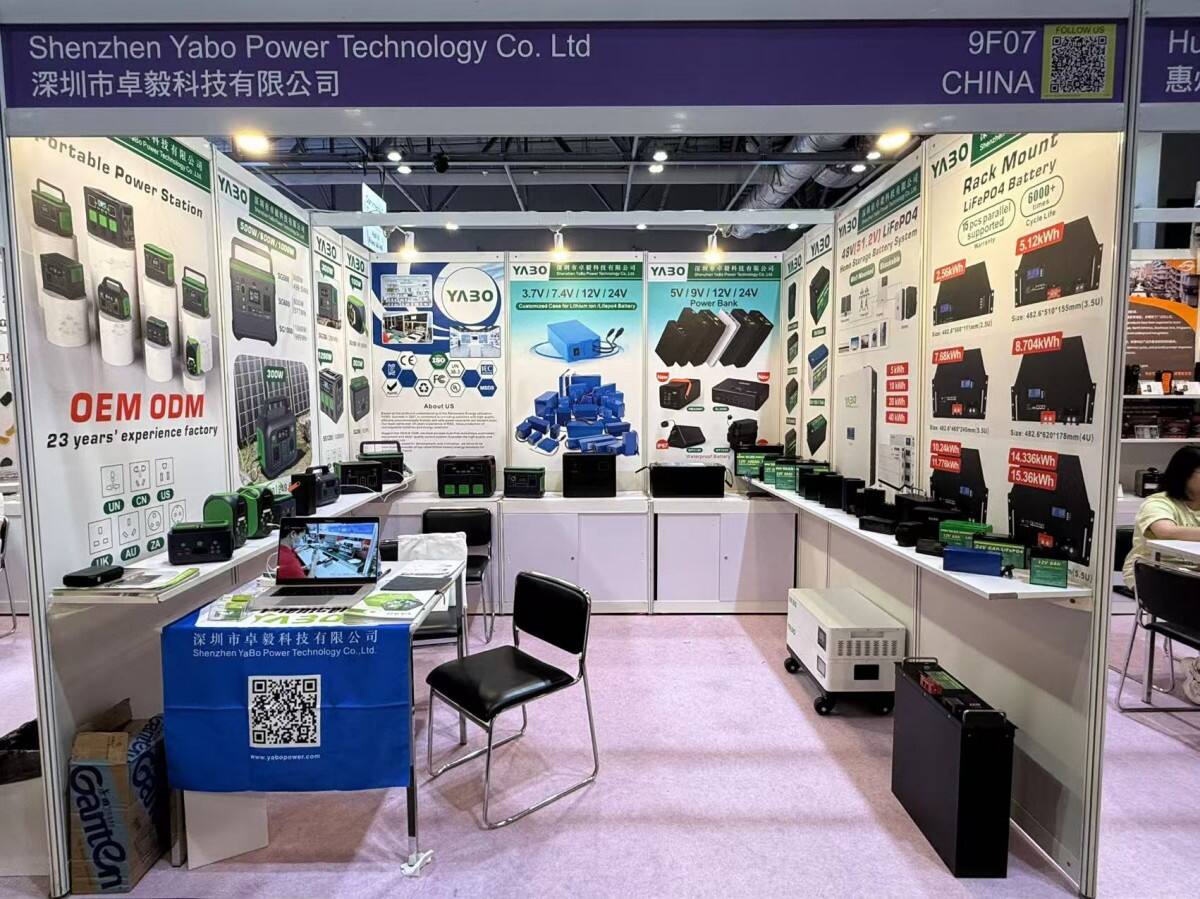
Yabo Power Shines at 2024 Hong Kong Global Sources Consumer Electronics Exhibition

25

Nov

Yabo Power Shines at 2024 Hong Kong Global Sources Consumer Electronics Exhibition

View More
YABO Power 2024 Annual Gala: A Night of Celebration, A Year of Determination

11

Dec

YABO Power 2024 Annual Gala: A Night of Celebration, A Year of Determination

View More
Empowering Modern Mobility: Introducing the New 12V 7000mAh Lithium-Ion Battery Pack

11

Dec

Empowering Modern Mobility: Introducing the New 12V 7000mAh Lithium-Ion Battery Pack

View More

Get a Free Quote

Our representative will contact you soon.
Email
Name
Company Name
Message
0/1000

off grid power systems

Complete Energy Independence and Financial Freedom

Complete Energy Independence and Financial Freedom

Off grid power systems provide unparalleled energy independence that fundamentally transforms how property owners approach electricity consumption and costs, delivering complete autonomy from utility companies and their unpredictable rate structures. This independence means never receiving another monthly electricity bill, eliminating concerns about utility rate increases that have historically outpaced inflation rates across most regions. The financial freedom achieved through off grid power systems extends beyond simple bill elimination, encompassing protection from utility company policies, peak-hour pricing schemes, and connection fees that can reach tens of thousands of dollars for remote property installations. Property owners gain control over their energy destiny, making decisions about consumption, storage, and generation without external interference or regulatory constraints imposed by utility monopolies. The investment in off grid power systems typically pays for itself within five to ten years through eliminated utility costs, after which all electricity generation becomes essentially free for decades. This financial model proves particularly advantageous for remote properties where utility companies demand exorbitant fees for line extensions, sometimes exceeding the entire cost of a comprehensive off grid installation. Beyond direct cost savings, energy independence through off grid power systems increases property values by making previously undevelopable land viable for construction and habitation. The system ownership model ensures that all generated electricity belongs entirely to the property owner, creating a valuable asset that continues producing benefits throughout its operational lifetime. Financial planning becomes more predictable when electricity costs are eliminated, allowing families and businesses to allocate resources toward other priorities rather than monthly utility expenses. Emergency preparedness improves dramatically since off grid power systems continue operating during widespread outages that affect traditional grid-connected properties, potentially saving thousands of dollars in spoiled food, business interruption, and temporary accommodation costs. The psychological benefits of energy independence cannot be understated, as property owners experience reduced stress knowing their electricity supply remains secure regardless of external economic conditions, natural disasters, or infrastructure failures that commonly affect centralized utility systems.
Advanced Technology Integration and Smart Energy Management

Advanced Technology Integration and Smart Energy Management

Modern off grid power systems incorporate cutting-edge technology that delivers intelligent energy management capabilities far exceeding basic power generation, featuring sophisticated monitoring systems, automated controls, and predictive analytics that optimize performance and maximize efficiency. These advanced systems utilize smart charge controllers that continuously monitor battery conditions, solar production, and consumption patterns to make real-time adjustments that extend battery life and improve overall system performance. Remote monitoring capabilities allow property owners to track energy production, consumption, and storage levels through smartphone applications, providing detailed insights into system performance from anywhere in the world. The integration of artificial intelligence and machine learning algorithms enables off grid power systems to learn consumption patterns and adjust charging schedules accordingly, ensuring optimal battery health while maintaining adequate power reserves for unexpected demands. Advanced battery management systems incorporate sophisticated cell balancing technology that maximizes storage capacity and prevents premature battery degradation, significantly extending the operational lifespan of expensive battery banks. Modern inverter technology features pure sine wave output that provides clean, stable electricity identical to utility power, ensuring compatibility with sensitive electronics, medical equipment, and high-efficiency appliances without risk of damage or performance issues. Automated load management systems can prioritize critical loads during periods of limited generation or low battery reserves, ensuring essential functions like refrigeration, communication, and safety systems maintain power while temporarily reducing non-critical consumption. Weather prediction integration allows off grid power systems to adjust charging strategies based on upcoming weather forecasts, maximizing energy capture during sunny periods while preparing for extended cloudy conditions. The technological sophistication extends to fault detection and diagnostic capabilities that identify potential issues before they cause system failures, enabling proactive maintenance and preventing costly repairs. Expandability features built into modern off grid power systems allow for seamless integration of additional solar panels, wind turbines, or battery storage as energy needs grow, protecting the initial investment while accommodating changing requirements. Communication protocols enable integration with home automation systems, allowing off grid power systems to coordinate with smart thermostats, lighting controls, and appliance scheduling to optimize energy consumption automatically. These technological advantages ensure that off grid power systems deliver not just basic electricity, but comprehensive energy solutions that enhance convenience, reliability, and efficiency while providing detailed visibility into all aspects of power generation and consumption.

Environmental Sustainability and Zero-Emission Operation

Environmental Sustainability and Zero-Emission Operation

Off grid power systems champion environmental sustainability by harnessing clean, renewable energy sources that produce zero harmful emissions during operation, contributing significantly to global efforts in combating climate change and reducing dependence on fossil fuels. These systems primarily utilize solar photovoltaic panels and wind turbines that convert abundant natural resources into electricity without generating air pollutants, greenhouse gases, or toxic byproducts that traditionally accompany conventional power generation methods. The environmental benefits extend throughout the entire operational lifecycle, as off grid power systems require no fuel combustion, eliminating carbon dioxide emissions that would otherwise contribute to atmospheric pollution and global warming. Unlike diesel generators or propane-powered systems commonly used in remote locations, off grid power systems operate completely silently, preserving natural acoustic environments and wildlife habitats while avoiding noise pollution that disrupts local ecosystems. The manufacturing and installation of off grid power systems create a positive environmental impact over time, as the clean energy production quickly offsets the carbon footprint associated with component manufacturing and transportation. Solar panels and wind turbines continue generating clean electricity for twenty-five to thirty years or more, creating a substantial net positive environmental contribution throughout their operational lifetime. Water conservation represents another significant environmental advantage, as off grid power systems require no water for cooling or steam generation unlike traditional thermal power plants that consume billions of gallons annually and often discharge heated water that disrupts aquatic ecosystems. The distributed nature of off grid power systems reduces the environmental impact associated with large-scale power transmission infrastructure, eliminating the need for extensive power lines, substations, and transformers that fragment natural habitats and require ongoing maintenance using fossil fuel-powered equipment. Battery recycling programs ensure that energy storage components are properly processed at the end of their service life, recovering valuable materials while preventing environmental contamination. The scalability of off grid power systems enables precise matching of generation capacity to actual consumption needs, eliminating the waste associated with oversized centralized power plants that must operate continuously regardless of demand fluctuations. Biodiversity protection benefits from off grid power systems as they eliminate the need for utility easements and transmission corridors that fragment wildlife habitats and migration patterns. The environmental leadership demonstrated by off grid power systems adoption inspires broader community acceptance of renewable energy technologies, creating positive ripple effects that encourage further sustainable energy development and environmental stewardship initiatives throughout surrounding regions.
Complete Off Grid Power Systems - Energy Independence & Sustainable Solutions

Get a Free Quote

Our representative will contact you soon.
Email
Name
Company Name
Message
0/1000