
 EN
EN
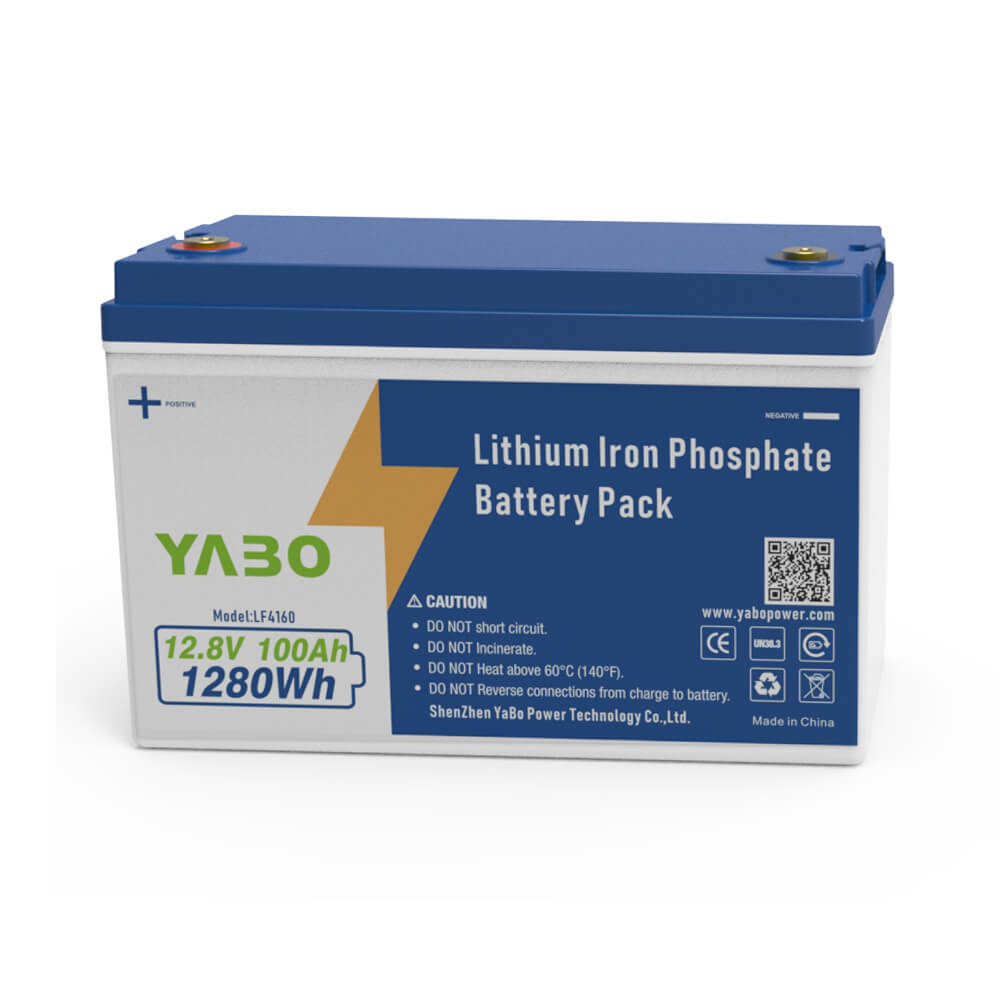
Selecting and configuring a lifepo4 battery pack requires more than choosing a nominal voltage and capacity. Every device demand profile—whether for residential backup power, recreational vehicles, marine systems, or industrial equipment—presents unique requirements for voltage stability, discharge rates, cycle longevity, and thermal management. A lifepo4 battery pack optimized for one application may underperform or fail prematurely in another. Understanding how to tailor a lifepo4 battery pack specifications to match specific device demands is essential for maximizing performance, safety, and return on investment.
The core challenge lies in matching a lifepo4 battery pack design to the electrical signature of your target devices. This involves analyzing peak current draw, continuous load profiles, depth of discharge tolerance, ambient operating temperatures, and expected service life. A properly optimized lifepo4 battery pack will operate within safe voltage windows, deliver consistent power delivery, minimize energy waste, and achieve the intended cycle count without accelerated degradation. This article explores the key optimization strategies for configuring a lifepo4 battery pack across diverse industrial and consumer applications.
Understanding Device Power Demand Profiles
Peak Current and Continuous Load Analysis
Every device exhibits two distinct power signatures: peak inrush current and continuous operating load. A lifepo4 battery pack must handle both without excessive voltage sag or thermal stress. Peak current occurs during motor startup, compressor engagement, or rapid device activation and typically lasts milliseconds to seconds. Continuous load represents the average power consumption after the device reaches steady state. When optimizing a lifepo4 battery pack, you must size the internal resistance and cell configuration to handle peak current without dropping below minimum voltage thresholds, while also managing heat dissipation during sustained operation. Undersized battery management systems in a lifepo4 battery pack will trigger protective shutdowns, while undersized cell capacity will cause premature voltage collapse and device failure.
Voltage Stability and Device Compatibility
Most devices tolerate only a narrow voltage window. A lifepo4 battery pack must maintain nominal voltage—typically 12V, 24V, or 48V depending on the system—within plus-or-minus 5 to 15 percent of the target. Voltage sag during peak load is a primary failure mode. A lifepo4 battery pack with insufficient capacity or poor cell balancing will exhibit excessive voltage drop under load, causing connected devices to malfunction, shut down, or suffer permanent damage. Conversely, a lifepo4 battery pack oversized for the application will carry unnecessary cost and weight while potentially damaging sensitive electronics. The optimization process requires calculating the actual voltage profile under typical and extreme load conditions, then selecting a lifepo4 battery pack configuration with adequate reserve capacity and low internal resistance to maintain stability.
Capacity and Usable Energy Optimization
Depth of Discharge and Cycle Longevity
A lifepo4 battery pack rated for 5000 cycles at 80 percent depth of discharge (DoD) will experience accelerated degradation if cycled regularly at 100 percent DoD. Conversely, operating a lifepo4 battery pack at shallow DoD depths—such as 30 to 50 percent—dramatically extends cycle life but increases cost per usable kilowatt-hour. The optimization decision depends on your application timeline and budget constraints. Emergency backup systems typically justify deeper DoD because they cycle infrequently. Daily-cycle renewable energy storage or mobile applications benefit from conservative DoD limits to maximize total usable cycles before replacement. When selecting a lifepo4 battery pack, calculate the target usable energy capacity by dividing your daily or cycling demand by your acceptable DoD percentage. A 10 kWh daily demand at 50 percent DoD requires a 20 kWh lifepo4 battery pack, whereas 80 percent DoD allows a 12.5 kWh lifepo4 battery pack to meet the same demand.
Sizing for Peak Reserve and Margin
A lifepo4 battery pack must accommodate not only average demand but also peak demand spikes and unexpected loads. Engineers typically add 15 to 30 percent reserve capacity above the calculated usable energy to prevent emergency voltage collapse and permit emergency cycling at full depth of discharge if necessary. A lifepo4 battery pack sized with inadequate margin will exhaust its energy reserve on normal operations, leaving no buffer for contingencies. This forces the device to operate at the edge of safe voltage limits and may cause shutdowns during seasonal peaks or equipment malfunctions. The proper lifepo4 battery pack sizing balances cost efficiency against operational safety. Industrial and mission-critical systems typically justify larger margins, while cost-sensitive consumer applications may accept tighter margins with corresponding operational constraints.
Thermal Management and Environmental Adaptation
Temperature Operating Windows and Performance Impact
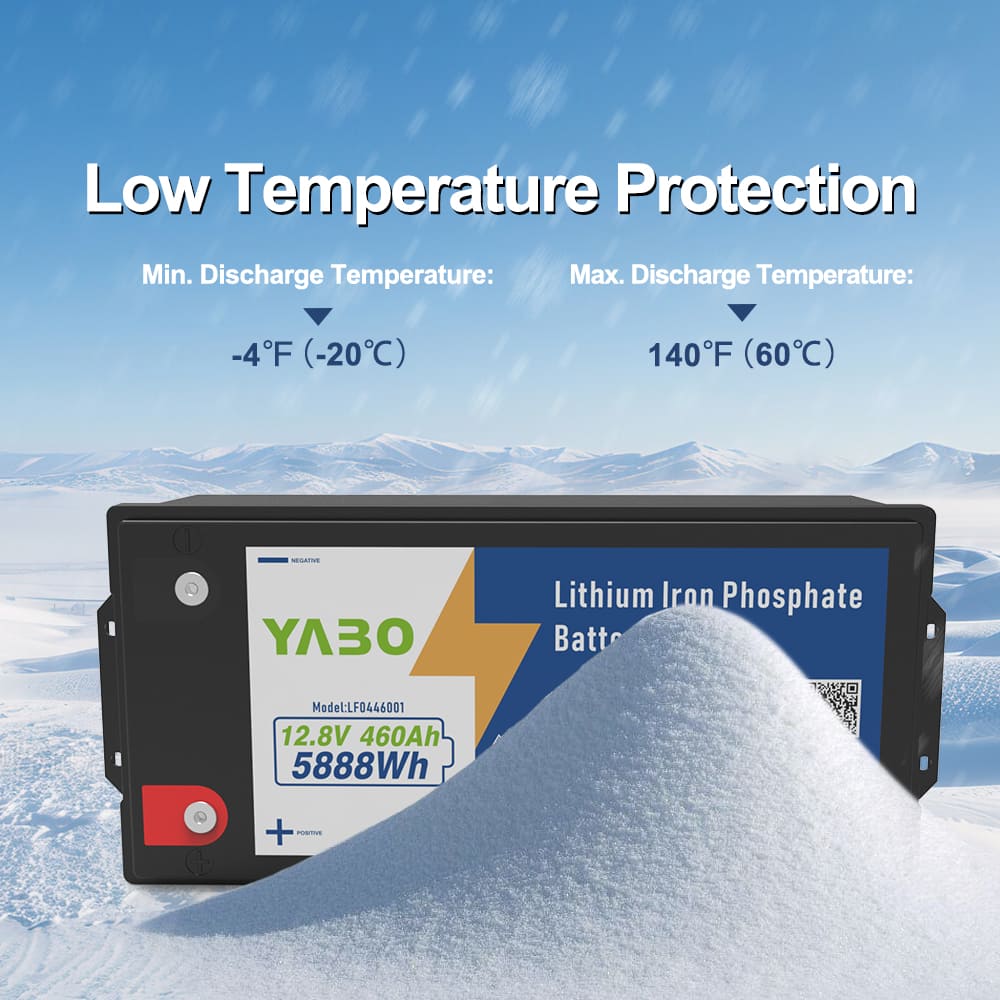
A lifepo4 battery pack's usable capacity and charging efficiency degrade significantly outside its optimal temperature range, typically 20 to 40 degrees Celsius. Cold operation reduces discharge capacity and increases internal resistance, forcing the lifepo4 battery pack to restrict output current to prevent over-stress on cells. Excessive heat accelerates electrolyte degradation and shortens cycle life. When optimizing a lifepo4 battery pack for temperature extremes, consider active or passive thermal management systems, insulation, heaters, or ventilation. A lifepo4 battery pack deployed in northern climates may require heating circuits to maintain safe discharge capability during winter. A lifepo4 battery pack in tropical or industrial environments may require cooling channels or ventilation to maintain safe operating temperature. The optimization process must account for the cost and complexity of thermal management against the cost of oversizing the lifepo4 battery pack itself to compensate for degraded performance in adverse conditions.
BMS Configuration for Application-Specific Safety
The battery management system (BMS) embedded in or paired with a lifepo4 battery pack determines how the system responds to fault conditions, extreme temperatures, overcharge, over-discharge, and cell imbalance. A lifepo4 battery pack optimized for renewable energy storage may tolerate fast charging at high current and frequent deep discharge cycles, requiring an aggressive BMS algorithm to maximize energy throughput. A lifepo4 battery pack for emergency backup power must prioritize safety and longevity, employing conservative charging limits and discharge thresholds. A lifepo4 battery pack used in mobile or marine applications requires BMS logic that compensates for vibration, salt spray, temperature swings, and irregular charging patterns. Customizing the BMS parameters in a lifepo4 battery pack to match application-specific risk profiles ensures reliable operation and optimal component lifespan.
Integration and System Architecture Strategies
Serial and Parallel Configuration Optimization
A lifepo4 battery pack can be constructed as a single monolithic unit or assembled from multiple smaller modules connected in series, parallel, or hybrid topologies. Series configurations increase voltage but add complexity to cell balancing in a lifepo4 battery pack. Parallel configurations increase total capacity and current delivery but demand careful attention to cell matching and bypass protection in a lifepo4 battery pack. Hybrid topologies, such as three 12V modules in series to create 36V, combine the advantages of both approaches but require sophisticated BMS algorithms in a lifepo4 battery pack to maintain balance across all cells and modules. The optimization decision depends on device voltage requirements, available physical space, and the need for redundancy. Mission-critical systems may favor a modular lifepo4 battery pack design that permits hot-swapping or isolated operation if a single module fails.
Charging and Load Interface Design
A lifepo4 battery pack must interface safely and efficiently with renewable chargers, AC mains chargers, solar inverters, or vehicle alternators. The charging profile—constant current or multi-stage absorption—affects cycle life and overall efficiency. A lifepo4 battery pack optimized for solar applications may employ maximum power point tracking (MPPT) to extract peak energy during variable irradiance, whereas a lifepo4 battery pack for grid-tied systems may prioritize seamless synchronization with mains frequency. Load discharge interfaces must include reverse polarity protection, overcurrent protection, and isolated monitoring in a lifepo4 battery pack used for sensitive electronics. A lifepo4 battery pack serving both AC and DC loads requires bidirectional converter architecture. Optimizing the interface logic and protection layers ensures the lifepo4 battery pack delivers its full rated performance without compromising device or system safety.
FAQ
What is the ideal capacity for a lifepo4 battery pack in residential backup systems?
Residential backup systems typically require a lifepo4 battery pack sized to deliver 24 to 48 hours of critical loads at moderate depth of discharge. Calculate daily energy consumption in kilowatt-hours, multiply by 1.5 to 2 for safety margin, and divide by your target DoD (usually 80 percent for residential use). A household consuming 30 kWh daily would benefit from a 50 to 60 kWh lifepo4 battery pack to maintain stable operation and maximize cycle life. Regional climate, seasonal variations, and backup duration requirements all influence the final lifepo4 battery pack specification.
How does temperature affect lifepo4 battery pack performance and what can be done to optimize it?
Temperature directly impacts usable capacity and charging efficiency of a lifepo4 battery pack. Operating below 10 degrees Celsius reduces available capacity by 20 to 40 percent, while sustained operation above 50 degrees Celsius accelerates degradation. Optimize a lifepo4 battery pack for temperature extremes by adding heating elements for cold climates, ventilation or cooling channels for hot environments, and insulation to buffer external temperature swings. Advanced BMS logic in a lifepo4 battery pack can also throttle charging or discharge rates to maintain safe operating temperature, trading throughput for longevity when needed.
Can a single lifepo4 battery pack serve multiple different devices with varying voltage requirements?
A single lifepo4 battery pack can theoretically serve multiple devices by using DC-DC converters to step voltage up or down as needed. However, this approach adds cost, introduces conversion losses, and complicates system design. For optimal performance and efficiency, configure a lifepo4 battery pack to match the primary load voltage and use converters only for secondary or auxiliary devices. Mission-critical applications justify dedicated lifepo4 battery pack units for each load tier to eliminate single-point failure risk and ensure independent voltage stability for each device.