
 EN
EN
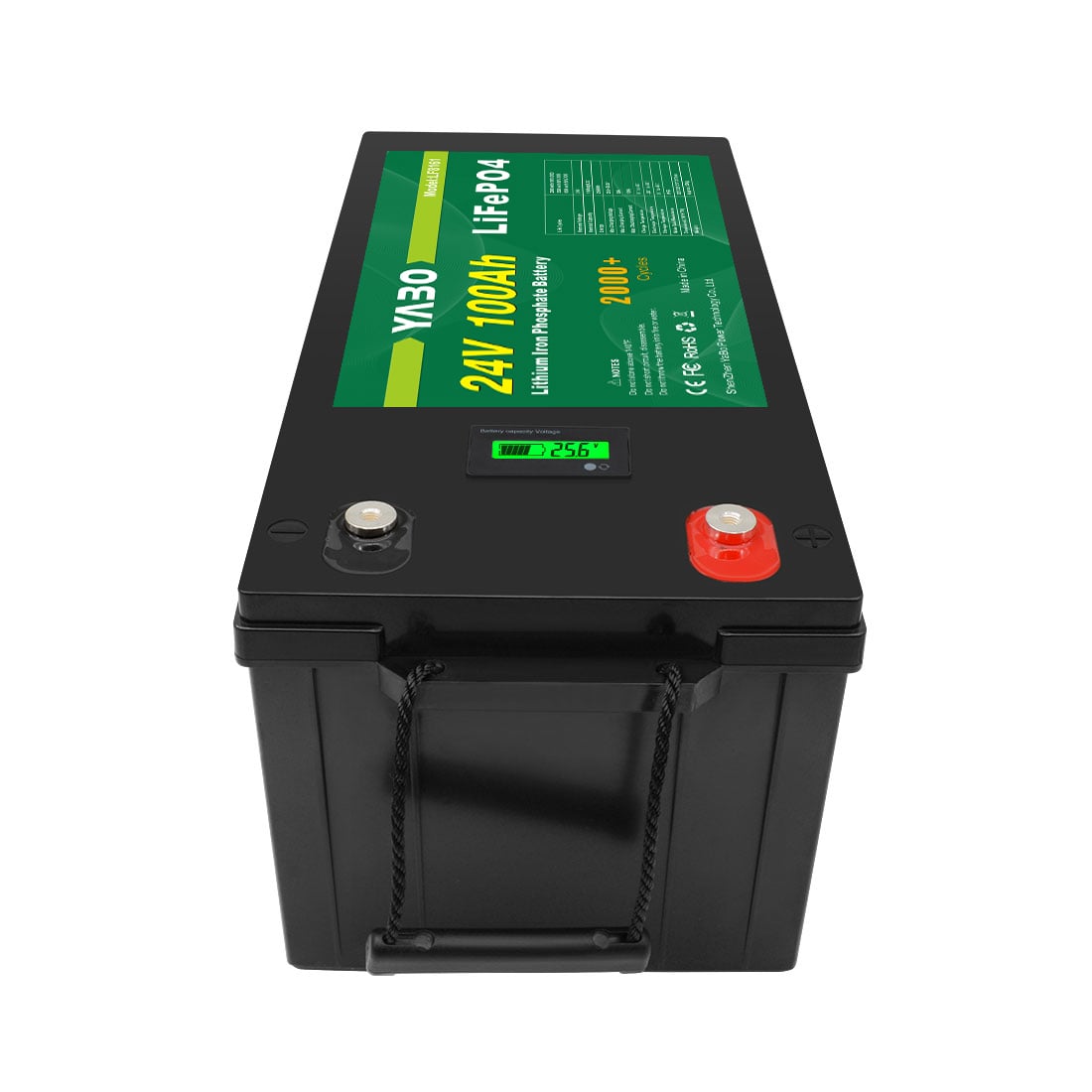
Backup power has become essential infrastructure for homes, businesses, and critical facilities. When grid failures occur, a lifepo4 battery pack provides the dependable energy storage needed to maintain operations and safety. Understanding how a lifepo4 battery pack supports reliable backup power helps property owners make informed decisions about energy resilience.
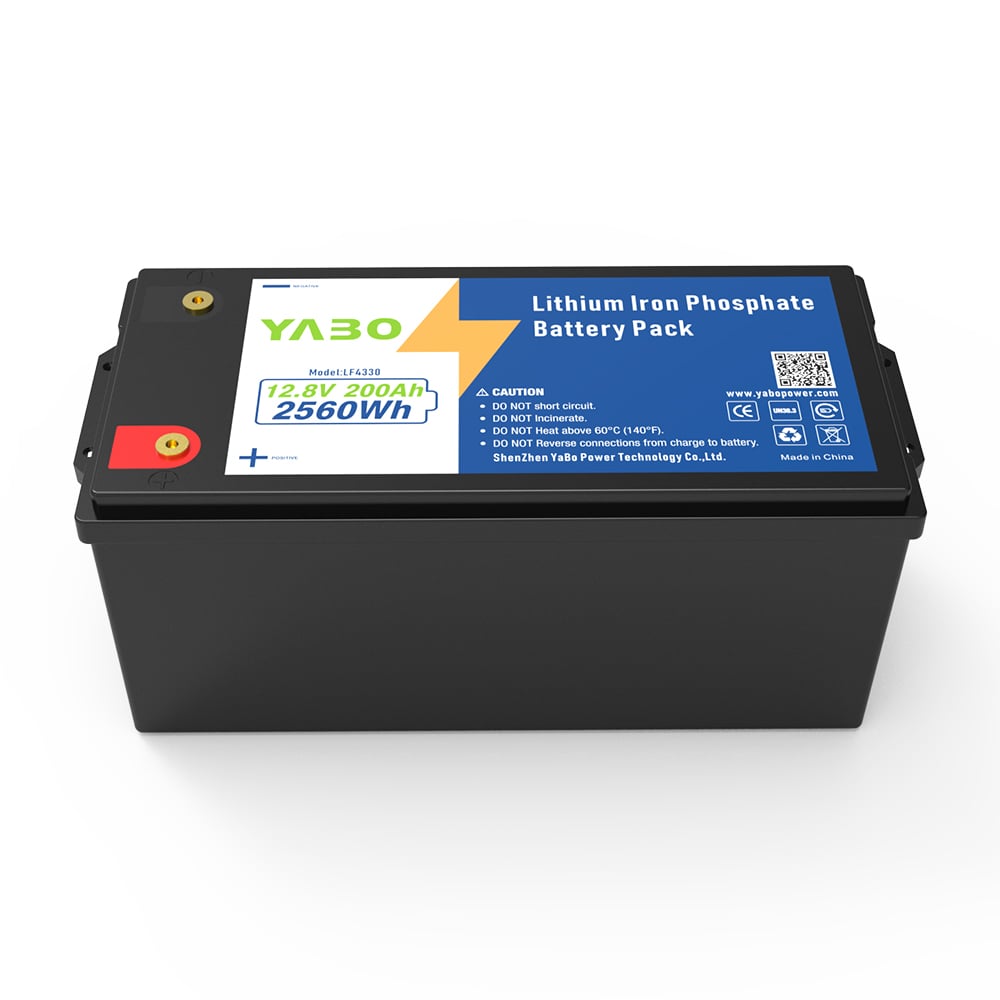
A lifepo4 battery pack represents a significant evolution in battery technology, offering superior performance compared to older lead-acid or basic lithium alternatives. The chemistry and design of a lifepo4 battery pack enable consistent power delivery, extended cycle life, and enhanced safety margins that make it the ideal choice for backup power applications in demanding environments.
Energy Density and Consistent Power Delivery
How LiFePO4 Chemistry Provides Stable Output
A lifepo4 battery pack maintains a remarkably flat discharge curve, meaning it delivers consistent voltage throughout the discharge cycle. Unlike lead-acid batteries that lose voltage as they drain, a lifepo4 battery pack sustains stable power levels, ensuring connected equipment receives adequate voltage for reliable operation. This characteristic is critical for backup power systems where voltage stability directly impacts the performance of sensitive electronics and appliances.
The energy density of a lifepo4 battery pack allows for greater energy storage in a smaller footprint. This makes a lifepo4 battery pack practical for residential installations where space constraints exist. The higher energy density also means backup power can be sustained longer during extended outages, reducing the need for oversized physical installations.
Temperature Performance and Environmental Adaptability
A lifepo4 battery pack operates effectively across a wider temperature range than competing battery technologies. Even in cold climates or hot environments, a lifepo4 battery pack maintains capacity and discharge rates within acceptable parameters. This environmental adaptability ensures that a lifepo4 battery pack performs reliably regardless of seasonal fluctuations or challenging facility conditions.
When backup power is needed most—during extreme weather events—a lifepo4 battery pack continues to function without significant performance degradation. The thermal stability of a lifepo4 battery pack also reduces cooling requirements for the battery system itself, lowering auxiliary operating costs.
Longevity and Total Cost of Ownership
Cycle Life and Calendar Life Advantages
A lifepo4 battery pack typically delivers 3,000 to 5,000 full charge cycles, far exceeding the 300 to 500 cycles common with lead-acid systems. This extended cycle life means a lifepo4 battery pack continues providing backup power for 10 to 15 years or longer, depending on usage patterns. The longevity of a lifepo4 battery pack dramatically reduces replacement frequency and the associated logistics of battery disposal.
Calendar life—the period during which a lifepo4 battery pack retains capacity even when not actively cycling—also exceeds competitor technologies. A lifepo4 battery pack experiences minimal degradation during standby periods, making it ideal for backup power applications where the system may sit dormant for months between outages. This characteristic ensures that when backup power is finally needed, the lifepo4 battery pack remains fully charged and ready to perform.
Maintenance Requirements and System Simplification
Unlike lead-acid backup systems, a lifepo4 battery pack requires virtually no maintenance. There is no need to monitor water levels, perform equalization cycles, or replace worn internal components. A lifepo4 battery pack integrates battery management systems that handle cell balancing and protective functions automatically, reducing facility management burden.
The reduced maintenance profile of a lifepo4 battery pack translates into lower operational costs over the product lifetime. Facility managers can focus resources on other critical systems rather than devoting time to battery upkeep. The lifepo4 battery pack approach represents a major shift toward 'install and forget' reliability in backup power design.
Safety Features and System Protection
Built-In Battery Management Systems
A lifepo4 battery pack includes integrated battery management electronics that monitor individual cell voltage, temperature, and current flow. The built-in protection circuitry of a lifepo4 battery pack prevents overcharging, over-discharging, and excessive current draw that could damage cells. These safeguards mean a lifepo4 battery pack operates within safe parameters even if external charging or load equipment malfunctions.
The battery management system in a lifepo4 battery pack also provides real-time status information, allowing operators to monitor remaining capacity, discharge rate, and system health. This transparency enables proactive maintenance decisions and confirms that backup power is ready when needed.
Thermal Stability and Fire Resistance
LiFePO4 chemistry itself is inherently more stable than conventional lithium-ion formulations, and a lifepo4 battery pack resists thermal runaway—the dangerous cascade reaction that can cause fires. A lifepo4 battery pack can tolerate physical abuse, partial short circuits, and extreme charge rates without igniting, making it significantly safer for facilities with personnel or sensitive operations.
The fire-resistant characteristics of a lifepo4 battery pack reduce insurance risk and eliminate many regulatory compliance headaches that apply to other battery types. Facilities can install a lifepo4 battery pack in closer proximity to working areas, simplifying backup power distribution without sacrificing safety. This safety advantage positions a lifepo4 battery pack as the preferred choice for critical infrastructure, healthcare facilities, and data centers where fire hazard must be minimized.
FAQ
What is the typical lifespan of a lifepo4 battery pack for backup power applications?
A lifepo4 battery pack designed for backup power typically lasts 10 to 15 years or longer, depending on cycling frequency and environmental conditions. Most quality lifepo4 battery packs retain at least 80% of their original capacity after 3,000 to 5,000 complete charge cycles. In backup power applications where the system cycles infrequently, a lifepo4 battery pack often exceeds this timeframe, making it a long-term investment in energy resilience.
How does a lifepo4 battery pack compare to traditional lead-acid batteries for backup power?
A lifepo4 battery pack offers superior cycle life, faster charging, better temperature performance, and minimal maintenance compared to lead-acid alternatives. While a lifepo4 battery pack has higher upfront cost, the extended lifespan and reduced operational overhead mean total cost of ownership is lower over 10+ years. A lifepo4 battery pack also occupies significantly less space and weight than lead-acid systems with equivalent capacity, making installation more practical in residential and commercial settings.
Can a lifepo4 battery pack be used with existing solar power or generator systems?
Yes, a lifepo4 battery pack integrates seamlessly with solar panels, charge controllers, inverters, and backup generators through standard electrical connections. A lifepo4 battery pack's built-in management system handles charging from multiple sources safely, and its stable voltage output works reliably with most modern inverters. Many facilities retrofit existing installations with a lifepo4 battery pack to upgrade backup power capabilities without replacing the entire system infrastructure.