
 EN
EN
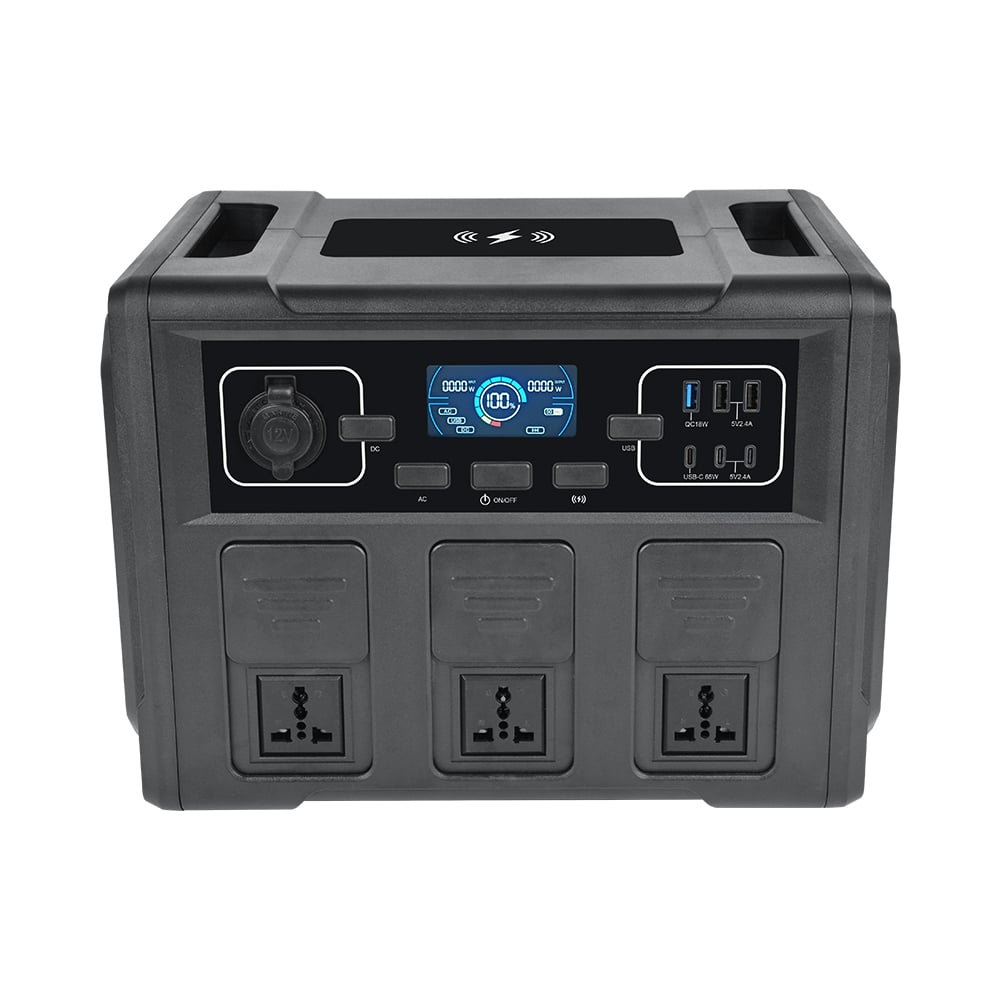
When planning outdoor adventures, choosing the right power solution can mean the difference between a memorable trip and a frustrating one. Solar camping batteries and traditional power banks both offer portable energy, but they serve different needs and operate on fundamentally different principles. Understanding how solar camping batteries compare to traditional power banks helps you make an informed decision that aligns with your specific camping scenario, trip duration, and energy requirements. This guide breaks down the key differences, advantages, and practical considerations of each technology.
Solar camping batteries represent an evolution in portable power technology, combining energy storage with integrated or paired solar panels for renewable charging capability. Traditional power banks, by contrast, rely entirely on pre-charged lithium-ion cells and must be recharged through grid-based outlets or USB connections. The rise of solar camping batteries reflects growing demand for self-sufficient outdoor power solutions, particularly among backcountry adventurers, off-grid campers, and eco-conscious travelers who need extended autonomy without frequent returns to civilization.
Energy Independence and Charging Flexibility
Solar Camping Batteries Provide Renewable Charging
Solar camping batteries eliminate dependency on grid electricity by harnessing sunlight to recharge their internal cells. This renewable capability makes solar camping batteries ideal for multi-day expeditions, remote camping locations, and situations where returning to an outlet is impractical. A solar camping battery can maintain charge indefinitely in sufficient daylight conditions, effectively providing unlimited runtime if you balance energy consumption with available solar input. The charging speed depends on solar panel capacity, measured in watts, and sunlight intensity, but even modest 20–30W panels can trickle-charge most camping needs throughout a day.
Traditional power banks, by comparison, exhaust their stored energy and require access to a charging outlet to restore capacity. This limitation confines traditional power banks to shorter trips where you can return to your vehicle, base camp, or lodging with electrical infrastructure. Extended camping requires either carrying multiple pre-charged power banks or finding external charging solutions, increasing weight and complexity. For off-grid scenarios lasting more than 2–3 days, solar camping batteries provide a clear advantage in terms of practical energy sustainability.
Pre-Charging Convenience for Short Trips
Traditional power banks excel in convenience for weekend trips and urban camping where you can recharge at night. They require no setup time, no weather dependency, and no learning curve—simply charge before departure and use as needed. Solar camping batteries, conversely, demand sunny conditions to recharge and may require orientation adjustments to optimize solar input. For a quick overnight camping trip, traditional power banks deliver faster deployment and more predictable performance, making them better suited to weekend getaways where charging infrastructure exists at your destination.
Capacity, Output, and Real-World Runtime
Solar Camping Batteries Offer Higher Capacities
Solar camping batteries typically feature larger capacity batteries, measured in milliampere-hours or watt-hours, compared to standard power banks. While conventional portable power banks range from 10,000 to 50,000 mAh, solar camping batteries often provide 30,000 to 100,000 mAh or higher, delivering substantially more total energy storage. This capacity advantage means solar camping batteries can power larger devices, multiple devices simultaneously, and support high-draw equipment like laptops, power tools, and medical devices. A solar camping battery system with 30,000+ mAh capacity and integrated solar charging provides flexibility that traditional power banks cannot match for extended expeditions.
Traditional power banks prioritize portability, so they maintain smaller form factors and lighter weights at the expense of capacity. A typical compact power bank weighs 200–400 grams and stores enough energy for 1–3 smartphone charges. Solar camping batteries weigh significantly more due to larger batteries, solar panels, and structural housing, but this added weight translates to substantially longer runtime and independence from external charging. The tradeoff between weight and energy autonomy is crucial when deciding which technology suits your trip profile.
Output Power and Device Compatibility
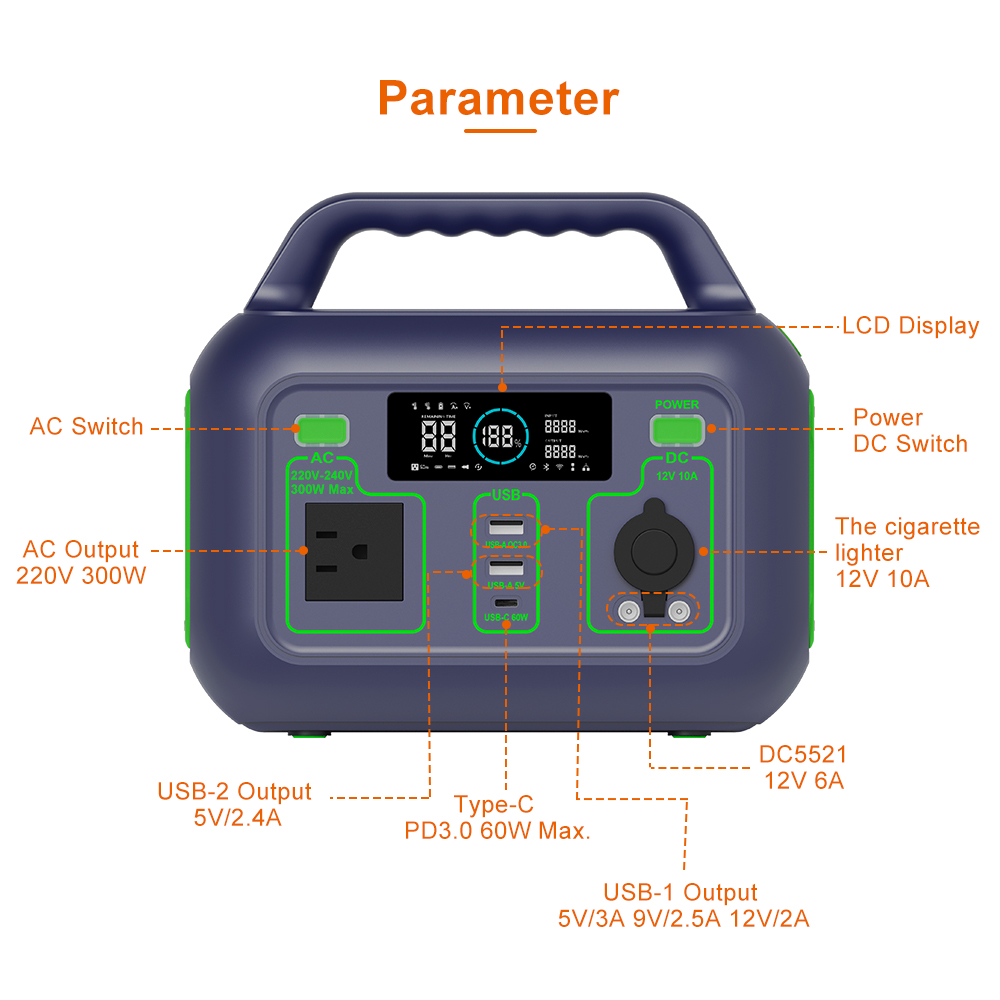
Solar camping batteries typically feature higher wattage output capability, often 100–300W or more, allowing simultaneous charging of multiple devices and powering AC appliances through inverter functionality. Traditional power banks generally deliver 10–30W of output, sufficient for phones, tablets, and small devices but inadequate for laptops or power-hungry camping equipment. Solar camping batteries support multiple output ports—USB-A, USB-C, DC, and sometimes AC outlets—providing versatility across different device types. For powering camping-specific gear like electric coolers, heated blankets, or portable medical devices, solar camping batteries demonstrate a clear capacity and output advantage that traditional power banks cannot provide.
Cost, Durability, and Long-Term Value
Solar Camping Batteries Command Higher Initial Investment
Solar camping batteries represent a more substantial upfront cost than traditional power banks, typically ranging from $200 to $1,000+ depending on capacity and solar panel quality. Traditional power banks cost $20 to $150, making them far more affordable for casual users or those testing portable power needs. However, the long-term cost-effectiveness of solar camping batteries improves significantly for frequent campers, because ongoing solar charging eliminates repeated battery replacement or charging infrastructure costs. Someone camping monthly will quickly recover the solar camping battery investment through reduced alternative power expenses and extended trip independence, whereas casual weekend campers might find traditional power banks more economical.
The durability profile differs as well. Quality solar camping batteries use industrial-grade LiFePO4 cells, designed to withstand thousands of charge cycles and extreme environmental conditions, often lasting 8–10 years with proper maintenance. Traditional power banks typically last 2–4 years before capacity degradation becomes noticeable. Solar panels integrated with solar camping batteries can degrade over time from UV exposure and thermal stress, but replacement panels are generally available and affordable. Considering replacement cycles, solar camping batteries provide superior long-term value for committed outdoor enthusiasts despite higher initial expense.
Reliability in Various Environmental Conditions
Solar camping batteries perform consistently across diverse environmental scenarios because they recharge passively from sunlight, requiring no external infrastructure or user intervention beyond basic panel placement. Traditional power banks function identically regardless of location but become increasingly problematic as trip duration extends beyond their pre-charged capacity. In remote locations, extreme weather, or extended backcountry scenarios, solar camping batteries prove more reliable because they maintain power independence. However, solar camping batteries depend on daylight availability, making them less effective during cloudy multi-day stretches or winter camping when solar input diminishes significantly. Traditional power banks remain unaffected by weather or season, providing consistent performance in low-light conditions.
FAQ
Which technology suits multi-day camping trips better?
Solar camping batteries excel for multi-day trips because their renewable charging capability sustains energy independence indefinitely in adequate sunlight. Traditional power banks exhaust fixed capacity within 1–3 days and require external charging. For trips longer than 3 days in locations without charging infrastructure, solar camping batteries provide practical advantages that traditional power banks cannot match. If weather guarantees sunny conditions, solar camping batteries eliminate energy concerns entirely.
Can solar camping batteries charge in cloudy conditions?
Solar camping batteries charge more slowly during cloudy weather but continue generating power from diffuse light, though at reduced efficiency compared to direct sunlight. Charging rates may drop 50–70% on overcast days, which extends recharge times but maintains some solar input. Traditional power banks are completely unaffected by weather, making them more predictable when extended clouds are expected. For trips in reliably sunny regions, solar camping batteries provide dependable charging; for consistently cloudy climates, traditional power banks or hybrid approaches become more practical.
Are solar camping batteries too heavy for backpacking?
Solar camping batteries are heavier than power banks, typically 1–3 kg depending on capacity and solar panel configuration, which adds noticeable weight to backpacking loads. Traditional power banks weigh under 500 grams, offering clear advantages for ultralight or long-distance trekking. However, for car camping, base camps, or portage-based adventures where vehicle access occurs daily, solar camping batteries' additional weight becomes negligible. Weight-conscious backpackers should consider solar camping batteries with foldable panels and modular designs, or pair traditional power banks with small portable solar panels for a lightweight compromise solution.