
 EN
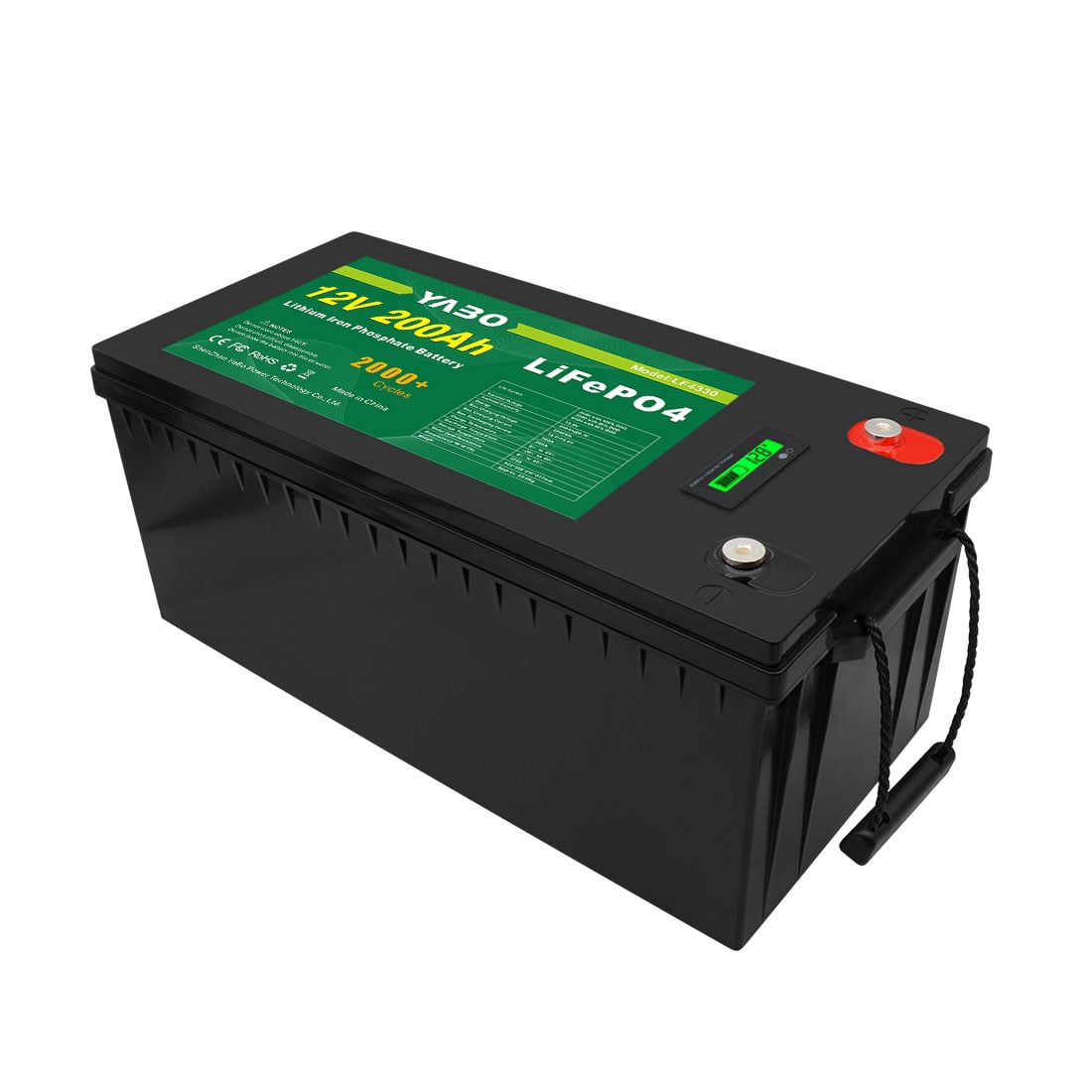
Understanding what affects the runtime of a 12v golf cart battery on hilly courses is essential for golfers and course operators who depend on consistent vehicle performance. The 12v golf cart battery powers your vehicle through demanding terrain, yet many users fail to realize how significantly hills impact battery drain and overall operational time. Unlike flat courses where a 12v golf cart battery maintains steady power delivery, hilly landscapes introduce sustained load conditions that test the limits of battery capacity and chemistry. This comprehensive guide explores the critical factors that influence 12v golf cart battery performance on steep terrain and how you can optimize runtime for uninterrupted play.
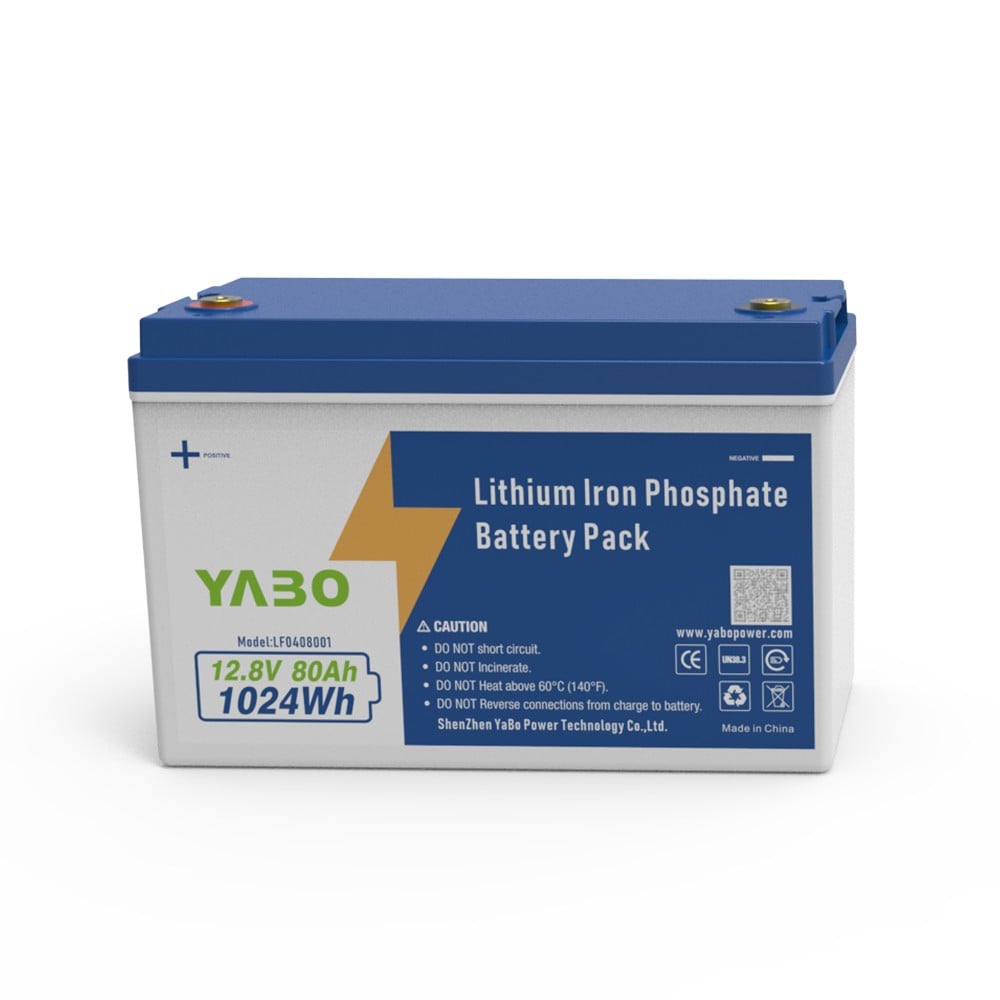
Hilly courses present a unique challenge because a 12v golf cart battery must work harder to climb inclines, creating increased amp-hour draw and accelerated discharge cycles. The terrain's elevation changes demand more power than level ground, which directly shortens the hours your battery can sustain vehicle operation. Knowing these dynamics helps you make informed decisions about battery selection, maintenance, and usage patterns to maximize runtime when navigating challenging topography.
How Terrain Grade Affects Battery Discharge
Slope Impact on Power Demand
When a golf cart climbs hills, the motor must generate significantly more torque to overcome gravity and move the vehicle upward. A 12v golf cart battery experiences higher amp draw during these climbs compared to level ground operation. The steeper the hill, the greater the sustained demand on the 12v golf cart battery, causing it to deplete faster. On a course with frequent elevation changes, the continuous cycling between climbing and descending puts constant stress on battery chemistry and internal components.
Cumulative Elevation Impact
A typical 18-hole hilly course with continuous grade variations exhausts a 12v golf cart battery much faster than the manufacturer's flat-terrain rating suggests. Each hill climb represents a significant energy investment, and multiple hills throughout a round compound the effect. The cumulative distance traveled uphill across your entire course session determines the practical runtime of any 12v golf cart battery. This is why battery manufacturers often provide different runtime estimates for flat versus hilly terrain.
Battery Capacity and Chemistry Considerations
Amp-Hour Rating and Hilly Terrain
The amp-hour capacity printed on your 12v golf cart battery indicates its total energy storage under standard conditions, typically measured on flat terrain at moderate temperatures. When hills enter the equation, the effective usable capacity drops significantly because the battery cannot deliver its full rated hours under high-load conditions. A 12v golf cart battery rated for 40 miles of range on flat ground might only deliver 25 to 30 miles on a hilly course. Understanding this gap between rated and practical performance helps you plan routes and charging schedules appropriately.
Battery Chemistry Performance Variance
Different 12v golf cart battery chemistries respond differently to the sustained high-load demands of hilly terrain. Traditional lead-acid batteries experience voltage sag more dramatically when climbing hills, which can reduce motor efficiency and further drain the 12v golf cart battery faster. Lithium iron phosphate chemistry, by contrast, maintains more stable voltage under hill-climbing stress, allowing the 12v golf cart battery to sustain higher output for longer periods. This voltage stability directly translates to noticeably better runtime performance on courses with significant elevation change.
Environmental and Operational Factors
Temperature Effects on Battery Performance
Cold temperatures reduce the chemical reaction rate inside a 12v golf cart battery, decreasing its effective capacity and power delivery capability. On a hilly course in cool weather, a 12v golf cart battery will deplete faster because the battery cannot respond as quickly to the high amp demands of climbing. Conversely, warm conditions allow the 12v golf cart battery to deliver closer to its rated capacity. Extreme heat can also damage battery internal structure, reducing the 12v golf cart battery's ability to handle sustained loads over time.
Driving Habits and Load Management
How aggressively you accelerate up hills directly impacts how much power your 12v golf cart battery must supply in each moment. Smooth, steady acceleration consumes less total energy than aggressive acceleration, even when climbing the same hill. Additionally, carrying extra weight in the cart increases the burden on your 12v golf cart battery, forcing it to work harder on every incline. Regular maintenance, including keeping battery terminals clean and ensuring proper water levels in lead-acid models, preserves the 12v golf cart battery's ability to handle hilly terrain effectively.
Maximizing Runtime on Hilly Courses
Battery Selection for Elevation Challenges
Choosing a 12v golf cart battery with higher amp-hour capacity than your minimum requirement ensures adequate runtime on hilly terrain. A battery rated for 50 to 80 amp-hours provides buffer capacity that accounts for the increased draw hills impose. Advanced chemistry options like lithium iron phosphate deliver superior voltage stability and efficiency compared to conventional lead-acid, translating to measurably longer practical runtime on courses with frequent elevation changes.
Pre-Course Charging and Maintenance
Always start with a fully charged 12v golf cart battery before tackling a hilly course. Partial charges reduce the available energy reserve, shortening your runtime significantly on demanding terrain. Regularly inspect your 12v golf cart battery for corrosion, loose connections, and proper water levels to ensure optimal electrical conductivity and power delivery. A well-maintained 12v golf cart battery maintains higher voltage under load and responds more efficiently to the motor's demands during hill climbs.
FAQ
Does a 12V golf cart battery lose runtime differently on hills than flat ground?
Yes, a 12v golf cart battery loses charge significantly faster on hills because the motor requires higher sustained amp draw to climb inclines. A battery rated for 40 miles on flat terrain often provides only 25 to 30 miles on a hilly course, representing a 25 to 40 percent runtime reduction depending on hill severity and frequency.
How does temperature affect 12V golf cart battery runtime on hilly courses?
Cold temperatures reduce the chemical reaction rate inside a 12v golf cart battery, decreasing its effective capacity and ability to deliver high power during hill climbs. Warm conditions allow a 12v golf cart battery to perform closer to its rated specifications, while extreme heat can damage internal components and reduce long-term performance.
What battery chemistry offers the best runtime on hilly terrain?
Lithium iron phosphate chemistry provides superior runtime compared to traditional lead-acid because it maintains more stable voltage under the sustained high-load demands of climbing hills. A 12v golf cart battery using lithium chemistry delivers faster response, better efficiency, and longer practical runtime on courses with significant elevation changes.