
 EN
EN
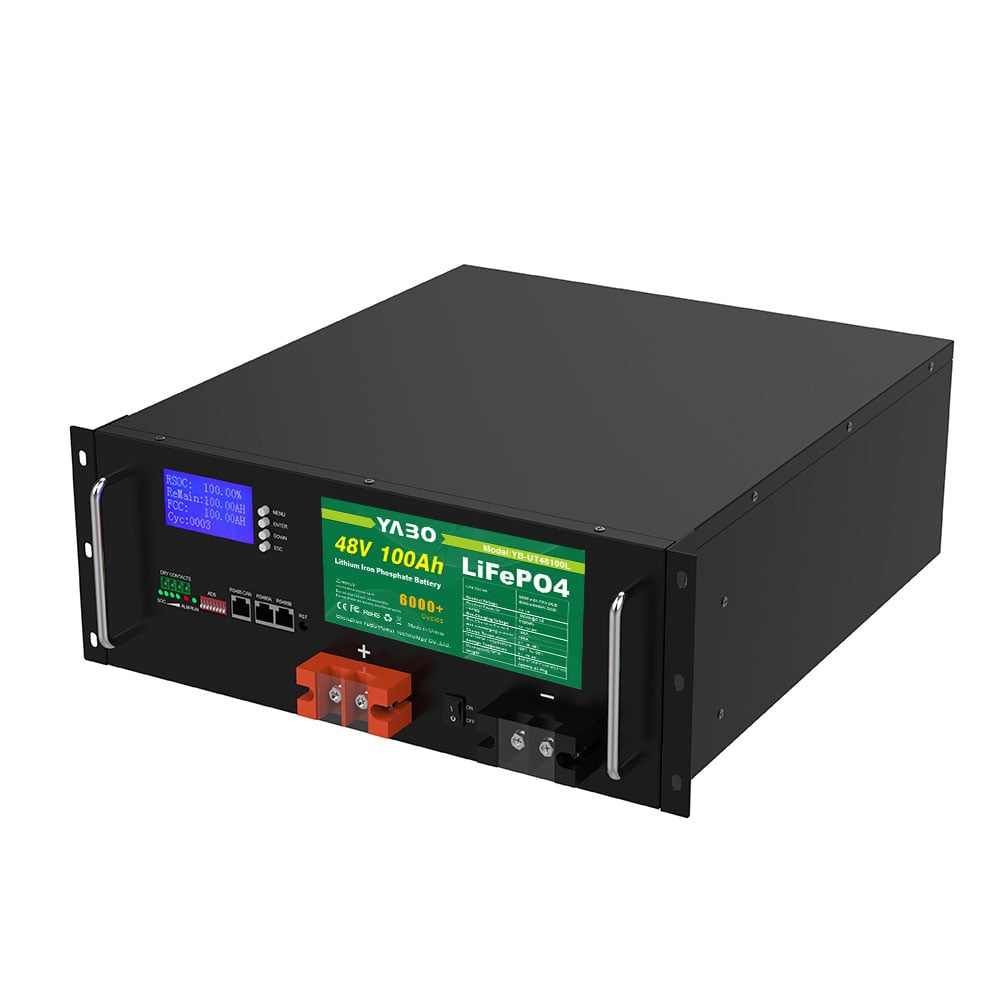
The 48V LiFePO4 battery has become the industry standard for high-power off-grid applications, and this trend is far from coincidental. Energy professionals, system integrators, and homeowners increasingly choose the 48V LiFePO4 battery platform because it delivers the optimal balance of voltage, power capacity, scalability, and long-term reliability that demanding off-grid environments require. Understanding why the 48V LiFePO4 battery system outperforms competing voltage architectures is essential for anyone designing or upgrading an off-grid energy solution.
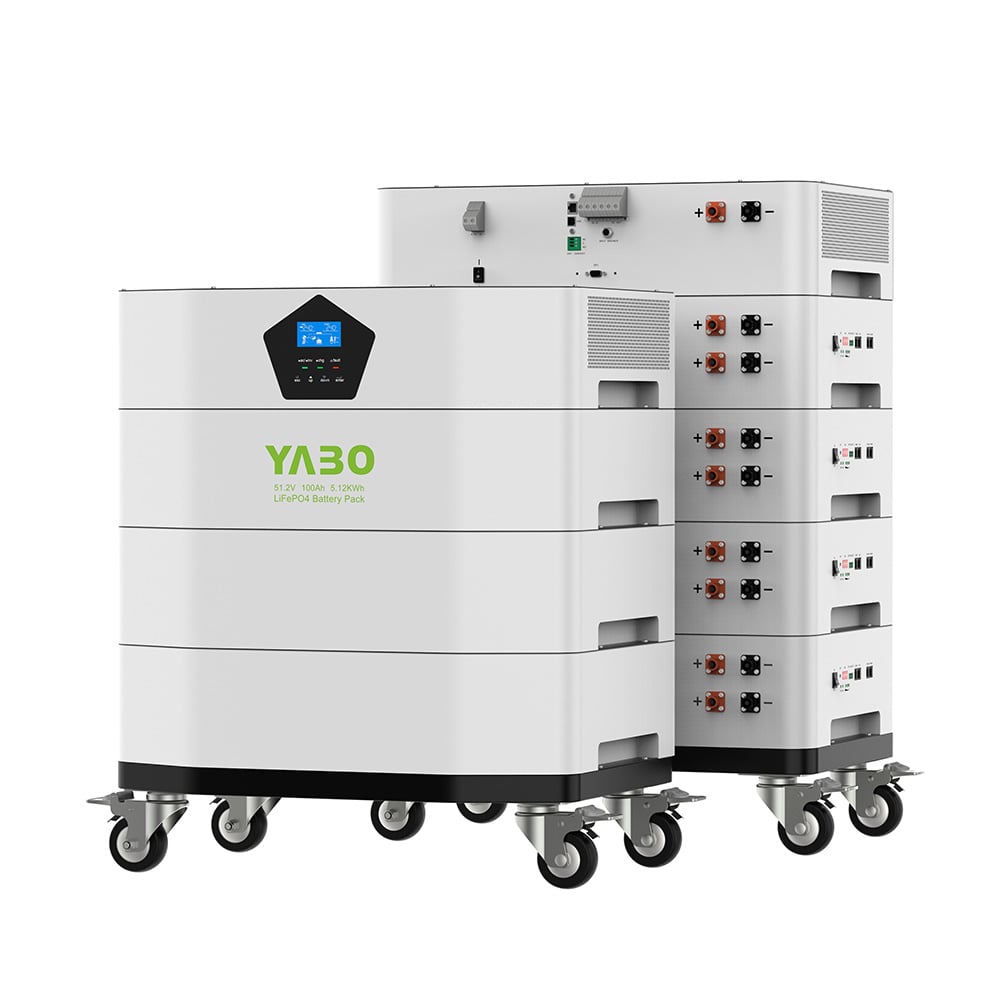
A 48V LiFePO4 battery configuration strikes the perfect equilibrium between current flow efficiency and practical system design. Unlike lower-voltage alternatives that generate excessive heat and current losses over distance, or higher-voltage systems that introduce complexity and safety constraints, the 48V LiFePO4 battery architecture enables efficient power distribution, simplified component integration, and straightforward scaling as energy demands grow. This article examines the technical, economic, and operational reasons why the 48V LiFePO4 battery platform has become the preferred choice for serious off-grid installations worldwide.
Electrical Efficiency and Power Distribution Advantages
Optimized Voltage for Inverter and Component Compatibility
The 48-volt nominal level exists at a sweet spot for modern power electronics design. A 48V LiFePO4 battery system works seamlessly with industrial-grade inverters, charge controllers, and distribution components that are widely available and mature in the market. At this voltage, the 48V LiFePO4 battery generates current levels that are manageable for standard copper wire sizing and breaker ratings without requiring oversized, expensive infrastructure.
When comparing lower voltage systems, a 24V or 12V setup would need to draw twice or four times the current to deliver the same power, causing proportional increases in resistive losses and heat dissipation. A 48V LiFePO4 battery reduces those losses dramatically. For example, in a 10-kilowatt continuous load scenario, the 48V LiFePO4 battery configuration draws around 208 amperes, whereas a 24V system would require roughly 416 amperes through the same cable run, doubling copper losses and system inefficiency.
Extended Transmission Distance Capability
Off-grid applications often require battery banks to be located remotely from loads due to space constraints, environmental conditions, or safety considerations. A 48V LiFePO4 battery system can reliably transmit power over longer distances than lower-voltage alternatives before voltage drop becomes prohibitive. The 48V LiFePO4 battery architecture allows installers to place battery arrays in dedicated mechanical rooms, underground bunkers, or separated structures while maintaining acceptable efficiency to distributed loads throughout the property.
This distance advantage makes the 48V LiFePO4 battery configuration especially valuable for applications like remote cabins, agricultural operations, or industrial facilities where the energy storage cannot be co-located with every load point. The 48V LiFePO4 battery system's voltage level strikes the right balance between transmission efficiency and practical installation constraints.
Scalability and Stacking Architecture
Parallel and Series Expansion Without Complexity
One of the most compelling reasons for choosing a 48V LiFePO4 battery system is its elegant scalability. Multiple 48V LiFePO4 battery modules can be connected in parallel to increase total ampere-hour capacity without altering the system voltage, keeping inverters, charge controllers, and protection devices compatible with the original design specification. This means a facility can start with a modest 48V LiFePO4 battery installation and expand it incrementally as energy requirements grow or capital becomes available.
The 48V LiFePO4 battery modular approach also simplifies maintenance and replacement workflows. Individual modules can be removed, tested, or replaced without shutting down the entire system, a critical advantage in mission-critical off-grid environments. The 48V LiFePO4 battery topology supports this gracefully because the voltage remains constant across parallel-connected units, and modern battery management systems intelligently balance charge and discharge among multiple 48V LiFePO4 battery modules.
Future-Proofing Through Standardized Architecture
The 48V LiFePO4 battery standard has become the de facto platform for serious renewable energy integration. Equipment manufacturers, component suppliers, and system integrators have standardized on 48-volt architectures, meaning a 48V LiFePO4 battery investment today remains compatible with emerging technologies, newer inverter models, and advanced monitoring systems introduced five or ten years hence. This standardization protects the owner's capital investment and ensures replacement parts remain available without obsolescence risk.
A 48V LiFePO4 battery system purchased today will integrate effortlessly with future renewable generators, smart grid interfaces, and energy management platforms. This forward compatibility is rarely available with proprietary, lower-voltage, or non-standard battery architectures. The 48V LiFePO4 battery choice therefore provides substantial insurance against technological stranding.
Safety, Thermal Management, and Operational Reliability
Reduced Current Density and Heat Generation
High-current systems, such as those operating at 24V or 12V, generate proportionally higher heat at every connection point, cable junction, and internal component. A 48V LiFePO4 battery system operates at one-quarter the current of an equivalent 12V system, reducing resistive heating and thermal stress throughout the installation. Lower operational temperatures extend component lifetime, reduce cooling requirements, and minimize fire risk in enclosed battery compartments.
The thermal stability of a 48V LiFePO4 battery installation also supports faster charging rates without degrading battery chemistry or triggering thermal runaway conditions. LiFePO4 chemistry is already renowned for inherent safety, and the 48V LiFePO4 battery voltage level amplifies those advantages by keeping current densities in the safe operating zone across the full range of charge and discharge scenarios.
Simplified Protection and Control Electronics
The 48V LiFePO4 battery voltage range falls comfortably within standard industrial safety protocols and electrical code requirements in most jurisdictions. Installers can use readily available circuit breakers, disconnect switches, and fuses rated for 48-volt DC applications without requiring specialized high-current equipment. A 48V LiFePO4 battery system also permits straightforward implementation of redundant safety features and battery management system interfaces that are less cumbersome than those required in lower-voltage, high-current configurations.
Grounding, bonding, and fault isolation are more straightforward with a 48V LiFePO4 battery architecture, reducing installation labor, inspection delays, and compliance risk. The 48V LiFePO4 battery voltage level is low enough to be considered safe under most electrical codes yet high enough to deliver practical power delivery without exotic component requirements.
FAQ
Can a 48V LiFePO4 battery system handle residential loads continuously?
Yes, a properly sized 48V LiFePO4 battery system can power residential loads continuously when paired with an appropriately rated inverter and sufficient battery capacity. The 48V LiFePO4 battery architecture supports both instantaneous peak loads through inverter output and sustained baseline consumption through stable voltage regulation. A 48V LiFePO4 battery system with 10 to 20 kilowatt-hour capacity can reliably support an average household, especially when coupled with solar generation or other renewable sources that replenish the 48V LiFePO4 battery daily.
How does a 48V LiFePO4 battery compare to lead-acid battery systems at the same voltage?
A 48V LiFePO4 battery offers substantially higher round-trip efficiency, longer cycle life, faster charging, and better cold-weather performance than 48-volt lead-acid alternatives. Lead-acid batteries at 48 volts require more frequent maintenance, degrade significantly with deep discharge cycles, and occupy roughly three times the physical space for equivalent energy storage. The 48V LiFePO4 battery delivers superior economics over a ten-year lifespan despite higher upfront cost because replacement intervals extend dramatically and operational losses drop substantially.
Is a 48V LiFePO4 battery system suitable for automotive or mobile applications?
While a 48V LiFePO4 battery is technically feasible for select vehicle and marine applications, the 48-volt standard is primarily optimized for stationary off-grid installations. Mobile and automotive markets typically gravitate toward higher-voltage systems like 400V or 600V architectures, or specialized lower-voltage configurations. A 48V LiFePO4 battery remains the gold standard for fixed renewable energy storage, backup power, and industrial off-grid systems rather than transportation platforms.