No.252 Pinglong East Road, Fenghuang Community, Pinghu Street, Longgang District, Shenzhen +86-18029030625 [email protected]
No.252 Pinglong East Road, Fenghuang Community, Pinghu Street, Longgang District, Shenzhen +86-18029030625 [email protected]

A home energy storage system (HESS) captures electricity—typically from solar panels or the grid—and holds it in a battery bank for use when you need it most. Think of it as a controllable buffer between your energy source and daily consumption. Instead of exporting surplus solar power at low feed-in rates, a properly sized battery system lets households store that electricity and discharge it during peak-rate hours or grid outages, improving both energy independence and cost efficiency.
If you are evaluating an energy storage solution for the first time, one important shift in perspective helps: this is not just about buying a battery. The real question is how the battery, inverter, and Battery Management System (BMS) work together as an integrated unit. Getting one component right while ignoring the rest rarely delivers the expected result—a lesson most system integrators learn early on.
YABO Power's home energy storage lineup is built around LiFePO4 (Lithium Iron Phosphate) cell chemistry. Before comparing individual models, understanding why LiFePO4 now dominates the residential segment helps clarify the selection process.
Understanding the right context for home energy storage is the starting point for correct system sizing.
Have you mapped out your household's average daily energy consumption and identified which hours carry the highest load? That single exercise eliminates most sizing mistakes before they happen.
A few comparison dimensions worth working through before selecting a battery model:
For buyers targeting European or North American distribution channels, certification compliance for home energy storage products is a baseline requirement, not a differentiator. CE marking is mandatory for the European market. Products intended for North American channels typically require UL or equivalent standards compliance. UN38.3 certification is required for lithium battery shipments by air regardless of destination.
YABO Power holds CE certification on its product lines. ISO 9001 certification at the manufacturing level provides a documented quality management framework—from incoming cell inspection through finished-product testing—that supports consistent quality across production batches. For B2B buyers placing repeat orders, this process assurance reduces batch-to-batch quality variance risk.
When evaluating any supplier for your target market, asking for the specific certification scope—not just the logo—is a practical due-diligence step. A CE marking issued for one product variant does not automatically extend to all configurations. Request documentation aligned with the exact model and capacity you intend to source.
With over 25 years in the battery manufacturing sector, YABO Power has developed LiFePO4 home energy storage solutions across residential, commercial, and industrial applications. The product catalog spans 12V, 24V, and 48V LiFePO4 battery packs from compact 50Ah units to 400Ah high-capacity systems. Wall-mounted and rack-mounted configurations cover the full range from entry-level residential backup to large off-grid installations.
OEM and ODM customization is supported—relevant for system integrators or distributors who require private-label products or non-standard voltage and capacity configurations for specific project requirements. Technical support documentation, including BMS communication specifications, is available for integrators working on system-level designs.
For procurement teams working through supplier qualification: factory audit support, sample provision, and certification document requests are standard parts of the process. If your evaluation requires a technical specification sheet or product sample, that step can be initiated through the inquiry form on this page.
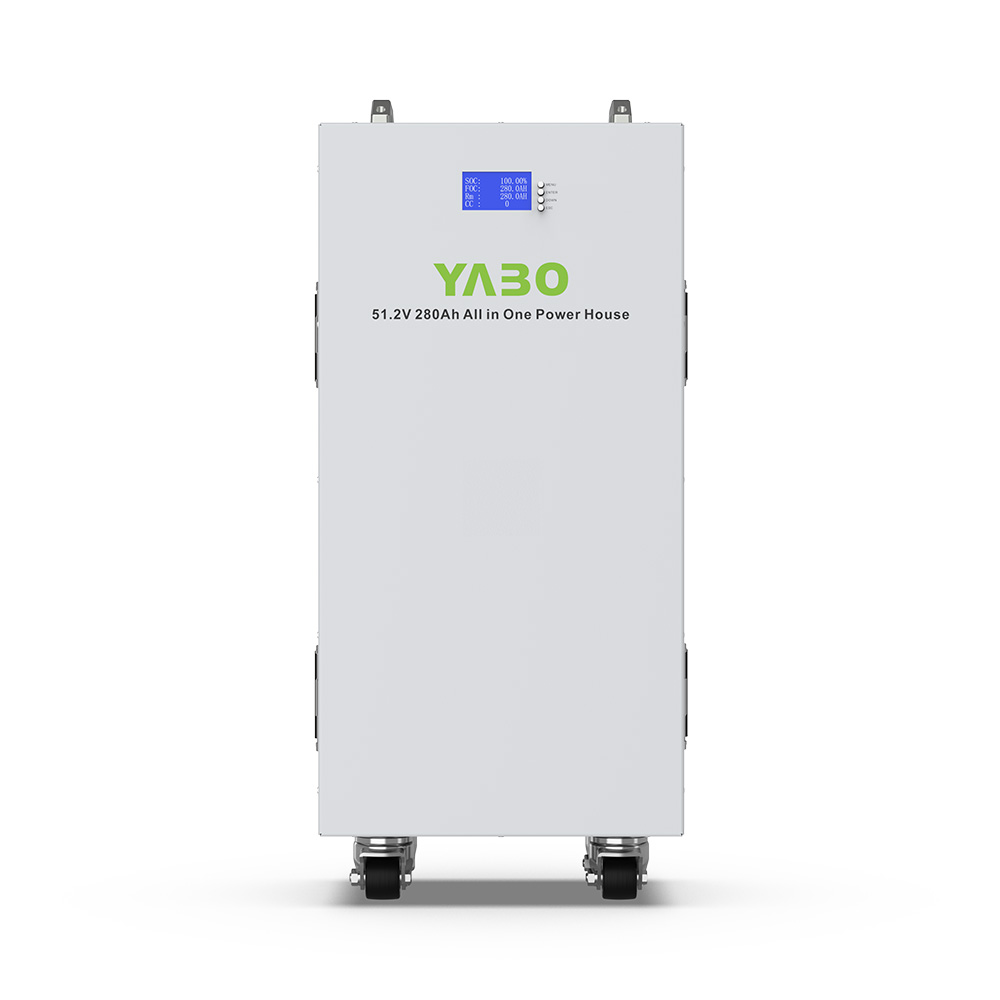
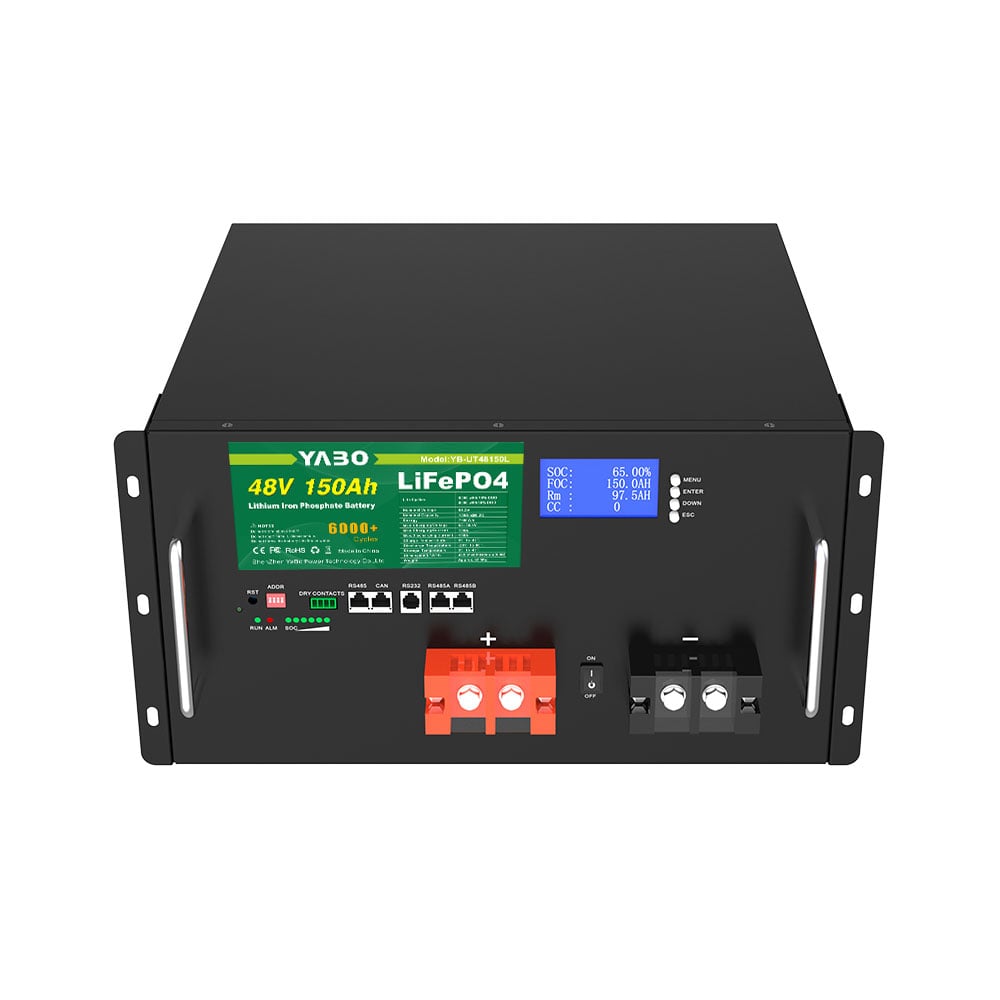
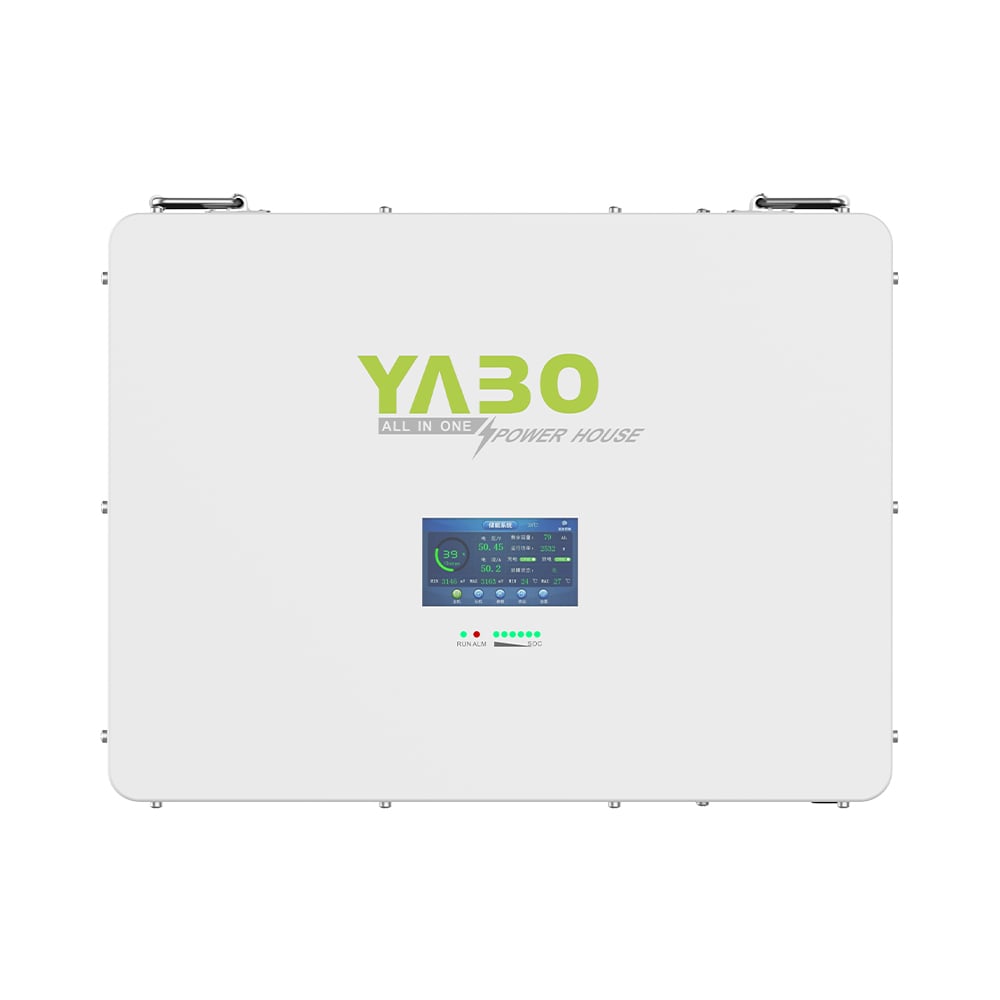
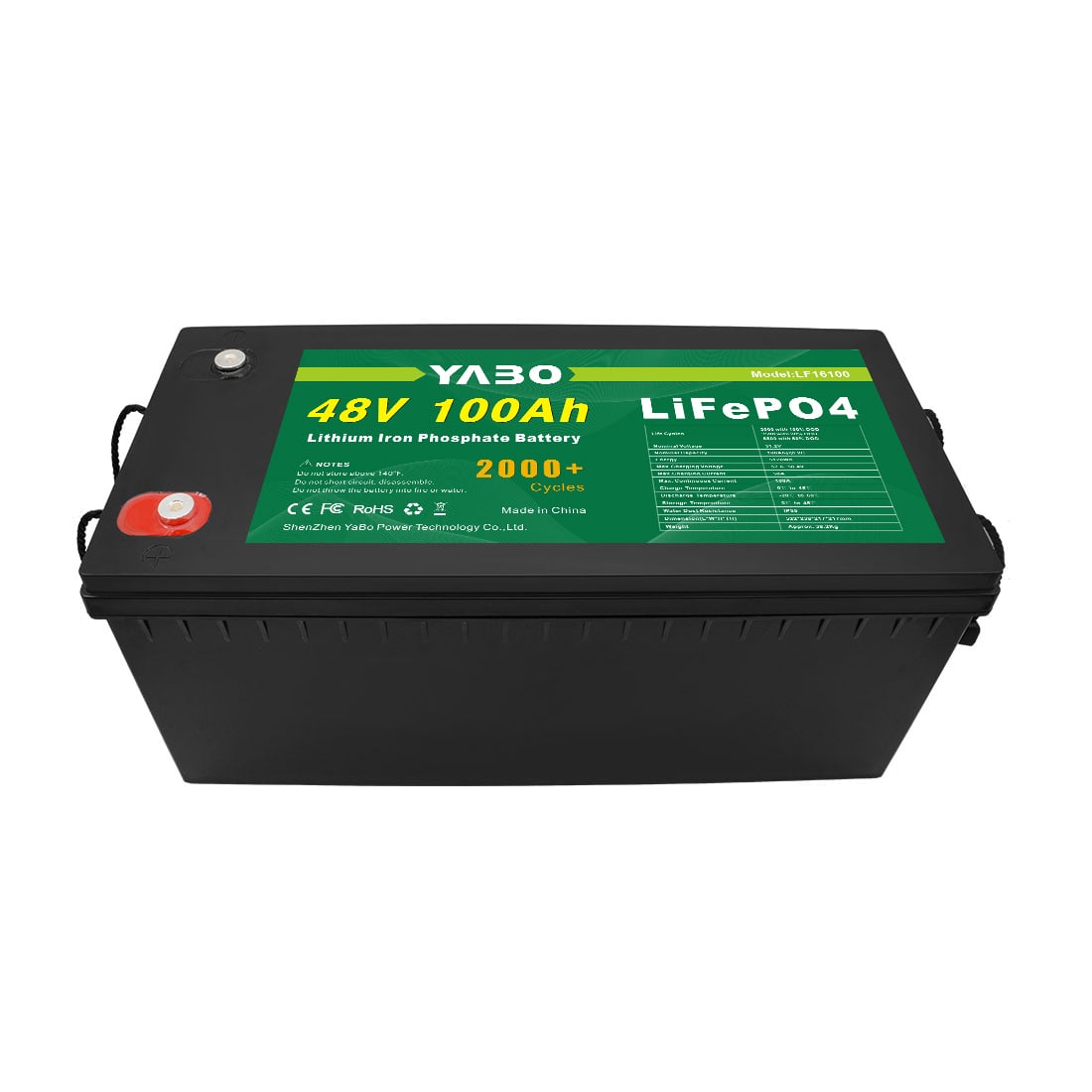
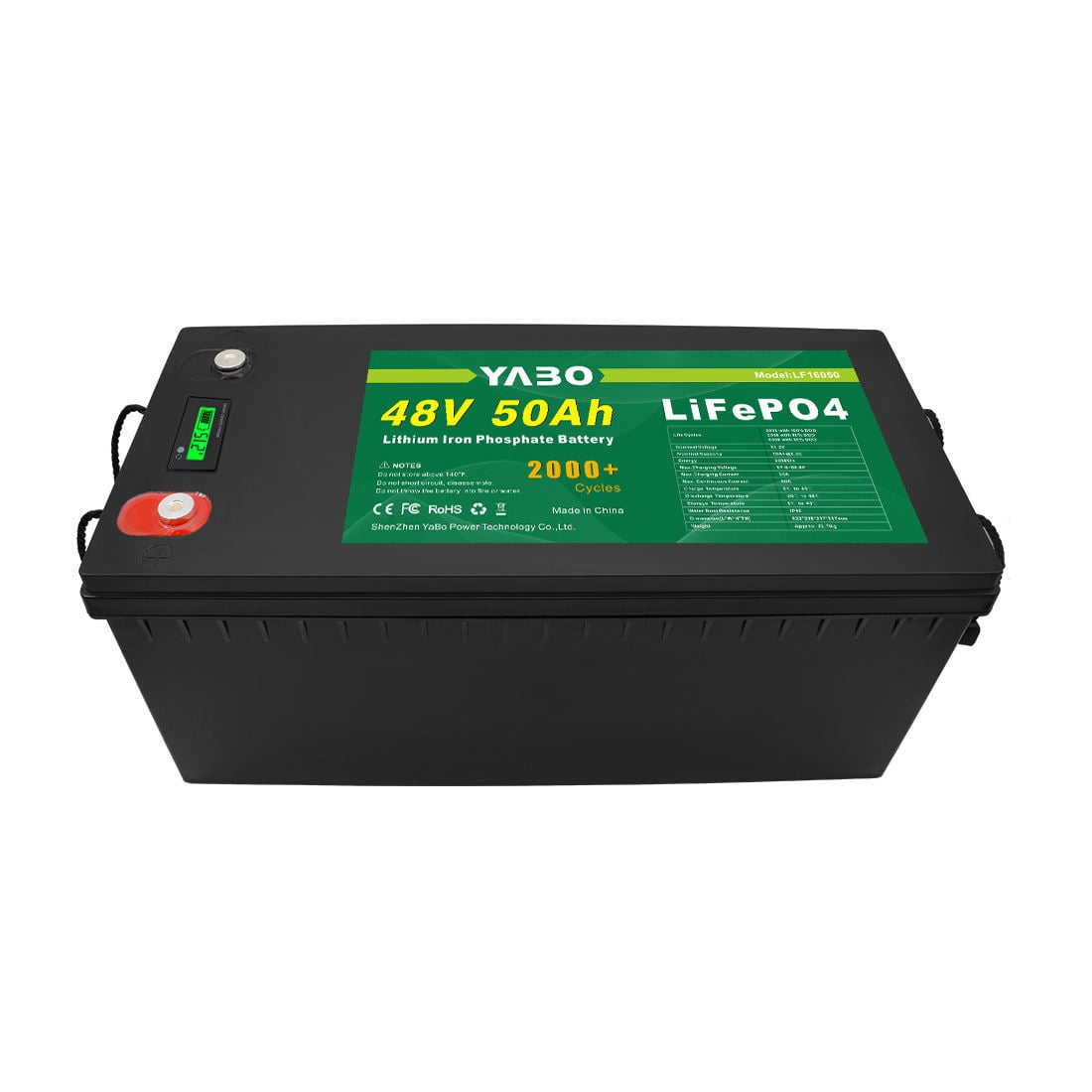
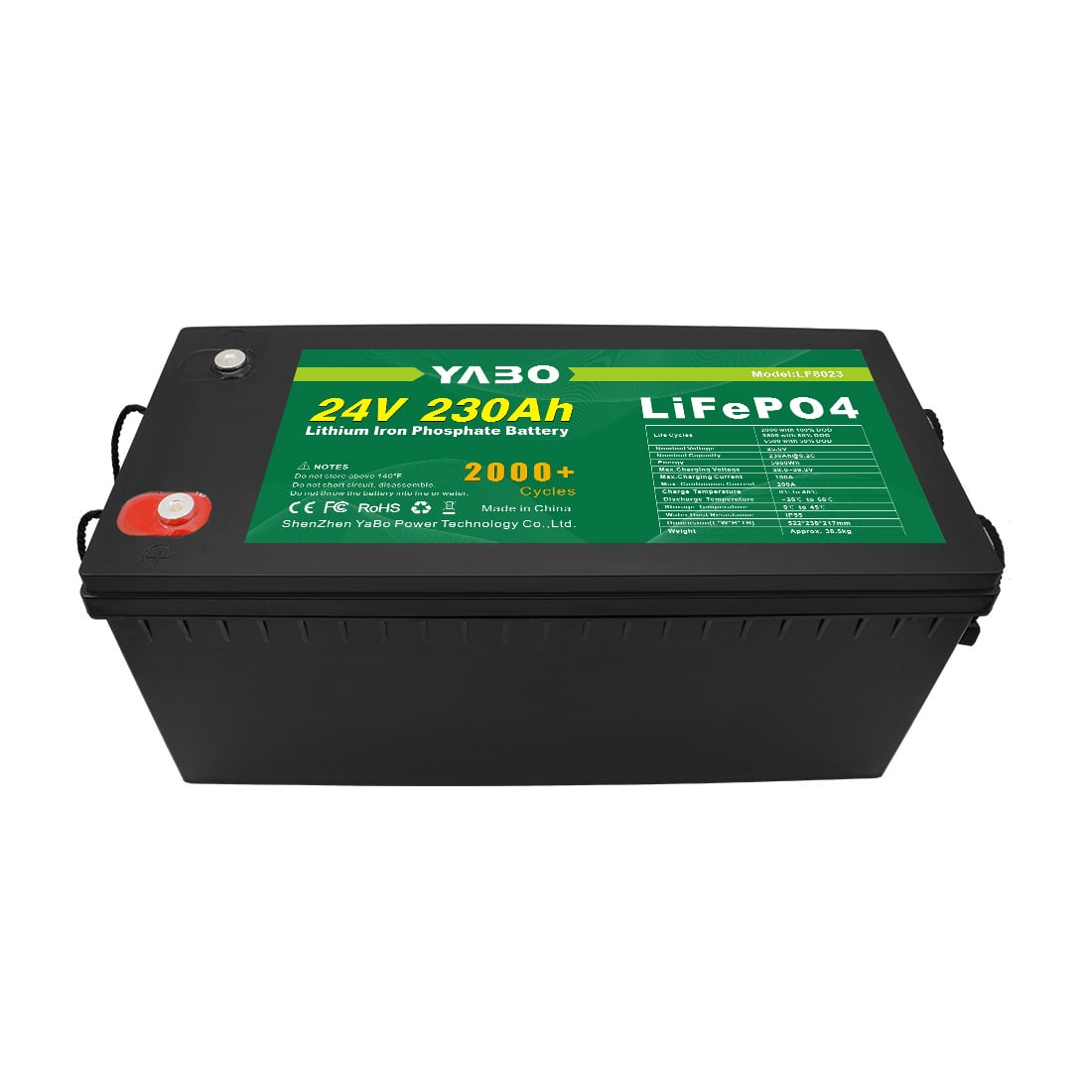
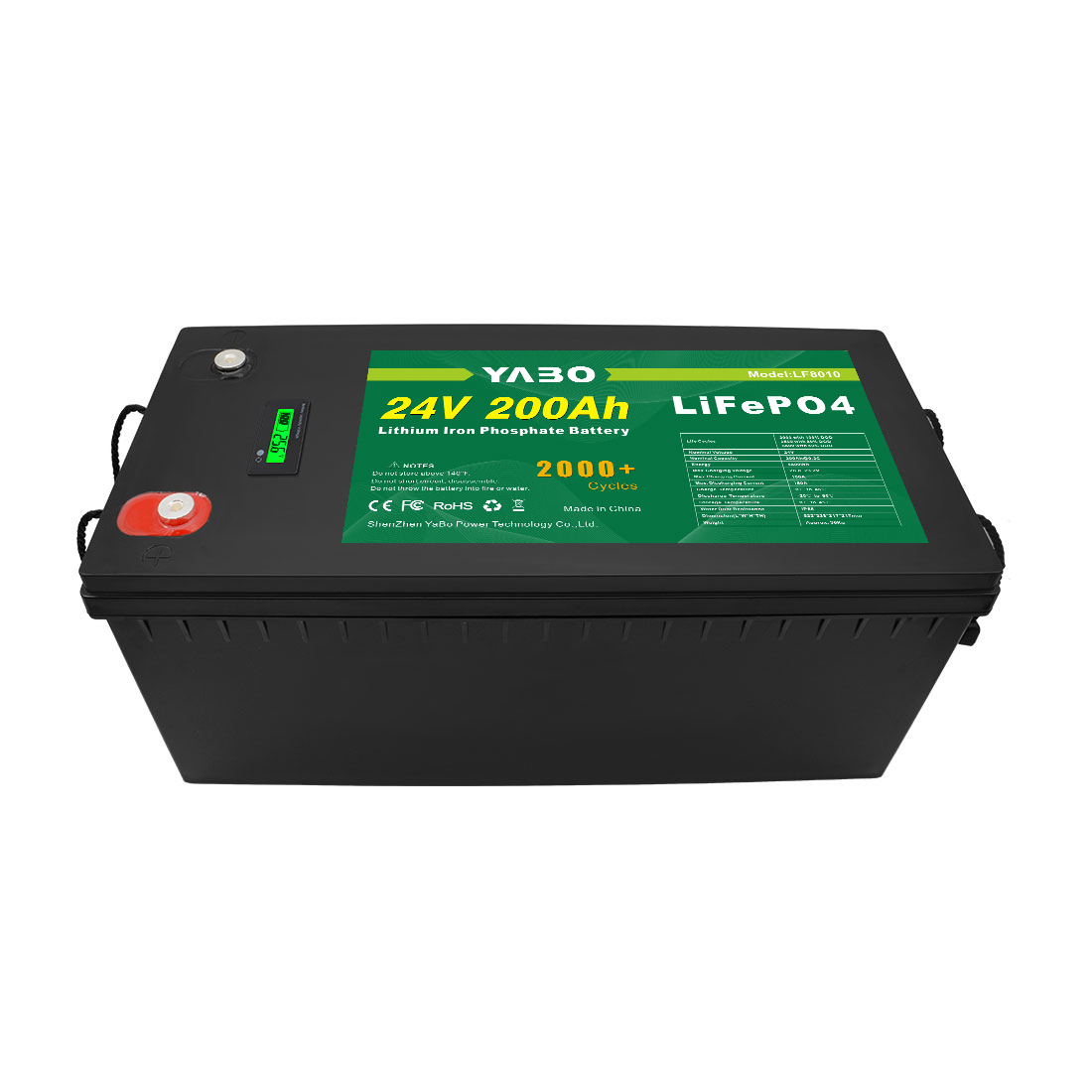
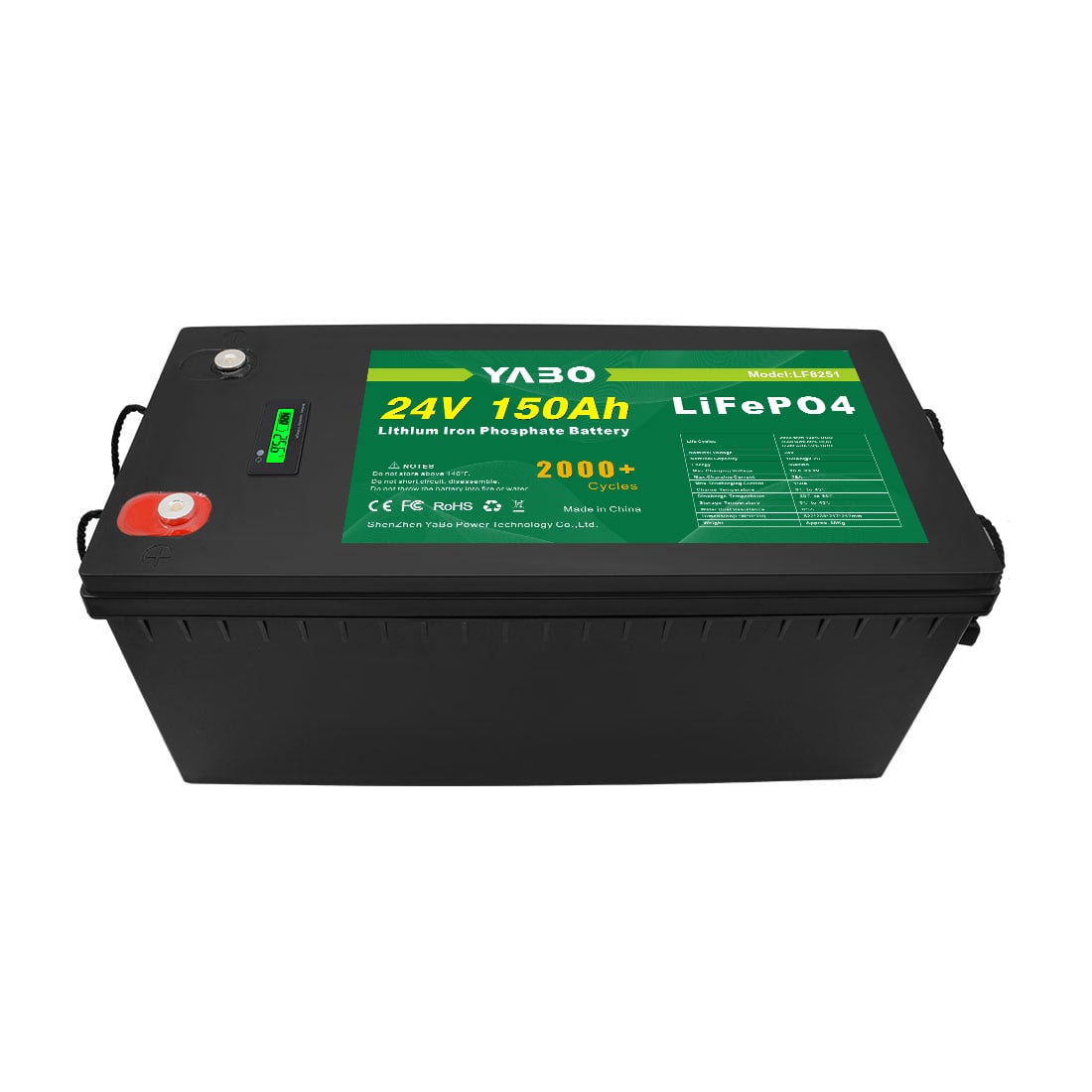
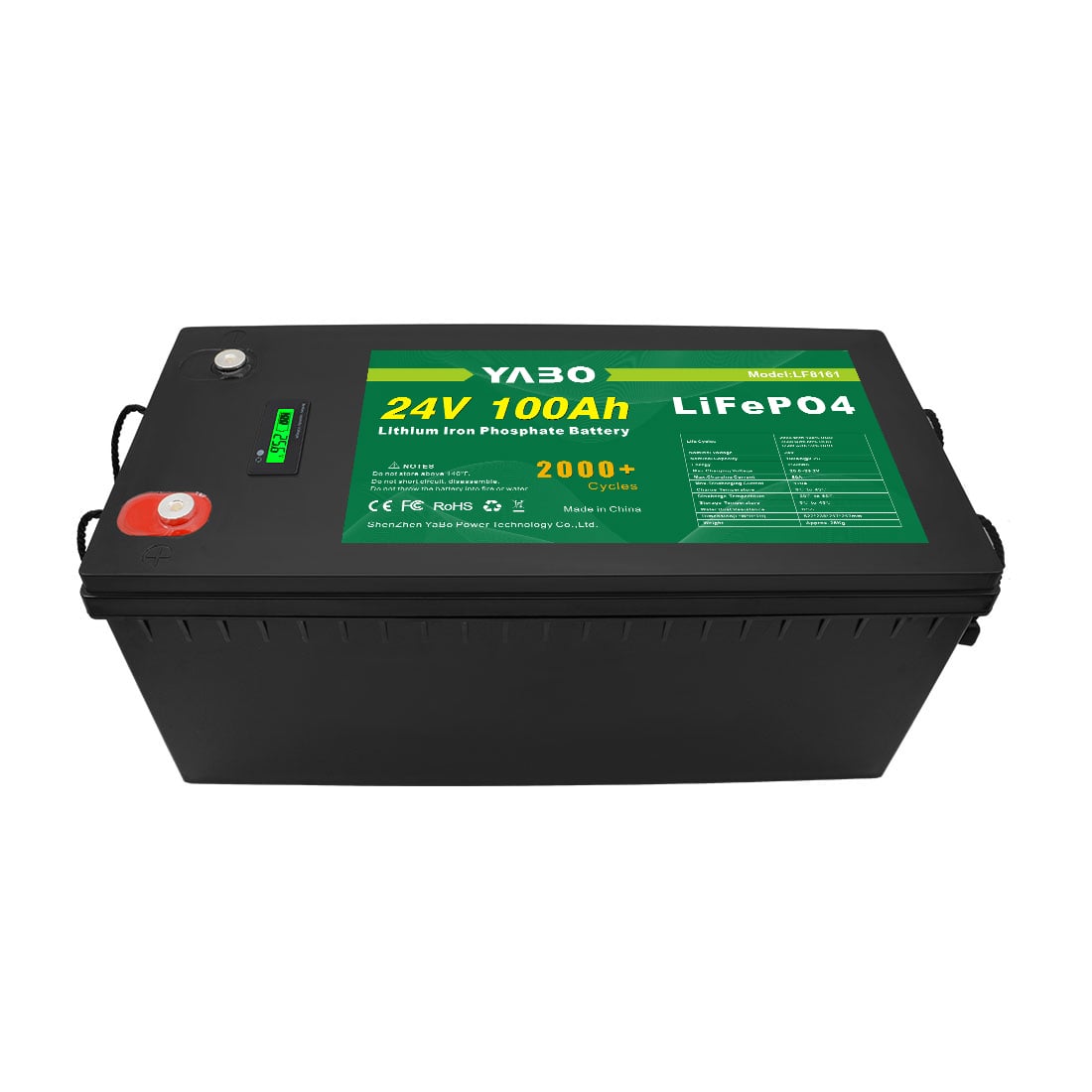
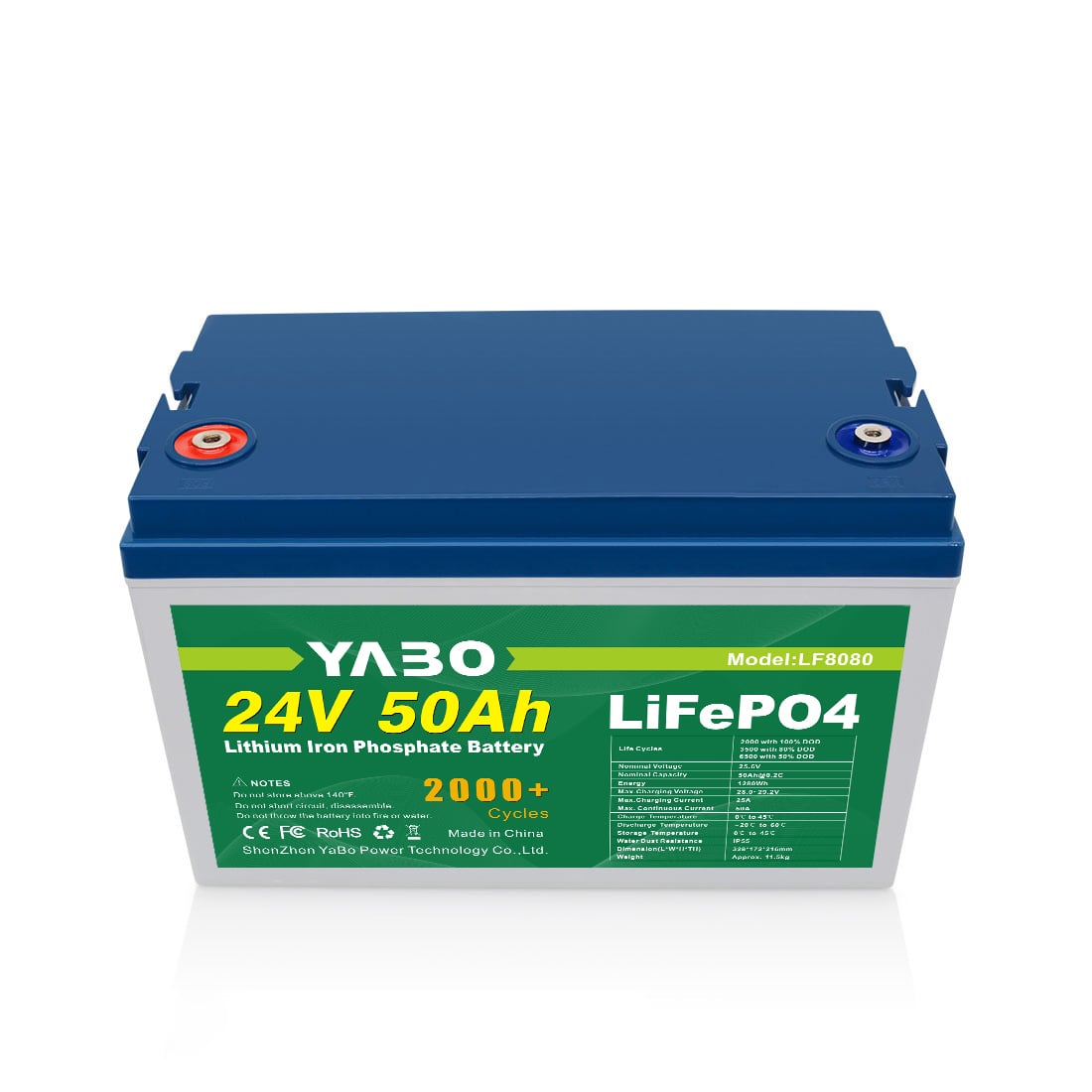
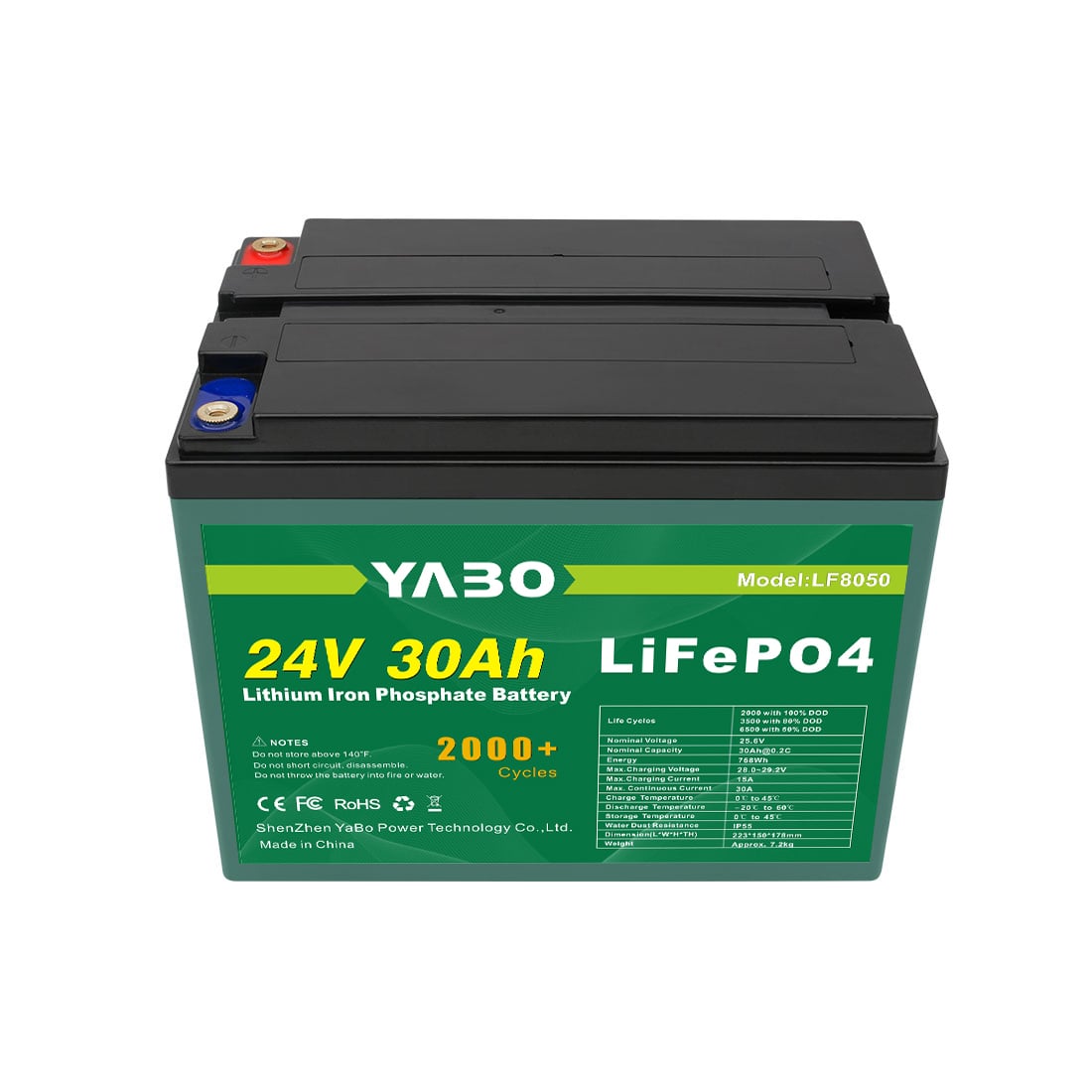
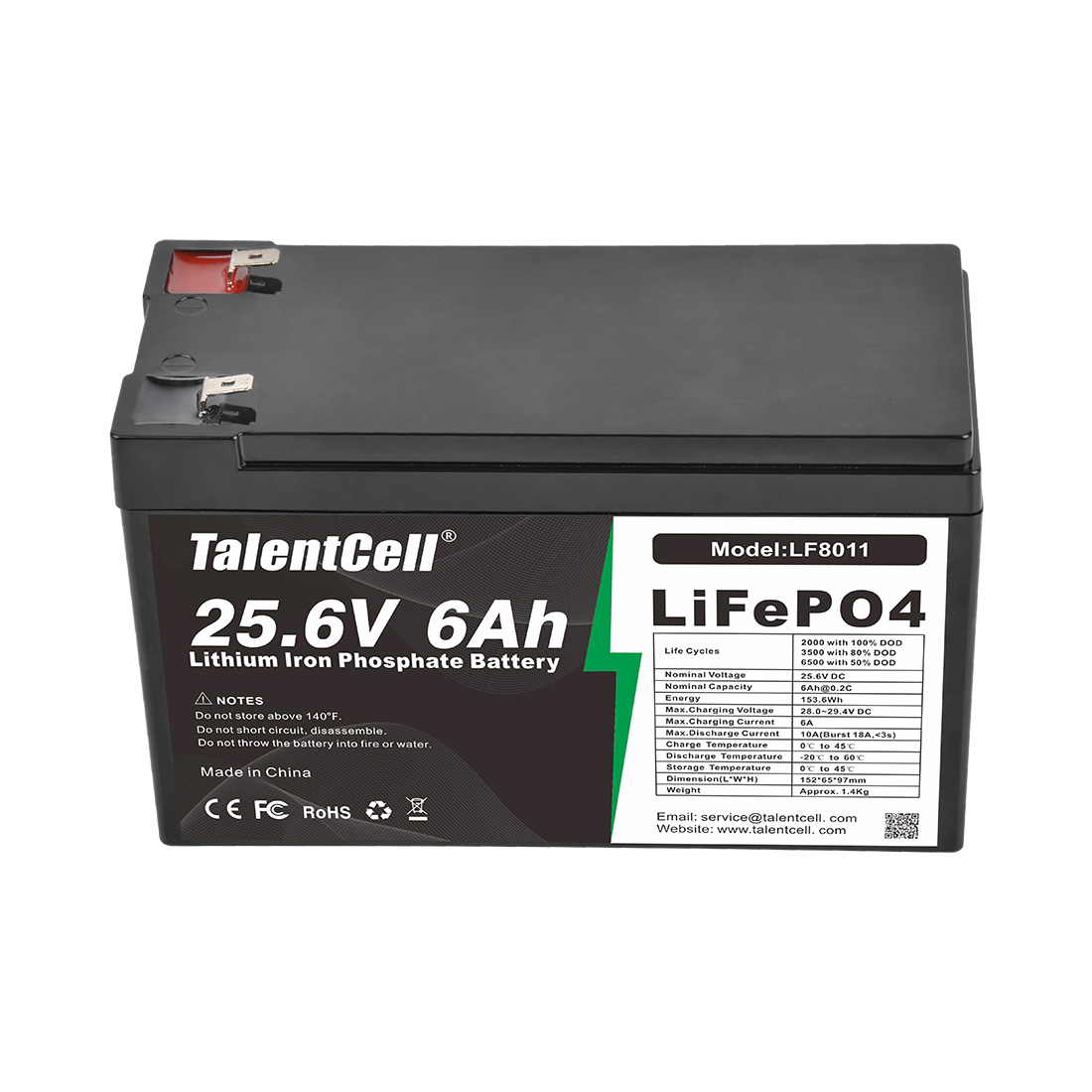

Shenzhen Yabo Power Technology Co., Ltd. provides custom LiFePO4 battery packs for solar, home energy storage, and industrial applications. 25+ years of expertise, ISO 9001 & CE certified. Trusted by Fortune 500 companies. Request a sample today.
No.252 Pinglong East Road, Fenghuang Community, Pinghu Street, Longgang District, Shenzhen
Copyright © 2026 Shenzhen Yabo Power Technology Co., Ltd. All rights reserved Privacy Policy
 EN
EN