lifepo4 battery capacity
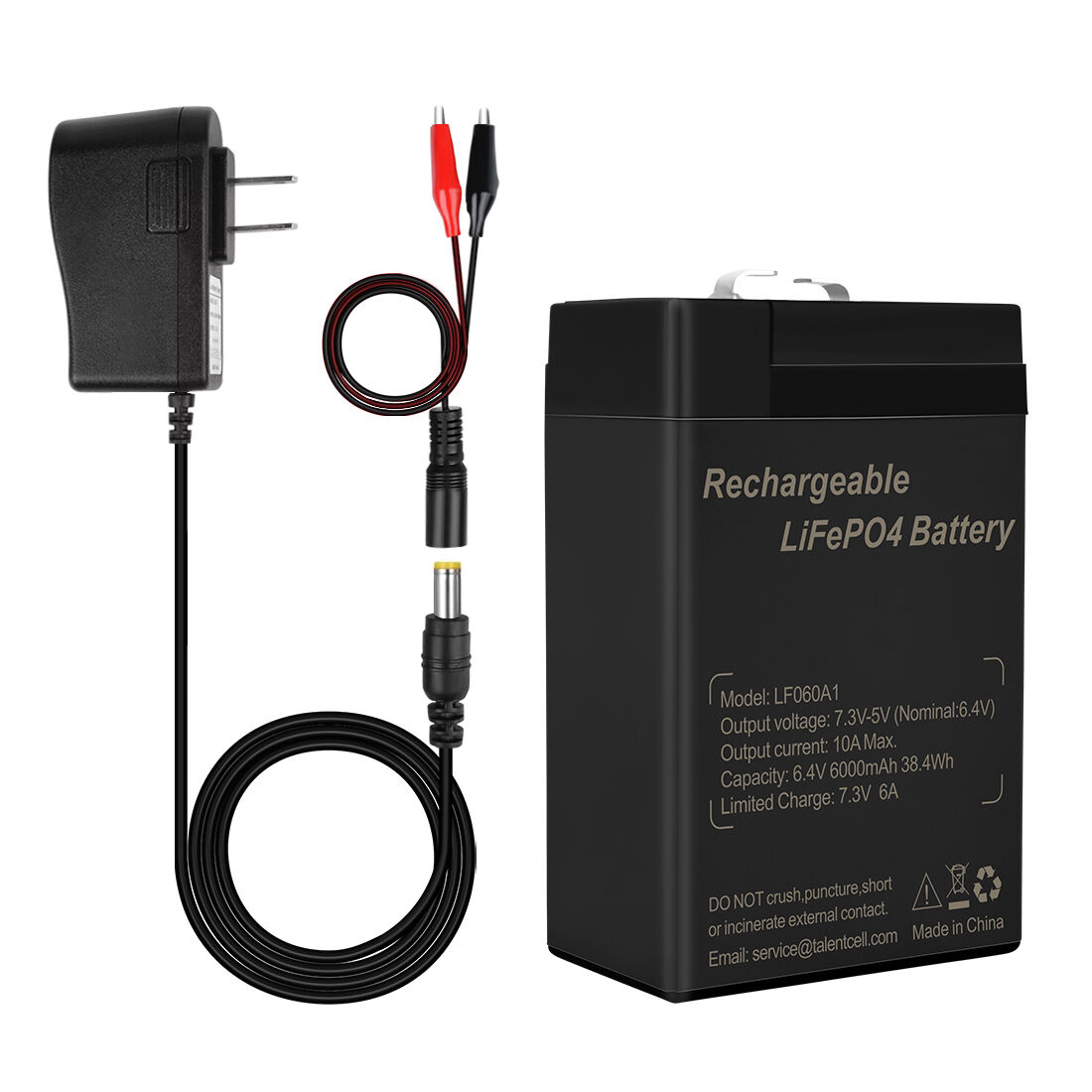
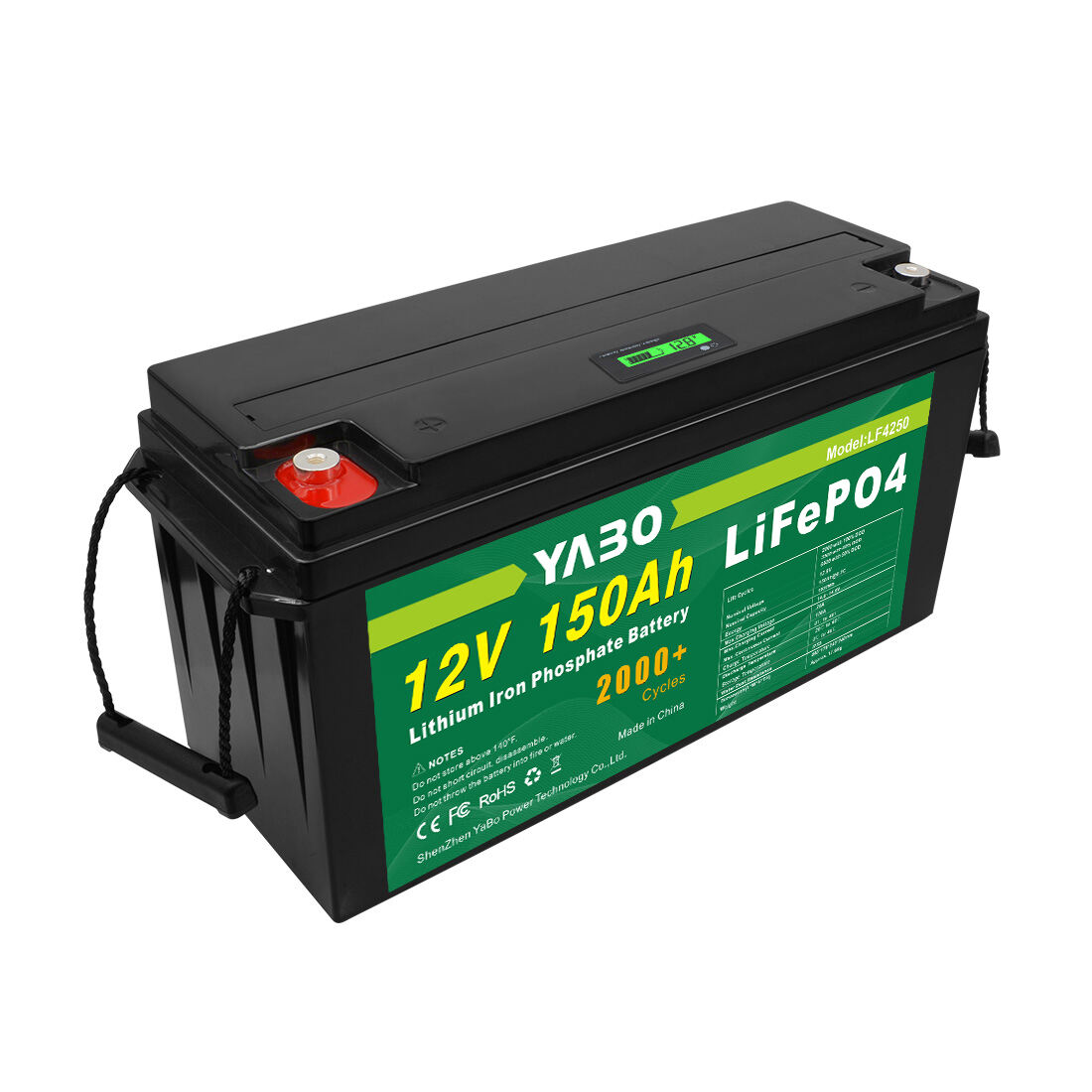
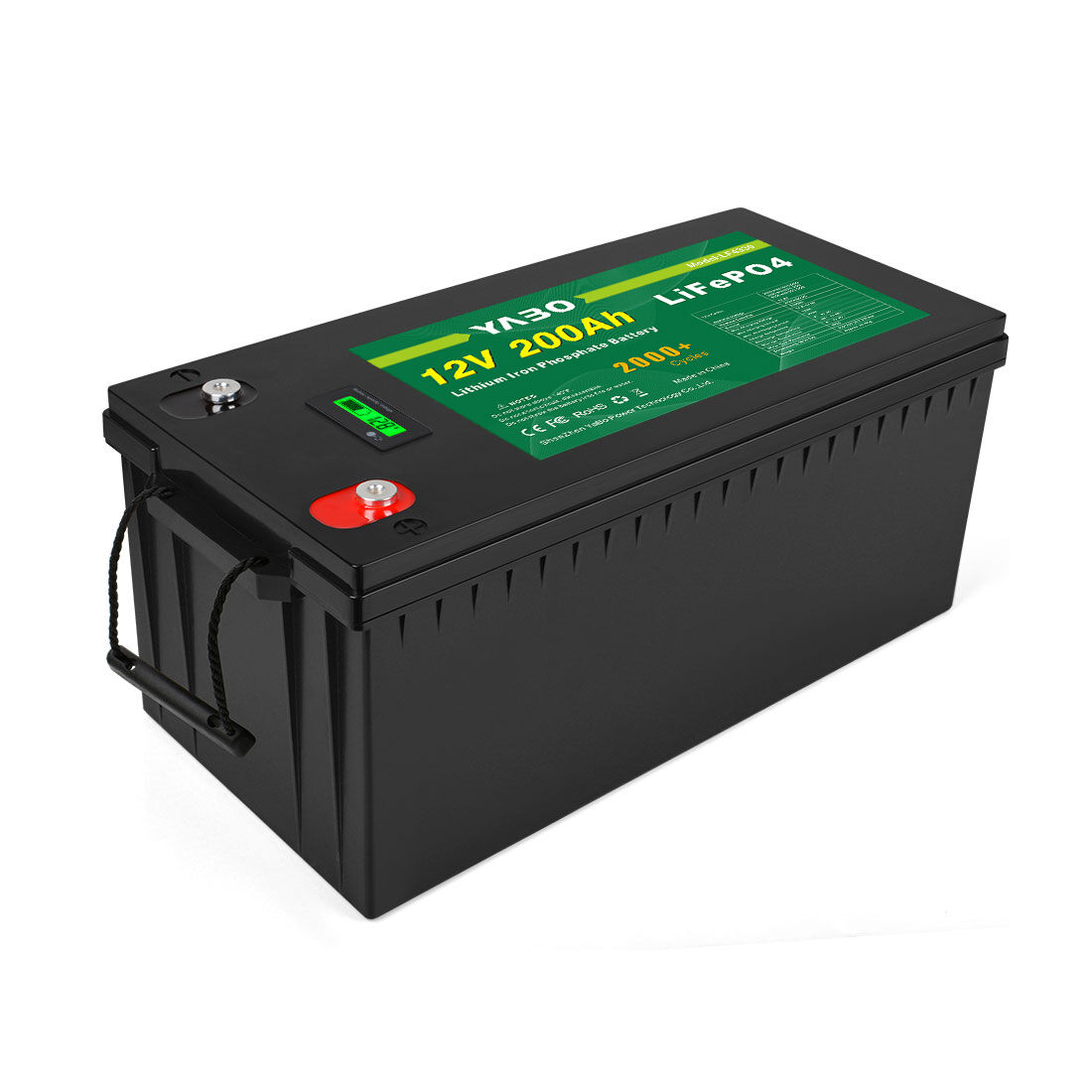
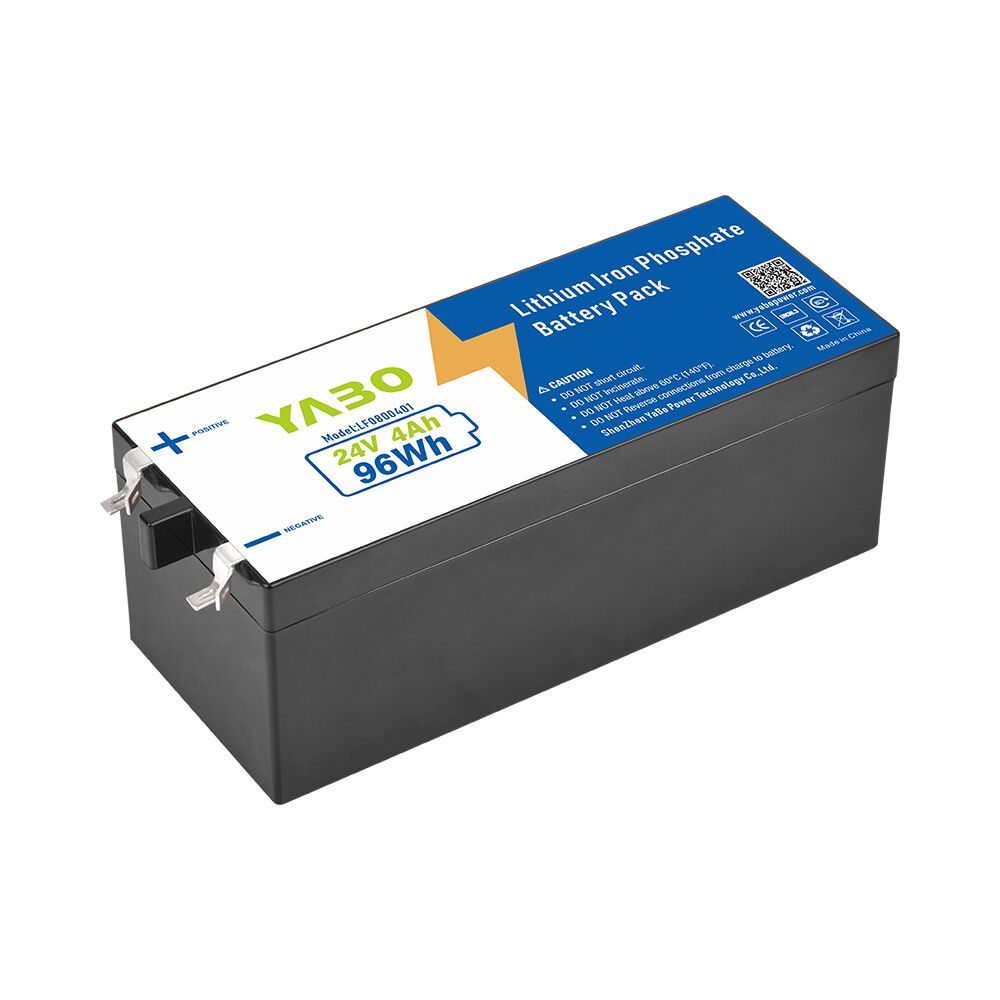
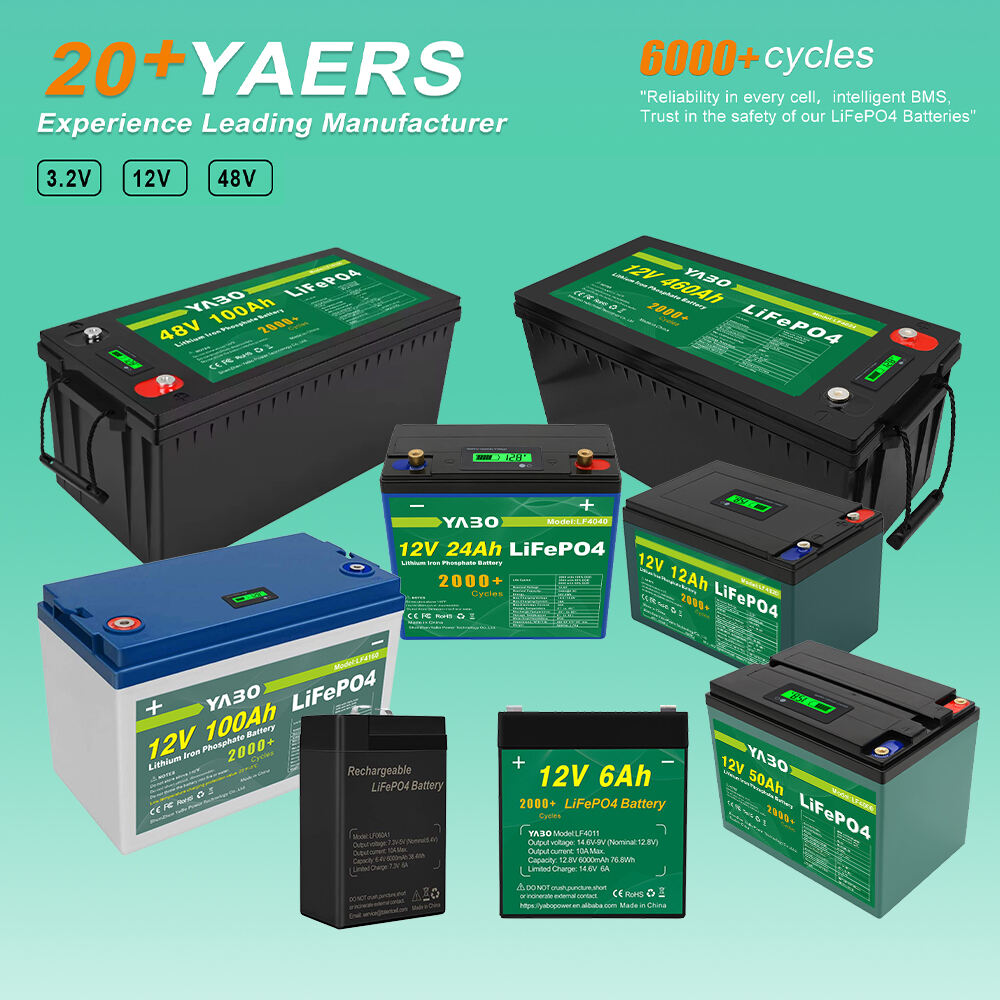
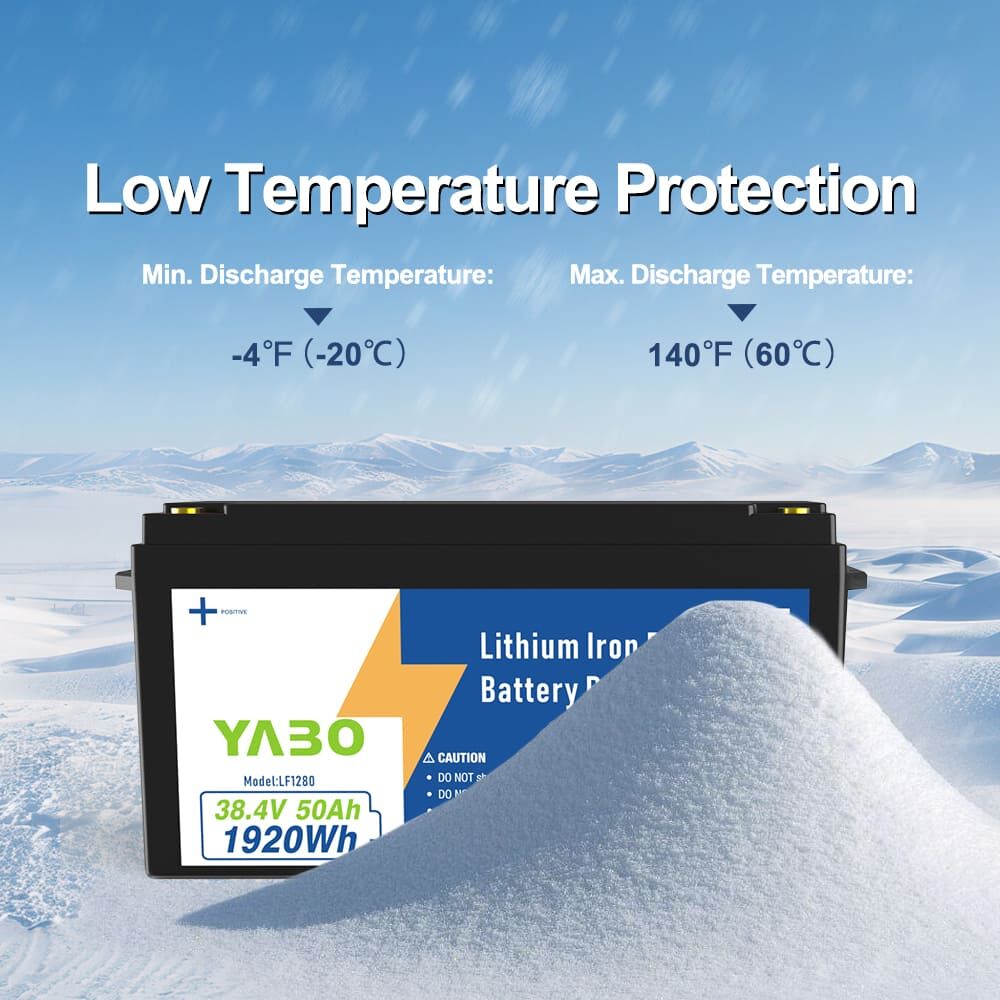
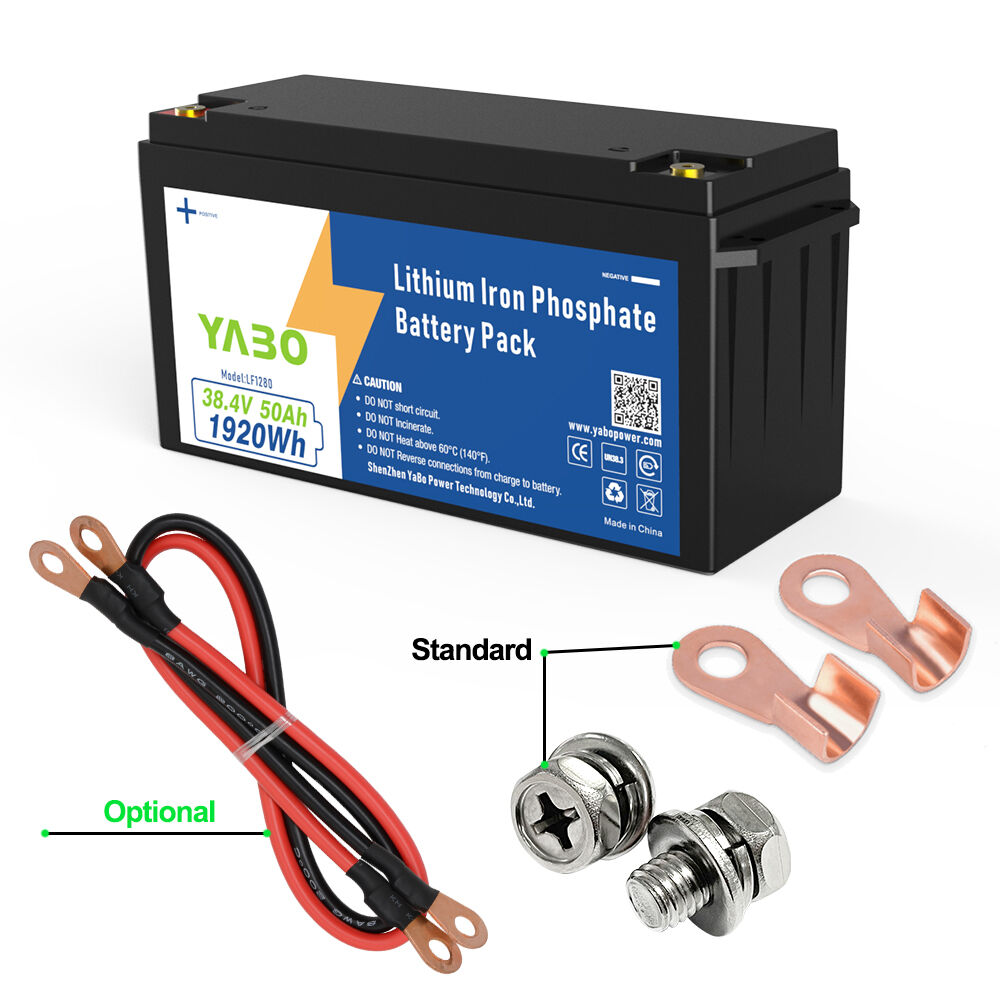
LiFePO4 battery capacity represents a revolutionary advancement in energy storage technology that has transformed how we approach portable power solutions. Lithium Iron Phosphate batteries deliver exceptional capacity performance through their unique chemical composition and advanced engineering design. The lifepo4 battery capacity offers superior energy density compared to traditional lead-acid batteries while maintaining remarkable stability and safety characteristics. These batteries utilize lithium iron phosphate as the cathode material, creating a robust electrochemical system that provides consistent power output throughout extended discharge cycles. The main functions of lifepo4 battery capacity include storing electrical energy efficiently, delivering sustained power for extended periods, and maintaining voltage stability under varying load conditions. Technological features encompass advanced thermal management systems, integrated battery management systems for optimal performance monitoring, and sophisticated cell balancing mechanisms that ensure uniform capacity utilization across all battery cells. The lifepo4 battery capacity demonstrates exceptional cycle life performance, typically exceeding 3000 charge-discharge cycles while retaining over 80 percent of original capacity. Applications span across diverse industries including renewable energy storage systems, electric vehicle powertrains, marine applications, recreational vehicles, backup power systems, and industrial equipment. Solar energy installations particularly benefit from lifepo4 battery capacity due to excellent deep discharge tolerance and rapid charging capabilities. The technology incorporates intelligent charging algorithms that optimize capacity retention while preventing overcharging conditions that could compromise battery longevity. Environmental considerations make lifepo4 battery capacity an attractive choice, as these batteries contain no toxic heavy metals and demonstrate excellent recyclability characteristics. Temperature tolerance ranges allow operation in extreme conditions while maintaining stable capacity performance, making them suitable for outdoor applications and harsh industrial environments.



 EN
EN