No.252 Pinglong East Road, Fenghuang Community, Pinghu Street, Longgang District, Shenzhen +86-18029030625 [email protected]
No.252 Pinglong East Road, Fenghuang Community, Pinghu Street, Longgang District, Shenzhen +86-18029030625 [email protected]

In recent years, LiFePO4 batteries (Lithium Iron Phosphate) have emerged as a game-changer in the energy storage sector, capturing significant attention for their superior safety, long lifespan, and eco-friendly attributes. As the global push for sustainable and efficient power solutions intensifies—driven by the growth of renewable energy, electric vehicles (EVs), and off-grid applications—grasping the fundamentals of LiFePO4 batteries has become essential for consumers, industry professionals, and anyone invested in the future of energy. These batteries have redefined expectations for reliability and performance, making them a cornerstone of the transition to a greener, more resilient energy landscape.
1. What is a LiFePO4 Battery?
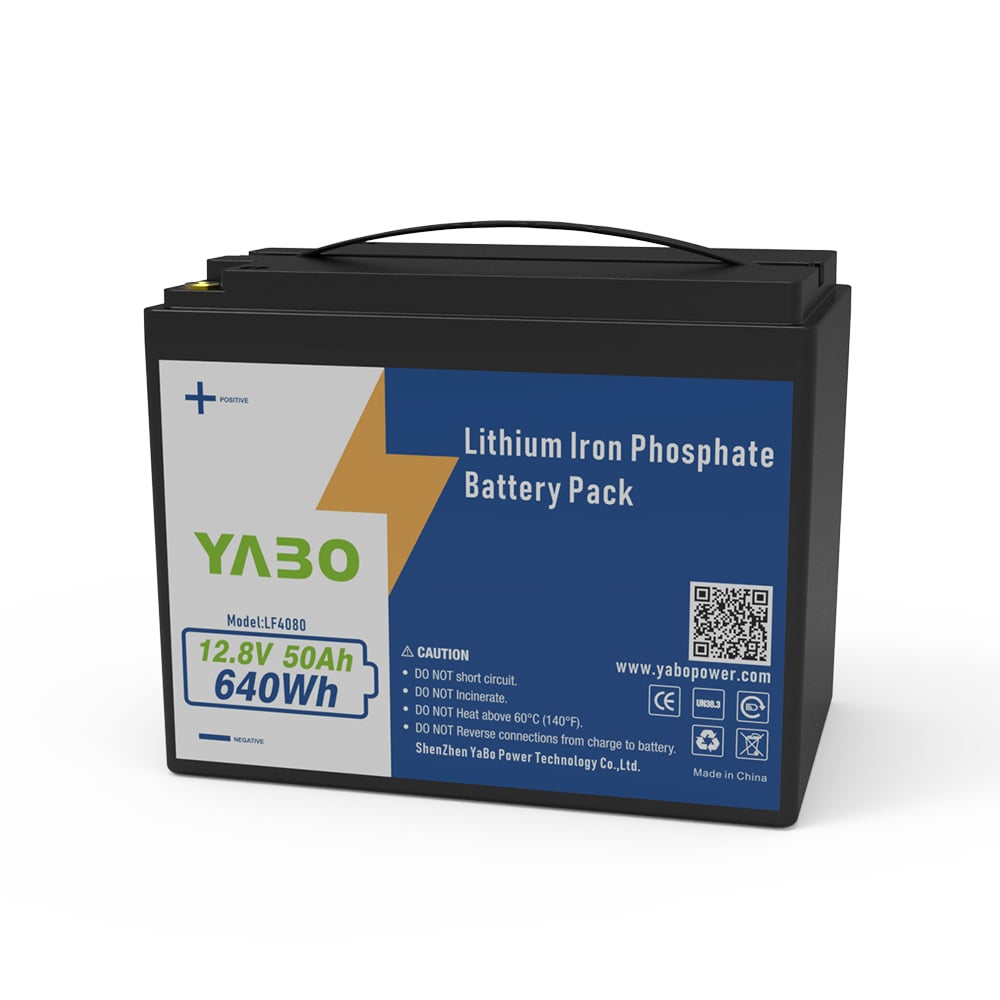
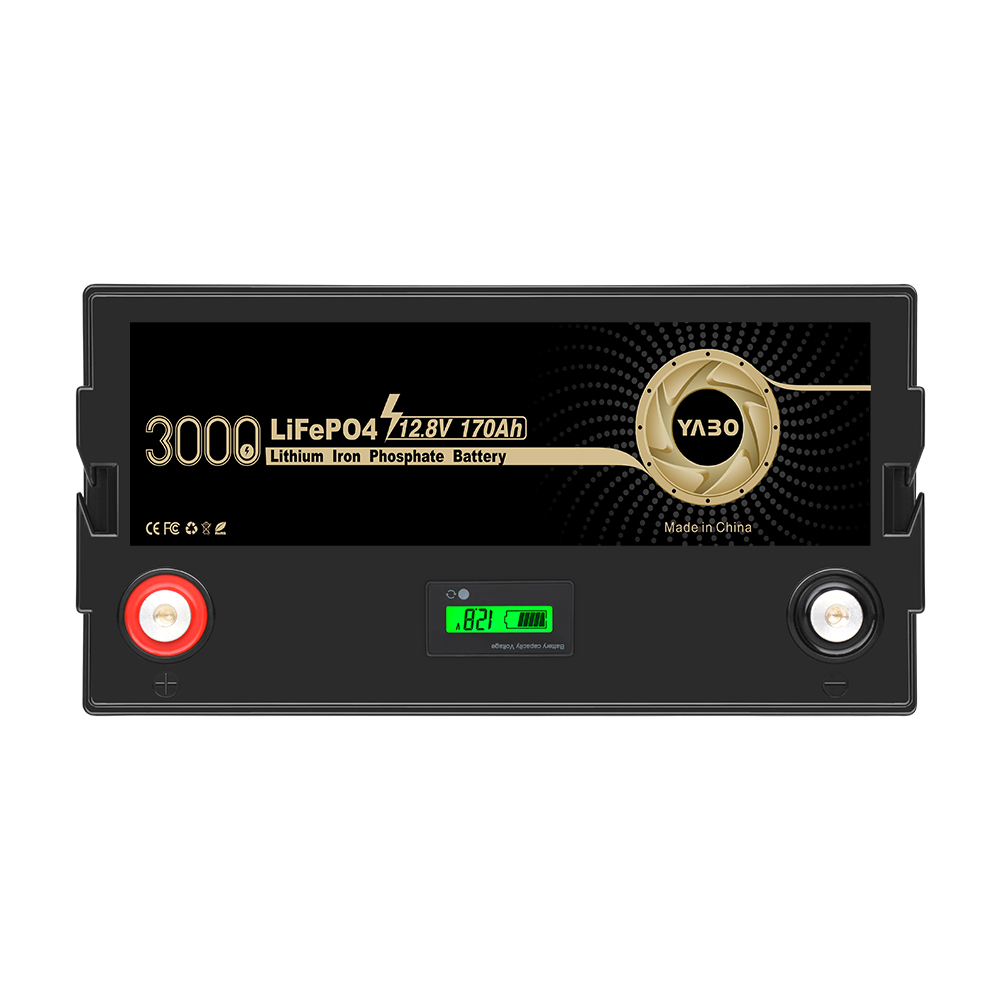
A LiFePO4 battery is a specialized type of lithium-ion battery distinguished by its cathode material: lithium iron phosphate (LiFePO4). Unlike conventional lithium-ion batteries that use cobalt, nickel, or manganese-based cathodes, LiFePO4’s chemical composition prioritizes stability and durability. The cathode’s crystalline structure, formed by strong covalent bonds between lithium, iron, phosphorus, and oxygen, gives the battery its unique set of advantages—setting it apart from other lithium-ion variants in terms of safety, thermal resilience, and cycle life. While it falls under the lithium-ion umbrella, its distinct chemistry makes it a category of its own, tailored for applications where long-term reliability and safety are non-negotiable.
2. Safety and Stability
Safety is the standout advantage of LiFePO4 batteries, making them a top choice for high-risk and large-scale applications. Unlike cobalt-based lithium-ion batteries, which are prone to thermal runaway—a dangerous chain reaction causing overheating, fires, or explosions when damaged, overcharged, or exposed to extreme temperatures—LiFePO4 batteries exhibit exceptional thermal stability. Their cathode structure resists decomposition even at temperatures exceeding 200°C, significantly reducing the risk of catastrophic failure.
This inherent safety eliminates the need for complex, costly safety mechanisms (such as advanced thermal management systems) required by other battery types. Whether used in EVs navigating busy highways, residential solar storage systems installed in homes, or industrial backup power setups, LiFePO4 batteries provide peace of mind. Their ability to operate safely across a wide temperature range (-20°C to 60°C) further enhances their versatility, performing reliably in freezing winter conditions and scorching summer heat.
3. Longevity and Durability
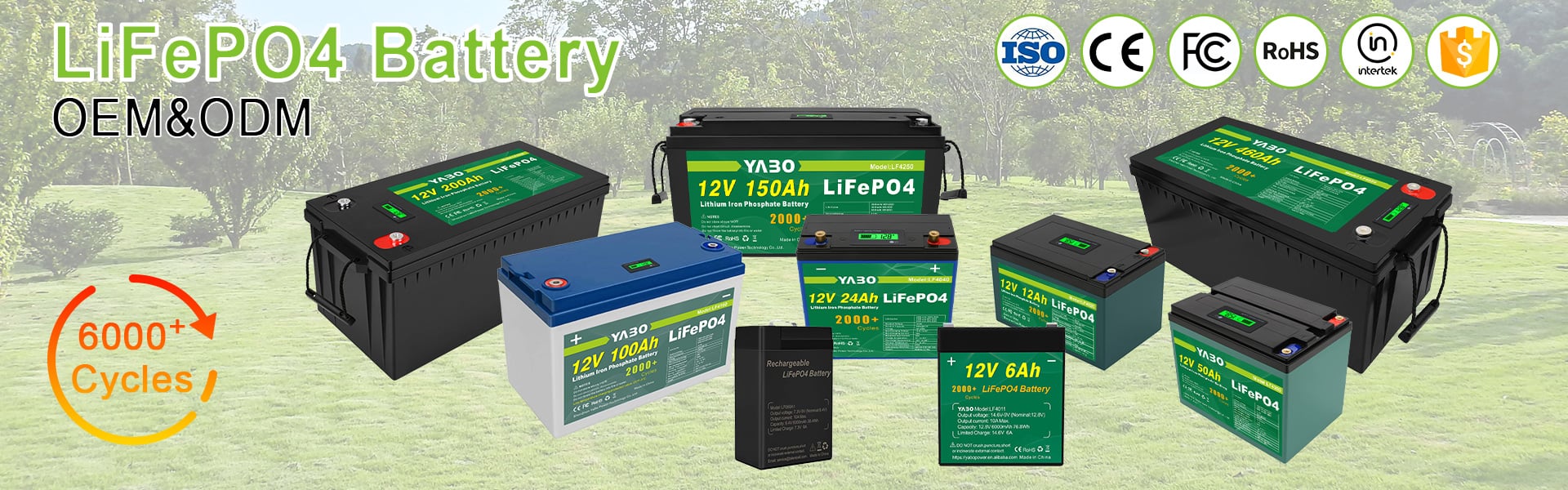
LiFePO4 batteries are renowned for their impressive lifespan, outperforming traditional lithium-ion batteries by a substantial margin. A high-quality LiFePO4 battery can endure 2,000 to 5,000 deep charge-discharge cycles (retaining 80% of its original capacity), with premium models even reaching 6,000+ cycles. In practical terms, this translates to a service life of 10–15 years for most applications, depending on usage patterns.
By contrast, conventional lithium-ion batteries typically degrade after 500 to 1,000 cycles, lasting just 3–5 years. This durability stems from the LiFePO4 cathode’s resistance to structural damage during charge-discharge cycles, preventing the capacity fade that plagues other batteries. The extended lifespan makes LiFePO4 batteries cost-effective in the long run, as fewer replacements are needed—reducing maintenance costs and downtime for both consumers and businesses.
4. Environmental Impact
In an era of growing environmental awareness, LiFePO4 batteries stand out as a more sustainable choice. Unlike traditional lithium-ion batteries that rely on toxic heavy metals like cobalt and nickel—mining of which causes severe environmental damage (deforestation, water pollution) and human rights concerns—LiFePO4 batteries are free of these harmful materials. Their composition (lithium, iron, phosphorus, oxygen) is non-toxic and far easier to recycle.
Iron and phosphorus, key components of the cathode, can be recovered and reused in new batteries or other industries, reducing reliance on virgin raw materials. Additionally, their long lifespan means fewer batteries end up in landfills, minimizing electronic waste. This eco-friendly profile aligns with global efforts to reduce carbon emissions and transition to a circular economy, making LiFePO4 batteries a responsible choice for environmentally conscious users.
5. Performance
LiFePO4 batteries deliver consistent, reliable performance across a range of conditions. They maintain a stable voltage output throughout the discharge cycle, ensuring consistent power delivery for devices and systems—critical for applications like medical equipment, EV motors, and solar inverters. Their ability to deliver high discharge currents (often 1C to 3C, with some models supporting 5C+) makes them suitable for high-demand scenarios, such as powering electric tools or emergency backup systems.
Unlike some battery types that suffer significant efficiency losses in extreme temperatures, LiFePO4 batteries retain 80–90% of their capacity even in freezing conditions (-20°C) and perform well in high heat (up to 60°C). This temperature resilience makes them ideal for outdoor applications, from RVs and marine vessels to off-grid solar setups in remote locations.
6. Applications
The versatility of LiFePO4 batteries has led to their adoption across a wide range of sectors:
7. Charging and Maintenance
Charging a LiFePO4 battery is straightforward and similar to other lithium-ion batteries, but with added benefits. They have a more stable voltage during charging (typically 3.2V per cell), which simplifies the charging process and reduces the risk of overcharging. Most LiFePO4 batteries can be charged with standard lithium-ion chargers, though dedicated LiFePO4 chargers are recommended to optimize performance and lifespan.
Maintenance requirements are minimal compared to other battery types (such as lead-acid batteries). Key practices include: monitoring charge levels to avoid deep discharge (though LiFePO4 batteries handle deep discharge better than most), storing the battery in a cool, dry place, and avoiding exposure to extreme temperatures or physical damage. Unlike lead-acid batteries, LiFePO4 batteries do not require watering or equalization charging, saving time and effort for users.
8. Cost Considerations
While the initial cost of LiFePO4 batteries is higher than that of traditional lithium-ion or lead-acid batteries—often 20–50% more upfront—their long lifespan and minimal maintenance lead to lower total cost of ownership over time. For example, a LiFePO4 battery used in a solar system might cost twice as much as a lead-acid battery initially but last 3–4 times longer, resulting in significant savings over a decade.
The absence of expensive materials like cobalt also helps stabilize long-term costs, as LiFePO4 batteries are less vulnerable to price fluctuations in rare metal markets. As production scales up and technology advances, the upfront cost of LiFePO4 batteries is steadily decreasing, making them increasingly accessible to consumers and small businesses.
9. Future Prospects
The future of LiFePO4 batteries is bright, with ongoing research and development focused on enhancing their performance and reducing costs. Engineers are working to improve energy density—currently 90–160 Wh/kg, compared to 150–250 Wh/kg for cobalt-based lithium-ion batteries—which would expand their use in weight-sensitive applications like portable electronics and long-range EVs.
Advancements in manufacturing techniques, such as improved electrode designs and automated production processes, are driving down costs and increasing scalability. Additionally, LiFePO4 batteries are emerging as a key component in grid-scale energy storage, supporting the integration of renewable energy sources like wind and solar by storing excess power and releasing it during peak demand. As global efforts to combat climate change accelerate, LiFePO4 batteries are poised to become the preferred energy storage solution for a broader range of applications.
Conclusion
LiFePO4 batteries represent a significant advancement in energy storage technology, offering a winning combination of safety, longevity, environmental friendliness, and reliable performance. Their growing adoption across automotive, residential, industrial, and renewable energy sectors underscores their versatility and potential to shape the future of power. Whether you’re a homeowner looking to install a solar storage system, a business investing in EV fleets, or an industry professional exploring sustainable energy solutions, understanding the basics of LiFePO4 batteries is essential.
YaBo Power, with over ten years of experience in manufacturing LiFePO4 batteries, stands as a trusted leader in the industry. The company’s commitment to quality, innovation, and rigorous safety standards ensures that its batteries deliver consistent, reliable performance for a wide range of applications. By leveraging expertise in production and design, YaBo Power continues to push the boundaries of LiFePO4 technology, providing customers with energy storage solutions that are both efficient and sustainable. As the world transitions to a greener future, LiFePO4 batteries—and companies like YaBo Power—will play a pivotal role in powering this transformation.
 Hot News
2026-10-22
2026-09-29
2026-09-04
2026-08-05
2026-07-06
2026-06-09

Shenzhen Yabo Power Technology Co., Ltd. provides custom LiFePO4 battery packs for solar, home energy storage, and industrial applications. 25+ years of expertise, ISO 9001 & CE certified. Trusted by Fortune 500 companies. Request a sample today.
No.252 Pinglong East Road, Fenghuang Community, Pinghu Street, Longgang District, Shenzhen
Copyright © 2026 Shenzhen Yabo Power Technology Co., Ltd. All rights reserved Privacy Policy
 EN
EN