Long-Life Hybrid Car Battery Technology: Ultimate Guide to Benefits, Features & Performance

No.252 Pinglong East Road, Fenghuang Community, Pinghu Street, Longgang District, Shenzhen +86-18576759460 [email protected]

Get a Free Quote

Our representative will contact you soon.
Email
Name
Company Name
Message
0/1000

long-life hybrid car battery

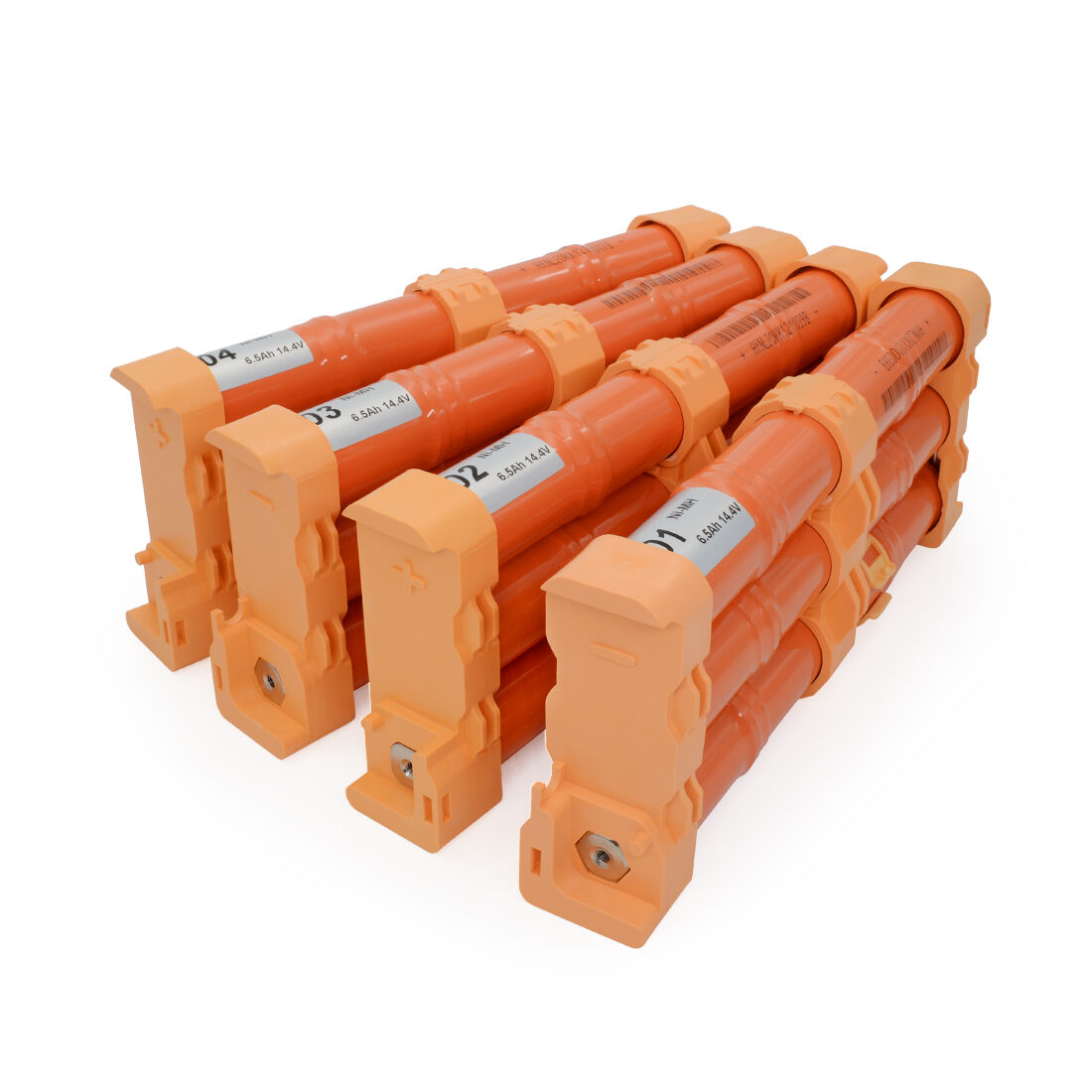
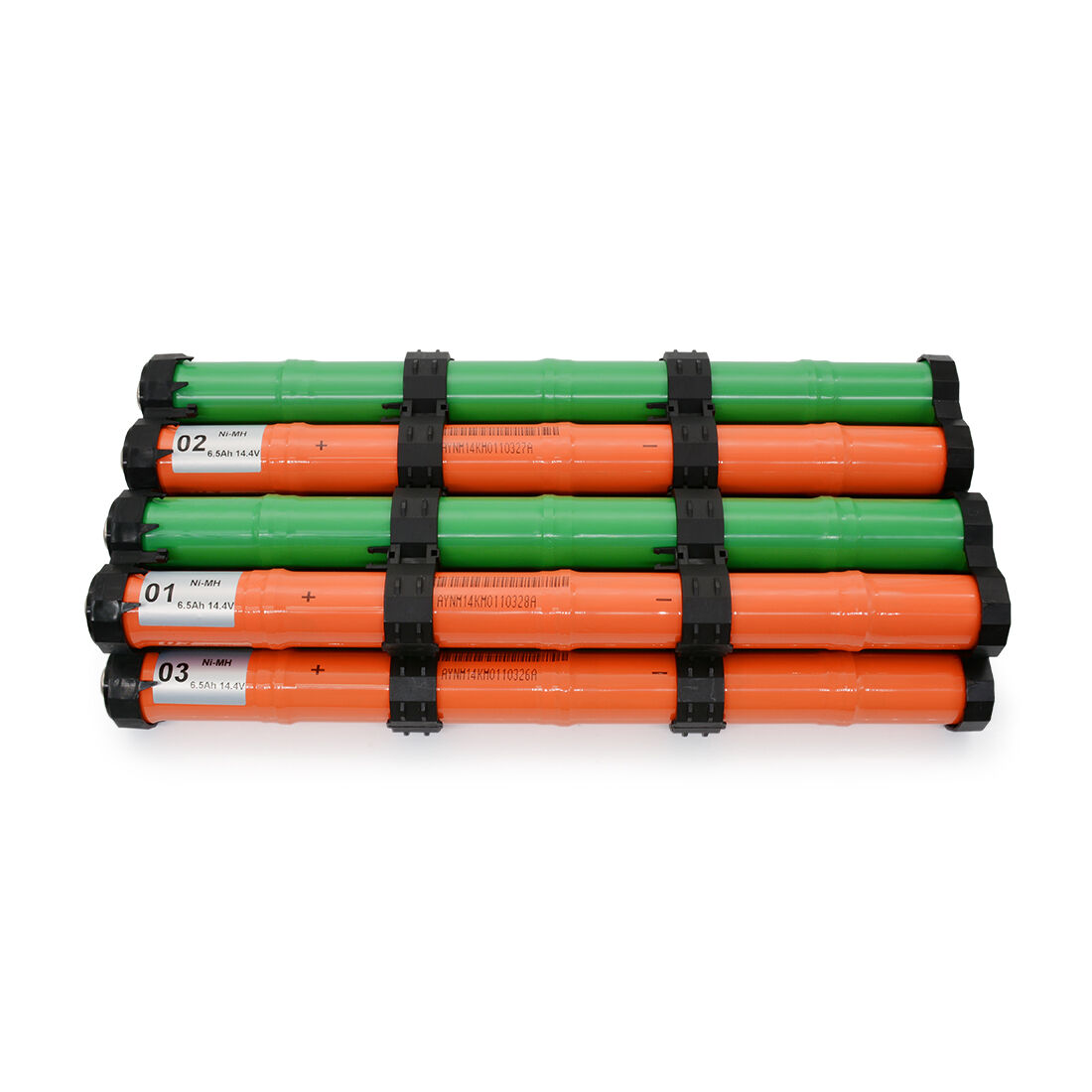
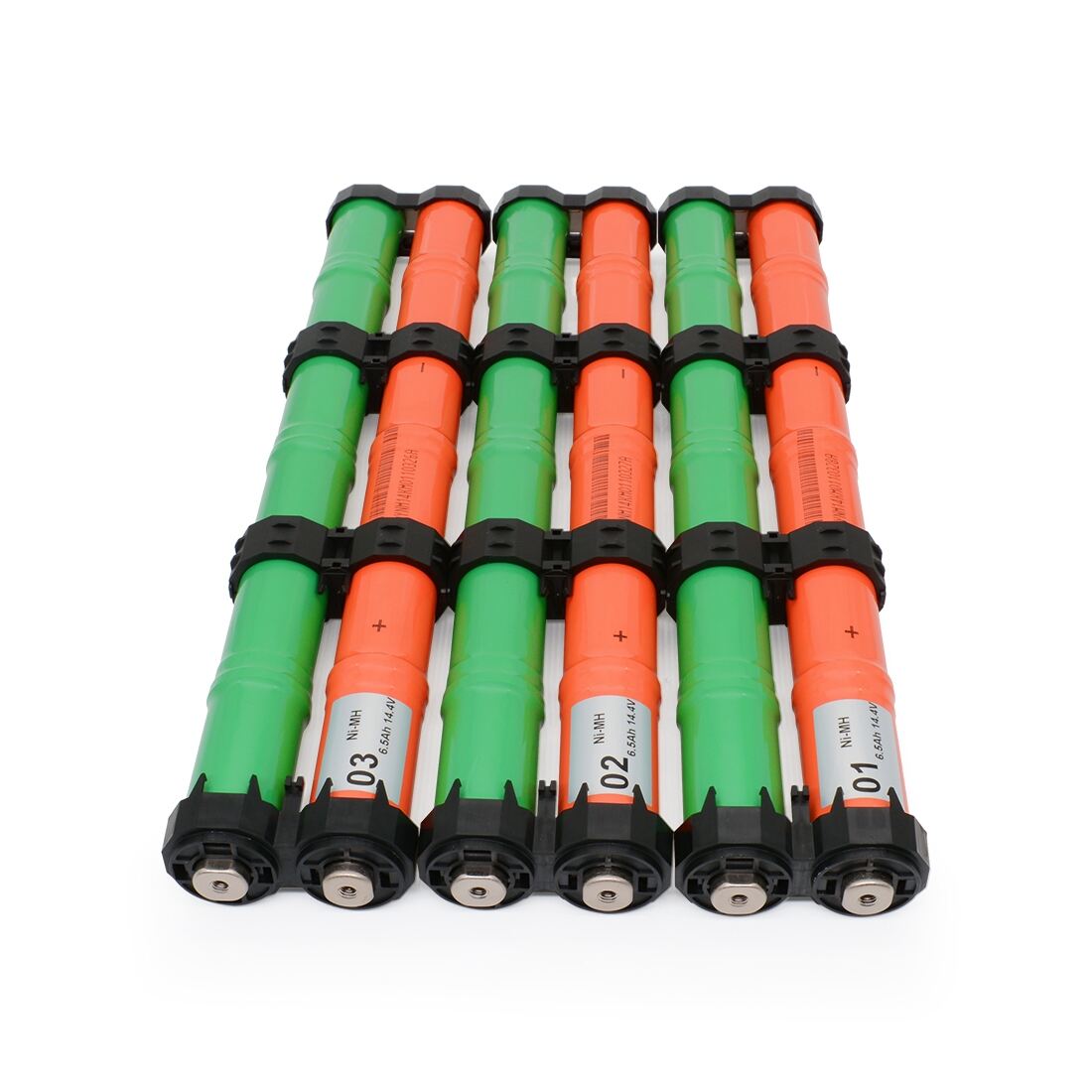
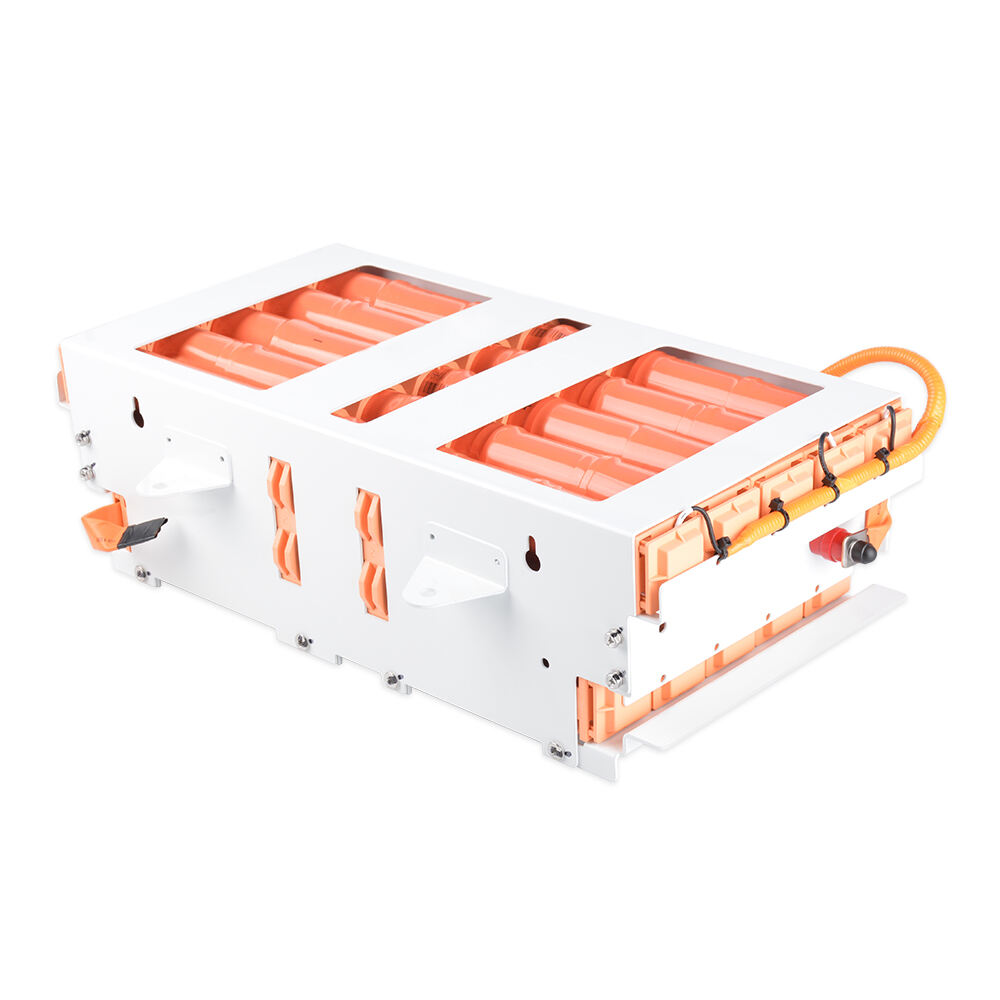
The long-life hybrid car battery represents a revolutionary advancement in automotive energy storage technology, designed to power hybrid vehicles with exceptional durability and efficiency. This sophisticated battery system serves as the cornerstone of hybrid vehicle operation, seamlessly integrating with internal combustion engines to deliver optimal fuel economy and reduced emissions. The primary function of a long-life hybrid car battery involves storing electrical energy generated through regenerative braking and engine operation, then releasing this power to assist the electric motor during acceleration, idling, and low-speed driving conditions. Modern long-life hybrid car battery technology incorporates advanced lithium-ion or nickel-metal hydride chemistry, engineered specifically to withstand thousands of charge and discharge cycles while maintaining consistent performance levels. These batteries feature intelligent thermal management systems that regulate operating temperatures, preventing overheating and extending operational lifespan significantly beyond conventional automotive batteries. The technological architecture includes sophisticated battery management systems that monitor individual cell voltages, temperatures, and charge states, ensuring balanced operation across all battery modules. Applications for long-life hybrid car battery technology extend beyond traditional passenger vehicles to include commercial fleets, delivery trucks, buses, and emergency vehicles where reliability and longevity are paramount. The battery pack typically weighs between 100 to 200 pounds and generates voltages ranging from 144 to 300 volts, depending on vehicle specifications and manufacturer requirements. Advanced safety features include multiple protection circuits, impact-resistant housing, and automatic disconnection systems that activate during collision scenarios. Manufacturing processes for long-life hybrid car battery units involve precision assembly techniques, rigorous quality control testing, and environmental conditioning to ensure consistent performance across diverse operating conditions and climate zones.

New Product Recommendations

Long-life hybrid car battery technology delivers substantial cost savings for vehicle owners through extended replacement intervals and reduced maintenance requirements compared to traditional automotive batteries. Vehicle owners experience dramatically lower total ownership costs because these advanced battery systems typically last 8 to 15 years or 150,000 to 300,000 miles, eliminating frequent battery replacement expenses that plague conventional vehicles. The enhanced durability of long-life hybrid car battery units translates directly into improved vehicle reliability, reducing unexpected breakdowns and costly emergency repairs that disrupt daily transportation needs. Environmental benefits represent another compelling advantage, as long-life hybrid car battery technology significantly reduces hazardous waste generation through extended service life and improved recyclability compared to standard lead-acid batteries. Fuel efficiency improvements provide immediate financial benefits, with long-life hybrid car battery systems enabling vehicles to achieve 30 to 50 percent better fuel economy than comparable gasoline-only models, resulting in substantial savings at gas stations. Performance advantages include instant torque delivery from electric motors powered by these batteries, providing smooth acceleration and responsive driving dynamics that enhance overall vehicle experience. Temperature resilience ensures consistent operation across extreme weather conditions, with long-life hybrid car battery systems maintaining performance in temperatures ranging from -40 to 140 degrees Fahrenheit. Charging convenience eliminates range anxiety associated with fully electric vehicles, as long-life hybrid car battery systems automatically recharge through regenerative braking and engine operation without requiring external charging infrastructure. Warranty protection provides additional peace of mind, with most manufacturers offering comprehensive coverage spanning 8 to 10 years or 100,000 to 150,000 miles specifically for long-life hybrid car battery components. Resale value preservation represents another financial advantage, as vehicles equipped with long-life hybrid car battery technology typically maintain higher market values due to their reputation for reliability and fuel efficiency. Insurance benefits may include reduced premiums for hybrid vehicles, as insurance companies often offer discounts recognizing the lower risk profiles associated with advanced long-life hybrid car battery safety systems.

Latest News

Yabo Power's Mid-year Company Trip: A Memorable Experience

25

Nov

Yabo Power's Mid-year Company Trip: A Memorable Experience

View More
LiFePO4 vs. Traditional Lithium - Ion Batteries: Key Differences Shaping the Future of Energy Storage

25

Nov

LiFePO4 vs. Traditional Lithium - Ion Batteries: Key Differences Shaping the Future of Energy Storage

View More
YABO Power 2024 Annual Gala: A Night of Celebration, A Year of Determination

11

Dec

YABO Power 2024 Annual Gala: A Night of Celebration, A Year of Determination

View More
Empowering Modern Mobility: Introducing the New 12V 7000mAh Lithium-Ion Battery Pack

11

Dec

Empowering Modern Mobility: Introducing the New 12V 7000mAh Lithium-Ion Battery Pack

View More

Get a Free Quote

Our representative will contact you soon.
Email
Name
Company Name
Message
0/1000

long-life hybrid car battery

Extended Service Life and Durability Excellence

Extended Service Life and Durability Excellence

The exceptional longevity of long-life hybrid car battery technology stands as its most compelling feature, delivering unprecedented durability that fundamentally transforms vehicle ownership economics and user experience. These advanced battery systems achieve remarkable service lives spanning 10 to 15 years or 200,000 to 300,000 miles under normal driving conditions, representing a quantum leap beyond traditional automotive batteries that typically require replacement every 3 to 5 years. The extended service life stems from sophisticated engineering innovations including advanced electrode materials, optimized electrolyte formulations, and precision manufacturing processes that minimize degradation mechanisms responsible for premature battery failure. Thermal management systems play a crucial role in longevity, actively controlling operating temperatures through liquid cooling or air circulation to prevent the extreme heat conditions that accelerate chemical breakdown in conventional batteries. Cell balancing technology ensures uniform charge distribution across individual battery cells, preventing overcharging or deep discharge scenarios that compromise long-term performance and lifespan. The robust construction features reinforced housing materials, vibration-resistant mounting systems, and sealed enclosures that protect sensitive internal components from road debris, moisture, and temperature fluctuations encountered during daily driving. Quality control measures during manufacturing include extensive testing protocols that simulate years of real-world usage through accelerated aging tests, thermal cycling, and mechanical stress evaluation to identify potential failure modes before market release. This exceptional durability translates into significant cost advantages for consumers, eliminating the recurring expense of battery replacement while reducing vehicle downtime associated with maintenance and repairs. Environmental benefits multiply through extended service life, as fewer batteries require disposal and recycling over the vehicle's lifetime, reducing industrial waste streams and conserving raw materials needed for battery production.
Superior Fuel Efficiency and Cost Savings

Superior Fuel Efficiency and Cost Savings

Long-life hybrid car battery systems deliver transformative fuel efficiency improvements that directly impact household budgets and environmental sustainability through optimized energy management and intelligent power distribution strategies. These advanced batteries enable hybrid vehicles to achieve fuel economy ratings 40 to 60 percent superior to comparable gasoline-only vehicles, translating into substantial savings at gas stations that accumulate significantly over time. The efficiency gains result from sophisticated energy capture mechanisms that harness kinetic energy during braking and deceleration, converting this otherwise wasted energy into stored electrical power for later use. Intelligent power management algorithms determine optimal moments to engage electric motor assistance, reducing internal combustion engine workload during city driving, traffic congestion, and acceleration scenarios where gasoline engines operate least efficiently. Start-stop functionality powered by long-life hybrid car battery systems automatically shuts down the gasoline engine during idle periods at traffic lights or in stop-and-go traffic, eliminating fuel consumption and emissions during stationary moments. Electric-only driving capability at low speeds allows vehicles to operate silently and emission-free in parking lots, residential areas, and congested urban environments where air quality concerns are most pronounced. The cumulative fuel savings over a vehicle's lifetime can exceed thousands of dollars, with many owners reporting 50 to 100 percent improvements in miles per gallon compared to their previous conventional vehicles. Advanced regenerative braking systems maximize energy recovery efficiency, capturing up to 70 percent of braking energy that would otherwise dissipate as heat through friction brakes, extending both battery charge and brake pad life simultaneously. Real-time efficiency monitoring provides drivers with immediate feedback on fuel consumption patterns, encouraging eco-friendly driving behaviors that maximize the benefits of long-life hybrid car battery technology while developing sustainable transportation habits.
Advanced Safety and Reliability Features

Advanced Safety and Reliability Features

Long-life hybrid car battery technology incorporates comprehensive safety systems and reliability enhancements that establish new standards for automotive electrical system protection and operational dependability. Multiple layers of safety protection include sophisticated battery management systems that continuously monitor individual cell voltages, temperatures, and current flows to detect abnormal conditions before they develop into safety hazards or performance issues. Automatic disconnection mechanisms activate immediately during collision scenarios, isolating high-voltage battery systems from vehicle electrical circuits to protect emergency responders and passengers from electrical hazards during accident situations. Thermal runaway prevention systems employ advanced sensors and cooling circuits that detect excessive heat buildup and initiate protective measures including active cooling, charge termination, and emergency venting to prevent dangerous temperature escalation. Robust physical protection features impact-resistant battery enclosures constructed from high-strength materials designed to withstand severe collision forces while maintaining structural integrity and preventing electrolyte leakage or internal component damage. Electrical isolation systems ensure complete separation between high-voltage battery circuits and vehicle chassis, eliminating shock hazards during normal operation, maintenance procedures, or emergency situations. Fault detection capabilities continuously analyze battery performance parameters, identifying potential issues through predictive algorithms that enable proactive maintenance before problems affect vehicle reliability or safety. Emergency response protocols provide first responders with clear identification systems and detailed procedures for safely handling hybrid vehicles equipped with long-life hybrid car battery systems during accident scenarios or rescue operations. Redundant safety systems ensure continued operation even when primary protective measures encounter failures, maintaining vehicle functionality and occupant safety through backup power management and emergency operating modes. Comprehensive testing procedures validate safety performance through extreme condition simulations including crash testing, fire exposure, water immersion, and electrical fault scenarios to ensure long-life hybrid car battery systems meet or exceed all applicable safety standards and regulations.
Long-Life Hybrid Car Battery Technology: Ultimate Guide to Benefits, Features & Performance

Get a Free Quote

Our representative will contact you soon.
Email
Name
Company Name
Message
0/1000