No.252 Pinglong East Road, Fenghuang Community, Pinghu Street, Longgang District, Shenzhen +86-18029030625 [email protected]
No.252 Pinglong East Road, Fenghuang Community, Pinghu Street, Longgang District, Shenzhen +86-18029030625 [email protected]

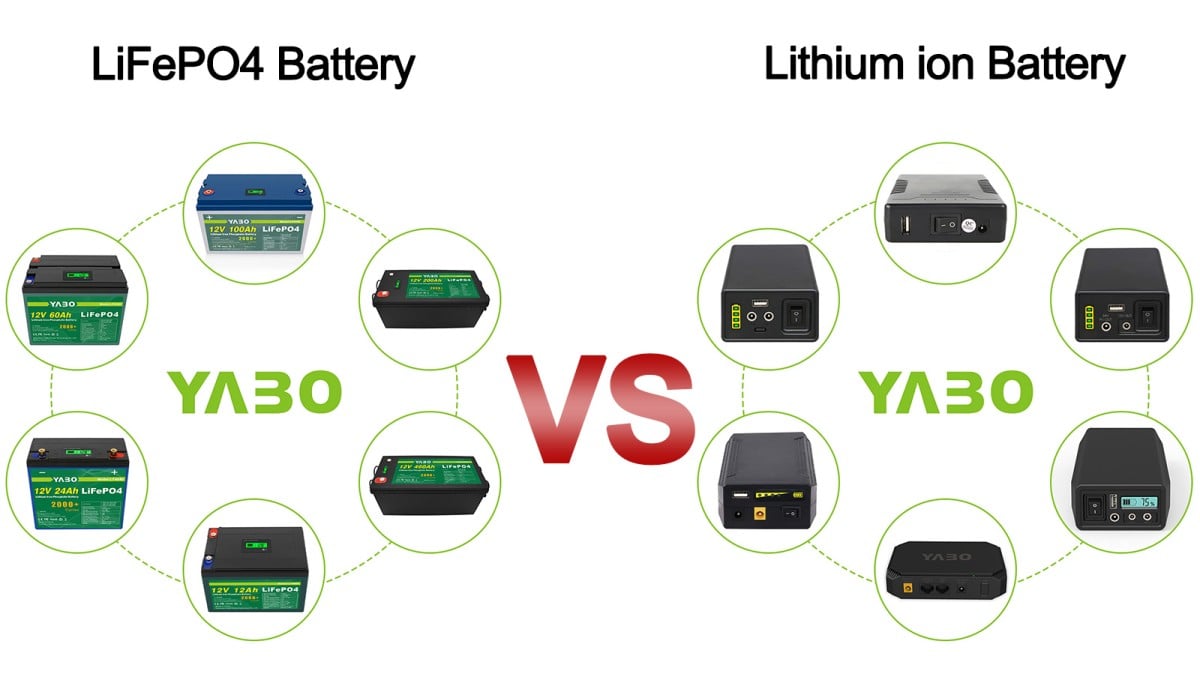
In the rapidly evolving landscape of battery technology, LiFePO4 (Lithium Iron Phosphate) batteries and traditional Lithium - Ion (Li - Ion) batteries stand at the forefront of innovation, powering a global shift toward more reliable and sustainable energy solutions. As demand surges for energy storage systems that balance safety, efficiency, and environmental responsibility—from portable electronics and electric vehicles (EVs) to residential solar setups and industrial grid storage—understanding the nuanced differences between these two battery chemistries becomes increasingly critical.
Both technologies have transformed how we store and utilize energy, but their unique structural and performance traits make them better suited for distinct applications. Below is a comprehensive breakdown of their core differences, strengths, and use cases, designed to help businesses and consumers make informed decisions aligned with their needs.
Safety is often the paramount consideration when selecting a battery, and this is where LiFePO4 batteries deliver an unparalleled advantage. The exceptional stability of LiFePO4 batteries stems from their unique cathode composition: the strong covalent bonds between iron (Fe), phosphorus (P), and oxygen (O) atoms form a thermally robust framework that resists breakdown even under extreme stress. This structural integrity makes them highly resistant to thermal runaway—a dangerous chain reaction where overheating triggers冒烟, fires, or explosions—an issue that has plagued traditional Li - Ion batteries.
Traditional Li - Ion batteries, which typically use cobalt, nickel, or manganese - based cathodes, have weaker chemical bonds that can destabilize when exposed to overcharging, short - circuiting, or physical damage, increasing the risk of catastrophic failure.
LiFePO4 batteries also operate safely across a broader temperature range (-20°C to 60°C), making them reliable in harsh environments—from freezing outdoor solar installations to the high - heat conditions of EV engine bays or industrial facilities. Their inherent stability eliminates the need for complex, costly safety mechanisms (such as advanced thermal management systems) that are mandatory for Li - Ion batteries to mitigate risks.
This makes LiFePO4 batteries the preferred choice for applications where safety is non - negotiable: residential and commercial energy storage systems, medical devices, marine vessels, industrial equipment, and passenger EVs. For example, in home solar storage, LiFePO4 batteries provide peace of mind by reducing fire hazards, while in fleet vehicles or public transport, they enhance passenger safety during collisions or extended use in extreme temperatures.
Traditional Li - Ion batteries, while improving with technological advancements, still require strict monitoring and safety protocols to prevent accidents, limiting their use in high - risk environments.
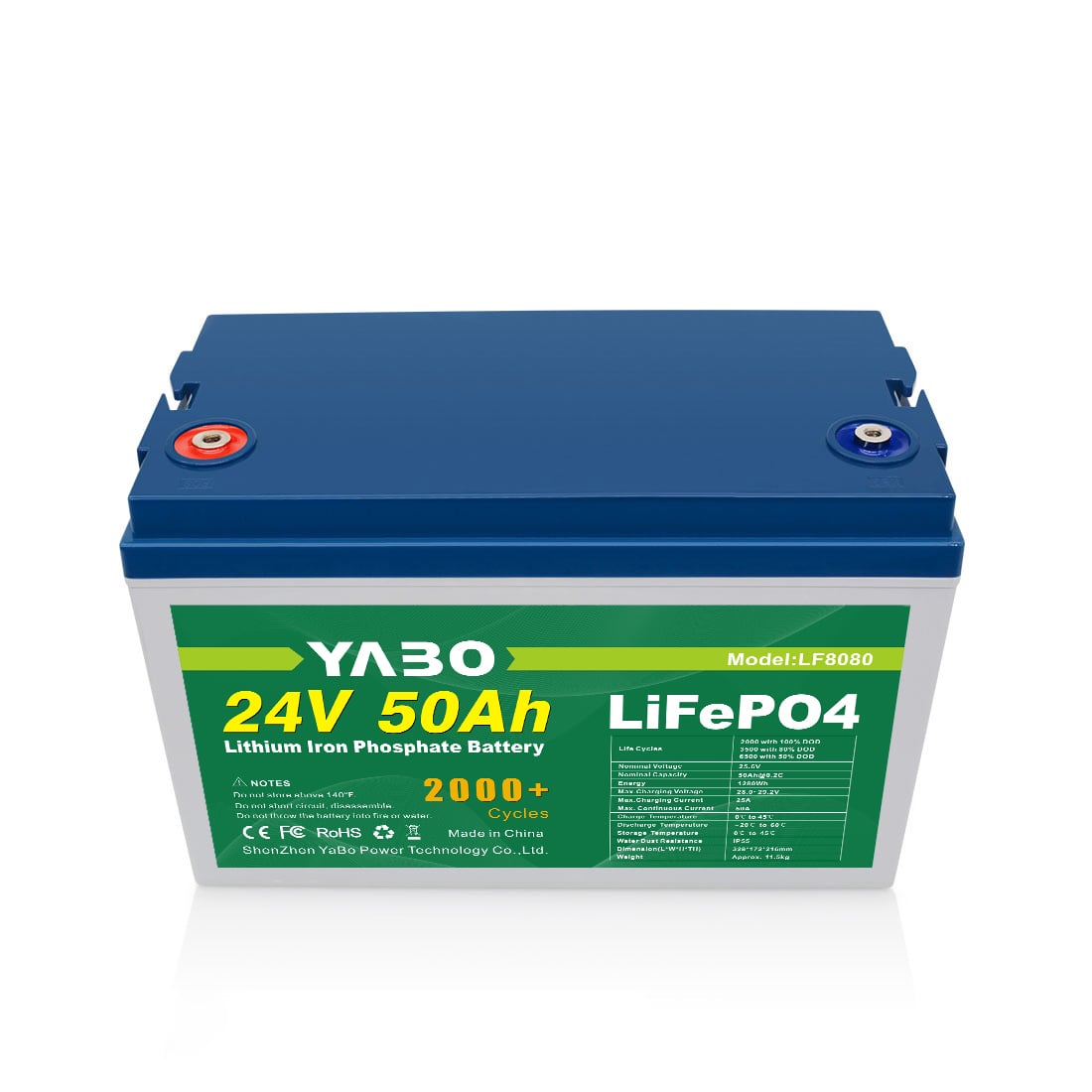
When it comes to longevity, LiFePO4 batteries outperform traditional Li - Ion batteries by a significant margin, delivering substantial long - term value. A high - quality LiFePO4 battery can endure 2,000 to 5,000 deep charge - discharge cycles (retaining 80% of its original capacity), with premium models even reaching 6,000+ cycles. In practical terms, this translates to a lifespan of 10–15 years for most applications, depending on usage patterns.
Traditional Li - Ion batteries, by contrast, typically degrade after 500 to 1,000 deep cycles, resulting in a lifespan of just 3–5 years.
This stark difference stems from the LiFePO4 cathode’s resistance to structural damage during charge - discharge cycles: unlike Li - Ion cathodes, which suffer from material degradation and capacity loss over time, LiFePO4 maintains its integrity, preserving performance for decades.
The extended lifespan of LiFePO4 batteries translates to tangible benefits for users. For stationary applications like solar energy storage or grid backup, fewer replacements mean lower maintenance costs, less downtime, and reduced logistical hassle. For EV owners, a LiFePO4 battery can last the entire lifetime of the vehicle, eliminating the need for expensive battery swaps—a common concern with Li - Ion - powered EVs.
Additionally, LiFePO4 batteries have a lower self - discharge rate (around 2–3% per month) compared to Li - Ion batteries (5–10% per month), meaning they retain charge longer when not in use—ideal for off - grid applications like remote cabins, RVs, or emergency backup systems.
Traditional Li - Ion batteries, while sufficient for short - term or low - cycle applications (such as smartphones, laptops, or portable gadgets), struggle to compete in scenarios requiring long - term reliability and high - cycle use.
The primary advantage of traditional Li - Ion batteries over LiFePO4 lies in energy density—the amount of energy stored per unit of weight or volume. Li - Ion batteries typically offer an energy density of 150–250 Wh/kg, while LiFePO4 batteries range from 90–160 Wh/kg. This means Li - Ion batteries can store more energy in a smaller, lighter package, making them the go - to choice for applications where space and weight are critical constraints.
Portable electronics (smartphones, laptops, tablets, and wearables) are prime examples: a Li - Ion battery’s high energy density allows manufacturers to create slim, lightweight devices with long battery life. Similarly, some EV manufacturers opt for Li - Ion batteries (especially nickel - cobalt - aluminum, NCA, or nickel - manganese - cobalt, NMC, variants) to maximize driving range without sacrificing vehicle weight or interior space. For instance, a Li - Ion - powered EV might achieve 300+ miles per charge, while a LiFePO4 - powered counterpart with the same weight battery might reach 200–250 miles.
However, this trade - off is increasingly acceptable for many users, as LiFePO4’s safety and longevity often outweigh the slightly lower energy density. For stationary applications (home storage, grid storage, or industrial backup) or vehicles where range is less critical (city cars, delivery vans, or fleet vehicles), LiFePO4’s benefits are far more impactful.
Moreover, advancements in LiFePO4 technology are narrowing the energy density gap: new electrode designs, material improvements, and manufacturing innovations are pushing LiFePO4 energy density closer to 200 Wh/kg, making them more competitive in even weight - sensitive applications.
As global focus on sustainability intensifies, the environmental footprint of batteries has become a key consideration—and here, LiFePO4 batteries hold a clear advantage.
Traditional Li - Ion batteries rely on rare and toxic heavy metals like cobalt and nickel, whose mining is associated with severe environmental damage (deforestation, water pollution, and soil degradation) and human rights abuses (including child labor in some cobalt mines in the Democratic Republic of Congo). These metals are also difficult and costly to recycle, leading to significant electronic waste (e - waste) as Li - Ion batteries reach the end of their short lifespans.
LiFePO4 batteries, by contrast, are free of cobalt, nickel, and other toxic heavy metals. Their composition (lithium, iron, phosphorus, oxygen) is non - toxic and far easier to recycle: iron and phosphorus can be recovered and reused in new batteries or other industries, reducing reliance on virgin materials and minimizing environmental harm.
Additionally, LiFePO4’s longer lifespan means fewer batteries are produced and discarded, cutting down on e - waste. For example, a solar energy system using LiFePO4 batteries might require one replacement every 15 years, while a Li - Ion system would need 3–4 replacements in the same period—generating three times more waste.
This sustainability edge aligns with global efforts to reduce carbon emissions, transition to a circular economy, and meet strict environmental regulations. As governments implement tighter rules on battery recycling and raw material sourcing, LiFePO4 batteries are poised to become the more compliant and ethical choice for businesses and consumers alike.
In summary, LiFePO4 and traditional Li - Ion batteries each excel in distinct areas, and the right choice depends on your priorities and application:
As battery technology continues to advance, the gap between these two types is narrowing: LiFePO4 energy density is improving, while Li - Ion batteries are becoming safer and more durable. However, their core strengths will likely keep them specialized for specific use cases for years to come.
For businesses and consumers seeking high - quality, reliable battery solutions, YaBo Power stands as a trusted partner. Specializing in manufacturing rechargeable LiFePO4 batteries and Lithium - Ion batteries since 2001, YaBo Power is committed to delivering A - grade products with real capacity and consistent performance. Every battery undergoes rigorous quality control to meet international standards, ensuring safety, durability, and efficiency across applications.
We would be grateful if you could learn more about our product lineup and custom solutions through our website, where you can explore how our batteries can power your projects—whether you’re building a solar storage system, upgrading an EV fleet, or developing portable electronics. With YaBo Power, you’re choosing a legacy of excellence in battery technology, backed by two decades of industry expertise.
 Hot News
2026-09-04
2026-08-05
2026-07-06
2026-06-09
2026-05-07
2026-04-01

Shenzhen Yabo Power Technology Co., Ltd. provides custom LiFePO4 battery packs for solar, home energy storage, and industrial applications. 25+ years of expertise, ISO 9001 & CE certified. Trusted by Fortune 500 companies. Request a sample today.
No.252 Pinglong East Road, Fenghuang Community, Pinghu Street, Longgang District, Shenzhen
Copyright © 2026 Shenzhen Yabo Power Technology Co., Ltd. All rights reserved Privacy Policy
 EN
EN