
 EN
EN
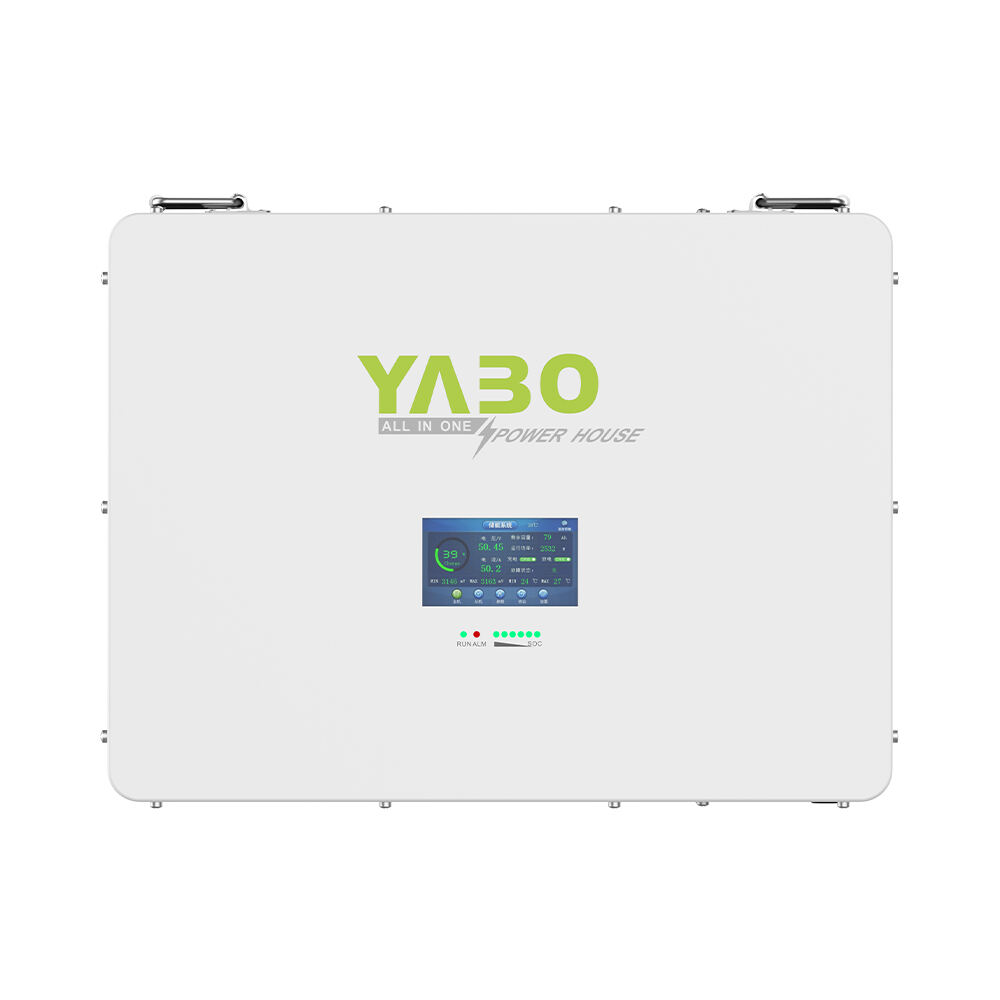
Electric vehicle systems are experiencing unprecedented growth, with manufacturers constantly seeking advanced power solutions that deliver superior performance, longevity, and safety. The 48V LiFePO4 battery has emerged as a transformative technology in this landscape, offering exceptional characteristics that make it ideal for modern electric transportation applications. This advanced lithium iron phosphate chemistry provides significant advantages over traditional lead-acid alternatives, including enhanced energy density, extended cycle life, and improved thermal stability. Understanding how these innovative power storage solutions can revolutionize electric vehicle performance is crucial for engineers, manufacturers, and fleet operators looking to optimize their systems for maximum efficiency and reliability.
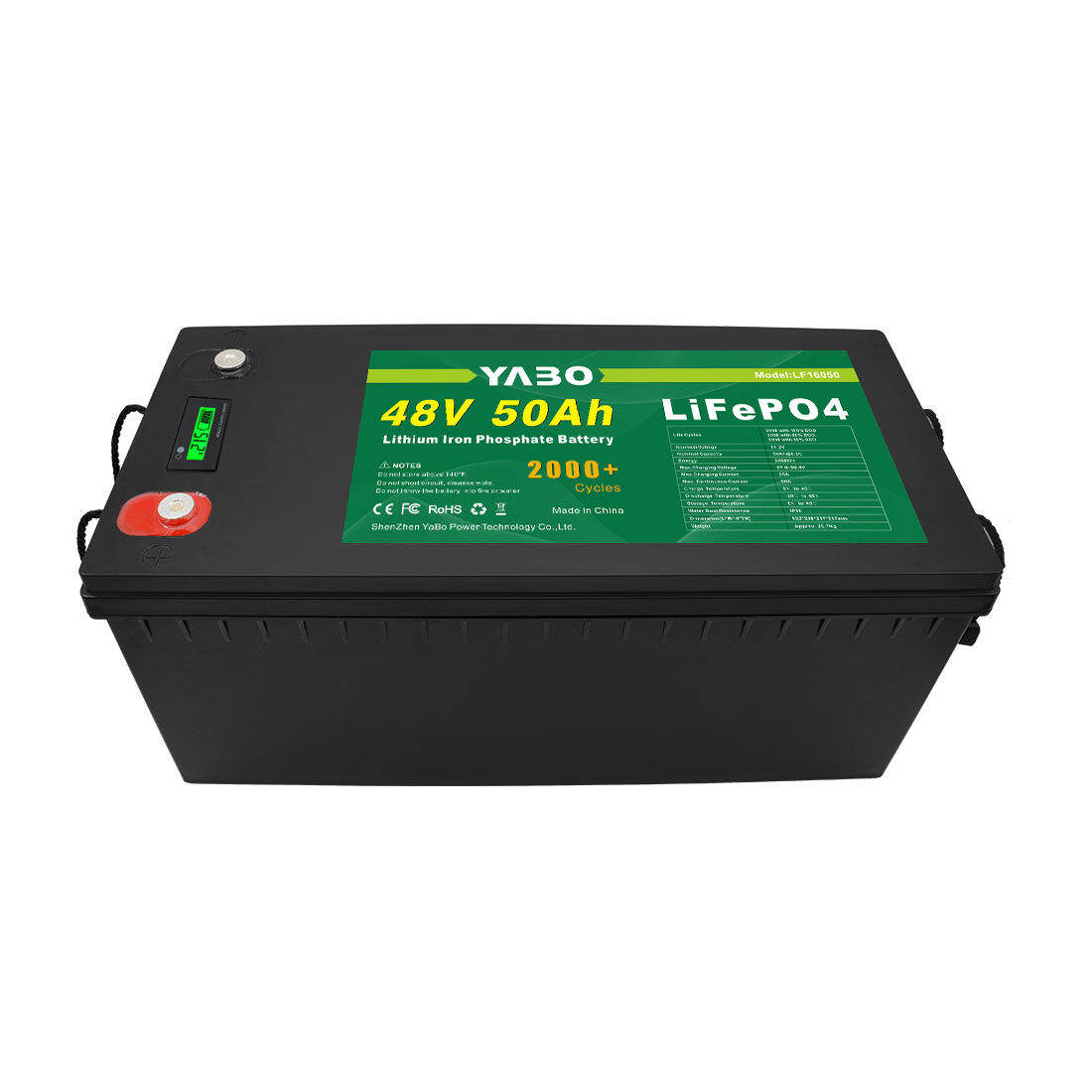
Advanced Chemistry and Superior Performance Characteristics
Lithium Iron Phosphate Technology Benefits
The 48V LiFePO4 battery utilizes cutting-edge lithium iron phosphate chemistry that delivers exceptional performance metrics compared to conventional battery technologies. This advanced chemical composition provides inherent stability and safety characteristics that make it particularly suitable for demanding electric vehicle applications. The lithium iron phosphate cathode material offers excellent thermal stability, reducing the risk of thermal runaway and ensuring safe operation even under extreme conditions. Additionally, this chemistry maintains consistent voltage output throughout the discharge cycle, providing reliable power delivery that enhances overall system performance and user experience.
The superior energy density of LiFePO4 technology enables manufacturers to create more compact and lightweight battery systems without compromising power output. This characteristic is particularly valuable in electric vehicle applications where space and weight constraints are critical design considerations. The 48V LiFePO4 battery can store significantly more energy per unit weight compared to traditional lead-acid batteries, allowing for extended range and improved vehicle dynamics. Furthermore, the low self-discharge rate of this technology ensures that stored energy remains available even during extended periods of non-use, making it ideal for applications requiring reliable standby power.
Voltage Configuration Advantages
The 48-volt configuration offers optimal balance between power delivery and system safety, making it an ideal choice for various electric vehicle applications. This voltage level provides sufficient power for high-performance motors while remaining below the 60-volt threshold that requires additional safety precautions in most jurisdictions. The 48V LiFePO4 battery system can deliver substantial current output without the complexity and safety concerns associated with higher voltage systems, simplifying installation and maintenance procedures while reducing overall system costs.
Operating at 48 volts allows for efficient power distribution throughout the vehicle's electrical system, minimizing voltage drops and ensuring consistent performance across all connected components. This voltage level is particularly well-suited for mid-range electric vehicles, e-bikes, scooters, and commercial applications where reliability and cost-effectiveness are paramount. The 48V configuration also facilitates easier integration with existing charging infrastructure and power management systems, streamlining the adoption process for manufacturers and end-users alike.
Performance Enhancement in Electric Vehicle Applications
Power Delivery and Motor Efficiency
The exceptional power delivery characteristics of the 48V LiFePO4 battery significantly enhance motor performance in electric vehicle systems. The stable voltage output and high discharge capability enable electric motors to operate at optimal efficiency levels throughout the entire discharge cycle. This consistent power delivery translates to smoother acceleration, better hill-climbing ability, and more predictable vehicle behavior under varying load conditions. The low internal resistance of LiFePO4 cells minimizes power loss during high-current draw situations, ensuring maximum energy reaches the motor for improved performance and extended range.
Electric vehicle systems equipped with 48V LiFePO4 battery technology experience improved responsiveness and dynamic performance compared to traditional battery solutions. The rapid discharge capability allows for quick acceleration and enhanced overall driving experience, while the stable voltage characteristics ensure consistent power output even as the battery approaches lower charge levels. This performance consistency is particularly important for commercial applications where predictable operation is essential for productivity and operational efficiency.
Range and Efficiency Optimization
The high energy density and efficient discharge characteristics of the 48V LiFePO4 battery contribute significantly to extended vehicle range and improved overall system efficiency. The superior energy storage capacity allows electric vehicles to travel greater distances on a single charge, addressing one of the primary concerns of electric vehicle adoption. The flat discharge curve characteristic of LiFePO4 chemistry ensures that usable capacity remains available throughout most of the discharge cycle, providing more consistent range estimates and reducing range anxiety for operators.
Energy efficiency improvements achieved through 48V LiFePO4 battery implementation extend beyond simple capacity increases. The reduced internal resistance and optimized voltage characteristics minimize energy losses during power conversion and delivery processes. This efficiency improvement translates to lower operational costs, reduced charging frequency, and enhanced environmental benefits through reduced energy consumption. Fleet operators particularly benefit from these efficiency gains, as they directly impact operating costs and vehicle utilization rates.
Safety and Reliability Features
Thermal Stability and Safety Systems
Safety represents a paramount consideration in electric vehicle battery systems, and the 48V LiFePO4 battery excels in this critical area through its inherent thermal stability and robust safety characteristics. The lithium iron phosphate chemistry is inherently stable and resistant to thermal runaway, significantly reducing fire and explosion risks compared to other lithium-ion chemistries. This enhanced safety profile makes LiFePO4 technology particularly suitable for applications where human safety is paramount, including passenger vehicles, delivery vehicles, and public transportation systems.
Advanced battery management systems integrated with 48V LiFePO4 battery packs provide comprehensive monitoring and protection capabilities. These systems continuously monitor cell voltages, temperatures, and current flow to ensure safe operation under all conditions. Sophisticated algorithms detect potential issues before they become safety hazards, automatically implementing protective measures such as current limiting, thermal management, and emergency shutdown procedures when necessary. This multi-layered safety approach provides peace of mind for operators and regulatory compliance for manufacturers.
Durability and Long-Term Reliability
The exceptional cycle life characteristics of the 48V LiFePO4 battery provide significant long-term reliability advantages for electric vehicle applications. These battery systems can typically endure thousands of charge-discharge cycles while maintaining substantial capacity, far exceeding the lifespan of traditional lead-acid alternatives. This extended operational life reduces replacement costs, minimizes downtime, and provides better return on investment for vehicle owners and fleet operators.
Environmental resilience of 48V LiFePO4 battery technology ensures reliable operation across a wide range of temperature and humidity conditions. The robust construction and stable chemistry maintain performance characteristics even in challenging operating environments, making these batteries suitable for diverse geographic regions and climate conditions. This reliability factor is particularly important for commercial applications where consistent operation is essential for business continuity and customer satisfaction.
Integration and System Compatibility
Charging System Optimization
The charging characteristics of the 48V LiFePO4 battery enable significant improvements in charging system design and operational efficiency. These batteries can accept higher charging currents compared to traditional alternatives, enabling faster charging times and improved vehicle utilization rates. The stable chemistry allows for aggressive charging profiles without compromising battery life, making it possible to implement rapid charging solutions that minimize downtime between uses.
Compatibility with various charging technologies and infrastructure makes the 48V LiFePO4 battery particularly attractive for diverse electric vehicle applications. These systems can work effectively with standard AC chargers, DC fast chargers, and even solar charging systems, providing flexibility in charging infrastructure deployment. The wide charging voltage tolerance and efficient charging acceptance characteristics simplify charging system design while reducing overall system complexity and costs.
Power Management and Control Systems
Modern power management systems work exceptionally well with 48V LiFePO4 battery technology, enabling sophisticated energy optimization strategies that enhance overall vehicle performance. Advanced algorithms can monitor battery state-of-charge, predict energy consumption patterns, and optimize power distribution to maximize efficiency and extend range. These intelligent systems can also implement regenerative charging strategies during braking and coasting, further improving overall energy efficiency.
Integration capabilities with vehicle control systems allow for seamless communication between the 48V LiFePO4 battery and other vehicle components. This communication enables real-time performance monitoring, predictive maintenance scheduling, and optimization of vehicle systems based on battery status and capabilities. The result is a more intelligent and responsive electric vehicle system that adapts to operating conditions and user requirements for optimal performance.
Economic and Environmental Benefits
Cost-Effectiveness and Total Ownership Value
While the initial investment in a 48V LiFePO4 battery system may be higher than traditional alternatives, the total cost of ownership typically favors the advanced technology due to extended lifespan, reduced maintenance requirements, and improved efficiency. The exceptional cycle life means fewer battery replacements over the vehicle's operational lifetime, significantly reducing long-term costs and improving return on investment. Additionally, the higher efficiency and energy density translate to reduced operational costs through lower energy consumption and extended range capabilities.
Fleet operators particularly benefit from the economic advantages of 48V LiFePO4 battery technology through improved vehicle utilization rates, reduced maintenance downtime, and predictable operating costs. The reliability and consistency of these battery systems enable better fleet management and planning, while the extended lifespan provides stable long-term operational budgets. These economic benefits make the technology particularly attractive for commercial applications where operational costs directly impact profitability.
Environmental Impact and Sustainability
The environmental benefits of 48V LiFePO4 battery technology extend beyond the obvious advantages of electric vehicle operation. The extended lifespan of these batteries reduces the frequency of battery replacement and associated waste generation, contributing to more sustainable transportation solutions. The improved efficiency characteristics also reduce overall energy consumption, further minimizing environmental impact through reduced demand on electrical generation infrastructure.
Recycling and end-of-life management considerations favor LiFePO4 chemistry due to the absence of toxic heavy metals and the potential for material recovery. The stable chemistry and reduced fire risk also simplify handling and processing procedures during recycling operations. These environmental advantages align with increasing regulatory focus on sustainable transportation solutions and corporate environmental responsibility initiatives.
FAQ
What makes 48V LiFePO4 batteries superior to traditional lead-acid batteries in EV applications
The 48V LiFePO4 battery offers significantly higher energy density, longer cycle life, faster charging capabilities, and enhanced safety characteristics compared to lead-acid alternatives. These batteries can provide three to four times more charge-discharge cycles while maintaining capacity, weigh substantially less for equivalent energy storage, and operate safely across a wider temperature range. The stable voltage output and low self-discharge rate also provide more consistent performance and better energy utilization efficiency.
How does the 48-volt configuration optimize performance in electric vehicle systems
The 48-volt configuration strikes an optimal balance between power delivery capability and system safety, providing sufficient voltage for high-performance motors while remaining below regulatory thresholds that require additional safety measures. This voltage level enables efficient power distribution, minimizes voltage drops in the electrical system, and facilitates easier integration with existing charging infrastructure. The configuration also allows for substantial current output without the complexity associated with higher voltage systems.
What safety features are integrated into modern 48V LiFePO4 battery systems
Modern 48V LiFePO4 battery systems incorporate comprehensive battery management systems that continuously monitor cell voltages, temperatures, and current flow to ensure safe operation. These systems include overvoltage protection, undervoltage protection, overcurrent protection, thermal management, and emergency shutdown capabilities. The inherent thermal stability of LiFePO4 chemistry provides additional safety margin by resisting thermal runaway, while sophisticated algorithms predict and prevent potential safety issues before they occur.
How do 48V LiFePO4 batteries impact the total cost of ownership for electric vehicles
Despite higher initial costs, 48V LiFePO4 batteries typically provide lower total ownership costs through extended lifespan, reduced maintenance requirements, and improved operational efficiency. These batteries can last several times longer than traditional alternatives while maintaining performance, reducing replacement frequency and associated costs. The improved efficiency translates to lower energy consumption and operating costs, while the reliability reduces maintenance downtime and improves vehicle utilization rates, particularly benefiting fleet operations.
Table of Contents
- Advanced Chemistry and Superior Performance Characteristics
- Performance Enhancement in Electric Vehicle Applications
- Safety and Reliability Features
- Integration and System Compatibility
- Economic and Environmental Benefits
-
FAQ
- What makes 48V LiFePO4 batteries superior to traditional lead-acid batteries in EV applications
- How does the 48-volt configuration optimize performance in electric vehicle systems
- What safety features are integrated into modern 48V LiFePO4 battery systems
- How do 48V LiFePO4 batteries impact the total cost of ownership for electric vehicles