
 EN
EN
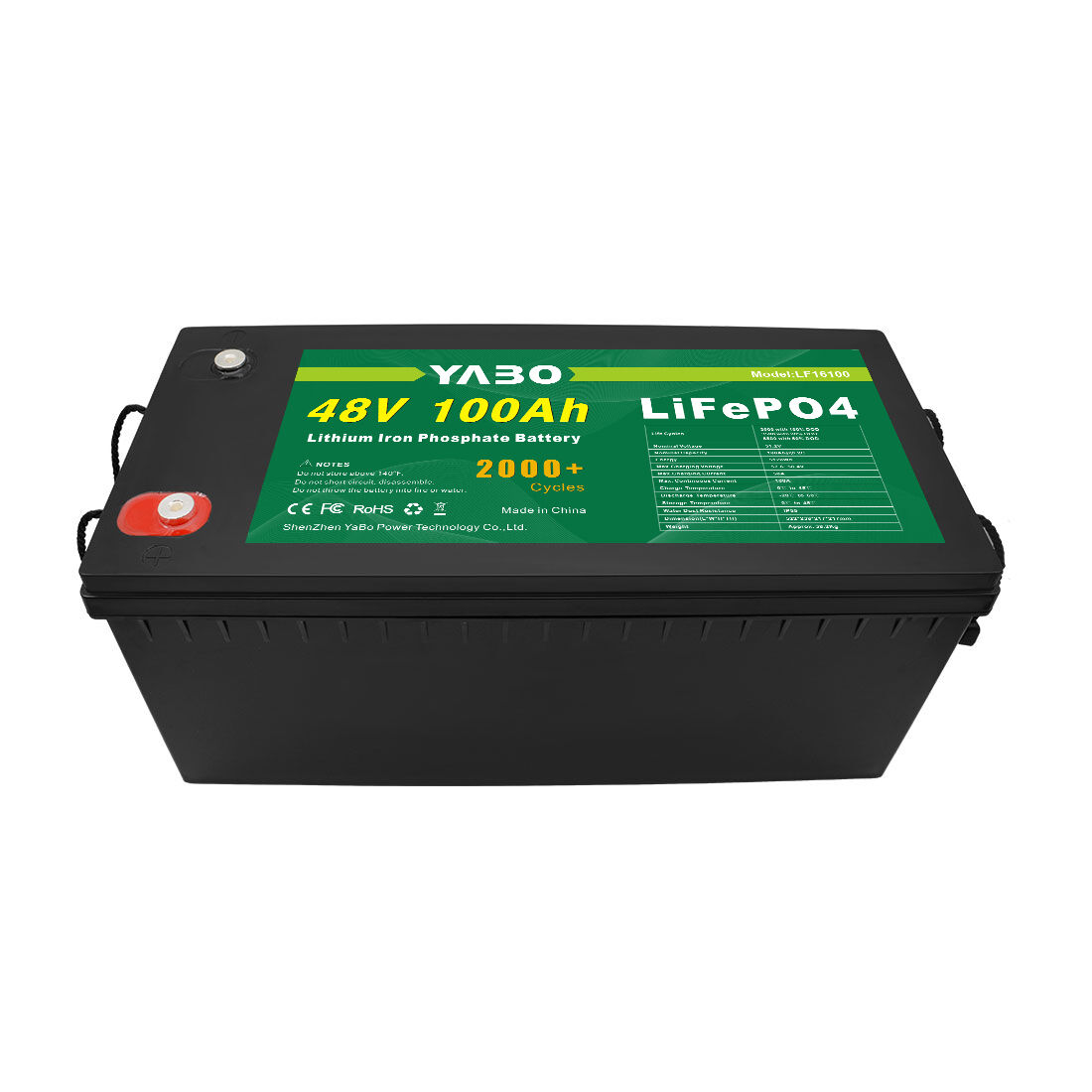
Off-grid power systems have become increasingly sophisticated as energy demands continue to rise in remote locations, emergency backup scenarios, and sustainable living applications. Among the various voltage configurations available, the 48V battery system has emerged as the gold standard for high-power applications where efficiency, safety, and scalability are paramount. This voltage level strikes an optimal balance between power delivery capabilities and system complexity, making it the preferred choice for professionals designing robust energy storage solutions. Understanding why 48V systems dominate the off-grid landscape requires examining the technical advantages, safety considerations, and practical benefits that set this configuration apart from lower voltage alternatives.
Technical Advantages of 48V Battery Systems
Higher Power Density and Efficiency
The fundamental advantage of a 48V battery configuration lies in its ability to deliver substantially more power while maintaining reasonable current levels. When compared to 12V or 24V systems, a 48V battery can provide four times or double the power output respectively at the same current draw. This relationship, governed by the basic electrical principle P = V × I, means that high-power applications can operate more efficiently without requiring extremely thick cables or experiencing significant voltage drop issues that plague lower voltage systems.
Power conversion efficiency also improves dramatically with higher voltage systems. Modern inverters and charge controllers operating at 48V typically achieve efficiency ratings of 95% or higher, compared to 85-90% efficiency commonly seen in 12V systems. This improved efficiency translates directly into longer battery life, reduced heat generation, and lower overall system costs over the operational lifetime of the installation.
Reduced Current Draw and Heat Generation
Operating at higher voltages naturally reduces the current required to deliver the same amount of power, which provides cascading benefits throughout the entire system. Lower current draw means reduced resistive losses in wiring, connections, and switching components. This reduction in current also minimizes heat generation, which is particularly crucial in enclosed battery banks where thermal management can significantly impact performance and longevity.
The thermal benefits of 48V battery systems extend beyond just the batteries themselves. Inverters, charge controllers, and monitoring equipment all operate more efficiently and generate less waste heat when working with higher voltage inputs. This improved thermal profile contributes to enhanced system reliability and reduced cooling requirements, particularly important in hot climates or confined installation spaces.
Safety and Regulatory Considerations
Optimal Balance Between Power and Safety
While 48V systems provide significant power advantages over lower voltage alternatives, they remain within safe operating parameters that don't require specialized electrical licensing in most jurisdictions. Many electrical codes classify DC systems under 50V as low voltage, meaning installations can often be performed by qualified technicians without requiring licensed electricians. This regulatory advantage makes 48V battery systems more accessible for residential and small commercial applications.
The voltage level also presents manageable safety risks when proper precautions are followed. While 48V systems command respect and require appropriate safety protocols, they don't present the immediate danger to life that higher voltage systems can pose. This safety profile makes them suitable for applications where non-electrical personnel may need to perform basic maintenance or monitoring tasks under appropriate supervision.
Compliance with International Standards
International safety standards such as IEC 62109 and UL 1741 have established testing protocols and safety requirements that favor 48V battery configurations for energy storage systems. These standards recognize the optimal balance that 48V systems provide between performance and safety, leading to streamlined certification processes for manufacturers and installers. Compliance with these standards is increasingly important as insurance companies and financing institutions require certified systems for coverage and funding approval.
The standardization around 48V systems has also led to broader component availability and interoperability between different manufacturers. This ecosystem effect means system designers have access to a wider range of compatible inverters, charge controllers, monitoring systems, and safety equipment specifically designed for 48V applications, reducing costs and improving reliability through proven compatibility.
Economic and Practical Benefits
Reduced Infrastructure Costs
The economic advantages of 48V battery systems become apparent when considering the total cost of ownership rather than just initial component prices. Higher voltage operation allows the use of smaller gauge wiring throughout the system, resulting in significant material cost savings, especially in larger installations where cable runs can be substantial. The reduced current requirements also mean that fuses, circuit breakers, and disconnects can be smaller and less expensive while still providing adequate protection.
Installation labor costs are typically lower with 48V systems due to the reduced complexity of wiring and the smaller physical footprint of components. Fewer parallel connections are required to achieve target power levels, simplifying the installation process and reducing potential failure points. This streamlined installation process translates to lower labor costs and faster project completion times, particularly important in commercial applications where downtime has significant economic implications.
Scalability and Future Expansion
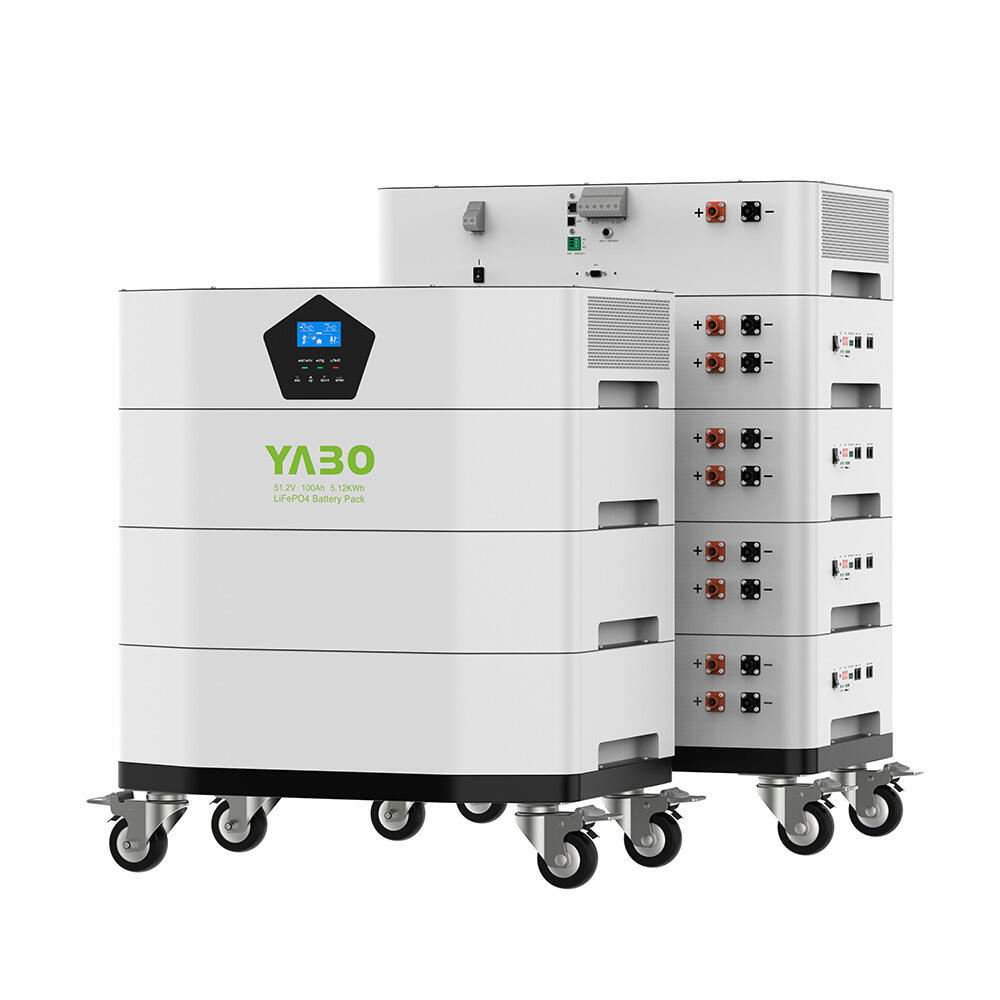
Perhaps one of the most compelling advantages of 48V battery systems is their inherent scalability. As energy needs grow, additional batteries can be connected in parallel to increase capacity while maintaining the same voltage level. This modular approach allows systems to grow organically with changing requirements without necessitating complete system redesigns or component replacements that might be required when outgrowing lower voltage configurations.
The scalability extends beyond just battery capacity to include power output capability. Multiple 48V battery banks can be configured to support larger inverters or multiple inverter systems, enabling power outputs ranging from a few kilowatts to hundreds of kilowatts. This flexibility makes 48V systems suitable for applications ranging from small residential installations to large commercial and industrial off-grid facilities.
Application Scenarios and Use Cases
Residential Off-Grid Power Systems
In residential off-grid applications, 48V battery systems excel at supporting whole-house loads including heating, cooling, and heavy appliances. The higher voltage capability means homeowners can operate standard 240V appliances through appropriately sized inverters without the compromises often associated with lower voltage systems. This capability is particularly valuable in luxury off-grid homes or full-time residential applications where lifestyle compromises are unacceptable.
The reliability and efficiency of 48V systems also make them ideal for critical residential applications such as medical equipment, home offices, and security systems. The improved power quality and reduced voltage fluctuations associated with higher voltage systems provide more stable operation for sensitive electronic equipment that might be adversely affected by the voltage variations common in 12V or 24V systems.
Commercial and Industrial Applications
Commercial facilities benefit significantly from the power density and efficiency advantages of 48V battery systems. Telecommunications installations, data centers, and industrial facilities often have substantial power requirements that would be impractical to meet with lower voltage systems. The reduced current requirements of 48V systems also align well with the precision current monitoring and power management systems commonly used in commercial applications.
Industrial applications such as remote monitoring stations, oil and gas facilities, and mining operations often operate in harsh environments where system reliability is critical. The reduced number of connections and simplified wiring associated with 48V systems translates to improved reliability in these demanding applications where maintenance access may be limited and system failures can have significant operational and safety implications.
Integration with Renewable Energy Sources
Solar Panel System Compatibility
Modern solar installations increasingly favor 48V battery integration due to the voltage compatibility with high-efficiency MPPT charge controllers. Solar arrays can be configured to provide optimal charging voltages for 48V battery banks while maintaining high system efficiency throughout the charging cycle. This compatibility eliminates the need for additional voltage conversion stages that can reduce overall system efficiency and increase component costs.
The higher voltage operation also enables the use of smaller conductors between solar arrays and charge controllers, reducing installation costs and improving system aesthetics. This benefit is particularly pronounced in ground-mounted solar installations where cable runs can be substantial, and in rooftop installations where smaller conductors are easier to route and conceal.
Wind and Hybrid System Applications
Wind turbines and micro-hydro systems often produce variable AC output that requires rectification and voltage regulation before battery charging. The 48V battery configuration provides an excellent target voltage for these renewable energy sources, allowing efficient power conversion while maintaining system stability during varying generation conditions. The higher voltage also provides better compatibility with grid-tie inverters for hybrid systems that can sell excess power back to the utility grid.
Hybrid renewable energy systems combining solar, wind, and backup generators benefit from the voltage standardization that 48V systems provide. All generation sources can be configured to charge the same 48V battery bank, simplifying control systems and reducing the complexity of power management algorithms required to optimize energy production and storage across multiple input sources.
Future Considerations and Technology Evolution
Emerging Battery Technologies
As battery technologies continue to evolve, 48V configurations are well-positioned to take advantage of improvements in energy density, cycle life, and charging characteristics. Lithium iron phosphate (LiFePO4) batteries, which have become increasingly popular for their safety and longevity characteristics, are commonly available in 48V configurations that maximize their performance advantages while maintaining system compatibility with existing infrastructure.
Emerging solid-state battery technologies and advanced lithium chemistries are being developed with 48V system compatibility in mind, ensuring that future battery improvements can be easily integrated into existing 48V installations. This forward compatibility protects the investment in 48V infrastructure while allowing system owners to benefit from technological advances as they become commercially available.
Smart Grid Integration and Energy Management
The evolution toward smart grid technologies and advanced energy management systems strongly favors standardized voltage platforms like 48V battery systems. These systems can more easily integrate with home energy management systems, demand response programs, and virtual power plant initiatives that are becoming increasingly important in modern electrical grids. The standardization around 48V also facilitates the development of more sophisticated monitoring and control systems that can optimize energy usage patterns and extend battery life.
Advanced energy management capabilities such as load shifting, peak shaving, and time-of-use optimization are more easily implemented with 48V battery systems due to their power handling capabilities and efficiency characteristics. These features become increasingly valuable as utility rate structures evolve and grid services markets develop new revenue opportunities for distributed energy storage systems.
FAQ
What makes 48V battery systems more efficient than lower voltage alternatives?
48V battery systems operate more efficiently primarily due to reduced current requirements for the same power output. Lower current means reduced resistive losses in wiring, connections, and electronic components. Additionally, power conversion equipment such as inverters and charge controllers typically achieve higher efficiency ratings when operating at 48V compared to 12V or 24V systems, often exceeding 95% efficiency versus 85-90% for lower voltage systems.
Are 48V systems safe for residential installation and maintenance?
48V systems provide an optimal balance between power capability and safety. While they require proper safety protocols and respect, they remain below the 50V threshold that typically requires specialized electrical licensing in most jurisdictions. The voltage level presents manageable risks when proper precautions are followed, making them suitable for residential applications where qualified technicians can perform installation and basic maintenance tasks.
How do 48V battery systems integrate with solar panels and other renewable energy sources?
48V battery systems integrate exceptionally well with modern renewable energy systems. Solar arrays can be configured to provide optimal charging voltages through high-efficiency MPPT charge controllers, while wind turbines and micro-hydro systems can efficiently convert their variable output to charge 48V battery banks. The voltage standardization also simplifies hybrid systems that combine multiple renewable energy sources with a single battery storage system.
Can 48V battery systems be expanded as energy needs grow?
Yes, 48V battery systems offer excellent scalability through modular expansion. Additional batteries can be connected in parallel to increase capacity while maintaining the same voltage level, allowing systems to grow organically with changing requirements. Multiple 48V battery banks can also be configured to support larger inverters or multiple inverter systems, enabling power outputs ranging from small residential applications to large commercial installations without requiring complete system redesigns.