
 EN
EN
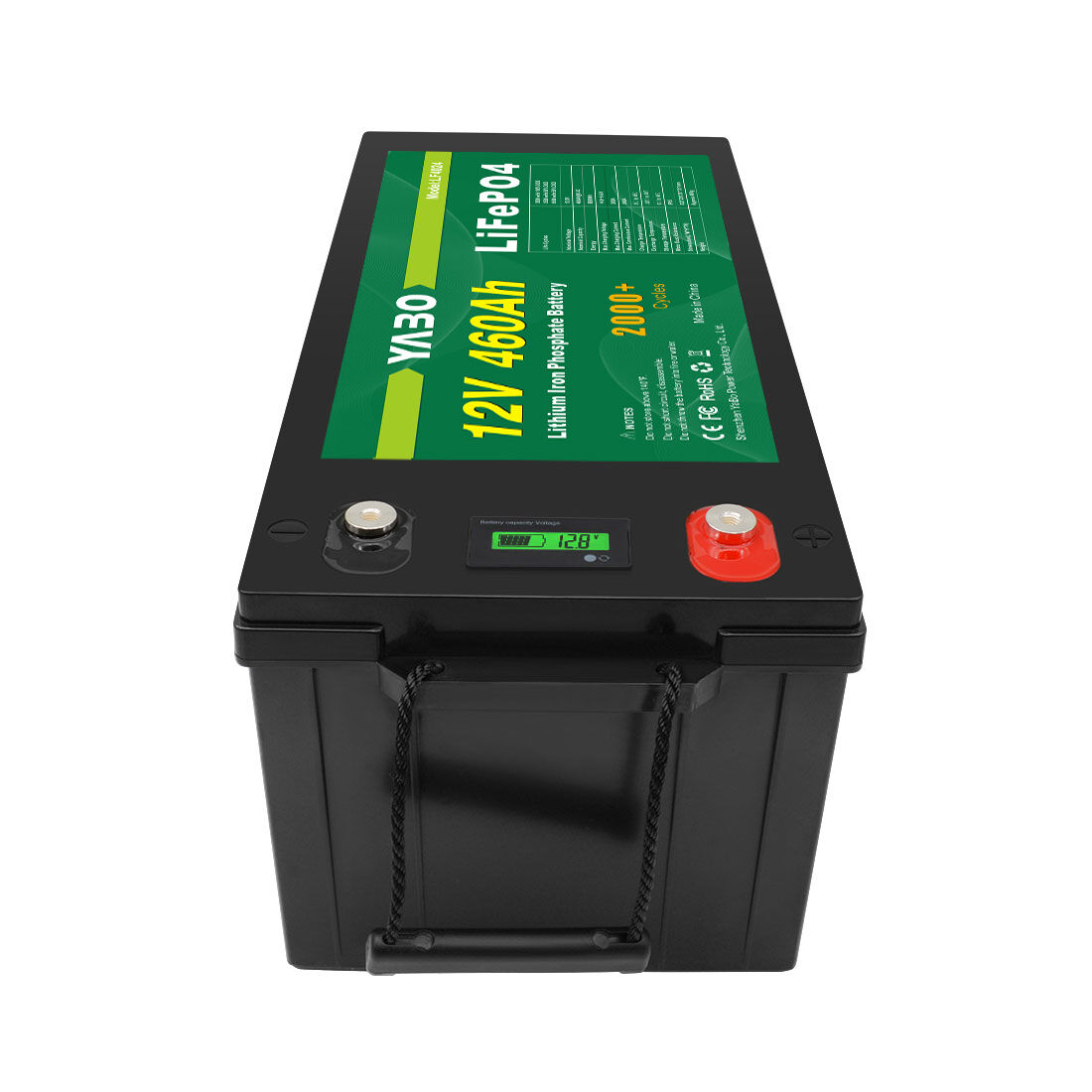
Modern homes and businesses increasingly rely on uninterrupted power supply to maintain critical operations, protect sensitive equipment, and ensure family safety during outages. The evolution of backup power solutions has led to the widespread adoption of advanced LiFePO4 battery pack technology, which offers superior performance compared to traditional lead-acid alternatives. These lithium iron phosphate systems deliver exceptional reliability, extended service life, and consistent power output that makes them ideal for emergency power applications. Understanding how high-quality LiFePO4 battery pack systems support reliable backup power requires examining their unique chemistry, construction advantages, and real-world performance characteristics.
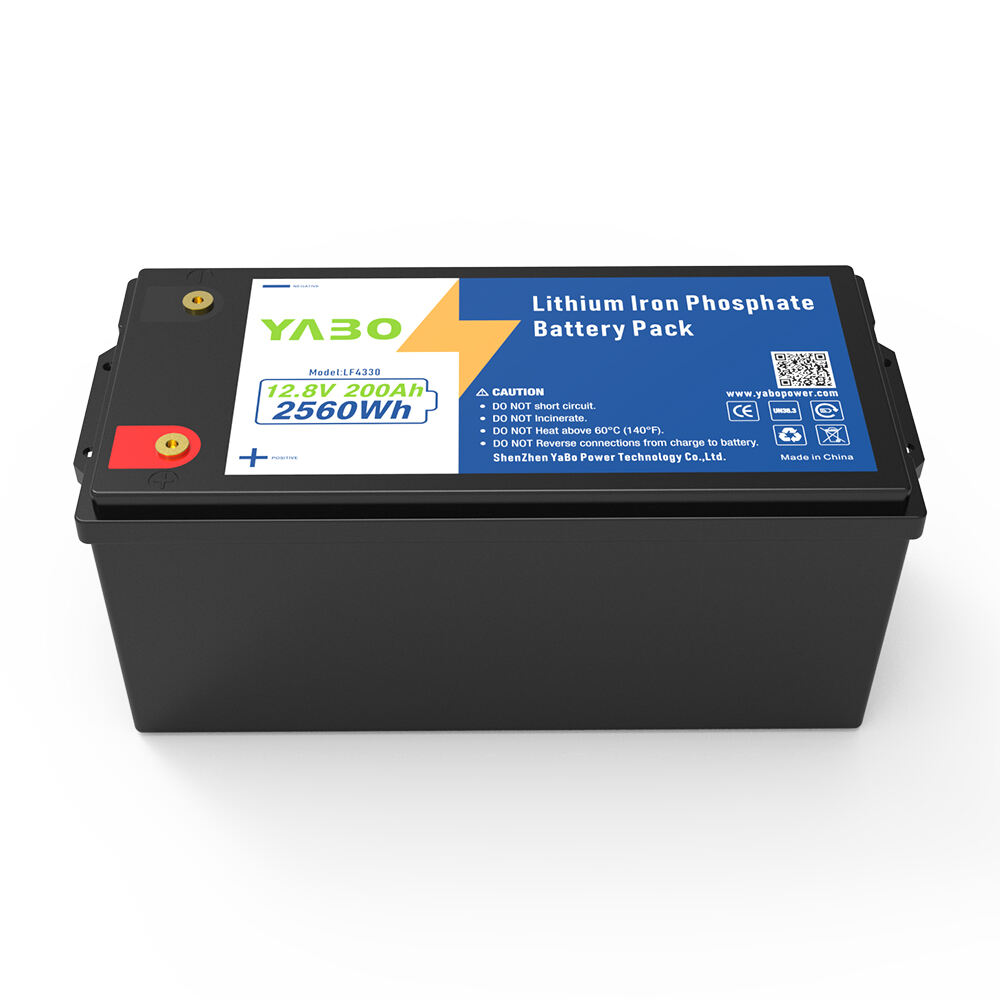
Understanding LiFePO4 Battery Technology
Chemical Composition and Stability
The foundation of reliable backup power lies in the unique chemical composition of LiFePO4 battery pack systems. Lithium iron phosphate chemistry provides inherent thermal stability and safety characteristics that surpass other lithium-ion technologies. The strong covalent bonds between phosphorus and oxygen atoms in the cathode material create a stable crystal structure that resists thermal runaway, even under extreme conditions. This chemical stability translates directly into enhanced safety margins for residential and commercial backup power applications.
The electrochemical properties of LiFePO4 battery pack technology enable consistent voltage output throughout the discharge cycle. Unlike lead-acid batteries that experience significant voltage drop as they discharge, lithium iron phosphate systems maintain stable voltage levels until nearly complete depletion. This characteristic ensures that connected equipment receives consistent power quality, protecting sensitive electronics and maintaining optimal performance of backup systems during extended outages.
Cycle Life and Longevity
High-quality LiFePO4 battery pack systems demonstrate exceptional cycle life that directly impacts their reliability as backup power solutions. Premium lithium iron phosphate batteries typically provide 3000 to 6000 charge-discharge cycles at 80% depth of discharge, compared to 500-800 cycles for conventional lead-acid batteries. This extended cycle life means that a well-designed LiFePO4 battery pack can serve as a reliable backup power source for 10-15 years under normal usage patterns.
The degradation characteristics of LiFePO4 battery pack technology follow a predictable pattern that allows for accurate capacity planning and replacement scheduling. Unlike lead-acid systems that may fail suddenly, lithium iron phosphate batteries experience gradual capacity reduction over time, providing clear indicators when replacement becomes necessary. This predictable aging process enables proactive maintenance scheduling and ensures that backup power reliability remains consistent throughout the system's operational life.
Performance Advantages for Backup Power Applications
Fast Charging Capabilities
The rapid charging characteristics of LiFePO4 battery pack systems provide significant advantages for backup power applications where quick recovery between outages is critical. Advanced lithium iron phosphate batteries can accept charge rates of 1C or higher, allowing complete recharging in 1-2 hours compared to 8-12 hours required for equivalent lead-acid systems. This fast charging capability ensures that backup power systems quickly return to full capacity after utility power restoration.
Fast charging also enables effective integration with renewable energy sources such as solar panels or wind generators. A high-quality LiFePO4 battery pack can efficiently capture and store energy from intermittent renewable sources, maximizing the utilization of available clean energy. The ability to rapidly accept charge from multiple sources simultaneously enhances system flexibility and reduces dependence on grid power for battery maintenance.
Temperature Performance and Environmental Resilience
Environmental conditions significantly impact backup power system reliability, making the temperature performance of LiFePO4 battery pack technology particularly valuable. Lithium iron phosphate chemistry maintains stable performance across a wide temperature range, typically from -20°C to 60°C, without requiring active thermal management systems. This temperature resilience ensures reliable operation in unheated basements, hot attics, or outdoor installations where traditional batteries might fail.
The low self-discharge rate of LiFePO4 battery pack systems, typically less than 3% per month, maintains charge levels during extended periods of non-use. This characteristic is crucial for emergency backup applications where batteries may remain idle for months between outages. The minimal self-discharge ensures that backup power systems remain ready for immediate deployment without frequent maintenance charging cycles.
Integration and System Design Considerations
Modular Scalability
Modern backup power requirements vary significantly based on facility size, critical load priorities, and duration requirements. High-quality LiFePO4 battery pack systems offer modular design flexibility that allows precise capacity matching and future expansion capabilities. Individual battery modules can be connected in series and parallel configurations to achieve desired voltage and capacity specifications while maintaining system balance and optimal performance.
The modular approach to LiFePO4 battery pack design enables cost-effective system sizing and reduces initial investment requirements. Users can start with basic capacity requirements and add additional modules as needs grow or budget allows. This scalability ensures that backup power systems can evolve with changing requirements without requiring complete system replacement.
Smart Battery Management Systems
Advanced LiFePO4 battery pack systems incorporate sophisticated battery management systems that monitor individual cell performance, balance charge levels, and provide comprehensive system diagnostics. These intelligent management systems ensure optimal performance and longevity while providing real-time status information to users and maintenance personnel. Integrated monitoring capabilities enable proactive maintenance scheduling and early detection of potential issues.
Smart battery management extends beyond basic monitoring to include active cell balancing, temperature compensation, and communication interfaces for system integration. Modern LiFePO4 battery pack systems can communicate with inverters, charge controllers, and facility management systems to optimize performance and coordinate operation with other backup power components. This integration capability ensures seamless operation and maximizes overall system reliability.
Economic Benefits and Total Cost of Ownership
Initial Investment and Long-term Value
While LiFePO4 battery pack systems typically require higher initial investment compared to lead-acid alternatives, the total cost of ownership over the system's operational life demonstrates significant economic advantages. The extended cycle life, reduced maintenance requirements, and improved efficiency of lithium iron phosphate technology create substantial long-term savings that offset the initial cost premium.
Maintenance cost reductions represent a major economic benefit of LiFePO4 battery pack technology. Unlike lead-acid batteries that require regular water additions, equalization charging, and frequent replacement, lithium iron phosphate systems operate maintenance-free for their entire service life. The elimination of routine maintenance tasks reduces operational costs and minimizes the risk of human error that could compromise backup power reliability.
Energy Efficiency and Operating Costs
The high round-trip efficiency of LiFePO4 battery pack systems, typically 95-98%, minimizes energy waste during charge and discharge cycles. This efficiency advantage reduces operating costs for applications that cycle frequently and maximizes the utilization of available energy sources. Higher efficiency also reduces heat generation, improving system reliability and extending component life.
Space and weight advantages of LiFePO4 battery pack technology can provide additional economic benefits, particularly in commercial and industrial applications. The higher energy density of lithium iron phosphate batteries reduces floor space requirements and simplifies installation processes. These space savings can be particularly valuable in urban environments where real estate costs are high and available space is limited.
Safety Features and Reliability Enhancements
Built-in Protection Systems
Safety considerations are paramount in backup power applications, where systems must operate reliably without constant supervision. High-quality LiFePO4 battery pack systems incorporate multiple layers of protection against overcharge, over-discharge, overcurrent, and thermal events. These protection systems operate independently of external control systems, ensuring fail-safe operation even if primary control systems malfunction.
The inherent safety characteristics of lithium iron phosphate chemistry complement engineered protection systems to create robust safety margins. LiFePO4 battery pack technology does not release oxygen during charging, eliminating the risk of explosive gas accumulation that plagues lead-acid systems. This characteristic allows installation in confined spaces without requiring extensive ventilation systems, simplifying installation and reducing costs.
Fire Safety and Environmental Impact
Fire safety considerations make LiFePO4 battery pack systems particularly suitable for residential and commercial backup power applications. The stable chemistry and robust thermal management of lithium iron phosphate technology significantly reduce fire risks compared to other lithium-ion chemistries. In the unlikely event of thermal events, LiFePO4 systems do not release toxic gases, improving safety for building occupants.
Environmental responsibility increasingly influences backup power system selection decisions. LiFePO4 battery pack technology offers superior environmental performance through extended service life, high recyclability, and the absence of toxic heavy metals such as lead or cadmium. The reduced environmental impact supports corporate sustainability goals and ensures compliance with increasingly stringent environmental regulations.
FAQ
How long can a LiFePO4 battery pack provide backup power during an outage?
The backup power duration depends on the battery capacity and connected load requirements. A typical 200Ah LiFePO4 battery pack at 12V can provide approximately 2400Wh of usable energy. For essential loads consuming 500W, this would provide roughly 4-5 hours of backup power. Larger capacity systems or load management strategies can extend backup duration significantly.
What maintenance is required for LiFePO4 battery pack backup systems?
LiFePO4 battery pack systems require minimal maintenance compared to traditional lead-acid batteries. Primary maintenance tasks include periodic visual inspections, connection cleaning, and monitoring system status displays. No water additions, equalization charging, or regular capacity testing is required. Annual professional inspections can help ensure optimal long-term performance.
Can LiFePO4 battery packs be used with existing backup power inverters?
Most modern backup power inverters are compatible with LiFePO4 battery pack systems, though some programming adjustments may be necessary. The stable voltage characteristics of lithium iron phosphate batteries often improve inverter performance and efficiency. However, charging parameters should be verified and adjusted to match lithium battery requirements for optimal performance and longevity.
Are LiFePO4 battery packs safe for indoor residential installation?
Yes, high-quality LiFePO4 battery pack systems are designed for safe indoor installation. The stable chemistry, built-in protection systems, and absence of toxic gas emissions make lithium iron phosphate batteries suitable for residential environments. Proper installation following manufacturer guidelines and local electrical codes ensures safe and reliable operation in homes and businesses.