
 EN
The cycle life of a lithium ion battery pack determines how many times you can charge and discharge it before capacity fades significantly. Understanding the factors that influence this critical metric is essential for anyone relying on energy storage systems, electric vehicles, or portable power applications. A lithium ion battery pack's lifespan directly impacts your return on investment and operational efficiency, making it crucial to recognize which elements control how long your lithium ion battery pack will maintain peak performance throughout its service life.
The cycle life of your lithium ion battery pack is not fixed by chemistry alone. Instead, it emerges from the interaction between multiple environmental, operational, and design variables. A lithium ion battery pack subjected to harsh conditions will degrade faster, while one managed carefully can exceed manufacturer expectations by thousands of cycles. This article explores the dominant factors that shape cycle life, helping you optimize battery performance and plan for replacement cycles with confidence.
Temperature Effects on Cycle Life
High Temperature Degradation
Temperature is perhaps the single most influential factor affecting the cycle life of a lithium ion battery pack. When a lithium ion battery pack operates at elevated temperatures, chemical reactions inside the cells accelerate, including unwanted side reactions at the electrode-electrolyte interface. These degradation mechanisms consume active lithium ions and increase internal resistance, reducing the effective capacity of your lithium ion battery pack with each cycle. Research consistently shows that every 10°C rise above the optimal operating range can cut cycle life roughly in half, making thermal management non-negotiable for industrial and renewable energy applications.
Cold Temperature Impact
Conversely, cold conditions also reduce the cycle life of a lithium ion battery pack, though through different mechanisms. Low temperatures increase internal resistance and slow ionic movement within the electrolyte, making it harder for your lithium ion battery pack to deliver rated power and accept charge efficiently. Repeated cycling at freezing temperatures can cause lithium plating on the anode surface, a permanent degradation pattern that compromises the cycle life of your lithium ion battery pack irreversibly. Maintaining your lithium ion battery pack between 15°C and 35°C during operation and storage provides the best balance between performance and cycle life longevity.
Charging Practices and Depth of Discharge
Optimal Charging Voltage
The voltage to which you charge your lithium ion battery pack directly influences how much degradation occurs per cycle. Charging a lithium ion battery pack to its maximum rated voltage consistently causes more electrolyte oxidation and accelerates capacity loss compared to charging to slightly lower voltages. Many manufacturers design lithium ion battery pack systems with adjustable charge limits; reducing the upper limit by 0.1V can extend cycle life by 20 to 30 percent. The trade-off is slightly reduced usable capacity per cycle, but for stationary energy storage and long-term applications, this conservative charging approach maximizes the total energy your lithium ion battery pack can deliver over its entire service life.
Depth of Discharge Strategy
How deeply you discharge your lithium ion battery pack each cycle significantly impacts total cycle count. Shallow discharge cycles, where you only use 50 percent of available capacity, extend cycle life dramatically compared to full 100 percent depth-of-discharge cycles. A lithium ion battery pack cycled between 20 and 80 percent state of charge can deliver 5000 to 8000 cycles, while the same lithium ion battery pack cycled from 0 to 100 percent might only reach 2000 to 3000 cycles. Industrial solar storage systems and backup power installations often employ partial discharge strategies to maximize the economic cycle life of their lithium ion battery pack investment.
Internal Chemistry and Manufacturing Quality
Cell Chemistry Composition
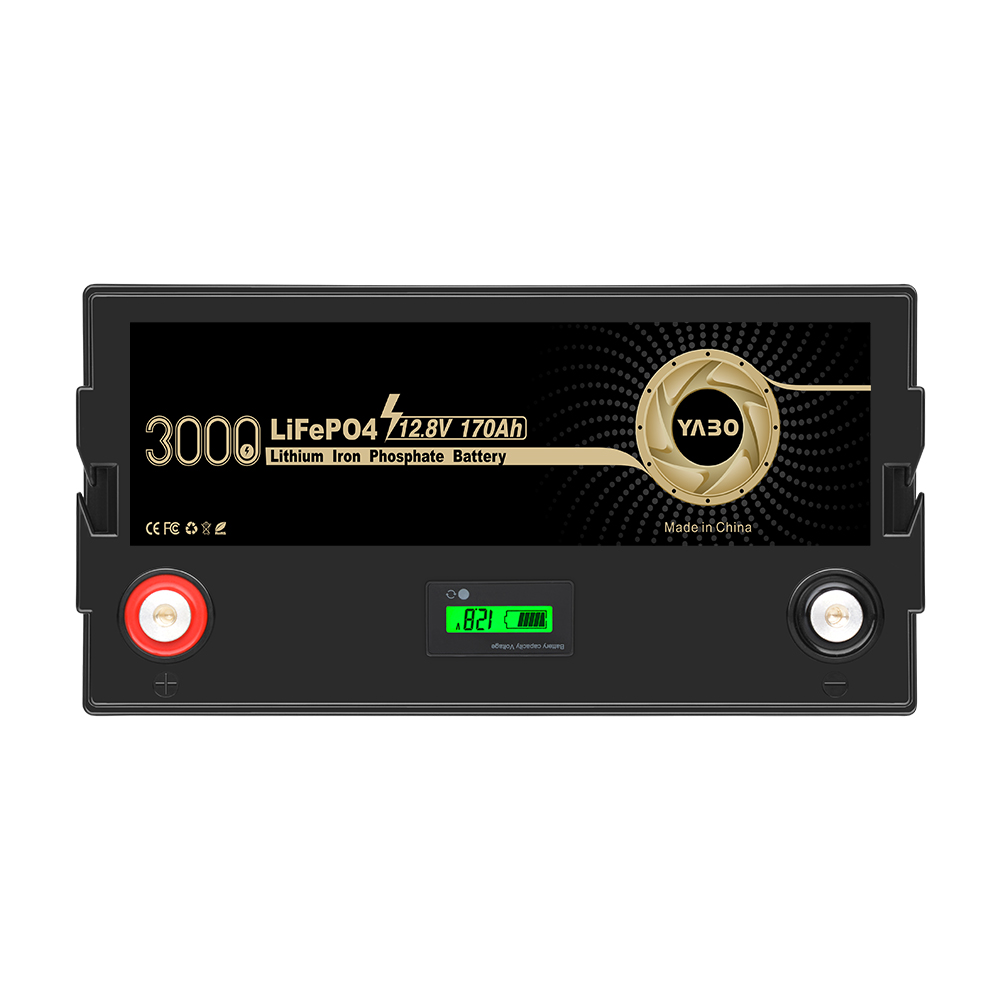
Different lithium ion battery pack chemistries exhibit inherently different cycle life characteristics. Lithium iron phosphate chemistry, for example, typically delivers 3000 to 5000 cycles under standard conditions, while nickel-based lithium ion battery pack formulations may provide 1000 to 2000 cycles before significant degradation. The choice of cathode, anode, and electrolyte materials within your lithium ion battery pack determines the fundamental stability and resistance to cycling stress. When selecting a lithium ion battery pack for your application, understanding the chemistry employed helps set realistic expectations for replacement intervals and total cost of ownership over time.
Manufacturing Consistency and BMS Integration
The quality of manufacturing and the sophistication of the battery management system directly control how well a lithium ion battery pack maintains cycle life potential. A well-engineered battery management system in your lithium ion battery pack balances cell voltages, prevents overcharging and over-discharging, monitors temperature, and optimizes charging profiles to minimize stress. Poor manufacturing tolerances can create internal imbalances where some cells in your lithium ion battery pack degrade faster than others, limiting overall pack performance. Premium lithium ion battery pack products invest in tight manufacturing controls and intelligent BMS algorithms to preserve cycle life and maintain safety throughout the pack's operational life.
FAQ
How does state of charge storage affect the cycle life of a lithium ion battery pack?
Storing a lithium ion battery pack at very high or very low charge states accelerates degradation even without cycling. The optimal storage state of charge for long-term cycle life is typically 40 to 60 percent. Storing your lithium ion battery pack fully charged or fully depleted creates unnecessary electrolyte stress and lithium migration, reducing the remaining cycle life available when you resume operation. For seasonal or long-term storage, maintaining your lithium ion battery pack at a moderate state of charge in a cool environment preserves cycle life and ensures the pack is ready for productive use when needed.
Can frequent partial charging improve the cycle life of a lithium ion battery pack?
Yes, frequent partial charging typically improves cycle life compared to full charge-discharge cycles. Each time you charge a lithium ion battery pack to 100 percent, you stress the electrodes and electrolyte more intensely than partial charging does. A lithium ion battery pack that receives multiple partial charges throughout the day rather than one full charge experiences less cumulative stress, resulting in extended cycle life. This pattern is particularly beneficial for applications like solar energy storage, where a lithium ion battery pack receives frequent small charges and discharges that naturally keep the system in the optimal state-of-charge window.
What role does cycle rate (C-rate) play in determining cycle life of a lithium ion battery pack?
The charge and discharge rate, expressed as C-rate, significantly influences cycle life degradation in a lithium ion battery pack. Faster charging and discharging rates generate internal heat and increase mechanical stress on the electrode materials, causing a lithium ion battery pack to lose capacity more quickly per cycle. Slower charge rates allow better thermal management and more uniform current distribution, extending cycle life. Applications demanding rapid charging sacrifice some cycle life, while systems designed for slower, steady cycling—such as grid-scale energy storage using a lithium ion battery pack—achieve maximum total cycle count and lowest cost per kilowatt-hour delivered.