
 EN
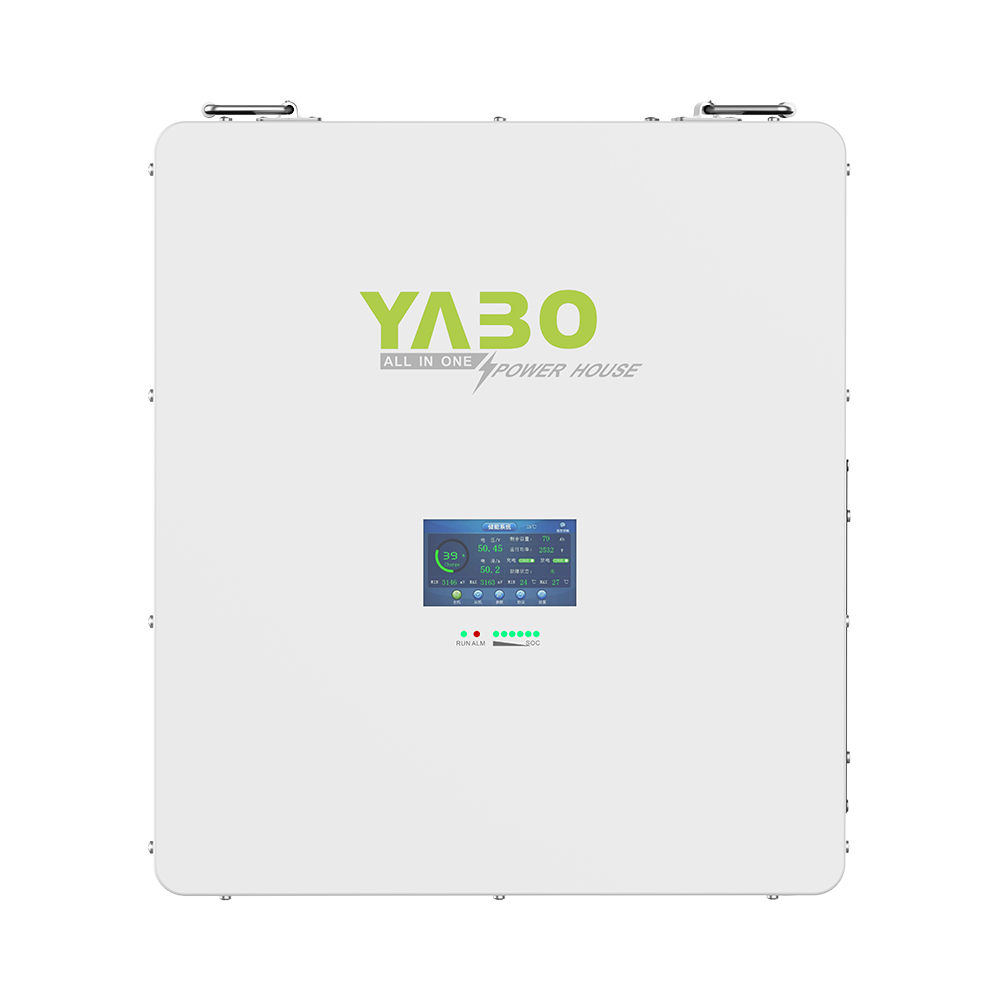
A home energy storage battery represents one of the most valuable investments homeowners can make for energy independence and backup power. Maximizing the lifespan of your home energy storage battery directly impacts the return on investment and reliability of your renewable energy system. Most homeowners underestimate how much their daily habits and maintenance routines influence how long their home energy storage battery will perform at peak capacity. Understanding and implementing proper maintenance practices can add years to your system's life while maintaining consistent output.
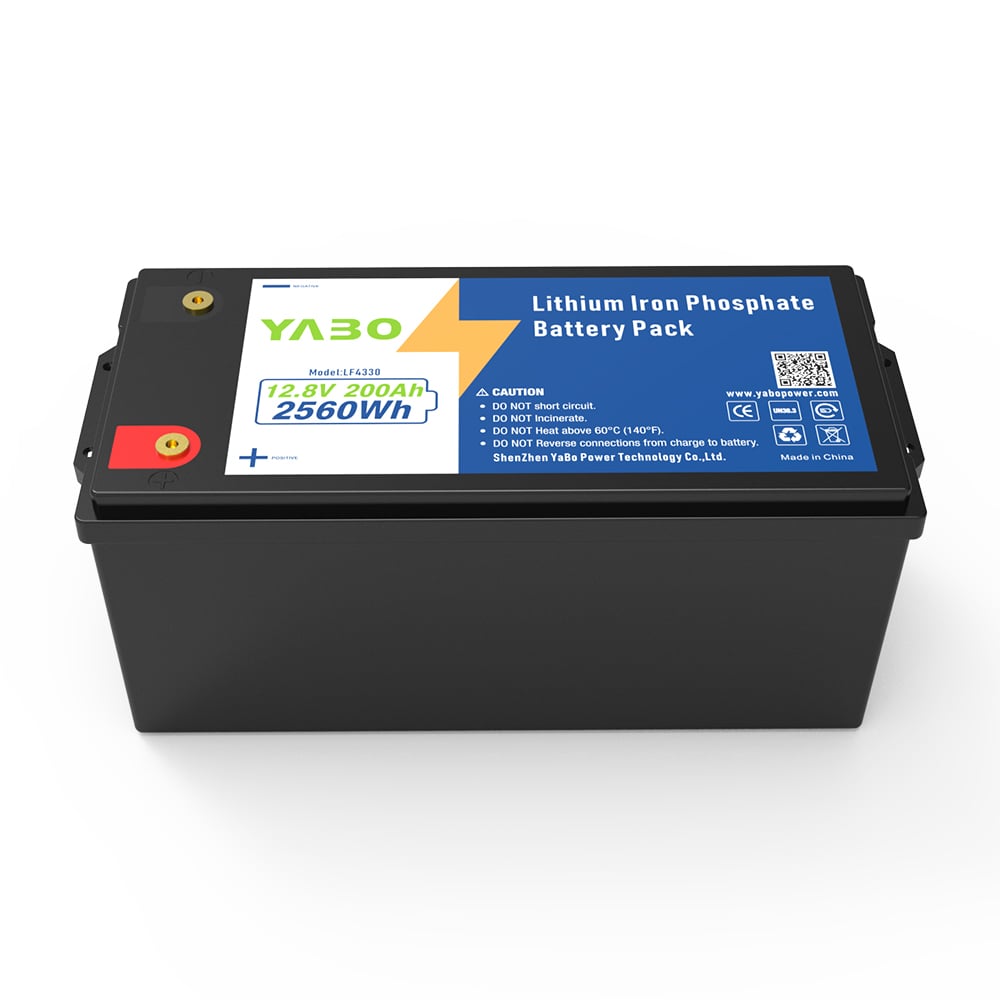
The lifespan of your home energy storage battery depends on multiple factors working together: charging patterns, temperature regulation, depth of discharge cycles, and regular monitoring. Battery chemistry, particularly lithium iron phosphate technology found in modern home energy storage battery systems, responds well to consistent care. When homeowners treat their home energy storage battery with intentional maintenance practices, they often extend performance life by 40 to 60 percent beyond manufacturer baseline expectations. This guide covers the essential maintenance practices that keep your home energy storage battery operating efficiently for decades.
Optimize Charging Patterns for Battery Longevity
Understanding Charge Cycles and Battery Health
A charge cycle represents one complete discharge and recharge of your home energy storage battery from full to empty. Lithium-based home energy storage battery systems perform best when you avoid complete discharge cycles regularly. Most manufacturers design modern home energy storage battery packs to handle full discharge, but partial discharge cycles stress the battery chemistry less severely. Running your home energy storage battery between 20 and 80 percent capacity on routine days extends overall lifespan significantly compared to cycling it between 0 and 100 percent daily.
Implementing Smart Charging Strategies
Your home energy storage battery benefits from slow, steady charging rather than rapid charging whenever possible. If your system includes a charger controller, set it to limit charging to 90 percent on days when you don't expect a complete power outage. This practice reduces stress on individual cells within your home energy storage battery pack and preserves capacity over thousands of cycles. During backup events or when you expect extended cloudy weather, allow your home energy storage battery to charge to 100 percent, but return to partial charging protocols once the emergency passes. Smart scheduling through monitoring software can automate these charging optimization patterns, ensuring your home energy storage battery operates within ideal parameters without requiring constant manual adjustment.
Maintain Optimal Temperature Control
Temperature's Critical Role in Battery Performance
Temperature represents one of the most powerful drivers of your home energy storage battery's degradation rate. Lithium cells in your home energy storage battery perform optimally between 20 and 25 degrees Celsius, with acceptable operation extending to 15 to 30 degrees. Exposure to temperatures above 35 degrees Celsius accelerates chemical reactions inside your home energy storage battery, reducing its calendar lifespan even without active charging or discharging. Conversely, temperatures below 0 degrees Celsius increase internal resistance and temporarily reduce the available capacity of your home energy storage battery, though this effect typically reverses once temperatures normalize.
Creating Proper Environmental Conditions
Install your home energy storage battery in an insulated, climate-controlled space whenever feasible. Many homeowners position their home energy storage battery system in basements, utility rooms, or weatherproof outdoor enclosures designed to moderate temperature swings. Adequate ventilation around your home energy storage battery prevents heat accumulation, while insulation minimizes exposure to seasonal temperature extremes. If outdoor installation is necessary, choose a location shaded from direct sun exposure and consider adding thermal barriers. Monitoring the ambient temperature near your home energy storage battery installation regularly helps you identify environmental issues before they cause significant degradation. Some advanced home energy storage battery systems include integrated thermal management, but passive environmental control through location selection remains the most cost-effective approach.
Monitor and Manage Depth of Discharge
Understanding Depth of Discharge Impact
Depth of discharge, or DoD, measures what percentage of your home energy storage battery's total capacity you use before recharging. A home energy storage battery cycled to 50 percent depth of discharge will outlast one cycled to 100 percent depth by a factor of approximately 1.5 to 2 times. Your home energy storage battery chemistry has a limited number of full-depth discharge cycles built into its design; partial cycling extends the total number of possible cycles exponentially. If your system includes a management dashboard, most manufacturers recommend maintaining your home energy storage battery between 10 and 90 percent state of charge during normal operation to maximize longevity.
Practical Depth of Discharge Strategies
Establish usage patterns that keep your home energy storage battery from regularly reaching near-empty states unless emergencies require full power reserves. Configure your system's charge controller to trigger battery charging when capacity drops to 30 or 40 percent during typical days, reserving lower thresholds for genuine backup scenarios. Homeowners with well-sized solar systems and home energy storage battery capacity can maintain these conservative discharge profiles consistently. This strategy requires balancing your home's daily energy consumption against solar production and available storage capacity. Over-sizing your home energy storage battery relative to your home's typical daily consumption allows you to operate within gentler discharge ranges, which extends the battery's calendar and cycle lifespan simultaneously.
FAQ
How often should I check my home energy storage battery for maintenance?
Most home energy storage battery systems require minimal hands-on maintenance, but monitoring through digital dashboards should happen monthly. Check voltage, current, temperature readings, and state of charge indicators regularly. If your home energy storage battery includes user-accessible terminals or connections, inspect them quarterly for corrosion or loose connections. Many manufacturers recommend professional inspections every 2 to 3 years, particularly if your home energy storage battery operates in challenging environmental conditions.
Can I leave my home energy storage battery fully charged indefinitely?
Leaving your home energy storage battery at 100 percent charge for extended periods accelerates calendar aging, though the effect is slower than high temperature exposure. If you anticipate extended periods without using your home energy storage battery, store it at approximately 50 percent charge in a cool environment. Most lithium-based home energy storage battery systems lose 2 to 3 percent capacity annually even at rest; proper storage conditions minimize this self-discharge rate significantly.
What warranty protection typically covers home energy storage battery degradation?
Most manufacturers guarantee home energy storage battery capacity retention of 70 to 80 percent after 10 years or a specified number of cycles, whichever comes first. This warranty typically covers defects and premature failure but may exclude degradation caused by improper maintenance, extreme temperature exposure, or abuse. Reading your specific home energy storage battery warranty documentation clarifies what degradation scenarios are covered and what usage patterns maintain warranty validity.