
 EN
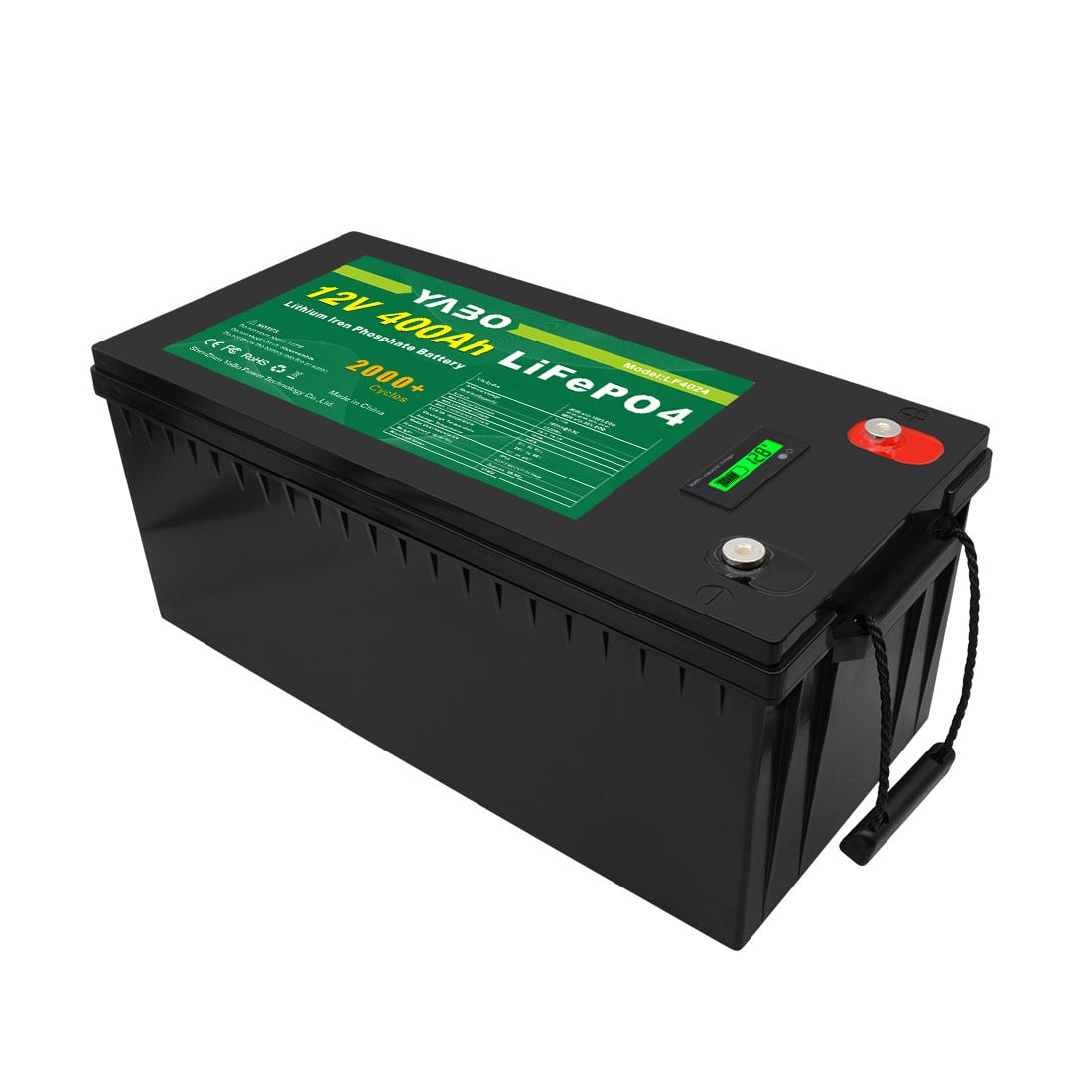
When the grid fails, a home energy storage battery becomes your home's lifeline. Power outages strike without warning, leaving households vulnerable to darkness, disconnected communication, spoiled food, and safety risks. A reliable home energy storage battery system captures and stores electrical energy during normal grid operation, then releases that power instantly when the grid goes down. This seamless transition ensures critical appliances, lighting, and devices continue functioning throughout an outage, protecting your family's comfort and security.
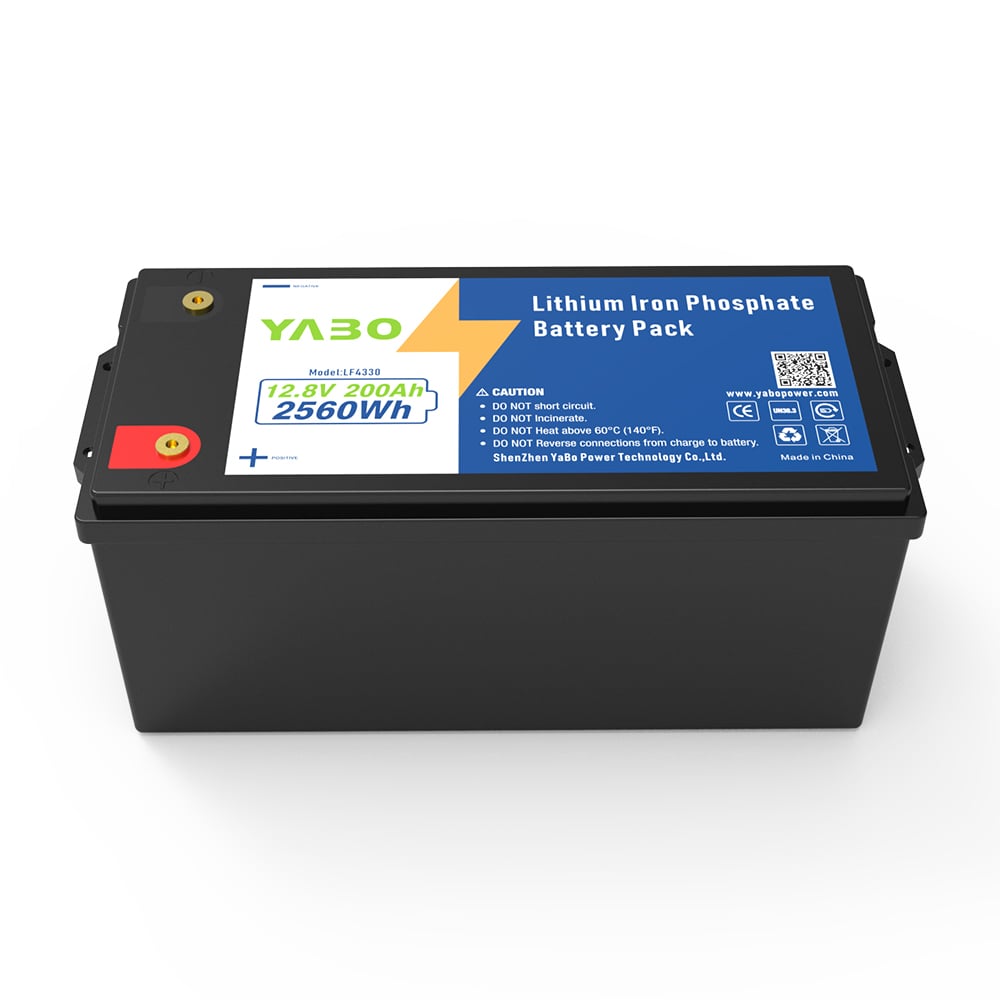
Modern home energy storage battery technology has evolved dramatically, moving beyond simple backup solutions toward integrated power management systems. These batteries store electrical energy chemically, then convert it back to usable power when needed. The capacity of a home energy storage battery determines how long your household can remain independent during an outage. Understanding how a home energy storage battery protects against grid failure, the mechanisms that enable reliable power delivery, and the factors that determine battery performance is essential for homeowners seeking resilience and energy independence.
How a Home Energy Storage Battery Provides Backup Power
Instant Power Transfer During Grid Failure
When the electrical grid experiences a fault, voltage dips, or complete shutdown, a home energy storage battery system detects the disruption within milliseconds. The home energy storage battery inverter continuously monitors incoming grid voltage and frequency. The moment those parameters fall outside safe operating ranges, the inverter switches your home's electrical load from grid power to battery power. This transition is so rapid that most modern appliances experience no interruption. A properly configured home energy storage battery system ensures that critical circuits, including refrigerators, heating systems, medical devices, and security systems, maintain continuous power without gaps that could cause data loss or equipment damage.
Capacity and Runtime Specifications
The runtime capability of a home energy storage battery depends directly on its capacity measured in kilowatt-hours and the household's power consumption during the outage. A typical home energy storage battery rated at 10 kWh can power essential loads for 24 to 48 hours, depending on usage patterns. However, homeowners must understand that a home energy storage battery cannot run the entire house indefinitely at full power consumption. Instead, a home energy storage battery system prioritizes critical circuits: essential appliances, lighting, refrigeration, security systems, and medical equipment. Homeowners can extend a home energy storage battery's runtime by reducing discretionary load or combining the home energy storage battery system with solar panels that recharge the battery during daylight hours.
Technical Architecture Enabling Outage Protection
Battery Chemistry and Discharge Stability
Modern home energy storage battery systems employ lithium iron phosphate chemistry, which delivers stable voltage output throughout the discharge cycle. Unlike older lead-acid alternatives, a home energy storage battery using LiFePO4 chemistry maintains consistent power delivery until the battery reaches low charge levels. This stability is crucial during outages because a home energy storage battery that delivers fluctuating voltage can damage sensitive electronics or cause appliances to cycle on and off unpredictably. A premium home energy storage battery maintains voltage regulation through sophisticated battery management systems that monitor individual cell performance, temperature, and charge state. This active monitoring ensures a home energy storage battery delivers reliable, clean power to your home throughout the entire outage duration.
Inverter Integration and System Coordination
The inverter is the operational brain connecting your home energy storage battery to household circuits. When grid power is available, the inverter charges your home energy storage battery while allowing standard grid power to flow through to appliances. When a home energy storage battery detects grid failure, the inverter instantly isolates your home from the failing grid and energizes your home energy storage battery output. Hybrid inverters can coordinate multiple power sources: the home energy storage battery as primary backup, solar panels as secondary charging during outages, and generator support if needed. The quality of inverter design determines how effectively a home energy storage battery protects your home. Advanced inverters running a home energy storage battery system can also provide automatic load shedding, preventing a home energy storage battery from overload by temporarily disconnecting non-essential circuits when demand exceeds battery power output capability.
Practical Reliability Factors for Outage Protection
Battery Management System and Longevity
A home energy storage battery's reliability during actual grid outages depends heavily on its internal battery management system. The BMS continuously monitors voltage, current, temperature, and cell balance across the home energy storage battery pack. If a home energy storage battery detects unsafe conditions, the BMS can disconnect the pack or reduce output to prevent damage. This protection mechanism ensures a home energy storage battery remains functional for the next outage if the current event lasts longer than expected or if another outage occurs within days. Homeowners should verify their home energy storage battery includes comprehensive BMS protections against overcharge, overdischarge, overcurrent, and thermal runaway. A home energy storage battery with premium BMS design will maintain 80 percent capacity after 5,000 to 10,000 cycles, ensuring reliable backup power for a decade or longer.
Pre-Outage Preparation and Maintenance
A home energy storage battery only delivers backup power if it is fully charged when the outage begins. Homeowners should maintain their home energy storage battery at 80 to 100 percent charge during high-risk storm seasons or when weather forecasts predict potential grid instability. Quarterly monitoring of home energy storage battery charge status and system performance ensures the battery and inverter remain ready for unexpected events. A home energy storage battery system should include clear status indicators showing current charge level and estimated runtime remaining. Annual inspection of wiring, connection terminals, and inverter cooling systems ensures your home energy storage battery infrastructure operates at peak efficiency. Homeowners who invest time in maintaining their home energy storage battery system maximize the probability that backup power will be available exactly when their family needs it most during grid failures.
FAQ
Can a home energy storage battery power my entire home during an outage?
A home energy storage battery can power essential circuits indefinitely if properly sized and configured, but powering the entire home including heating, cooling, and simultaneous high-load appliances will rapidly deplete the battery. Most homeowners configure their home energy storage battery system to prioritize critical loads: refrigeration, lighting, security systems, medical devices, and water pumping. Full-house backup requires either an oversized home energy storage battery (typically 30+ kWh) or continuous supplemental charging from solar panels or generators. The home energy storage battery investment becomes more cost-effective when prioritizing essential circuits rather than attempting complete household independence.
How long will a home energy storage battery keep my power on?
A home energy storage battery's runtime depends on its capacity and your usage pattern. A 10 kWh home energy storage battery powering 2 kW of essential loads will provide 5 hours of backup. A 15 kWh home energy storage battery under similar conditions extends runtime to 7.5 hours. If your home energy storage battery is paired with solar panels, daytime outages may never deplete the battery significantly because the solar panels continuously recharge it. Most residential outages last fewer than 24 hours, so a moderately sized home energy storage battery covering 24 to 36 hours of critical-load power provides practical resilience for typical grid disruption events.
What maintenance does a home energy storage battery need for reliable backup?
A home energy storage battery requires minimal active maintenance: keep it charged to 80 to 100 percent during storm season, verify inverter status indicators monthly, inspect visible wiring annually, and ensure adequate ventilation around equipment. Most modern home energy storage battery systems include sophisticated battery management systems that handle internal monitoring automatically. If your home energy storage battery shows error codes or fails to charge fully, contact your installer or manufacturer immediately because battery or inverter faults should be addressed before the next outage. Professional inspection every 2 to 3 years confirms your home energy storage battery system remains safe and operational, extending its useful lifespan and ensuring backup power reliability.