
 EN
EN
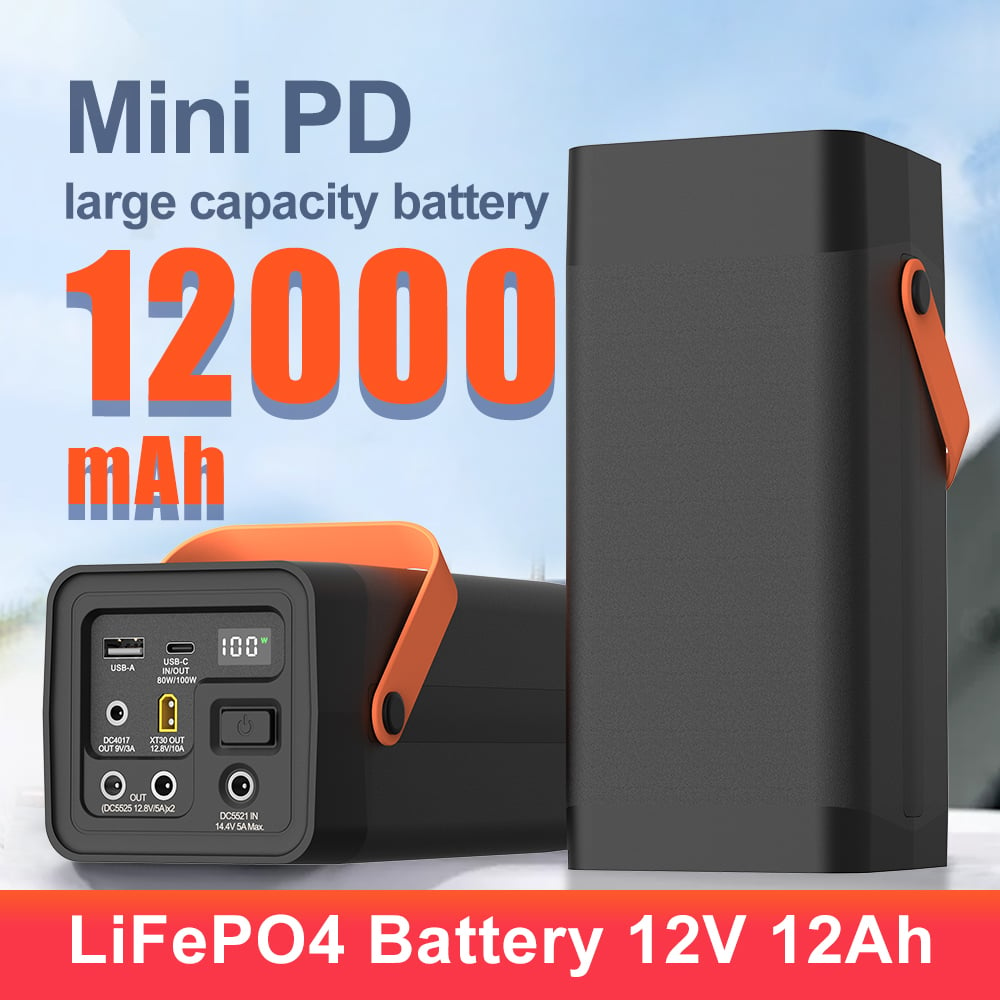
Critical equipment failures can cost industrial operations thousands of dollars per hour in lost productivity. Downtime ripples across supply chains, disrupts customer commitments, and erodes competitive advantage. Organizations in telecommunications, data centers, emergency services, and industrial manufacturing are increasingly turning to lithium ion battery packs as a primary solution to eliminate or dramatically reduce unexpected equipment shutdowns. Unlike traditional power backup systems, a modern lithium ion battery pack delivers rapid response times, sustained power output, and exceptional cycle life that keeps essential systems running when they matter most.
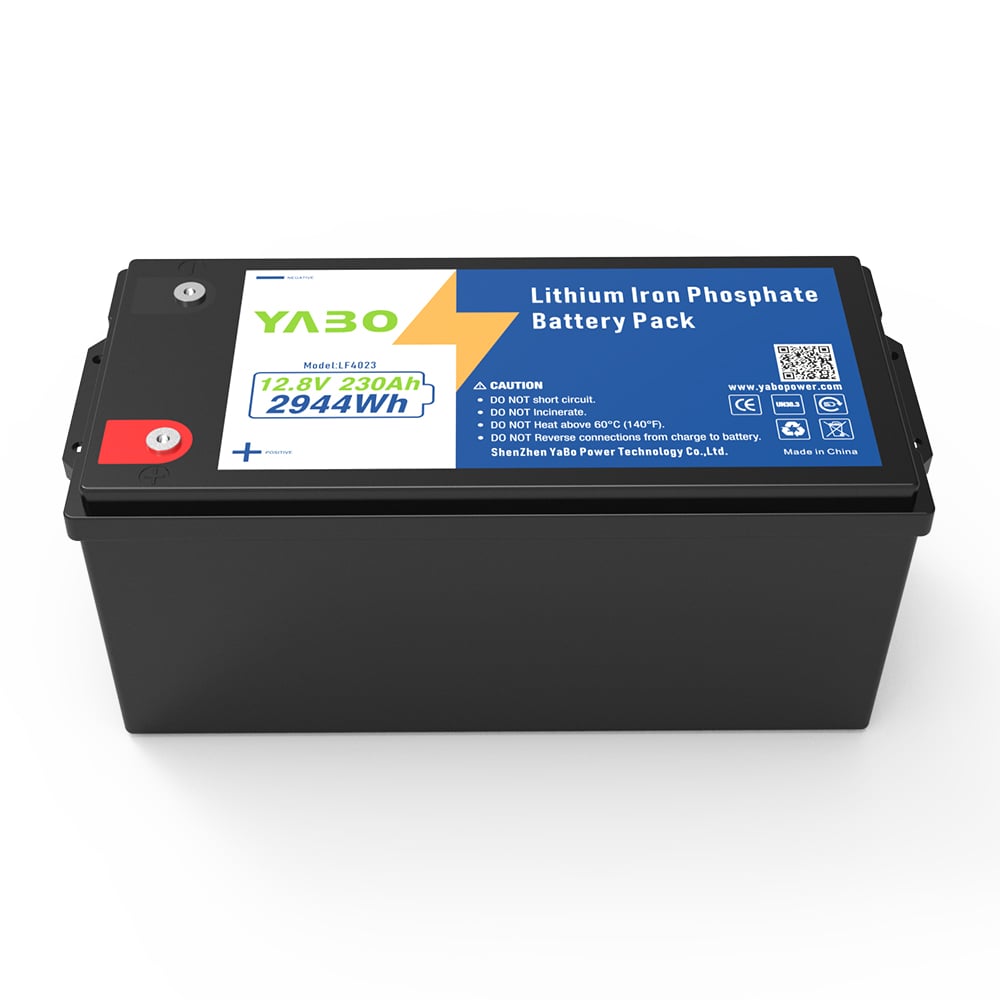
A lithium ion battery pack represents a fundamental shift in how industrial operations approach power resilience. The technology combines high energy density, rapid charging capability, and intelligent battery management systems to ensure continuous operation during grid disturbances, maintenance windows, and emergency scenarios. This article explores how lithium ion battery pack deployments reduce downtime, improve system reliability, and deliver measurable operational and financial benefits across demanding industrial environments.
Understanding Downtime Costs and Battery Pack Impact
The True Cost of Equipment Downtime
Every minute of unplanned downtime generates cascading losses. Critical telecommunications infrastructure loses revenue and customer trust. Data center operations face service level agreement penalties. Manufacturing facilities experience production delays and inventory disruptions. A lithium ion battery pack eliminates many common downtime triggers by providing instantaneous, reliable backup power that maintains operations during unexpected events. The investment in a quality lithium ion battery pack is typically recovered within months through avoided downtime costs alone.
Power Continuity Through Advanced Battery Technology
Traditional lead-acid backup systems suffer from slow response times, maintenance requirements, and limited cycle life. A lithium ion battery pack responds to power interruptions in milliseconds, requires minimal maintenance, and delivers thousands of charge cycles. Organizations deploying a lithium ion battery pack experience fewer forced shutdowns, shorter recovery periods, and more predictable power availability. This technological advantage makes a lithium ion battery pack the preferred choice for mission-critical applications where interruptions cannot be tolerated.
Key Performance Advantages of Lithium Ion Battery Packs
Energy Density and Sustained Power Output
A lithium ion battery pack stores significantly more energy in a compact physical footprint compared to alternative battery technologies. This higher energy density means a smaller, lighter lithium ion battery pack can power equipment longer, fitting into space-constrained installations while delivering enhanced performance. The consistent voltage output of a lithium ion battery pack throughout its discharge cycle ensures sensitive equipment receives stable power, preventing the voltage sag that sometimes triggers failures in lead-acid systems.
Rapid Charging and Cycle Life Longevity
A lithium ion battery pack charges to full capacity in hours rather than days, reducing recovery time after discharge events. The technology also withstands thousands of complete charge cycles with minimal capacity degradation, meaning a lithium ion battery pack maintains performance reliability over 10 to 15 years or more of regular use. This extended operational life directly translates to lower total cost of ownership and fewer replacement cycles that would otherwise interrupt operations.
Industrial Applications Where Lithium Ion Battery Packs Excel
Telecommunications and Network Infrastructure
Telecom towers and network hubs require uninterrupted power to maintain call routing, data transmission, and emergency services connectivity. A lithium ion battery pack installed at these sites ensures service continuity during grid outages. Network operators deploying a lithium ion battery pack report significantly reduced network downtime incidents and improved service reliability metrics. The fast-response characteristics of a lithium ion battery pack make it ideally suited to the demanding timing requirements of telecommunications infrastructure.
Data Centers and Server Operations
Data center operators face extreme penalties for service interruptions lasting even seconds. A lithium ion battery pack bridges the gap between grid loss and diesel generator activation, ensuring servers remain operational without unexpected shutdowns. Data centers implementing lithium ion battery pack systems report improved uptime statistics and reduced strain on emergency power systems. The reliability profile of a lithium ion battery pack makes it a foundational component of modern data center resilience strategies.
Emergency Services and Critical Healthcare
Hospitals, emergency dispatch centers, and medical device manufacturers cannot tolerate power interruptions. A lithium ion battery pack keeps life-support equipment, communication systems, and diagnostic tools running during emergencies. Medical facilities adopting lithium ion battery pack technology report fewer patient safety incidents related to power failures and enhanced disaster recovery readiness. The proven reliability of a lithium ion battery pack in these high-stakes environments demonstrates its critical importance.
Implementing Lithium Ion Battery Packs Strategically
Sizing and System Integration Considerations
Selecting the correct lithium ion battery pack capacity requires understanding peak power demands and acceptable runtime duration for your equipment. A properly sized lithium ion battery pack provides sufficient backup time for graceful system shutdown or generator activation. Integrating a lithium ion battery pack into existing infrastructure involves coordination with power management systems, charging infrastructure, and safety protocols. Professional assessment ensures your lithium ion battery pack delivers intended downtime reduction without operational complications.
Maintenance and Operational Excellence
A lithium ion battery pack requires substantially less maintenance than older battery technologies, typically limited to occasional software updates and environmental monitoring. Modern lithium ion battery pack systems include built-in management electronics that optimize charge cycles, balance cell voltages, and alert operators to any issues. Regular monitoring ensures your lithium ion battery pack remains in peak condition and ready to respond instantly when backup power is needed. This simplified maintenance regime reduces operational overhead while maintaining reliability.
FAQ
How quickly does a lithium ion battery pack respond to power interruptions?
A lithium ion battery pack responds in milliseconds, often imperceptible to connected equipment. This instantaneous response prevents the brief voltage dips that can trigger device restarts or data corruption. Lead-acid alternatives typically require several seconds to reach full output, creating dangerous gaps where equipment may shut down unexpectedly. The millisecond-scale response of a lithium ion battery pack is one of its most critical advantages for preventing downtime incidents.
What is the expected lifespan of a lithium ion battery pack in industrial settings?
A quality lithium ion battery pack designed for industrial use typically lasts 10 to 15 years, delivering thousands of charge cycles with minimal performance degradation. The actual lifespan depends on operating temperature, charging patterns, and system design, but a lithium ion battery pack substantially outlasts traditional lead-acid systems. This extended lifespan makes a lithium ion battery pack a cost-effective long-term investment for critical equipment protection.
Can a lithium ion battery pack be retrofitted into existing backup power systems?
Most modern facilities can integrate a lithium ion battery pack into existing power infrastructure with appropriate adapters and management systems. A lithium ion battery pack often requires less physical space than replaced lead-acid systems, creating installation flexibility. However, compatibility assessment by qualified professionals ensures your lithium ion battery pack integrates safely and effectively. Consulting technical specifications and compatibility requirements before retrofitting a lithium ion battery pack prevents costly mistakes.