
 EN
EN
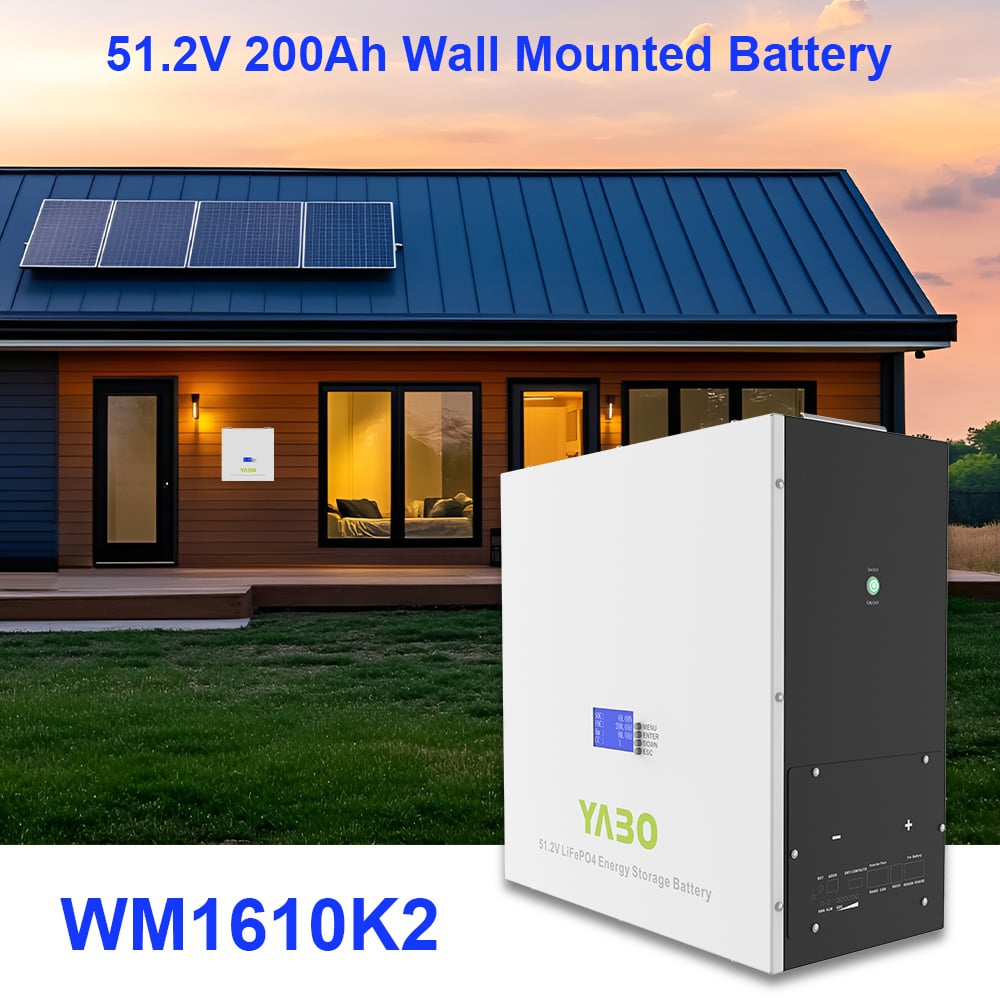
Selecting the right 48V lithium batteries is one of the most critical decisions integrators face when designing energy storage systems, backup power solutions, or renewable energy installations. The market offers numerous options, each with distinct performance profiles, cost structures, and suitability for different applications. Understanding what to evaluate before committing to 48V lithium batteries ensures your projects deliver reliability, cost-effectiveness, and long-term value to end customers.
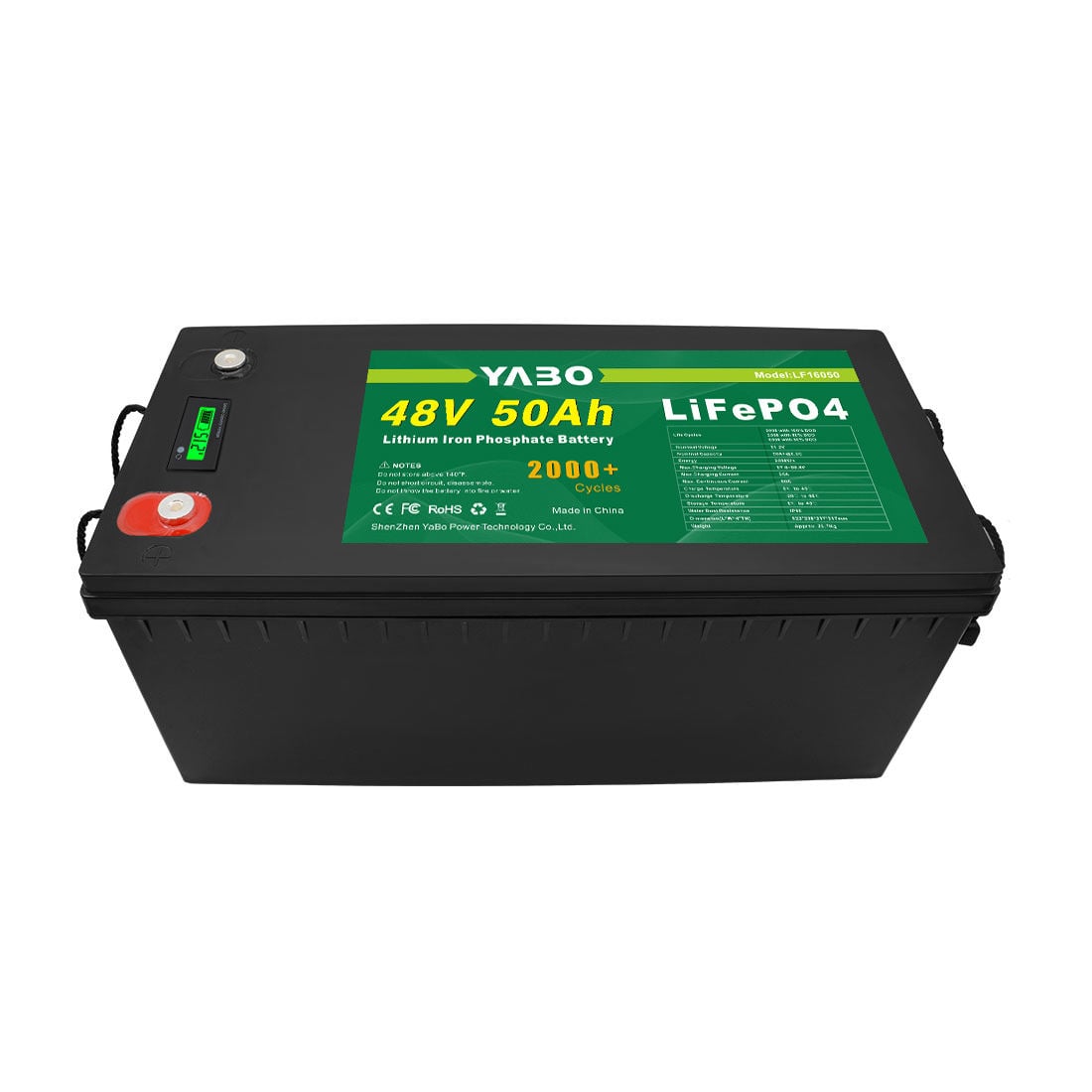
The evaluation process goes beyond comparing price tags or capacity ratings. Integrators must assess chemical composition, cycle life expectations, thermal management capabilities, safety certifications, and how 48V lithium batteries integrate with existing system architectures. This comprehensive approach prevents costly mistakes, ensures compliance with industry standards, and builds customer confidence in system performance and durability.
Battery Chemistry and Performance Specifications
Understanding Lithium Chemistry Types
Not all 48V lithium batteries use the same chemical composition, and this distinction directly impacts performance, safety, and longevity. Lithium iron phosphate (LiFePO4) chemistry has become the industry standard for stationary energy storage because it offers superior thermal stability compared to other lithium types. When evaluating 48V lithium batteries, confirm whether they use LiFePO4 or alternative chemistries like NMC or LCO, as each presents different trade-offs in energy density, cycle life, and operating temperature ranges. LiFePO4-based 48V lithium batteries provide inherently safer operation with lower risk of thermal runaway, making them ideal for residential and commercial applications where safety margins are non-negotiable.
The chemical foundation of 48V lithium batteries determines their voltage stability, depth of discharge capability, and response to environmental stress. Higher quality 48V lithium batteries maintain stable output voltage even as stored energy depletes, which is critical for equipment expecting consistent 48-volt operation. Integrators should verify the nominal voltage, maximum voltage rating, and minimum voltage cutoff for any 48V lithium batteries under consideration, as these parameters define usable capacity and system efficiency.
Capacity, Power Rating, and Scalability
Capacity specifications define how much energy 48V lithium batteries can store, typically measured in kilowatt-hours (kWh) or amp-hours (Ah). A 48V lithium battery rated at 100Ah provides approximately 4.8 kWh of usable energy, though actual available capacity depends on the depth of discharge settings programmed into the battery management system. When evaluating 48V lithium batteries, assess whether published capacity ratings reflect the total energy or only the usable portion after accounting for protection reserves. Power rating, measured in kilowatts (kW), indicates how quickly 48V lithium batteries can deliver energy and is essential for applications requiring rapid discharge during peak demand.
Scalability is another critical dimension when evaluating 48V lithium batteries for growing installations. Many high-quality 48V lithium batteries support stacking or parallel connection, allowing integrators to expand system capacity without replacing the entire battery bank. Verify the maximum number of units that can be safely paralleled, the communication protocol used for cell balancing during multi-unit configurations, and whether the battery management system automatically handles load distribution across parallel 48V lithium batteries. This modular approach reduces project risk and provides customers with cost-phased expansion opportunities.
Cycle Life, Warranty Coverage, and Reliability
Cycle Life Expectations and Degradation Patterns
Cycle life represents the number of complete charge-discharge cycles a battery can sustain before capacity degrades below 80 percent of the original rating. High-performance 48V lithium batteries engineered for stationary applications often deliver 5,000 to 10,000+ cycles, translating to 10 to 20+ years of service life depending on daily cycling patterns. Integrators must understand how cycle counts are measured under standard laboratory conditions and how real-world operating patterns differ from these benchmarks. Deep cycling, rapid charging, and elevated temperatures all accelerate degradation in 48V lithium batteries, so actual system life may vary significantly from catalog ratings if environmental conditions are unfavorable.
When evaluating 48V lithium batteries, request degradation curves that show capacity retention over time under various operating scenarios. Understanding how temperature, charging speed, and discharge depth affect the longevity of 48V lithium batteries helps integrators size systems appropriately and set realistic customer expectations. Some manufacturers provide conservative cycle-life ratings while others publish optimistic projections, so independent testing data or third-party certifications can validate claims about 48V lithium batteries durability and real-world performance.
Warranty Terms and Manufacturer Support
Warranty coverage directly reflects the manufacturer's confidence in 48V lithium batteries reliability and provides crucial protection for integrators and end customers. Standard warranties typically cover defects in materials and workmanship for 5 to 10 years, while some premium 48V lithium batteries include performance guarantees ensuring the battery retains minimum capacity percentage after a specified period. Carefully review warranty exclusions, as many manufacturers limit coverage if 48V lithium batteries are operated outside recommended voltage, temperature, or cycling parameters. Integrators should verify whether the warranty covers replacement at no cost, partial reimbursement, or prorated refunds based on usage duration.
Technical support quality is equally important when selecting 48V lithium batteries. Responsive manufacturers provide detailed documentation, integration guides, and troubleshooting assistance that accelerate system commissioning and reduce project delays. Evaluate the availability of local service centers, warranty claim processing speed, and whether the manufacturer actively supports integrators with firmware updates and system optimization recommendations for deployed 48V lithium batteries installations.
Safety Certifications, Thermal Management, and System Integration
Safety Standards and Compliance Requirements
48V lithium batteries used in stationary energy storage must comply with stringent international safety standards including UN38.3 for transportation, IEC 62619 for industrial battery safety, and UL 1973 or equivalent certifications for residential installations. These standards ensure 48V lithium batteries undergo rigorous testing for thermal stability, short-circuit protection, overcharge prevention, and fire containment under abnormal conditions. Integrators must verify that candidate 48V lithium batteries hold these certifications from recognized test laboratories, not merely claims from manufacturers without third-party validation. Compliance with local electrical codes and energy storage regulations is equally critical, as some jurisdictions impose additional requirements for stationary battery systems beyond international standards.
The battery management system embedded in quality 48V lithium batteries provides essential protection through cell-level monitoring, voltage balancing, temperature sensing, and rapid shutdown capabilities in fault conditions. This intelligent control prevents individual cells within 48V lithium batteries from overcharging, over-discharging, or entering thermal runaway states that could damage the system or create safety hazards. During evaluation, verify the sophistication of the battery management system protecting 48V lithium batteries, including its ability to communicate system status to external controllers and respond appropriately to over-temperature or fault signals.
Thermal Performance and Environmental Compatibility
Operating temperature dramatically influences both performance and longevity of 48V lithium batteries. Most lithium chemistries deliver peak efficiency within 20 to 40 degrees Celsius, with performance degrading noticeably at extreme temperatures. When evaluating 48V lithium batteries, confirm their operating temperature range, cooling requirements, and whether the system includes built-in thermal management such as heating, cooling, or forced ventilation. Batteries deployed in harsh climates, outdoor installations, or locations without climate control require 48V lithium batteries specifically rated for extended temperature extremes.
Integration compatibility determines whether 48V lithium batteries work seamlessly with inverters, charge controllers, and monitoring systems already specified for the project. Communication protocols such as CAN-bus, Modbus, or proprietary interfaces allow the 48V lithium batteries to share real-time data about state of charge, voltage, temperature, and faults with other system components. Verify that the specific model of 48V lithium batteries you're considering supports communication standards already adopted in your project architecture, avoiding expensive adapter solutions or system redesigns after installation begins.
Cost Analysis, Supply Chain Stability, and Long-Term Value
Total Cost of Ownership Versus Initial Price
While upfront cost is a significant factor when comparing 48V lithium batteries options, total cost of ownership provides a more accurate financial picture across the system's operational life. High-quality 48V lithium batteries with longer cycle life, higher efficiency, and superior thermal stability may carry higher initial prices but deliver lower cost per usable kilowatt-hour over 10 to 20 years compared to cheaper alternatives requiring early replacement. Calculate the levelized cost by dividing total acquisition and replacement costs by total energy delivered across the expected system life, allowing informed comparison among competing 48V lithium batteries products with different price points and performance profiles.
Installation costs, integration complexity, and ongoing maintenance also influence the true economic value of 48V lithium batteries selections. Some advanced models include remote monitoring, firmware update capabilities, and predictive maintenance features that reduce technician visits and downtime, offsetting premium pricing through operational savings. Conversely, cheaper 48V lithium batteries might require frequent monitoring, manual intervention, or earlier replacement cycles that inflate lifetime ownership costs despite lower initial purchase price.
Manufacturer Reputation and Supply Chain Resilience
The reputation and financial stability of 48V lithium batteries manufacturers directly impacts integrators' ability to source replacement units, obtain warranty service, and maintain customer relationships over multi-decade product lifespans. Established manufacturers with consistent track records, transparent financial reporting, and global distribution networks provide greater assurance that 48V lithium batteries will remain available, supported, and serviceable for the duration of deployed systems. Newer suppliers offering aggressive pricing on 48V lithium batteries deserve scrutiny regarding manufacturing quality consistency, regulatory compliance, and financial viability to honor long-term warranties.
Supply chain considerations become especially important for integrators managing multiple projects simultaneously. Manufacturers of 48V lithium batteries with reliable inventory, predictable lead times, and established logistics reduce project scheduling uncertainty. Evaluating the supply stability and geographic distribution of manufacturing or distribution partners helps integrators choose 48V lithium batteries suppliers less vulnerable to regional supply disruptions, raw material volatility, or geopolitical trade barriers.
FAQ
What makes 48V lithium batteries better than lead-acid alternatives for stationary energy storage?
48V lithium batteries offer significantly higher energy density, longer cycle life (often 5,000 to 10,000+ cycles versus 500 to 1,500 for lead-acid), faster charging capability, and maintenance-free operation. LiFePO4-based 48V lithium batteries deliver superior thermal stability, enabling safer operation in residential and commercial settings. While upfront costs are higher, the extended lifespan and lower replacement frequency make 48V lithium batteries more economical over 10 to 20 year system lifespans. Additionally, 48V lithium batteries occupy less physical space for equivalent energy storage capacity, an advantage in space-constrained installations.
How should integrators verify that 48V lithium batteries meet safety and compliance standards?
Request certification documentation from recognized test laboratories such as TUV, UL, or CE for relevant standards including UN38.3, IEC 62619, and UL 1973. Cross-reference manufacturer claims against published test reports and regulatory databases confirming 48V lithium batteries compliance in target markets. Verify that the battery management system in 48V lithium batteries includes protection features like cell balancing, thermal monitoring, and rapid shutdown in fault conditions. Engage local authorities or compliance consultants to confirm that chosen 48V lithium batteries meet jurisdiction-specific electrical codes and energy storage regulations before system installation.
Can 48V lithium batteries be installed outdoors or in uncontrolled temperature environments?
Some 48V lithium batteries are specifically engineered for outdoor deployment with extended operating temperature ranges, sealed enclosures, and thermal management systems enabling safe operation in harsh climates. However, not all 48V lithium batteries models support outdoor installation, so integrators must verify temperature ratings, ingress protection (IP) ratings, and heating or cooling capabilities before selecting units for uncontrolled environments. Outdoor deployment typically requires additional protection measures such as weatherproof enclosures, temperature monitoring systems, and climate control equipment, increasing total project costs. Indoor installation in climate-controlled spaces remains the optimal approach for maximizing performance and longevity of standard 48V lithium batteries, though premium models now make outdoor applications increasingly viable.