
 EN
EN
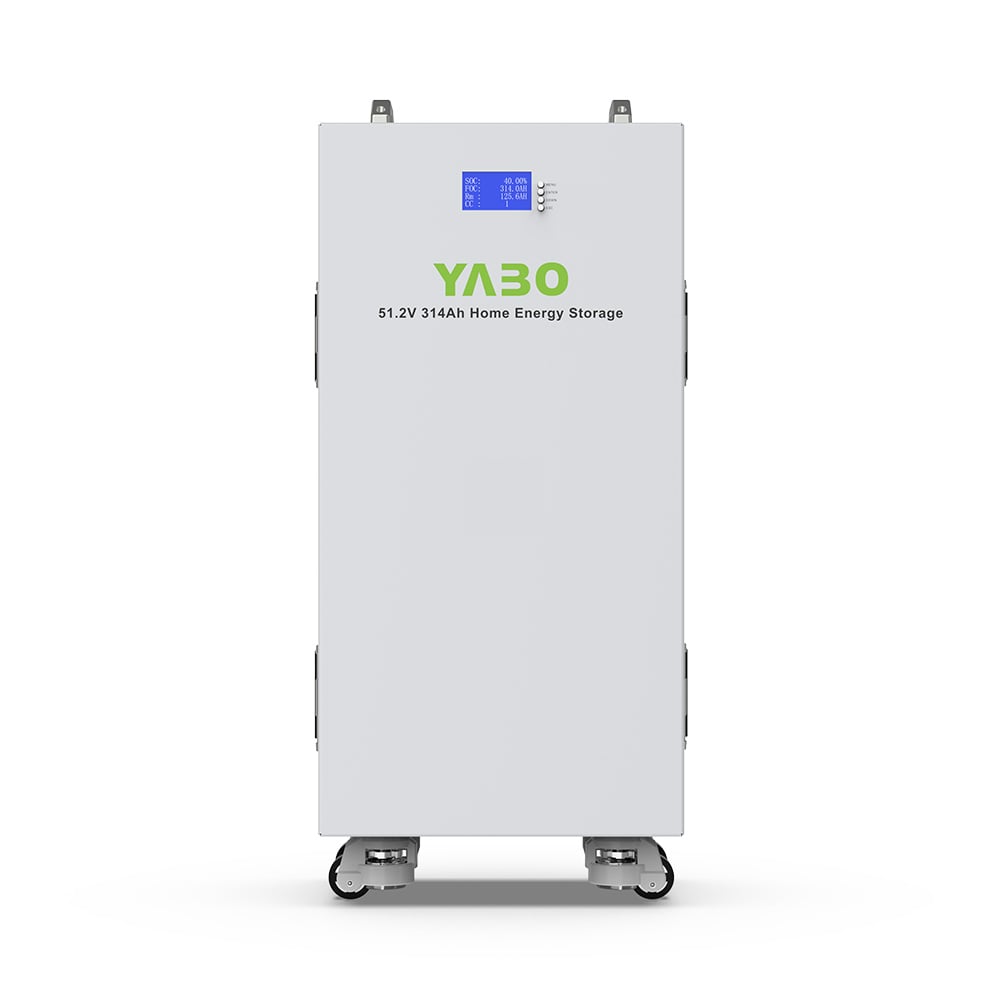
Commercial solar plants demand storage solutions that can keep pace with large-scale energy generation and round-the-clock operational requirements. Among all available options, lithium solar batteries have emerged as the dominant technology, consistently outperforming older chemistries in virtually every measurable category. Understanding why lithium solar batteries hold this preferred position helps procurement managers, facility operators, and energy developers make confident, well-informed decisions.
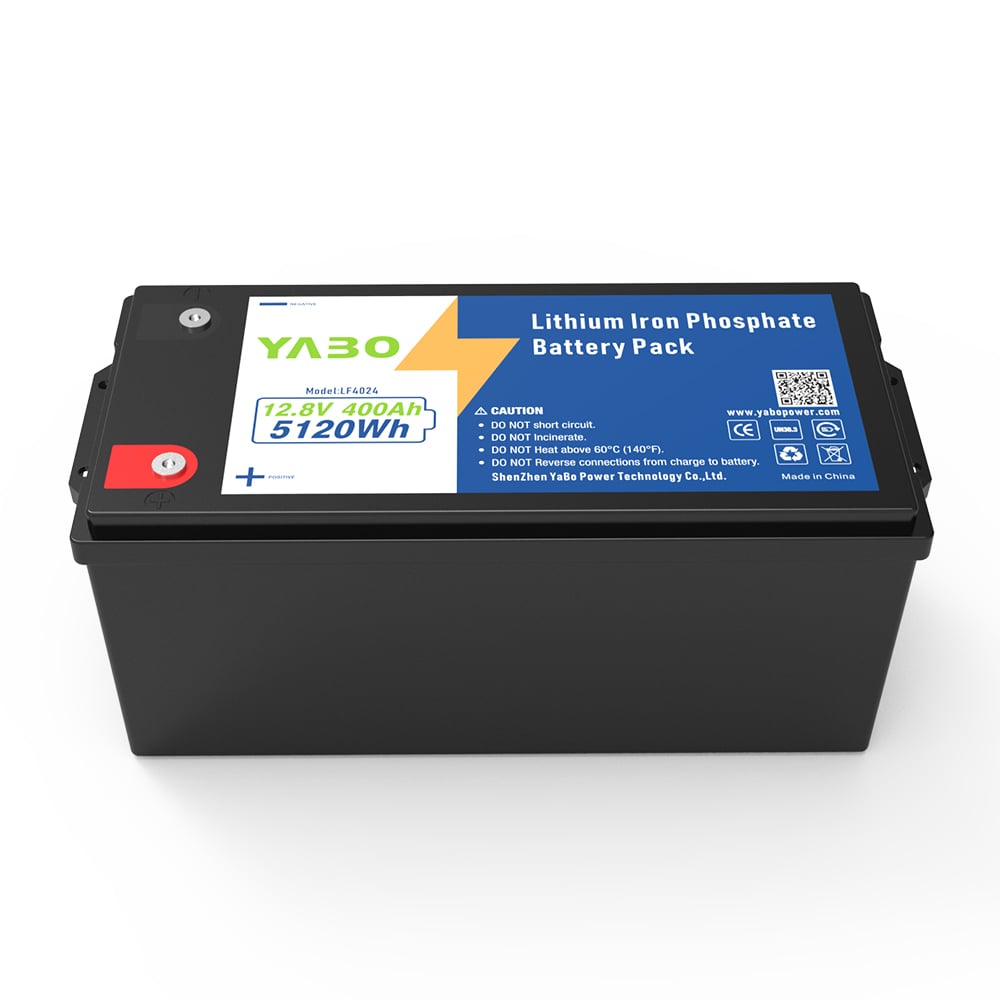
The commercial solar sector operates under intense pressure to maximize return on investment while minimizing downtime and maintenance costs. Lithium solar batteries address these pressures directly by delivering high energy density, deep cycling capability, and intelligent battery management in a single compact package. As solar capacity installations grow globally, lithium solar batteries continue to widen the performance gap over lead-acid and other legacy storage technologies, making the case for their adoption stronger than ever.
Superior Energy Performance of Lithium Solar Batteries
High Energy Density and Usable Capacity
One of the most compelling reasons commercial plants choose lithium solar batteries is their exceptional energy density. Lithium solar batteries can store significantly more energy per unit of weight and volume compared to traditional lead-acid alternatives. This means a commercial facility can deploy lithium solar batteries in a smaller footprint while achieving the same or greater storage capacity. For large installations where space translates directly to cost, this advantage is critical.
Lithium solar batteries also offer a higher depth of discharge, typically allowing up to 80–95% of stored energy to be used without degrading the battery cells. Lead-acid batteries, by contrast, are usually limited to 50% depth of discharge to preserve lifespan. This means lithium solar batteries deliver nearly twice the usable energy from the same nominal capacity, which is a fundamental economic advantage for commercial solar plant operators.
Consistent Power Output Under Variable Load
Commercial solar plants frequently experience fluctuating energy demand throughout the day. Lithium solar batteries maintain a stable voltage curve across their discharge cycle, ensuring that connected equipment receives consistent power regardless of how much charge remains. This voltage stability, which is a hallmark of quality lithium solar batteries, protects sensitive industrial loads and reduces the risk of equipment malfunction caused by power irregularities.
Long Lifespan and Low Maintenance Advantages
Cycle Life That Justifies the Investment
A primary concern for commercial solar plant developers is the total cost of ownership over a project's lifetime. Lithium solar batteries typically deliver between 3,000 and 6,000 charge-discharge cycles before reaching end-of-life capacity thresholds. This extended cycle life means that lithium solar batteries can operate reliably for ten to fifteen years in commercial applications, significantly reducing replacement frequency and associated capital expenditure.
When comparing lithium solar batteries to lead-acid batteries over a ten-year period, the math consistently favors lithium. Lead-acid batteries may require replacement every three to five years, whereas lithium solar batteries often complete the full project lifecycle without a single cell replacement. This lifecycle advantage makes lithium solar batteries the economically rational choice for operators focused on long-term asset management.
Minimal Maintenance Requirements
Commercial solar plants often operate in remote or semi-remote locations where regular maintenance visits are costly and logistically challenging. Lithium solar batteries require no water topping, no equalization charging, and no venting for gas management, unlike flooded lead-acid systems. The integrated battery management system within lithium solar batteries continuously monitors cell temperature, voltage balance, and state of charge, allowing the batteries to self-regulate and alert operators only when genuine intervention is needed. This dramatically reduces the labor overhead associated with lithium solar batteries compared to older technologies.
Safety, Scalability, and Smart Integration
Built-In Safety Systems for Commercial Reliability
Safety is a non-negotiable priority in commercial energy storage environments. Lithium solar batteries built on lithium iron phosphate chemistry offer inherent thermal stability, which significantly reduces the risk of thermal runaway, a concern historically associated with other lithium chemistries. The built-in battery management system in modern lithium solar batteries provides real-time protection against overcharging, over-discharging, short circuits, and extreme temperature conditions. This multi-layered safety architecture makes lithium solar batteries suitable for deployment inside commercial buildings, warehouses, and industrial facilities without requiring the extensive fire-mitigation infrastructure needed for older battery types.
Commercial operators also benefit from the fact that lithium solar batteries are sealed and maintenance-free, eliminating the risk of electrolyte spills and corrosive gas emissions. This improves overall site safety and simplifies compliance with occupational health and environmental regulations, which is a tangible operational benefit that facility managers actively seek when evaluating lithium solar batteries for new projects.
Scalability and Grid Integration Capability
Commercial solar plants range widely in size, from hundreds of kilowatts to multiple megawatts of installed capacity. Lithium solar batteries are highly modular, meaning individual battery packs can be connected in series or parallel configurations to achieve the exact voltage and capacity required for any project scale. This scalability allows engineering teams to design storage systems around lithium solar batteries that precisely match the plant's generation profile without over-provisioning or wasting capital.
Furthermore, lithium solar batteries integrate seamlessly with modern energy management systems and inverter platforms. Their fast charge acceptance and rapid discharge response make lithium solar batteries especially effective for peak shaving, frequency regulation, and demand response applications, all of which are increasingly relevant as commercial operators seek to maximize revenue from grid-tied solar assets. The combination of modular design and smart compatibility positions lithium solar batteries as the natural foundation for future-ready commercial solar infrastructure.
FAQ
Are lithium solar batteries suitable for all commercial solar plant sizes?
Yes. Lithium solar batteries are modular and scalable, making them suitable for commercial solar plants ranging from small commercial rooftop systems to utility-scale ground-mounted installations. Engineers can configure lithium solar batteries in series-parallel arrangements to meet any specific voltage and capacity target, ensuring the storage system grows in line with project requirements.
How do lithium solar batteries compare to lead-acid in total cost of ownership?
Although lithium solar batteries carry a higher upfront purchase price, their extended cycle life, lower maintenance costs, and higher usable capacity typically result in a lower total cost of ownership over a ten-year project period. Commercial operators who calculate cost per kilowatt-hour delivered consistently find that lithium solar batteries provide better financial returns than lead-acid alternatives across the full asset lifecycle.
What lifespan can a commercial plant expect from lithium solar batteries?
Most high-quality lithium solar batteries used in commercial solar plants are rated for 3,000 to 6,000 full charge-discharge cycles. Depending on daily cycling patterns and operating conditions, this translates to an operational lifespan of approximately ten to fifteen years, which typically aligns with or exceeds the warranty period of the solar panels themselves, making lithium solar batteries a well-matched long-term storage partner.