
 EN
EN
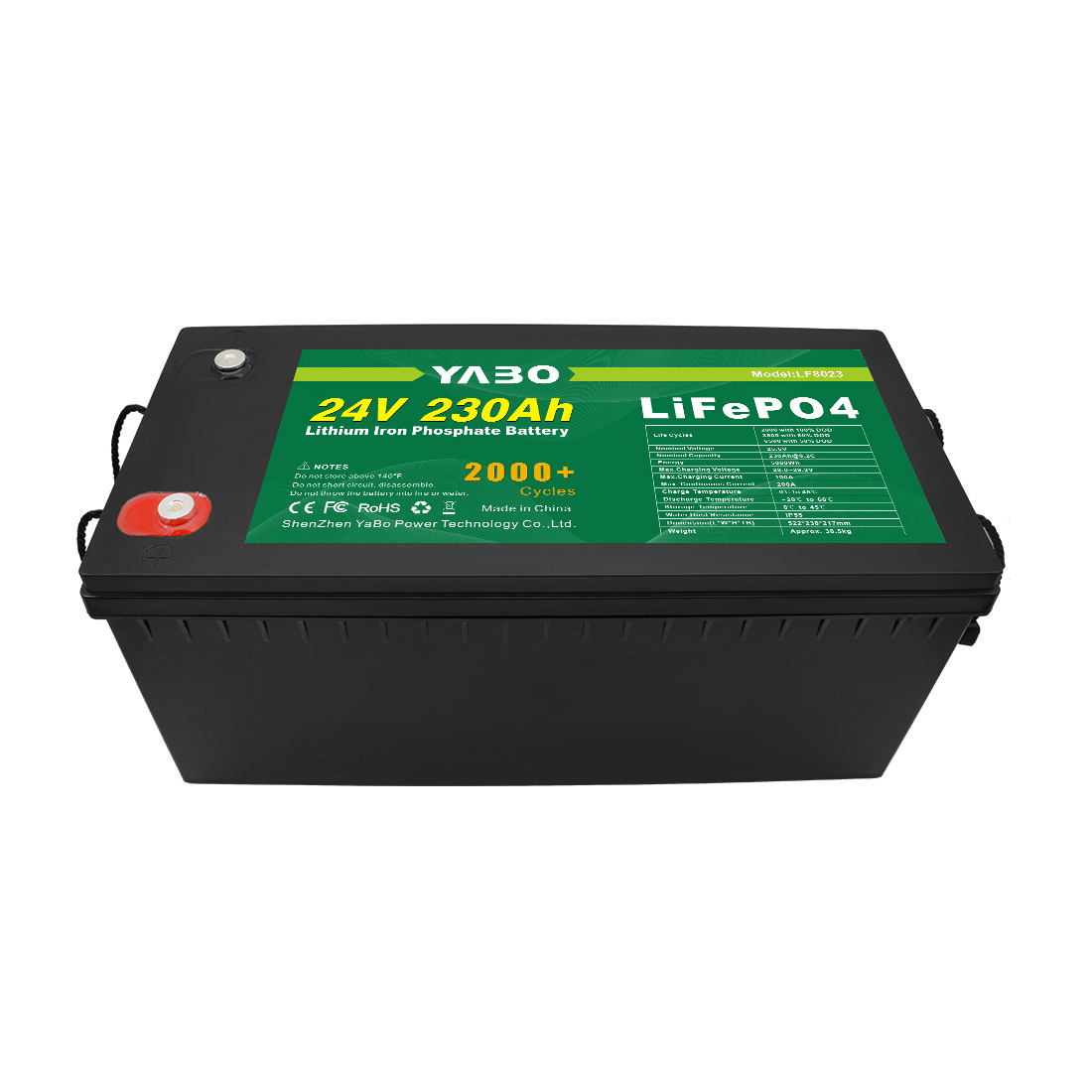
Microgrid development is reshaping how communities, industries, and remote facilities access reliable power. At the center of this transformation, lithium solar batteries have emerged as the foundational energy storage technology that makes microgrids both practical and efficient. Without dependable storage, solar generation alone cannot sustain a stable microgrid. Lithium solar batteries solve this core challenge by capturing excess energy during peak generation periods and releasing it when demand rises or solar input falls.
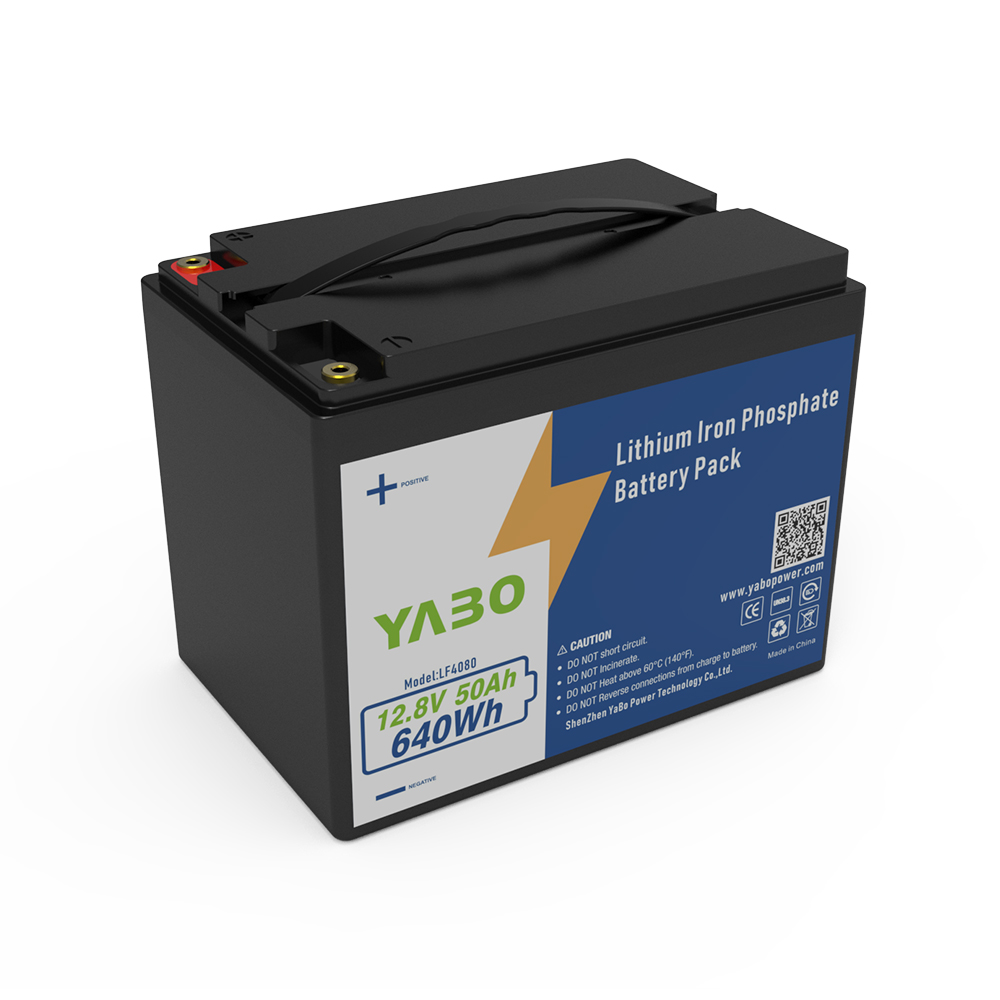
Understanding how lithium solar batteries support microgrid development requires examining their technical role, their ability to scale with growing energy demands, and how they integrate with smart energy management systems. Each of these functions contributes directly to the viability and long-term success of modern microgrids. This article explores the specific mechanisms through which lithium solar batteries enable microgrids to operate as dependable, autonomous power networks.
The Core Energy Storage Role of Lithium Solar Batteries in Microgrids
Bridging the Gap Between Generation and Demand
Solar generation is inherently variable. Cloud cover, seasonal changes, and the day-night cycle all affect output. Lithium solar batteries address this variability by acting as a buffer between generation and consumption. When solar panels produce more energy than the microgrid currently needs, lithium solar batteries absorb and store that surplus. When generation drops below demand, lithium solar batteries discharge to maintain continuous supply. This cycle is what allows a microgrid to function without constant dependence on external grid connections.
Lithium solar batteries offer significantly faster charge and discharge response times compared to older battery chemistries. This responsiveness is critical in microgrids where load conditions can change within seconds. A sudden spike in industrial equipment demand or the activation of backup systems requires lithium solar batteries to react instantly. Their low internal resistance and high round-trip efficiency make lithium solar batteries ideal for these dynamic operating conditions.
Maintaining Voltage and Frequency Stability
Beyond simple energy storage, lithium solar batteries actively support grid stability at the microgrid level. Voltage fluctuations and frequency deviations can damage sensitive equipment and disrupt operations. Lithium solar batteries, when paired with inverters and battery management systems, regulate output to maintain consistent voltage and frequency. This stabilization function is especially important in island-mode microgrids that operate entirely off the main grid. Without lithium solar batteries providing this anchor, even small disturbances could cascade into full system failures.
Scalability and Deployment Flexibility of Lithium Solar Batteries
Modular Architecture for Growing Microgrids
One of the most practical advantages of lithium solar batteries in microgrid development is their modular design. Lithium solar batteries can be deployed in smaller capacity units and expanded over time as energy needs grow. A remote village microgrid may begin with a modest bank of lithium solar batteries and add more units as population increases or new infrastructure comes online. This scalability reduces initial capital investment while allowing the microgrid to grow organically without redesigning the entire storage system.
The compact energy density of lithium solar batteries also simplifies installation in space-constrained environments. Unlike lead-acid alternatives, lithium solar batteries deliver more usable energy per kilogram and per cubic meter. This means microgrid developers can store substantially more energy within the same physical footprint. For urban microgrids, rooftop installations, or mobile emergency power networks, the physical efficiency of lithium solar batteries makes deployment far more practical.
Long Cycle Life and Reduced Maintenance
Microgrid operators need storage solutions that deliver consistent performance over many years without frequent replacement. Lithium solar batteries, particularly those based on LiFePO4 chemistry, offer cycle lives exceeding 3,000 to 6,000 full charge-discharge cycles. This durability significantly reduces the total cost of ownership compared to shorter-lived alternatives. For microgrids in remote or underserved areas, the reduced maintenance requirement of lithium solar batteries is not just a financial benefit but a practical necessity. Frequent battery replacements in hard-to-reach locations would undermine the entire premise of a self-sustaining microgrid.
Lithium solar batteries also maintain a high level of capacity retention across their lifespan. Many lithium solar batteries retain over 80% of their original capacity even after thousands of cycles. This stable long-term performance means that microgrid planners can design systems with confidence, knowing that lithium solar batteries will continue to meet energy demands years into the future without sudden performance degradation.
Smart Integration and Grid Management with Lithium Solar Batteries
Communication Protocols and Energy Management Systems
Modern lithium solar batteries are not passive storage devices. They are intelligent components that communicate with energy management systems, inverters, and monitoring platforms. Most lithium solar batteries incorporate battery management systems that track state of charge, temperature, voltage, and current in real time. This data is shared with the microgrid control system, allowing automated decisions about when to charge, when to discharge, and how to prioritize loads. This level of integration is what elevates lithium solar batteries from simple storage to active participants in microgrid energy optimization.
Lithium solar batteries also support demand response strategies. When grid-connected microgrids receive signals about peak pricing or supply stress, the energy management system can instruct lithium solar batteries to discharge stored energy and reduce imports. This capability allows microgrid operators to lower energy costs and contribute to broader grid stability. The bidirectional communication between lithium solar batteries and the microgrid controller is central to this intelligent operation.
Supporting Renewable Energy Integration at Scale
As microgrids increasingly incorporate multiple renewable sources, including solar, wind, and hydroelectric, lithium solar batteries serve as the common denominator that ties these sources together. When solar output is high and wind is low, lithium solar batteries capture the solar surplus. When solar fades at dusk but wind picks up, lithium solar batteries can reduce discharge rates and let wind generation take over. This coordinated operation, enabled by lithium solar batteries working alongside other generation assets, maximizes renewable utilization and minimizes the need for fossil fuel backup generators.
Lithium solar batteries also enable seamless transitions between grid-connected and island-mode operation. During a utility outage, a microgrid equipped with lithium solar batteries can disconnect from the main grid and continue supplying power without interruption. This islanding capability is one of the most valued features of microgrid systems, and lithium solar batteries are the technology that makes it reliable and fast-acting.
FAQ
Why are lithium solar batteries preferred over lead-acid in microgrids?
Lithium solar batteries offer higher energy density, longer cycle life, faster response times, and lower maintenance needs compared to lead-acid batteries. These advantages make lithium solar batteries more cost-effective and reliable over the operational lifespan of a microgrid.
Can lithium solar batteries operate in extreme temperatures?
Lithium solar batteries are designed with thermal management systems that allow them to operate across a wide temperature range. LiFePO4-based lithium solar batteries are particularly stable and safer in both high-heat and cold environments, making them suitable for diverse microgrid deployment locations.
How do lithium solar batteries handle partial charging in microgrids?
Unlike some older battery technologies, lithium solar batteries tolerate partial state-of-charge operation without significant capacity loss. This flexibility is important in microgrids where solar generation is intermittent, as lithium solar batteries can be charged and discharged at varying levels without damaging the cells or reducing their long-term performance.