
 EN
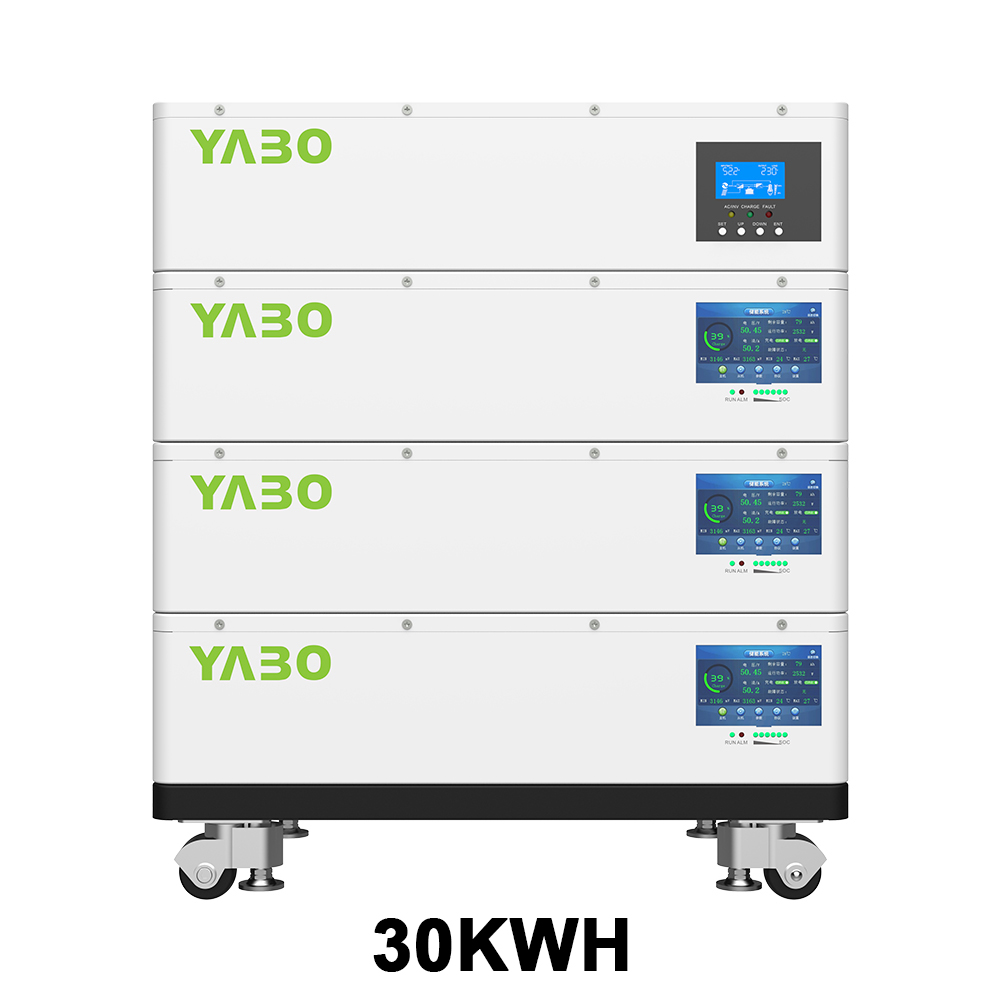
The transition toward sustainable living requires practical solutions that empower homeowners to reduce their carbon footprint and energy costs simultaneously. A home energy storage battery represents one of the most impactful investments a household can make, transforming how families consume and manage electricity. These systems capture excess renewable energy and store it for later use, eliminating waste and reducing dependence on fossil fuel-powered grid electricity. As climate concerns intensify and energy costs rise, understanding why a home energy storage battery matters becomes essential for any homeowner committed to sustainability.
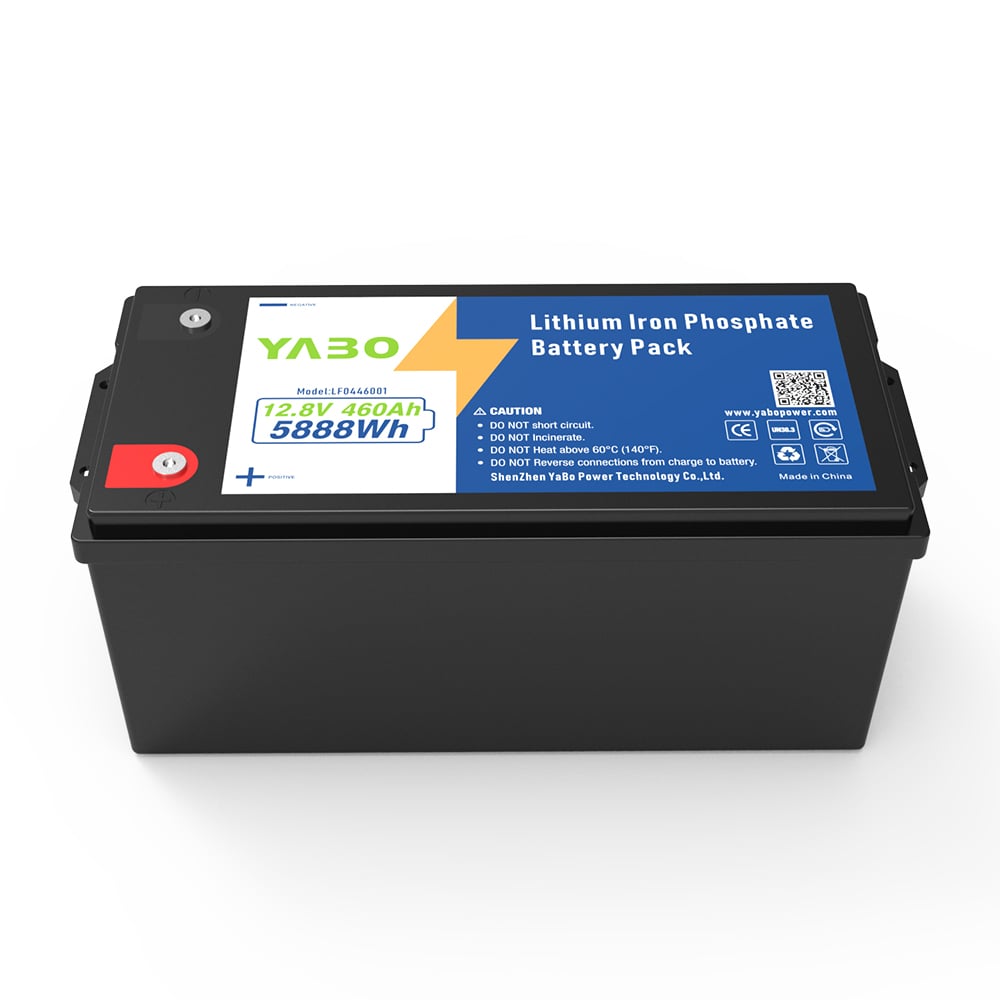
Sustainability extends beyond simple energy savings. A home energy storage battery enables households to participate in the renewable energy revolution by maximizing solar panel efficiency, ensuring backup power during grid outages, and stabilizing electricity consumption patterns. When paired with solar installations, a home energy storage battery system stores daytime-generated energy for evening use, dramatically increasing self-consumption rates. This alignment with environmental goals positions home energy storage battery technology as a cornerstone of modern eco-conscious living.
Environmental Impact and Carbon Emission Reduction
How Home Energy Storage Batteries Lower Household Carbon Footprints
Every kilowatt-hour drawn from the grid carries an embedded carbon cost determined by the energy source mix. By installing a home energy storage battery, households shift their consumption pattern away from peak-demand periods when coal and natural gas plants typically operate at full capacity. A home energy storage battery stores energy during low-demand hours when renewable sources dominate the grid mix, then releases that stored power when needed. This fundamental shift reduces household reliance on carbon-intensive electricity generation, making a home energy storage battery a direct weapon against personal carbon emissions. The environmental benefit compounds over time as more renewable capacity enters the grid.
Renewable Energy Integration Through Home Energy Storage Battery Systems
Solar panels generate electricity only during daylight hours, creating a fundamental mismatch between generation and consumption for most households. A home energy storage battery solves this intermittency problem by capturing excess solar production and storing it for nighttime use. Without a home energy storage battery, homeowners either feed surplus solar energy back to the grid at lower rates or lose it entirely. With this technology, a home energy storage battery maximizes the utility of installed solar capacity, potentially increasing renewable energy self-consumption from 30 percent to over 80 percent. This efficiency gain represents a substantial environmental dividend, as more household energy comes directly from clean sources rather than the grid.
Economic Benefits and Long-Term Sustainability Value
Energy Cost Reduction and Grid Independence
Electricity rates continue rising faster than inflation in most regions, making energy costs a growing household budget concern. A home energy storage battery enables time-of-use rate arbitrage, where stored energy avoids peak-rate periods and consumption occurs during cheaper off-peak windows. In regions with demand response programs, a home energy storage battery can generate revenue by providing grid services during peak stress periods. Beyond rate optimization, a home energy storage battery provides protection against future rate increases by locking in a portion of household energy independence. This economic insulation becomes increasingly valuable as grid operators face aging infrastructure and rising renewable integration costs. The payback period for a home energy storage battery continues to shrink as battery costs decline and electricity rates climb.
Resilience and Backup Power Advantages
Grid outages have increased in frequency and duration across many regions due to extreme weather, aging infrastructure, and distributed generation challenges. A home energy storage battery provides continuous power during outages, ensuring critical systems remain operational and household operations uninterrupted. This resilience value extends beyond financial calculations; it represents peace of mind and genuine security for families. When a home energy storage battery is sized appropriately, it can power essential loads for days without grid connection. For homeowners with solar installations, a home energy storage battery plus solar creates near-complete energy independence for extended periods. This combination transforms sustainability from an aspirational goal into a lived reality, making a home energy storage battery investment deeply aligned with long-term resilience planning.
Technological Advancement and Market Readiness
Modern Home Energy Storage Battery Capabilities
Contemporary home energy storage battery systems have evolved dramatically in efficiency, lifespan, and affordability compared to earlier generations. Lithium-iron-phosphate chemistry now dominates residential installations due to superior cycle life, safety characteristics, and cost-effectiveness. A modern home energy storage battery typically lasts 10 to 15 years or longer, delivering thousands of charge cycles while maintaining reliable performance. Smart management systems enable a home energy storage battery to optimize charging and discharging patterns automatically, responding to real-time electricity prices and renewable generation. These technological improvements have made a home energy storage battery accessible to middle-income households, not just early adopters or wealthy homeowners. The rapid pace of innovation suggests that future home energy storage battery systems will become even more capable and affordable.
Integration with Smart Home and Grid Systems
A home energy storage battery no longer operates in isolation but integrates seamlessly with solar inverters, home automation systems, and increasingly, utility grid infrastructure. Smart controls allow a home energy storage battery to communicate with electricity pricing signals and adjust behavior dynamically. Homes with a home energy storage battery can participate in virtual power plants where distributed batteries collectively provide grid services. This integration transforms a home energy storage battery from a personal asset into a resource that benefits community grid stability and renewable energy penetration. As utility companies increasingly implement time-varying rates and demand response programs, a home energy storage battery becomes not just a household tool but a participant in broader energy system transformation.
FAQ
What is the primary environmental benefit of installing a home energy storage battery?
The primary environmental benefit of a home energy storage battery is enabling higher utilization of renewable energy sources by storing excess solar or wind power for use when generation is unavailable. A home energy storage battery reduces grid electricity consumption during peak demand periods, lowering dependence on fossil fuel generation and cutting household carbon emissions. This storage capability accelerates the transition to renewable energy by making solar installations far more effective at meeting actual household consumption patterns rather than just contributing to the grid during peak generation hours.
How long does a home energy storage battery typically last?
Modern lithium-ion home energy storage battery systems typically last 10 to 15 years or more, with many manufacturers offering warranties covering 10 years of operation. A home energy storage battery degrades gradually over thousands of charge cycles, but quality systems retain 80 percent or more of original capacity even after a decade of daily use. The actual lifespan of a home energy storage battery depends on usage patterns, climate conditions, and charge management sophistication. Most homeowners find a home energy storage battery continues delivering meaningful value well beyond the warranty period, though degradation rates do increase in later years.
Can a home energy storage battery provide backup power during a grid outage?
Yes, a home energy storage battery provides excellent backup power during grid outages when properly sized and configured with appropriate safety controls. A residential home energy storage battery can sustain critical household loads for 12 hours to several days depending on battery capacity and daily consumption. With solar panels, a home energy storage battery enables extended outage resilience through continuous daytime charging. Most modern home energy storage battery systems include automatic transfer switches that detect grid failure and seamlessly switch to battery power within milliseconds, ensuring uninterrupted service for sensitive appliances and systems.