
 EN
EN
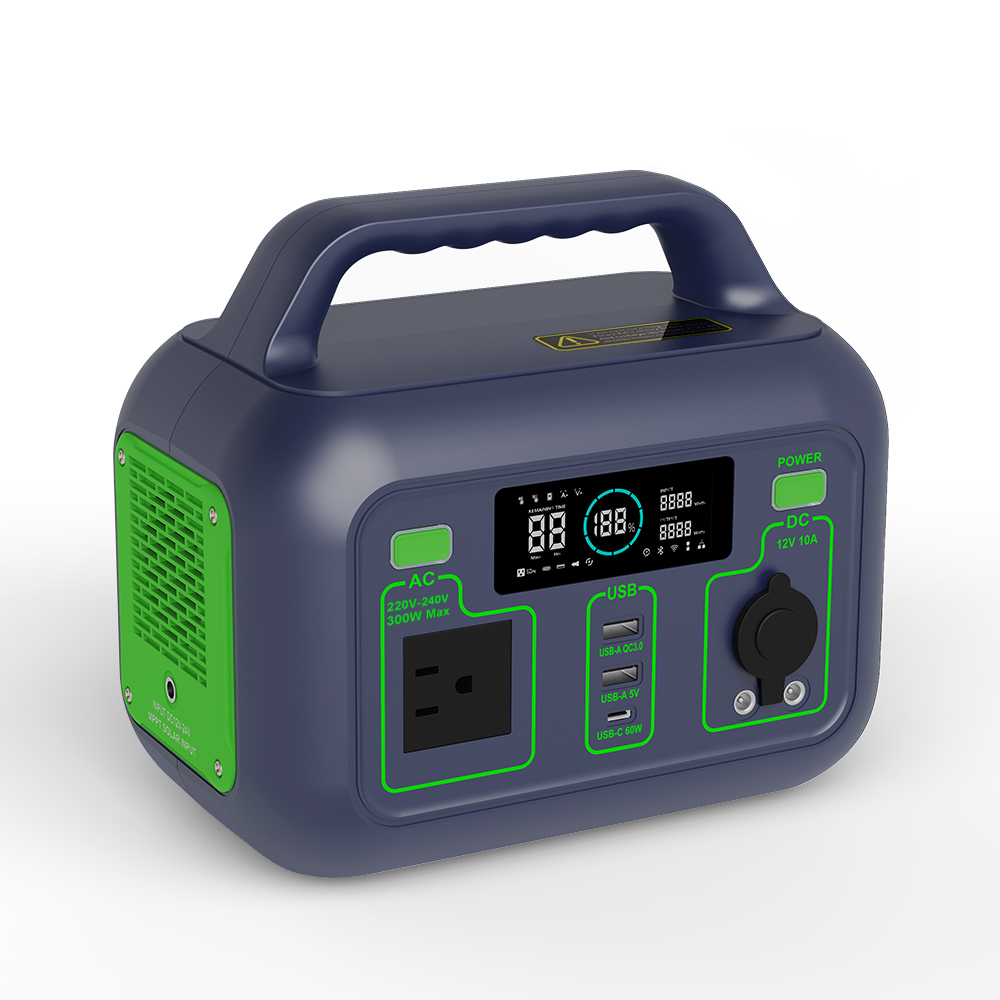
When heading into the wilderness, having a dependable power source is no longer optional — it is essential. A high-quality solar camping battery has become one of the most sought-after pieces of equipment among modern outdoor enthusiasts. Whether powering LED lights, charging devices, or running a portable refrigerator, a reliable solar camping battery transforms the camping experience from basic survival into genuine comfort. Campers across all skill levels are increasingly turning to lithium-based solar camping battery solutions because they offer clear, measurable advantages over traditional alternatives.
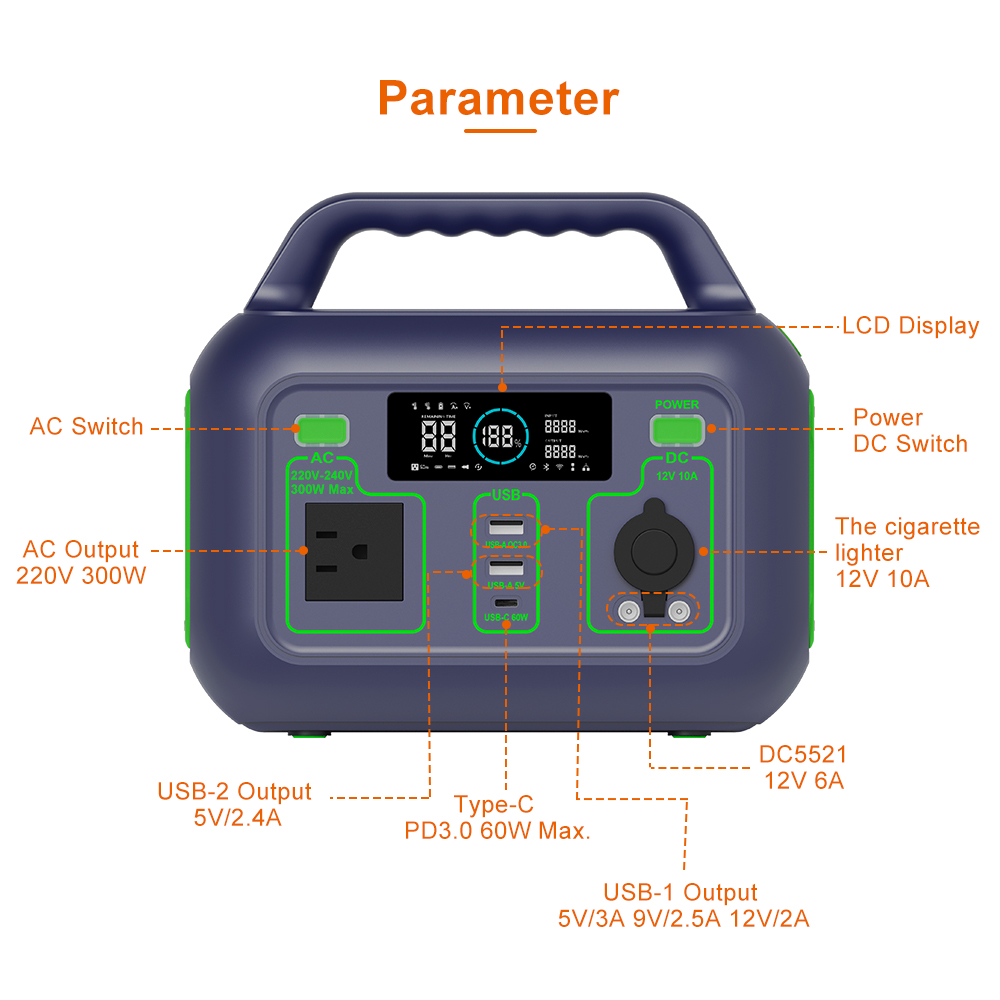
The shift toward lithium iron phosphate, commonly known as LiFePO4, as the chemistry of choice in a solar camping battery is not a passing trend. It reflects a deliberate evaluation by campers who prioritize weight, cycle life, safety, and efficiency. A well-chosen solar camping battery paired with portable solar panels gives outdoor adventurers the freedom to camp longer, travel farther, and rely less on crowded campsite hookups. This article explores exactly why lithium-based solar camping battery solutions have earned such strong preference among the camping community.
The Performance Edge of a Lithium Solar Camping Battery
Energy Density and Weight Advantages
One of the most immediate reasons campers prefer a lithium solar camping battery is its superior energy density. Lithium chemistry stores significantly more energy per kilogram compared to lead-acid alternatives, meaning a solar camping battery based on LiFePO4 technology can be dramatically lighter while delivering the same or greater usable capacity. For backpackers and van campers alike, carrying a solar camping battery that weighs less without sacrificing power output is a genuine game-changer. Every kilogram saved on a solar camping battery is extra weight available for food, gear, or safety equipment.
Deep Cycle Capability and Usable Capacity
A lithium solar camping battery can be discharged to a much deeper level than a conventional lead-acid unit. A typical LiFePO4 solar camping battery allows up to 80 to 90 percent depth of discharge without causing damage, whereas a lead-acid solar camping battery is generally limited to around 50 percent before its lifespan begins to degrade rapidly. This means that a 50Ah lithium solar camping battery effectively delivers far more usable energy than a comparably rated lead-acid solar camping battery. Campers who want to run their equipment longer between solar recharge cycles benefit enormously from this deep cycle advantage inherent to a quality solar camping battery.
Durability and Safety in Outdoor Conditions
Cycle Life That Matches the Adventurous Lifestyle
Outdoor enthusiasts often use their solar camping battery heavily and repeatedly across many seasons. A lithium LiFePO4 solar camping battery is engineered to handle 2000 to 4000 charge and discharge cycles, compared to 300 to 500 cycles typically offered by a lead-acid solar camping battery. This extraordinary cycle life means that a quality lithium solar camping battery can last ten or more years under regular use. From a cost-per-use perspective, investing in a lithium solar camping battery makes strong financial sense for anyone who camps frequently. Over time, the long lifespan of a lithium solar camping battery more than compensates for its higher upfront cost compared to conventional options.
Built-In Safety for Remote Environments
Safety is a paramount concern when selecting a solar camping battery for remote outdoor use. LiFePO4 chemistry is inherently more thermally stable than other lithium variants, which means a LiFePO4 solar camping battery carries a significantly lower risk of overheating or thermal runaway. Most quality lithium solar camping battery units also incorporate a Battery Management System, or BMS, that actively monitors temperature, voltage, and current. This built-in protection makes a lithium solar camping battery far safer to use inside a tent, campervan, or RV than older battery technologies. Knowing that the solar camping battery includes multiple protection layers gives campers genuine peace of mind in isolated settings.
Compatibility and Practical Integration With Solar Systems
Efficient Charging From Solar Panels
A lithium solar camping battery charges more efficiently than lead-acid alternatives, accepting power more rapidly across its charge cycle. When solar panel output is limited to daylight hours, a solar camping battery that charges quickly and efficiently makes the most of every hour of sun exposure. The flat discharge curve of a LiFePO4 solar camping battery also means that output voltage remains stable across the majority of its discharge range, ensuring that connected devices receive consistent power. For campers who depend entirely on solar energy as their primary power source, a solar camping battery that maximizes the energy harvested from panels is a critical operational advantage.
Versatility Across Camping Scenarios
A lithium solar camping battery integrates naturally into a wide range of outdoor setups, from minimalist bikepacking rigs to fully equipped overlanding vehicles. A compact 12V solar camping battery, such as a 50Ah LiFePO4 model, can power essential accessories like lighting systems, USB charging hubs, portable fans, and even small compressor coolers. The solar camping battery can also serve as a backup power bank for emergency communication devices. This versatility makes a solar camping battery useful not only during planned camping trips but also during unexpected power outages at home or in vehicles. The adaptability of a modern solar camping battery is a strong motivator behind its growing adoption among outdoor communities.
FAQ
How long does a solar camping battery last on a single charge?
The runtime of a solar camping battery depends on its capacity and the total power draw of connected devices. A 50Ah lithium solar camping battery can typically power a 10W LED light for around 60 hours, or a 50W device for approximately 10 hours at full depth of discharge. Managing your consumption carefully helps extend each charge cycle of your solar camping battery significantly.
Can a solar camping battery be used in cold weather?
A LiFePO4 solar camping battery performs reasonably well in cold conditions compared to other battery chemistries. However, charging a solar camping battery at temperatures below 0 degrees Celsius is not recommended without a low-temperature protection feature, as it can affect cell longevity. Many modern lithium solar camping battery models include cold-temperature safeguards built into the BMS to address this concern.
What size solar panel pairs best with a solar camping battery?
A 100W solar panel is a widely recommended starting point for a 50Ah solar camping battery intended for typical camping use. Under good sunlight conditions, a 100W panel can recharge a depleted solar camping battery in approximately five to six hours. For heavier power demands, pairing a solar camping battery with two 100W panels in parallel significantly reduces recharge time and ensures more reliable daily energy replenishment.