
 EN
EN
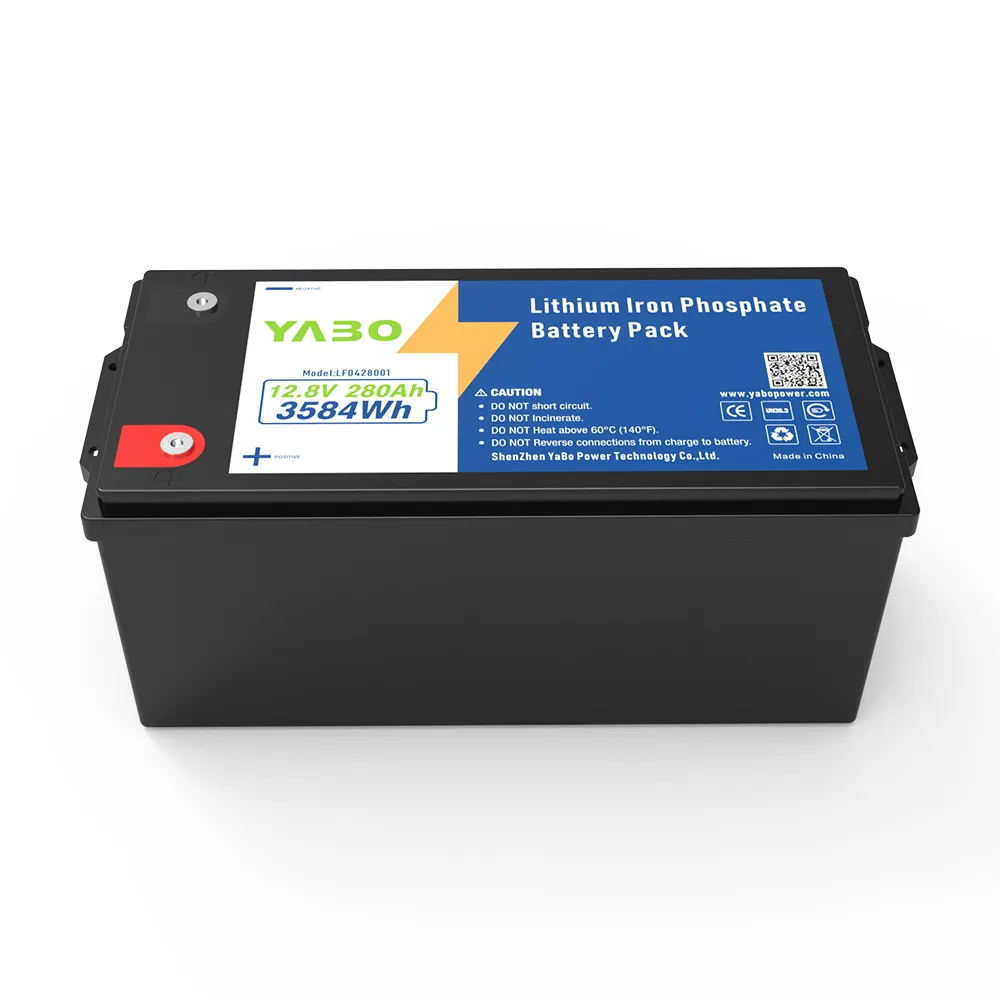
Lithium Iron Phosphate (LFP) chemistry has emerged as a dominant force in the battery industry, particularly for applications demanding exceptional longevity and reliable performance under intensive use conditions. This advanced battery technology offers a unique combination of safety, durability, and cost-effectiveness that makes it ideally suited for long-cycle applications across various industries. Understanding why LFP chemistry excels in these demanding scenarios requires examining its fundamental characteristics, operational advantages, and real-world performance metrics that set it apart from other lithium-ion battery chemistries.
Understanding LFP Chemistry Fundamentals
Chemical Structure and Stability
The foundation of LFP chemistry lies in its unique olivine crystal structure, which provides exceptional thermal and chemical stability compared to other lithium-ion technologies. This iron phosphate cathode material creates a robust framework that resists structural degradation even after thousands of charge-discharge cycles. The strong covalent bonds between iron, phosphate, and oxygen atoms form a stable lattice that maintains its integrity throughout the battery's operational lifetime, contributing to the remarkable longevity that defines LFP chemistry applications.
Unlike cobalt-based chemistries that experience significant capacity fade over time, the inherent stability of iron phosphate compounds ensures minimal structural changes during cycling. This molecular-level durability translates directly into practical benefits for applications requiring consistent performance over extended periods. The absence of toxic heavy metals and the use of abundant raw materials also contribute to the sustainability and cost-effectiveness of LFP chemistry solutions.
Electrochemical Performance Characteristics
LFP chemistry demonstrates remarkable electrochemical stability across a wide range of operating conditions, making it particularly suitable for heavy-use applications. The flat discharge voltage curve characteristic of iron phosphate cathodes provides consistent power delivery throughout the discharge cycle, ensuring predictable performance for critical applications. This stable voltage profile eliminates the voltage sag issues common in other battery chemistries, particularly under high current draw conditions.
The low internal resistance of well-designed LFP cells enables efficient energy transfer and minimizes heat generation during operation. This thermal efficiency becomes increasingly important in applications where batteries undergo frequent cycling or operate at high discharge rates. The combination of stable voltage output and low internal resistance makes LFP chemistry an excellent choice for applications requiring reliable power delivery over thousands of operational cycles.
Exceptional Cycle Life Performance
Long-Term Durability Metrics
The cycle life performance of LFP chemistry significantly exceeds that of conventional lithium-ion technologies, with quality implementations achieving 6,000 to 10,000 cycles while maintaining 80% of original capacity. This exceptional longevity stems from the minimal structural stress experienced by the iron phosphate cathode during lithium insertion and extraction processes. The stable crystal structure prevents the formation of cracks and fissures that typically lead to capacity degradation in other battery chemistries.
Real-world testing has demonstrated that properly manufactured LFP chemistry batteries can maintain operational capacity for 15-20 years in typical use scenarios. This extended operational lifespan provides substantial economic advantages by reducing replacement costs and minimizing system downtime. The gradual capacity fade characteristic of LFP technology allows users to plan maintenance schedules effectively, as performance degradation follows predictable patterns rather than sudden failure modes.
Capacity Retention Under Stress
LFP chemistry maintains superior capacity retention even under challenging operating conditions including high temperatures, deep discharge cycles, and rapid charging protocols. The robust iron phosphate structure resists the thermal runaway conditions that plague other lithium-ion chemistries, allowing safe operation across broader temperature ranges without significant capacity loss. This thermal stability enables LFP batteries to function reliably in demanding industrial environments where temperature control may be limited.
Deep discharge tolerance represents another significant advantage of LFP chemistry for long-cycle applications. While many battery technologies suffer permanent damage from deep discharge events, iron phosphate cathodes can withstand complete discharge without structural degradation. This resilience allows for more flexible system designs and provides additional safety margins in critical applications where unexpected deep discharge events might occur.
Safety and Reliability Advantages
Thermal Management Benefits
The inherent thermal stability of LFP chemistry provides crucial safety advantages for applications involving heavy use or challenging environmental conditions. Iron phosphate cathodes exhibit exceptional resistance to thermal runaway, with decomposition temperatures significantly higher than cobalt-based alternatives. This thermal stability eliminates the risk of catastrophic failure events that can occur with other lithium-ion chemistries under abuse conditions or system malfunctions.
The stable thermal characteristics of LFP chemistry enable simplified battery management systems and reduced cooling requirements compared to other lithium-ion technologies. This thermal efficiency translates into lower system complexity, reduced maintenance requirements, and improved overall reliability for long-term installations. The ability to operate safely across wide temperature ranges without additional thermal management infrastructure provides significant cost savings for large-scale implementations.
Operational Safety Features
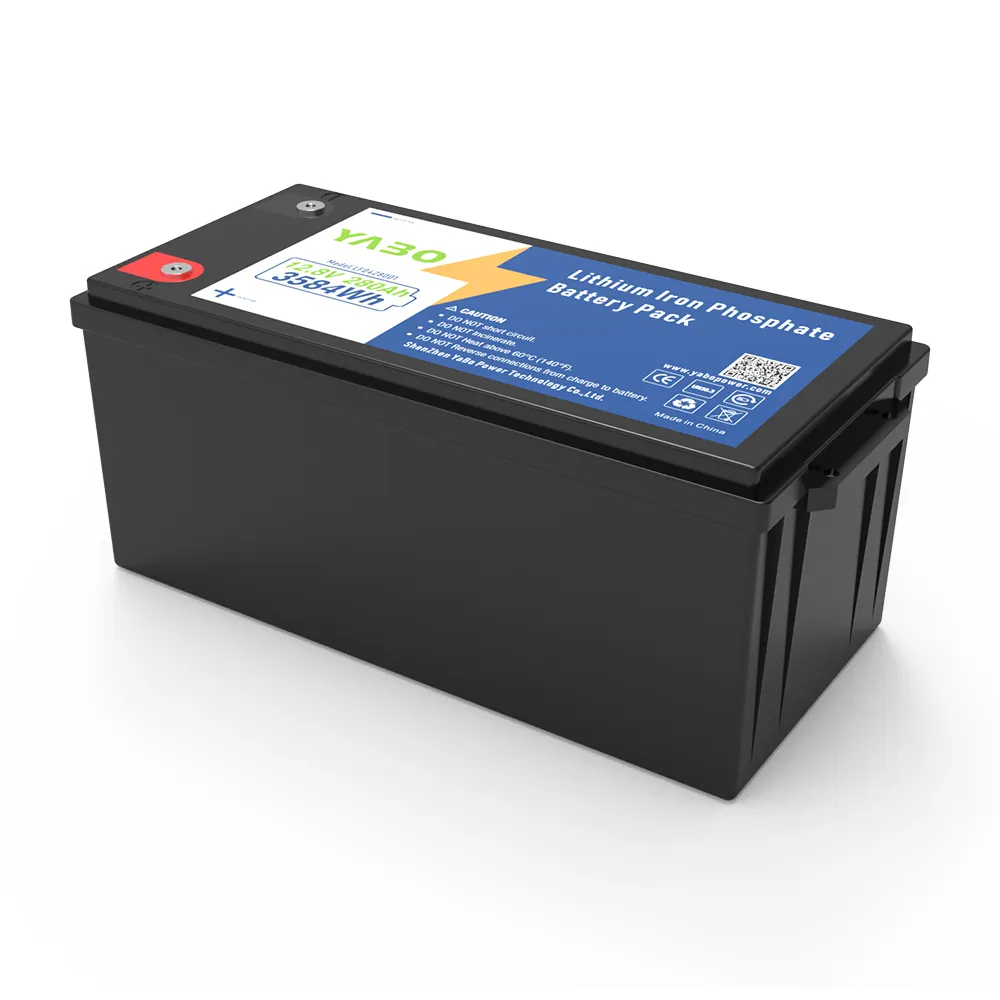
LFP chemistry incorporates multiple safety mechanisms at the molecular level that prevent dangerous operating conditions from developing during normal use or abuse scenarios. The stable iron phosphate structure prevents oxygen release during overcharge conditions, eliminating one of the primary causes of thermal runaway in lithium-ion batteries. This intrinsic safety characteristic provides an additional layer of protection beyond traditional battery management systems.
The non-toxic nature of iron phosphate materials ensures safe handling and disposal throughout the battery lifecycle, addressing important environmental and worker safety concerns. Unlike battery chemistries containing cobalt or nickel compounds, LFP technology poses minimal health risks during manufacturing, installation, or end-of-life processing. This safety profile makes LFP chemistry particularly attractive for applications in sensitive environments or where human exposure might occur.
Industrial Applications and Use Cases
Energy Storage Systems
Large-scale energy storage applications represent one of the most demanding environments for battery technology, requiring thousands of cycles over decades of operation. LFP chemistry has proven exceptionally well-suited for grid-scale storage systems, utility peak shaving applications, and renewable energy integration projects. The combination of long cycle life, safety, and cost-effectiveness makes iron phosphate technology the preferred choice for many utility-scale installations requiring reliable operation over 20-year project lifespans.
Commercial and industrial energy storage systems benefit significantly from the predictable performance characteristics of LFP chemistry. The stable voltage output and high cycle life enable precise energy management and load balancing applications that require consistent performance over thousands of daily cycles. The reduced maintenance requirements and predictable degradation patterns of iron phosphate batteries simplify system operation and reduce total cost of ownership for large installations.
Electric Vehicle Applications
The transportation sector has increasingly adopted LFP chemistry for electric vehicles, particularly in applications where longevity and safety outweigh maximum energy density considerations. Commercial vehicle fleets, electric buses, and industrial equipment benefit from the extended operational life and reduced total cost of ownership provided by iron phosphate battery systems. The ability to withstand frequent fast charging and deep discharge cycles makes LFP chemistry ideal for heavy-duty transportation applications.
Fleet operators particularly value the predictable performance and maintenance characteristics of LFP chemistry systems. The long cycle life and stable capacity retention enable accurate range prediction and maintenance scheduling, crucial factors for commercial vehicle operations. The safety advantages of iron phosphate technology also provide important benefits for fleet applications where battery failures could result in significant operational disruptions or safety hazards.
Economic Advantages and Cost Analysis
Total Cost of Ownership Benefits
The economic advantages of LFP chemistry become most apparent when evaluated over the complete system lifecycle rather than initial purchase price alone. While iron phosphate batteries may carry higher upfront costs compared to some alternatives, the exceptional cycle life and reduced maintenance requirements typically result in lower total cost of ownership for long-term applications. The ability to achieve 6,000-10,000 cycles significantly reduces the frequency of battery replacements compared to conventional technologies.
Maintenance cost reductions represent another significant economic advantage of LFP chemistry implementations. The stable performance characteristics and predictable degradation patterns minimize unexpected system failures and reduce the need for emergency repairs or replacements. The simplified thermal management requirements and robust safety profile also contribute to reduced operational costs by minimizing the need for complex monitoring and control systems.
Return on Investment Considerations
Investment analysis for LFP chemistry systems typically shows favorable returns when evaluated over realistic operational timeframes for long-cycle applications. The extended operational life of iron phosphate systems provides multiple years of additional service compared to alternative technologies, effectively amortizing the initial investment over a longer period. This extended service life becomes particularly valuable in applications where battery replacement involves significant labor costs or system downtime.
The reliability and predictable performance characteristics of LFP chemistry also provide important risk mitigation benefits that contribute to overall investment value. The reduced likelihood of premature failure or unexpected performance degradation helps ensure that projected operational savings are actually realized over the system lifetime. This predictability enables more accurate financial modeling and reduces the uncertainty typically associated with battery system investments.
Performance Optimization Strategies
Charging Protocol Optimization
Maximizing the performance and longevity of LFP chemistry systems requires careful attention to charging protocols and operational parameters. The unique characteristics of iron phosphate cathodes allow for more aggressive charging strategies than other lithium-ion technologies, but optimal results require balanced approaches that consider both performance and longevity objectives. Implementing appropriate charge termination voltages and current tapering strategies can significantly extend cycle life while maintaining efficient energy transfer.
Temperature management during charging represents another critical factor for optimizing LFP chemistry performance in long-cycle applications. While iron phosphate technology tolerates wider temperature ranges than alternative chemistries, maintaining moderate temperatures during charging operations helps maximize cycle life and energy efficiency. The inherent thermal stability of LFP chemistry simplifies temperature management compared to other lithium-ion technologies, but attention to thermal considerations still provides performance benefits.
System Integration Best Practices
Successful implementation of LFP chemistry in long-cycle applications requires careful attention to system design and integration practices that complement the unique characteristics of iron phosphate technology. Battery management systems should be configured to take advantage of the wide usable voltage range and deep discharge tolerance that characterize LFP chemistry performance. Proper cell balancing and monitoring protocols help ensure uniform aging across battery modules and maximize overall system performance.
Environmental considerations play an important role in optimizing LFP chemistry installations for long-term performance. While iron phosphate technology demonstrates excellent temperature tolerance, providing appropriate ventilation and temperature moderation can further extend operational life and maintain peak performance characteristics. The reduced cooling requirements compared to other lithium-ion technologies make environmental optimization more cost-effective for LFP chemistry implementations.
FAQ
What makes LFP chemistry more suitable for long-cycle applications than other battery technologies
LFP chemistry offers superior cycle life performance due to the inherent stability of the iron phosphate crystal structure, which resists degradation during repeated charge-discharge cycles. This stability allows LFP batteries to achieve 6,000-10,000 cycles while maintaining 80% capacity, significantly exceeding the performance of conventional lithium-ion technologies. The stable electrochemical characteristics and thermal stability also contribute to reliable long-term performance in demanding applications.
How does the safety profile of LFP chemistry benefit heavy-use applications
The thermal stability and non-toxic composition of iron phosphate cathodes provide crucial safety advantages for heavy-use applications. LFP chemistry resists thermal runaway conditions and can operate safely across wide temperature ranges without complex cooling systems. The elimination of toxic heavy metals also reduces handling risks and simplifies disposal requirements, making LFP technology particularly suitable for applications where safety is paramount.
What are the economic advantages of choosing LFP chemistry for long-term installations
While LFP chemistry may have higher initial costs, the exceptional cycle life and reduced maintenance requirements typically result in lower total cost of ownership over the system lifetime. The extended operational life of 15-20 years in typical applications reduces replacement frequency and provides better return on investment. The predictable performance characteristics also minimize unexpected costs and enable accurate financial planning for long-term projects.
Can LFP chemistry handle deep discharge and high current applications effectively
LFP chemistry demonstrates excellent tolerance for deep discharge conditions and high current draw applications without permanent damage or significant capacity loss. The stable iron phosphate structure maintains integrity even under complete discharge, while the low internal resistance enables efficient high-current operation. These characteristics make LFP technology ideal for applications requiring frequent deep cycling or high power output over extended periods.
Table of Contents
- Understanding LFP Chemistry Fundamentals
- Exceptional Cycle Life Performance
- Safety and Reliability Advantages
- Industrial Applications and Use Cases
- Economic Advantages and Cost Analysis
- Performance Optimization Strategies
-
FAQ
- What makes LFP chemistry more suitable for long-cycle applications than other battery technologies
- How does the safety profile of LFP chemistry benefit heavy-use applications
- What are the economic advantages of choosing LFP chemistry for long-term installations
- Can LFP chemistry handle deep discharge and high current applications effectively