
 EN
EN
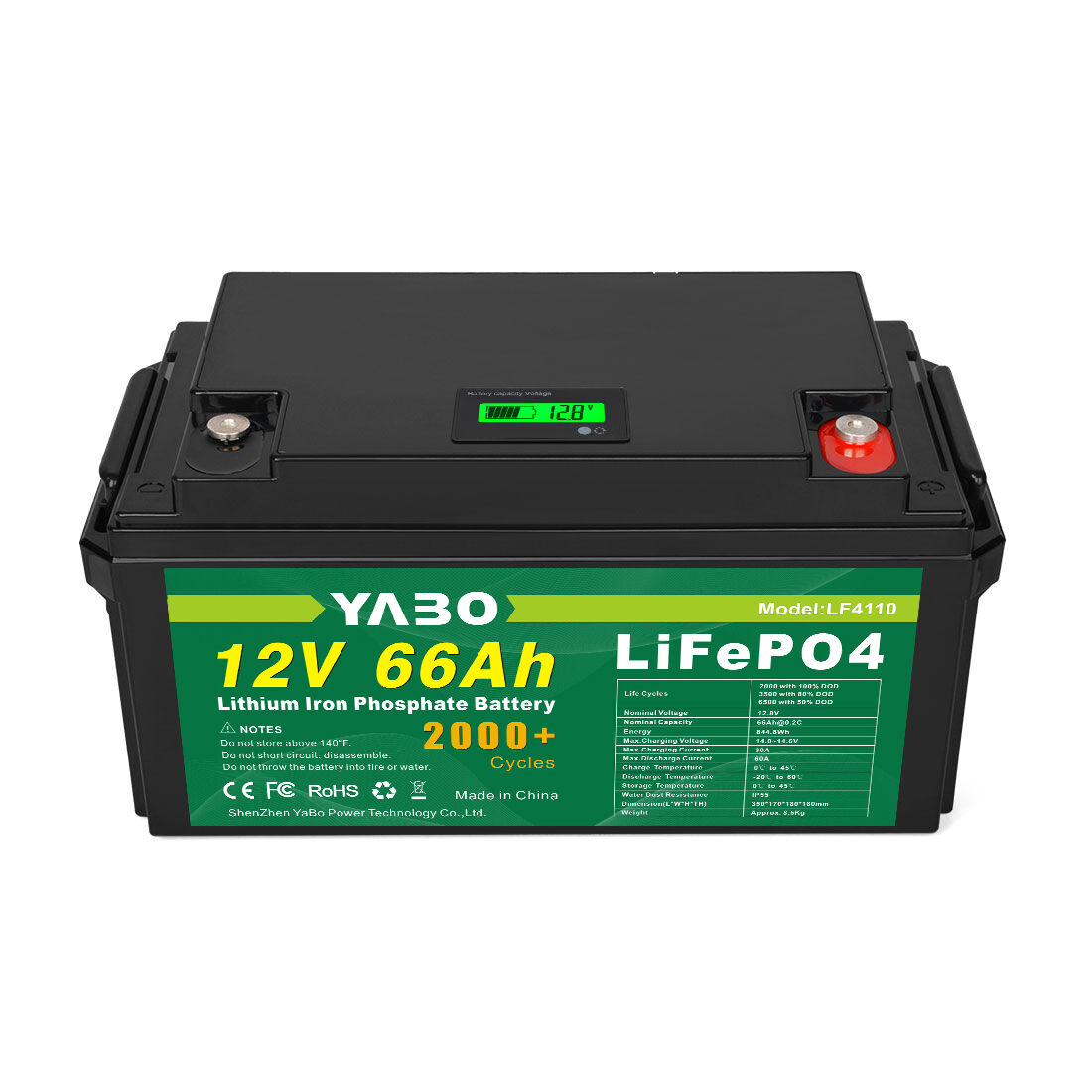
Modern energy systems demand reliable, safe, and long-lasting power storage solutions that can handle diverse applications from residential backup power to commercial energy storage. LiFePO4 battery packs have emerged as the leading technology for applications requiring exceptional safety standards and operational stability. These advanced lithium iron phosphate systems offer superior thermal stability, extended cycle life, and enhanced safety features that make them ideal for critical energy infrastructure. Understanding how these battery systems improve safety and stability helps engineers, facility managers, and energy professionals make informed decisions about their power storage investments.
Superior Safety Characteristics of LiFePO4 Technology
Thermal Stability and Temperature Management
LiFePO4 battery packs demonstrate exceptional thermal stability compared to other lithium-ion technologies, operating safely across a wide temperature range without compromising performance or safety. The phosphate-based cathode chemistry inherently resists thermal runaway, a critical safety advantage in energy storage applications. These systems maintain stable operation from -20°C to 60°C, with built-in thermal management systems that prevent overheating during high-demand periods. Advanced battery management systems monitor cell temperatures continuously, ensuring optimal performance while preventing dangerous temperature excursions.
The crystalline structure of lithium iron phosphate provides inherent stability that prevents oxygen release during thermal events, significantly reducing fire and explosion risks. This chemical stability makes LiFePO4 technology particularly suitable for indoor installations and applications where human safety is paramount. Manufacturing processes incorporate multiple safety layers, including pressure relief valves, thermal fuses, and protective housings that further enhance system safety. Professional installations benefit from these comprehensive safety features, reducing insurance costs and regulatory compliance challenges.
Chemical Stability and Non-Toxic Composition
The non-toxic nature of lithium iron phosphate chemistry eliminates many environmental and health concerns associated with other battery technologies. LiFePO4 battery packs contain no heavy metals, cobalt, or other hazardous materials that require special handling or disposal procedures. This clean chemistry reduces environmental impact while simplifying maintenance procedures and end-of-life recycling processes. Safety personnel can handle these systems with standard protective equipment, reducing training requirements and operational complexity.
Chemical stability extends to electrolyte systems, which remain stable under normal operating conditions and resist decomposition that could create toxic gases. The phosphate-based chemistry provides excellent structural integrity during charge and discharge cycles, preventing material degradation that could compromise safety over time. This stability translates to consistent performance throughout the battery's operational life, maintaining safety margins even as the system ages. Environmental testing confirms that these systems meet stringent safety standards for indoor air quality and worker safety.
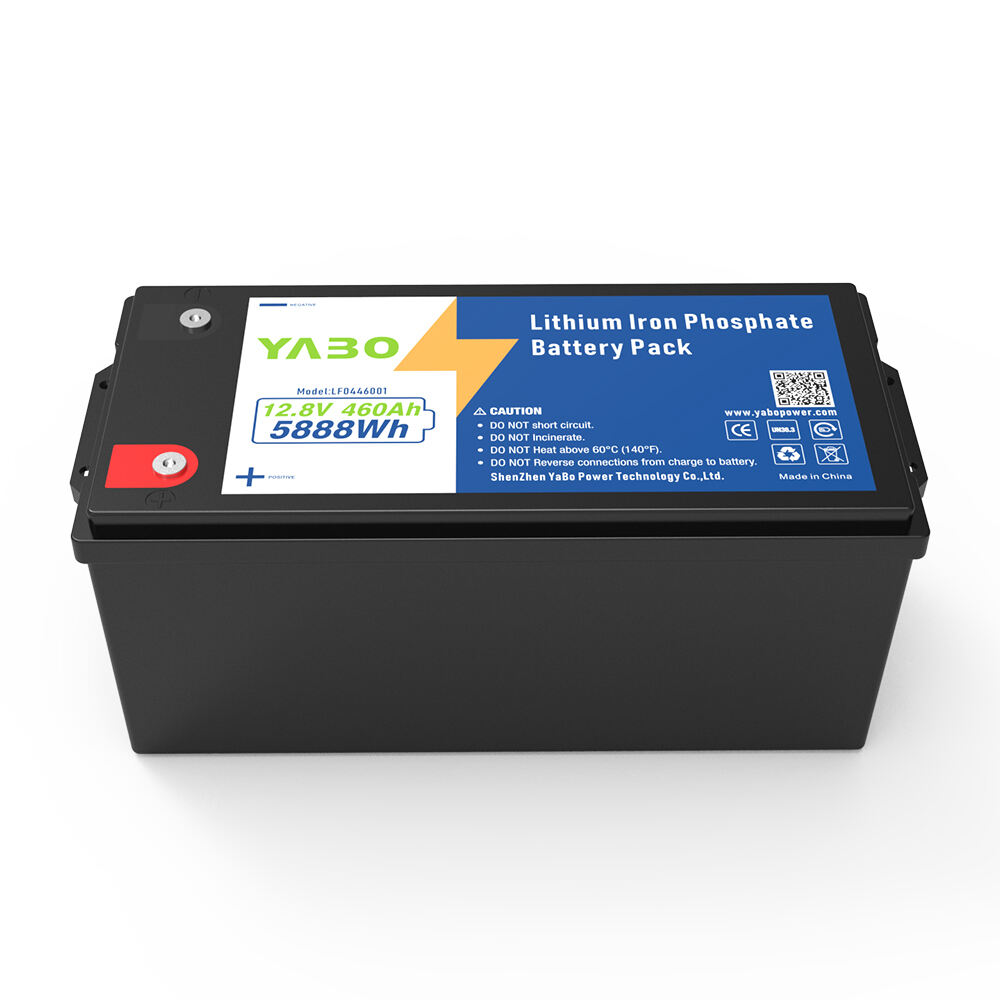
Enhanced System Stability and Performance
Voltage Stability and Power Delivery
LiFePO4 battery packs deliver exceptional voltage stability throughout their discharge curve, providing consistent power output that enhances overall system stability. The flat discharge voltage characteristic ensures that connected equipment receives steady power regardless of the battery's state of charge. This stability eliminates voltage fluctuations that can damage sensitive electronic equipment or cause system instabilities. Power inverters and control systems benefit from this consistent voltage delivery, operating more efficiently and reliably over extended periods.
Advanced battery management systems integrate sophisticated monitoring and control algorithms that optimize power delivery while maintaining system stability. Real-time voltage regulation prevents overcharging and deep discharge conditions that could compromise system performance or safety. Load balancing capabilities distribute power demand evenly across multiple cells, preventing hotspots and ensuring uniform performance across the entire battery pack. These systems adapt automatically to varying load conditions, maintaining optimal performance during peak demand periods.
Cycle Life and Long-Term Reliability
The exceptional cycle life of LiFePO4 battery packs contributes significantly to system stability by maintaining consistent performance over thousands of charge-discharge cycles. These systems typically deliver 3000-5000 cycles at 80% depth of discharge, far exceeding traditional battery technologies. Extended cycle life reduces the frequency of battery replacements, minimizing system downtime and maintenance disruptions. Predictable performance degradation patterns allow facility managers to plan replacement schedules proactively, preventing unexpected failures.
Long-term reliability stems from the inherent stability of the lithium iron phosphate chemistry, which resists capacity fade and internal resistance increases that plague other battery technologies. Quality manufacturing processes ensure consistent cell matching and performance characteristics that maintain system balance over time. Comprehensive testing protocols validate performance under various environmental conditions, ensuring reliable operation across diverse applications. This reliability translates to reduced maintenance costs and improved system availability for critical applications.
Advanced Battery Management and Monitoring Systems
Intelligent Control and Protection Features
Modern LiFePO4 battery packs incorporate sophisticated battery management systems that continuously monitor and control critical parameters to ensure safe and stable operation. These systems track individual cell voltages, temperatures, and currents in real-time, automatically adjusting charging and discharging parameters to optimize performance. Protection circuits prevent overcharging, over-discharging, and overcurrent conditions that could compromise safety or reduce system life. Intelligent algorithms balance cell voltages automatically, ensuring uniform performance across all cells in the battery pack.
Communication protocols enable remote monitoring and control capabilities that enhance system reliability and enable predictive maintenance strategies. Advanced diagnostics identify potential issues before they become critical problems, allowing maintenance teams to address concerns proactively. Data logging functions record performance trends and operating conditions, providing valuable insights for system optimization and troubleshooting. Integration with building management systems enables coordinated operation with other facility systems, maximizing overall efficiency and reliability.
Safety Monitoring and Emergency Response
Comprehensive safety monitoring systems continuously assess battery pack conditions and trigger appropriate responses to prevent dangerous situations. Temperature sensors throughout the battery pack detect thermal anomalies and activate cooling systems or safety shutdowns as needed. Voltage monitoring prevents cells from exceeding safe operating limits, automatically reducing charge rates or disconnecting loads to protect the system. Current monitoring prevents overcurrent conditions that could cause overheating or damage to system components.
Emergency response protocols automatically isolate battery packs from connected systems when safety parameters are exceeded, preventing damage to downstream equipment. Visual and audible alarms alert operators to system conditions requiring attention, enabling rapid response to potential issues. Fail-safe designs ensure that safety systems remain operational even during primary system failures, maintaining protection under all operating conditions. These comprehensive safety features provide multiple layers of protection that significantly reduce the risk of accidents or system damage.
Integration Benefits for Energy System Stability
Grid Support and Power Quality Enhancement
LiFePO4 battery packs provide excellent grid support capabilities that enhance overall energy system stability through rapid response to frequency and voltage variations. The fast response characteristics of these systems enable them to provide grid stabilization services such as frequency regulation and voltage support. Power electronics interfaces can inject or absorb reactive power to maintain grid voltage within acceptable limits. These capabilities are particularly valuable in renewable energy installations where output variability requires active grid support to maintain system stability.
Power quality enhancement features include harmonic filtering and voltage regulation that improve the quality of electricity delivered to connected loads. Advanced inverter systems can provide clean, stable AC power even when grid conditions are poor or unstable. Uninterruptible power supply applications benefit from the seamless transition capabilities of LiFePO4 systems, maintaining critical loads during power outages without interruption. These power quality improvements protect sensitive equipment and ensure reliable operation of critical systems.
Scalability and Modular Design Advantages
Modular design principles enable LiFePO4 battery packs to scale efficiently from small residential systems to large industrial installations while maintaining safety and stability characteristics. Parallel and series configurations allow system designers to optimize voltage and capacity for specific applications without compromising performance or safety. Standardized interfaces and communication protocols simplify system integration and enable easy expansion as energy requirements grow. This scalability provides long-term flexibility that protects initial investments while accommodating changing needs.
Modular redundancy enhances system reliability by allowing continued operation even when individual modules require maintenance or replacement. Hot-swappable modules enable maintenance activities without shutting down the entire energy system, maintaining critical operations during service intervals. Load distribution across multiple modules prevents single points of failure that could compromise system stability. These design advantages make LiFePO4 technology particularly suitable for mission-critical applications where continuous operation is essential.
FAQ
What makes LiFePO4 battery packs safer than other lithium-ion technologies
LiFePO4 battery packs offer superior safety due to their inherent thermal and chemical stability. The phosphate-based cathode chemistry resists thermal runaway and does not release oxygen during overheating, significantly reducing fire and explosion risks. These systems contain no toxic heavy metals or cobalt, making them environmentally safe and easier to handle. The stable crystal structure maintains integrity under stress, preventing dangerous chemical reactions that can occur with other lithium-ion chemistries.
How do LiFePO4 systems improve overall energy system stability
LiFePO4 battery packs enhance system stability through consistent voltage delivery, exceptional cycle life, and advanced battery management systems. The flat discharge curve provides steady power output regardless of charge state, while sophisticated monitoring systems prevent conditions that could compromise stability. Long cycle life ensures reliable performance over many years, reducing unexpected failures that could destabilize energy systems. Rapid response capabilities enable these systems to provide grid support services that enhance overall network stability.
What role do battery management systems play in LiFePO4 pack safety
Advanced battery management systems are crucial for maintaining safety and optimal performance in LiFePO4 battery packs. These systems continuously monitor cell voltages, temperatures, and currents, automatically adjusting parameters to prevent unsafe conditions. Protection circuits prevent overcharging, over-discharging, and overcurrent situations that could damage the battery or create safety hazards. Intelligent balancing algorithms ensure uniform cell performance, while communication capabilities enable remote monitoring and predictive maintenance strategies.
How do LiFePO4 battery packs perform in extreme environmental conditions
LiFePO4 battery packs demonstrate excellent performance across wide temperature ranges, typically operating safely from -20°C to 60°C without compromising safety or performance. The inherent thermal stability of the chemistry prevents dangerous conditions even under temperature stress, while advanced thermal management systems maintain optimal operating conditions. These systems resist performance degradation in harsh environments and maintain safety margins even under extreme conditions, making them suitable for diverse applications including outdoor installations and industrial environments.