
 EN
EN
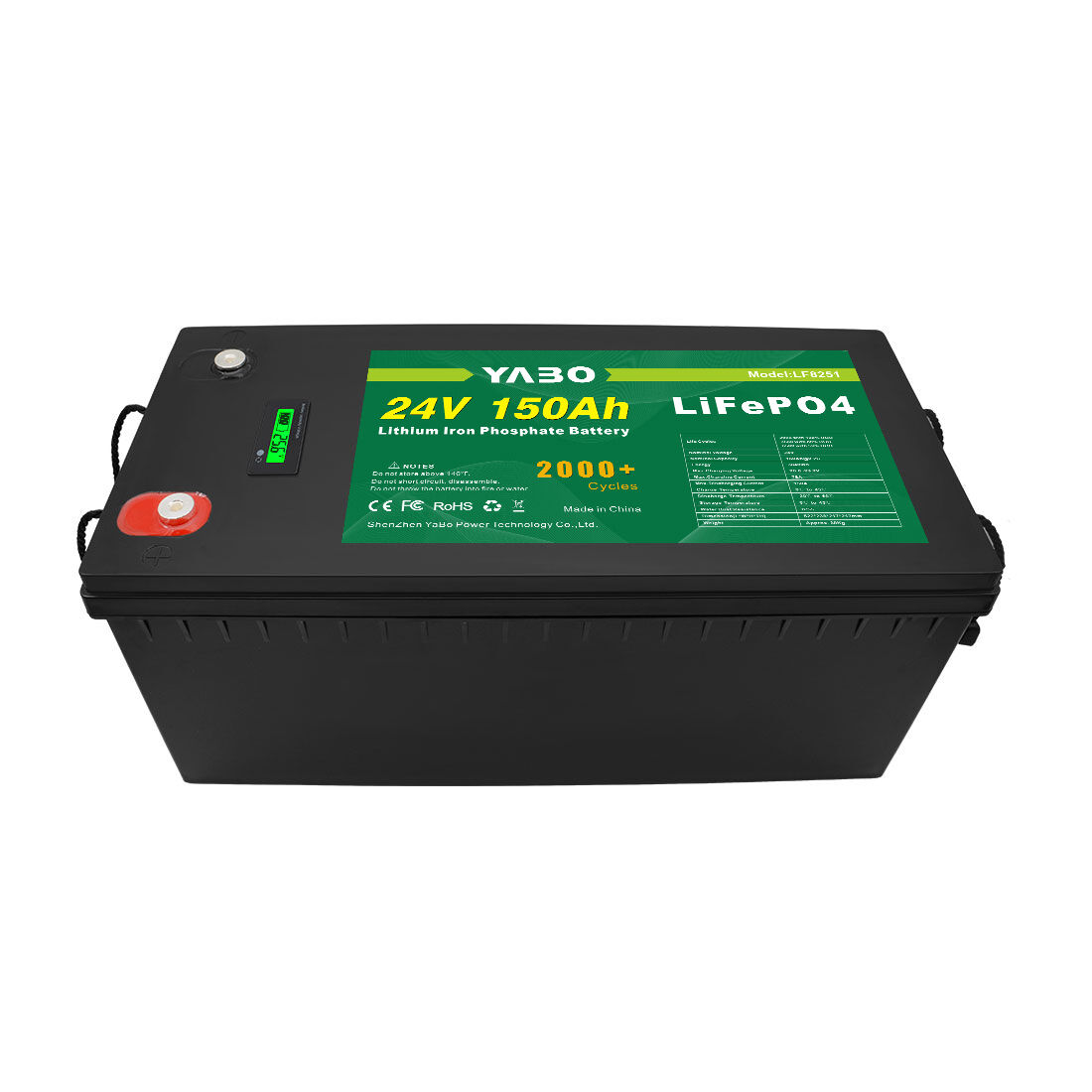
The 24V configuration has emerged as a preferred choice for medium-power energy storage applications, offering a strategic balance between system efficiency and practical implementation. This voltage level provides optimal power delivery for applications requiring moderate energy demands while maintaining cost-effectiveness and safety standards that make it suitable for both residential and commercial installations. Understanding why the 24V configuration excels in medium-power scenarios requires examining the technical advantages, application compatibility, and economic benefits that distinguish it from other voltage options.
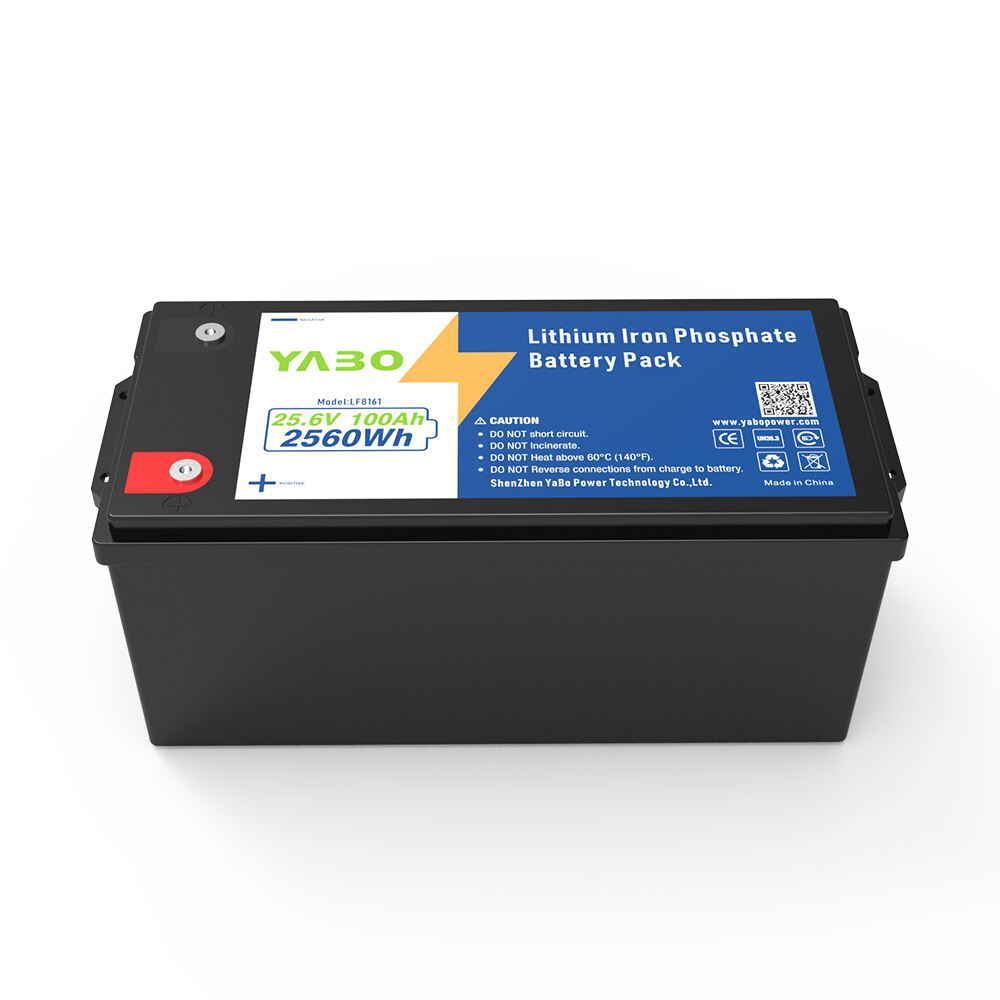
Medium-power energy storage systems typically handle power requirements ranging from 1kW to 10kW, making them ideal for applications such as residential solar storage, small commercial backup systems, and mobile power solutions. The 24V configuration operates within this sweet spot by delivering sufficient current capacity without the complexity and safety concerns associated with higher voltage systems, while avoiding the inefficiencies that plague lower voltage alternatives in medium-power applications.
Technical Advantages of 24V Systems in Medium-Power Applications
Optimal Current-to-Power Ratio
The 24V configuration achieves an ideal current-to-power relationship for medium-scale energy storage by allowing systems to deliver substantial power without excessive current draw. At 24 volts, a 3kW system requires approximately 125 amperes, which falls within manageable ranges for standard electrical components and wiring. This balance prevents the high-current challenges associated with 12V systems while avoiding the complex voltage regulation requirements of 48V or higher configurations.
When compared to 12V alternatives, the 24V configuration reduces current requirements by half for equivalent power output, significantly decreasing conductor losses and heat generation. This reduction in current flow translates to improved system efficiency, with typical efficiency gains of 3-5% over comparable 12V systems. The lower current also reduces stress on electrical connections, switches, and protective devices, contributing to enhanced system reliability and longevity.
The voltage level of 24V systems also provides sufficient headroom for voltage variations during charging and discharging cycles. Battery banks operating at this voltage can accommodate the natural voltage fluctuations that occur during different states of charge without compromising system performance or requiring complex voltage regulation circuits that add cost and complexity to the installation.
Component Compatibility and Availability
The widespread adoption of 24V configuration in industrial and commercial applications has created an extensive ecosystem of compatible components and accessories. Inverters, charge controllers, monitoring systems, and protective devices designed for 24V operation are readily available from multiple manufacturers, providing system designers with numerous options for optimization and cost management.
Standard electrical components such as contactors, fuses, and disconnect switches are commonly available in ratings suitable for 24V systems, eliminating the need for specialized or custom components that increase project costs. This component availability extends to monitoring and control systems, where 24V-compatible sensors, communication modules, and automation devices provide comprehensive system integration capabilities without requiring voltage conversion or isolation circuits.
The maturity of the 24V component market also ensures competitive pricing and reliable supply chains, factors that become increasingly important as energy storage systems scale from experimental installations to mainstream commercial deployments. System integrators benefit from established supplier relationships and proven component combinations that reduce project risk and development time.
Safety and Regulatory Considerations
Electrical Safety Standards
The 24V configuration operates below the 50V threshold that triggers additional safety requirements in most electrical codes and standards. This voltage level is generally classified as low voltage in industrial applications, reducing the complexity of installation requirements, personal protective equipment needs, and ongoing maintenance procedures. Technicians working on 24V systems face lower risk of electrical shock compared to higher voltage alternatives.
Regulatory compliance becomes more straightforward with 24V systems, as they typically fall under less stringent inspection and certification requirements compared to higher voltage installations. This advantage translates to reduced permitting complexity, faster approval processes, and lower compliance costs for both residential and commercial installations. The reduced regulatory burden makes the 24V configuration particularly attractive for distributed energy storage deployments where standardization and rapid deployment are priorities.
Fire safety considerations also favor 24V systems, as the lower voltage reduces arc flash potential and minimizes the energy available for fault-related incidents. While proper protection and installation practices remain essential, the inherent safety characteristics of 24V operation provide an additional margin of safety that benefits both installers and end users throughout the system lifecycle.
Installation and Maintenance Benefits
Installation procedures for 24V configuration systems are generally less complex than higher voltage alternatives, requiring standard electrical tools and techniques familiar to most electrical contractors. The reduced voltage levels allow for more flexible routing of DC wiring and connection methods, while still maintaining the power delivery capabilities required for medium-scale applications.
Maintenance activities benefit from the accessibility and safety of 24V systems, allowing routine inspections and component replacements to be performed with standard safety protocols. The widespread familiarity of electrical personnel with 24V systems reduces training requirements and ensures that qualified service technicians are readily available for both scheduled maintenance and emergency repairs.
Troubleshooting and diagnostic procedures are simplified in 24V configuration systems, as standard multimeters and electrical test equipment can safely measure system parameters without special high-voltage precautions. This accessibility enables more thorough preventive maintenance programs and faster resolution of operational issues, contributing to improved system availability and performance over time.
Economic Efficiency in Medium-Power Range
Cost-Performance Balance
The economic advantages of 24V configuration become particularly evident in medium-power applications where the system size justifies the slight complexity increase over 12V systems while avoiding the significant cost premiums associated with higher voltage alternatives. Battery costs per kilowatt-hour are often optimized at the 24V level, as manufacturers can achieve economies of scale while maintaining reasonable cell counts and battery management complexity.
System-level costs benefit from the reduced current requirements of 24V configuration, allowing the use of smaller conductors, less robust switching equipment, and more compact electrical enclosures compared to equivalent 12V systems. These component savings can amount to 10-15% of total system cost in medium-power installations, making the 24V approach more economically attractive as system sizes increase beyond small residential applications.
The operational cost advantages of 24V systems extend beyond initial installation, as the improved efficiency and reduced component stress contribute to lower maintenance requirements and longer service life. Energy losses due to resistance heating are significantly reduced compared to 12V alternatives, resulting in measurable improvements in round-trip efficiency that translate to ongoing operational savings throughout the system lifetime.
Scalability and Modularity
Medium-power energy storage systems often require the ability to scale capacity over time as energy demands grow or as additional renewable energy sources are integrated. The 24V configuration provides excellent modularity options, allowing systems to be expanded through parallel connection of additional battery banks while maintaining voltage compatibility with existing power electronics and control systems.
The standardization around 24V configuration in medium-power applications creates opportunities for modular system designs that can accommodate various capacity requirements using common components and installation practices. This standardization reduces engineering costs for custom installations and enables the development of pre-engineered system packages that can be rapidly deployed across multiple sites with minimal customization.
Manufacturing economies of scale are enhanced by the popularity of 24V configuration systems, as battery manufacturers, inverter producers, and system integrators can optimize their production processes around this common voltage level. These manufacturing efficiencies ultimately benefit end users through improved product availability, competitive pricing, and enhanced quality as production volumes increase and manufacturing processes mature.
Application-Specific Advantages
Residential and Small Commercial Integration
Residential energy storage systems operating in the medium-power range benefit significantly from 24V configuration due to its compatibility with standard residential electrical systems and local electrical codes. The voltage level provides sufficient power for whole-house backup applications while maintaining safety standards appropriate for residential environments where professional electrical personnel may not be immediately available for maintenance.
Small commercial applications such as retail stores, restaurants, and small offices find the 24V configuration ideal for backup power systems that need to support critical loads during utility outages. The power capacity available at 24V voltage levels can handle essential lighting, communication systems, and basic HVAC requirements without the complexity and cost associated with higher voltage commercial systems.
Integration with renewable energy systems, particularly solar photovoltaic installations, is streamlined with 24V configuration systems as many residential and small commercial solar installations operate at compatible voltage levels. This compatibility simplifies system design, reduces the need for multiple voltage conversion stages, and improves overall system efficiency by minimizing energy conversion losses.
Mobile and Portable Applications
Mobile energy storage applications, including recreational vehicles, marine systems, and portable power stations, benefit from the 24V configuration due to its ability to deliver substantial power while maintaining reasonable weight and size constraints. The voltage level provides sufficient capacity for operating multiple appliances and systems simultaneously while avoiding the excessive current draws that would require oversized conductors and components.
Transportation applications where medium-power energy storage is required, such as electric golf carts, utility vehicles, and small commercial delivery vehicles, find the 24V configuration particularly well-suited due to its balance of power delivery and safety characteristics. The voltage level provides adequate performance for these applications while maintaining compatibility with standard automotive electrical practices and components.
Portable power systems for construction sites, emergency response, and outdoor events benefit from the 24V configuration because it enables the design of systems that can provide substantial power output while remaining manageable for transportation and setup by small crews. The standardization of 24V systems in these applications also facilitates the development of standardized maintenance procedures and replacement part inventories.
FAQ
What power range is considered optimal for 24V energy storage systems?
The 24V configuration is most effective for medium-power applications ranging from 1kW to 10kW. This range encompasses typical residential backup power needs, small commercial systems, and mobile applications where the balance between current requirements and voltage complexity provides optimal system performance and cost-effectiveness.
How does the 24V configuration compare to 12V systems in terms of efficiency?
24V configuration systems typically achieve 3-5% higher efficiency compared to equivalent 12V systems due to reduced current requirements and lower resistive losses. The halving of current draw for equivalent power output significantly reduces conductor losses, heat generation, and stress on electrical components, contributing to improved overall system performance and longevity.
Are there any disadvantages to using 24V configuration for energy storage?
While 24V configuration offers many advantages, it requires twice the number of battery cells compared to 12V systems, potentially increasing battery management complexity. Additionally, some smaller applications may not fully utilize the power capacity available at 24V, making 12V systems more cost-effective for very low power requirements below 1kW.
What safety considerations are specific to 24V energy storage systems?
24V systems operate below most high-voltage safety thresholds, reducing electrical shock risk and simplifying safety procedures. However, proper overcurrent protection, appropriate conductor sizing, and secure connections remain essential to prevent fire hazards and ensure reliable operation. Regular inspection and maintenance help maintain the safety advantages inherent in 24V configuration systems.