
 EN
EN
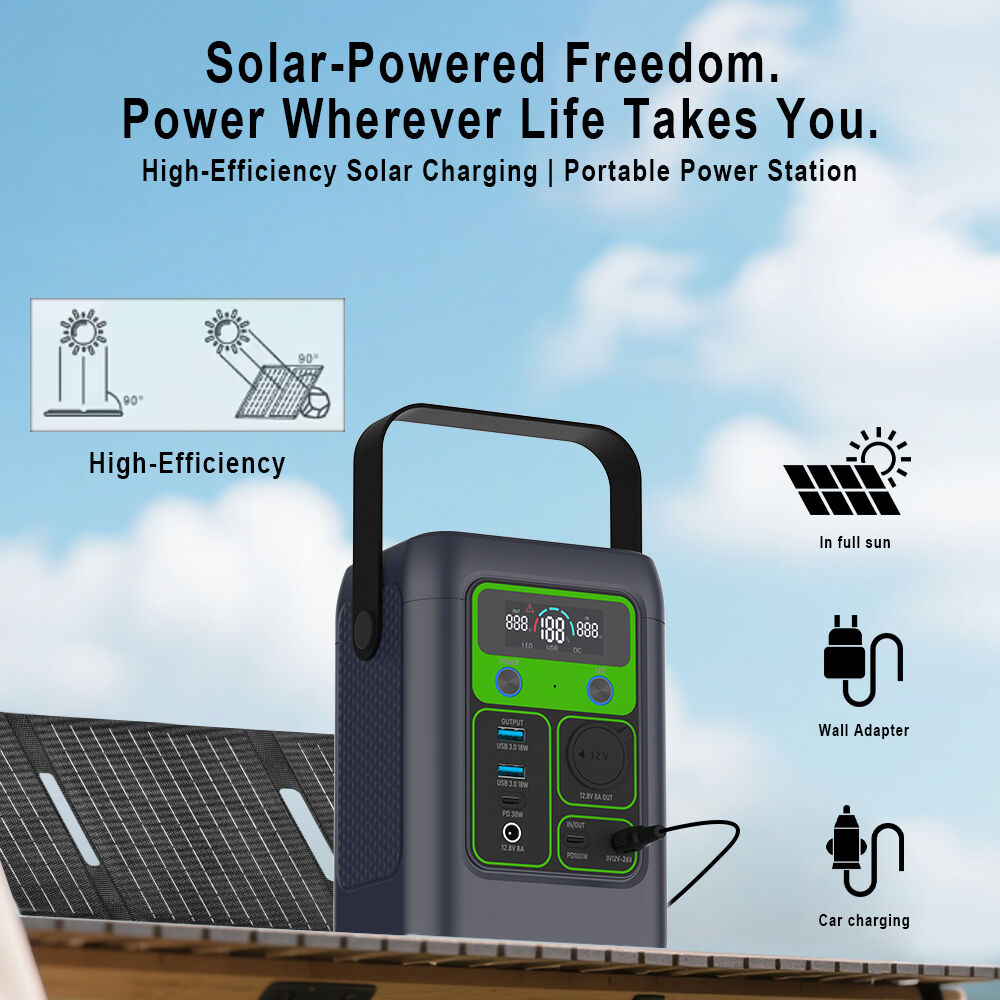
Modern campers are increasingly turning to LiFePO4 portable power stations as their preferred energy solution for off-grid adventures. This shift represents a significant evolution in camping technology, driven by the unique advantages that lithium iron phosphate batteries offer over traditional power sources. Understanding why experienced outdoor enthusiasts consistently choose these advanced power systems reveals the compelling benefits that make them indispensable for remote camping experiences.
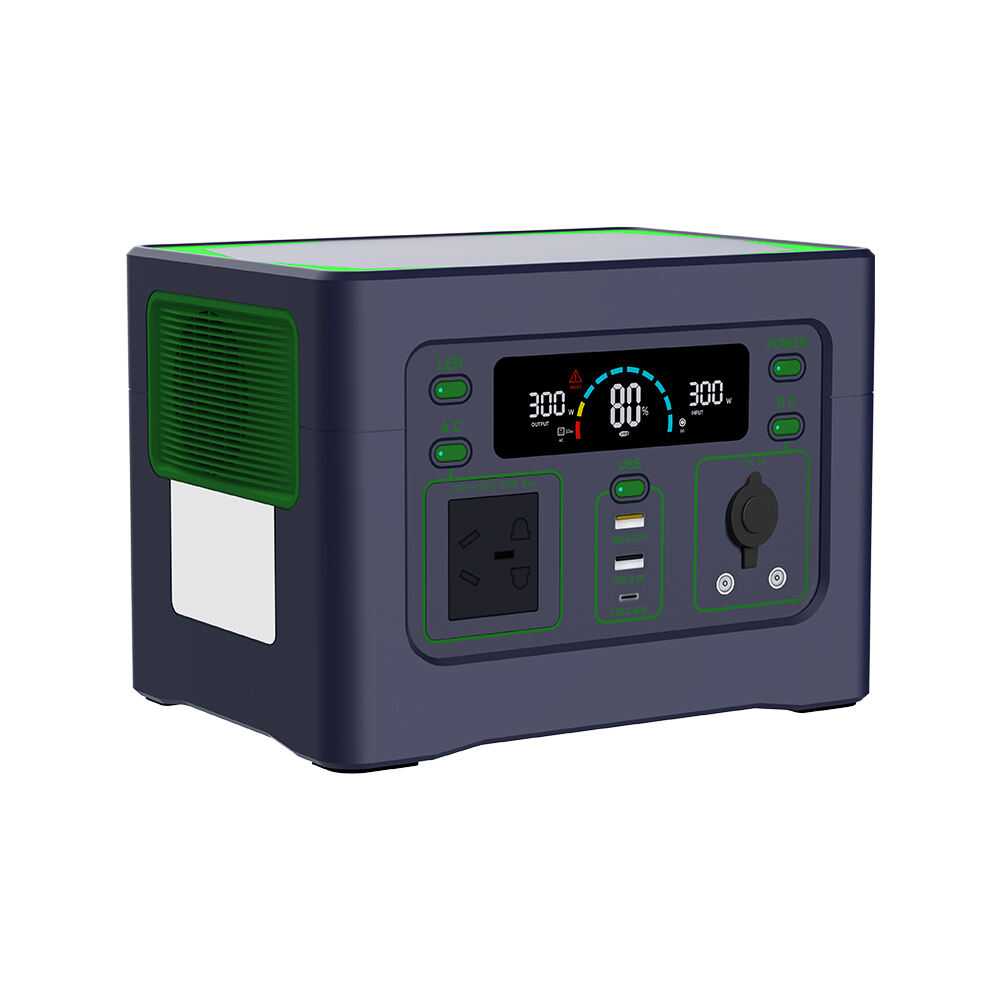
The decision to invest in LiFePO4 portable power stations stems from practical necessities that arise during extended off-grid camping trips. Traditional generators create noise pollution that disrupts the natural camping environment, while conventional battery systems often fail to provide reliable power for extended periods. Campers need dependable energy sources that can power essential devices like refrigerators, lighting systems, communication equipment, and medical devices without compromising the peaceful outdoor experience they seek.
Superior Safety Performance in Remote Environments
Inherent Chemical Stability Advantages
LiFePO4 portable power stations provide exceptional safety characteristics that prove crucial during remote camping scenarios where emergency services may be hours away. The lithium iron phosphate chemistry exhibits remarkable thermal stability, preventing dangerous thermal runaway conditions that can occur with other battery technologies. This stability means campers can operate their power stations in various temperature conditions without fear of overheating, fire, or explosion risks that could endanger their safety in isolated locations.
The robust safety profile extends to the battery's resistance to physical damage and environmental stress. Unlike conventional lead-acid batteries that can leak harmful acids when damaged, LiFePO4 portable power stations maintain their integrity even when subjected to vibrations, impacts, and temperature fluctuations common during camping trips. This durability ensures that campers can transport their power stations across rough terrain without compromising safety or performance.
Built-in Protection Systems
Modern LiFePO4 portable power stations incorporate sophisticated battery management systems that continuously monitor and protect against various electrical hazards. These systems automatically prevent overcharging, over-discharging, short circuits, and overcurrent conditions that could damage connected devices or create safety risks. For campers using expensive electronic equipment like laptops, cameras, or medical devices, these protection features provide invaluable peace of mind during off-grid adventures.
The intelligent monitoring capabilities also extend battery life by preventing conditions that could cause permanent damage. Campers benefit from consistent performance throughout their trips, knowing that their LiFePO4 portable power stations will automatically adjust charging and discharging parameters to maintain optimal battery health even under challenging environmental conditions.
Extended Battery Life and Cycle Durability
Exceptional Cycle Life Performance
The outstanding cycle life of LiFePO4 portable power stations makes them economically attractive for frequent campers who demand reliable long-term performance. These batteries typically deliver 2,000 to 6,000 charge cycles while maintaining 80% of their original capacity, significantly outperforming traditional lead-acid batteries that may only provide 300 to 500 cycles. This longevity means campers can use their power stations for years of regular camping trips without experiencing significant capacity degradation.
The extended cycle life translates to lower total cost of ownership despite higher initial purchase prices. Campers who invest in LiFePO4 portable power stations avoid the frequent battery replacements required with conventional systems, making these units more cost-effective over their operational lifetime. This economic advantage becomes particularly pronounced for dedicated outdoor enthusiasts who embark on multiple camping trips throughout the year.
Consistent Power Output Characteristics
LiFePO4 portable power stations maintain consistent voltage output throughout their discharge cycle, ensuring that connected devices receive stable power from full charge to near depletion. This flat discharge curve prevents the performance degradation that campers experience with traditional batteries, where voltage drops significantly as the battery depletes. Devices like LED lights, fans, and electronics operate at full efficiency throughout the entire battery cycle, maximizing the utility of available power.
The stable power delivery also protects sensitive electronic equipment from voltage fluctuations that could cause malfunctions or damage. Campers can confidently connect valuable devices knowing that their LiFePO4 portable power stations will provide clean, regulated power that meets manufacturer specifications. This reliability proves especially important for medical equipment, communication devices, and precision instruments that require consistent power quality for proper operation.
Rapid Charging Capabilities and Solar Integration
Fast Charging Technology Benefits
The rapid charging capabilities of LiFePO4 portable power stations address one of the primary challenges faced by campers during extended off-grid stays. These batteries can accept high charging currents, enabling them to reach full capacity much faster than conventional alternatives. Many LiFePO4 portable power stations can achieve 80% charge in just 1-2 hours when connected to appropriate charging sources, allowing campers to quickly restore power during brief stops at facilities with electrical access.
This fast charging capability proves particularly valuable for campers who need to balance power consumption with charging opportunities during their trips. The ability to rapidly replenish battery capacity means shorter charging sessions and more time enjoying outdoor activities. Campers can strategically plan their power usage knowing that they can quickly restore capacity when charging opportunities arise, whether from vehicle alternators, shore power, or generator sources.
Optimal Solar Panel Compatibility
LiFePO4 portable power stations excel in solar charging applications, making them ideal for campers who prefer sustainable energy solutions during off-grid adventures. These batteries can efficiently accept the variable power output from solar panels, automatically adjusting to changing light conditions throughout the day. The advanced charge controllers integrated into modern units optimize solar energy harvest while protecting the battery from overcharging or damage due to voltage fluctuations.
The compatibility with portable solar panels enables true energy independence for extended camping trips. Campers can continuously replenish their power stations during daylight hours, potentially achieving indefinite off-grid capability when solar input matches or exceeds daily power consumption. This self-sufficiency eliminates dependence on fuel-powered generators or frequent trips to charging facilities, enhancing the remote camping experience while reducing environmental impact.
Weight and Space Efficiency Advantages
Superior Energy Density Benefits
The exceptional energy density of LiFePO4 portable power stations provides significant advantages for campers who must carefully manage weight and space in their vehicles or backpacks. These batteries store substantially more energy per pound compared to traditional lead-acid alternatives, allowing campers to carry more power capacity without exceeding vehicle weight limits or compromising cargo space for other essential gear. A typical LiFePO4 unit might weigh 50% less than an equivalent lead-acid battery system while providing the same or greater energy capacity.
This weight advantage becomes increasingly important for campers using smaller vehicles, motorcycles, or those who need to carry their power stations significant distances from their vehicles to camping sites. The reduced weight burden enables longer hiking distances to remote locations while still maintaining access to reliable electrical power for essential devices and comfort items.
Compact Design Integration
Modern LiFePO4 portable power stations feature compact, streamlined designs that integrate efficiently into various camping setups and storage configurations. The rectangular form factors and integrated handles make these units easy to transport, store, and position within camping areas. Many models include built-in inverters, charge controllers, and multiple output options in single compact packages, eliminating the need for separate components that would consume additional space and create complexity.
The space efficiency allows campers to allocate more room for other essential gear like food, clothing, and recreational equipment. The compact nature of LiFePO4 portable power stations makes them suitable for various camping styles, from minimalist backpacking adventures to elaborate RV setups, providing flexibility that matches diverse outdoor lifestyle preferences.
Temperature Performance and Environmental Adaptability
Wide Operating Temperature Range
LiFePO4 portable power stations demonstrate superior performance across wide temperature ranges, making them reliable power sources for camping in diverse climatic conditions. These batteries maintain effective operation in temperatures ranging from -20°C to 60°C (-4°F to 140°F), ensuring consistent power delivery whether camping in winter mountains or summer deserts. This temperature tolerance eliminates many of the performance limitations that affect other battery technologies in extreme conditions.
The temperature stability proves particularly valuable for campers who pursue year-round outdoor activities or travel to regions with significant temperature variations. Unlike conventional batteries that may lose substantial capacity in cold conditions or require heating systems, LiFePO4 portable power stations maintain reasonable performance levels across their operating range, ensuring reliable power when campers need it most.
Environmental Resistance Features
Quality LiFePO4 portable power stations incorporate robust construction and sealing that protects internal components from dust, moisture, and other environmental contaminants common in camping environments. These protective features enable reliable operation despite exposure to rain, humidity, sand, and other challenging conditions that campers encounter during outdoor adventures. The environmental resistance ensures long-term reliability and prevents premature failure due to contamination or corrosion.
The durable construction also withstands the physical demands of camping activities, including transportation across rough terrain, exposure to UV radiation, and occasional impacts that occur during setup and breakdown operations. This rugged reliability gives campers confidence that their power stations will continue functioning throughout extended trips and multiple seasons of use, justifying the investment in premium power technology.
FAQ
How long do LiFePO4 portable power stations last during camping trips?
The runtime of LiFePO4 portable power stations depends on the battery capacity and connected load requirements. A typical 300Wh unit might power LED lights for 20-30 hours, run a small refrigerator for 8-12 hours, or charge smartphones 15-20 times. Campers can calculate expected runtime by dividing the battery capacity by their total power consumption to plan accordingly for their specific needs and trip duration.
Can LiFePO4 portable power stations be charged while being used?
Yes, most LiFePO4 portable power stations support pass-through charging, allowing simultaneous charging and discharging operations. This feature enables campers to power devices while the unit charges from solar panels, vehicle alternators, or other power sources. However, the charging rate may be reduced when powering high-demand devices, and campers should verify that their specific model supports this functionality before relying on it during trips.
Are LiFePO4 portable power stations worth the higher initial cost for camping?
The higher initial investment in LiFePO4 portable power stations typically provides better long-term value for regular campers due to their extended cycle life, superior performance, and lower maintenance requirements. When considering the total cost of ownership over 5-10 years of camping use, including replacement costs for conventional batteries, the LiFePO4 technology often proves more economical while delivering significantly better performance and reliability.
What safety precautions should campers take when using LiFePO4 portable power stations?
Campers should follow basic electrical safety practices including keeping units dry, avoiding extreme temperatures beyond specifications, using appropriate cables and connectors, and ensuring adequate ventilation around the unit. While LiFePO4 portable power stations are inherently safe, campers should read manufacturer guidelines, avoid physical damage to the unit, and never attempt repairs or modifications that could compromise built-in safety systems.
Table of Contents
- Superior Safety Performance in Remote Environments
- Extended Battery Life and Cycle Durability
- Rapid Charging Capabilities and Solar Integration
- Weight and Space Efficiency Advantages
- Temperature Performance and Environmental Adaptability
-
FAQ
- How long do LiFePO4 portable power stations last during camping trips?
- Can LiFePO4 portable power stations be charged while being used?
- Are LiFePO4 portable power stations worth the higher initial cost for camping?
- What safety precautions should campers take when using LiFePO4 portable power stations?