No.252 Pinglong East Road, Fenghuang Community, Pinghu Street, Longgang District, Shenzhen +86-18029030625 [email protected]
No.252 Pinglong East Road, Fenghuang Community, Pinghu Street, Longgang District, Shenzhen +86-18029030625 [email protected]

As the world accelerates its shift toward sustainable energy solutions, hybrid batteries have emerged as a cornerstone of this transition, bridging the gap between performance, reliability, and environmental responsibility. These advanced energy storage systems blend the strengths of distinct battery technologies to deliver a level of efficiency and versatility that single-technology batteries struggle to match. In the energy storage and automotive sectors, hybrid batteries are rapidly gaining traction, thanks to their enhanced efficiency, extended lifespan, and eco-friendly attributes. This article explores the fundamentals of hybrid batteries, their diverse applications, key advantages, future potential, and how YABO Power is innovating in this space to meet global demand.
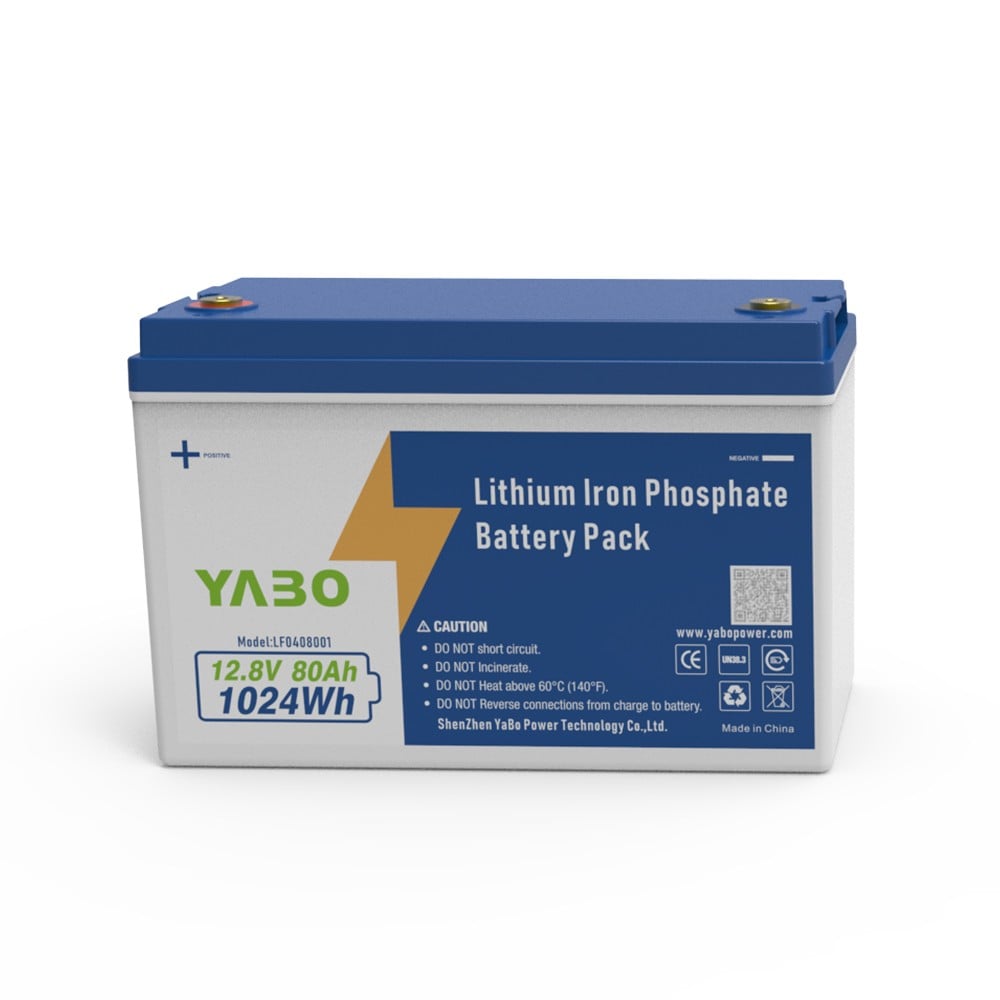
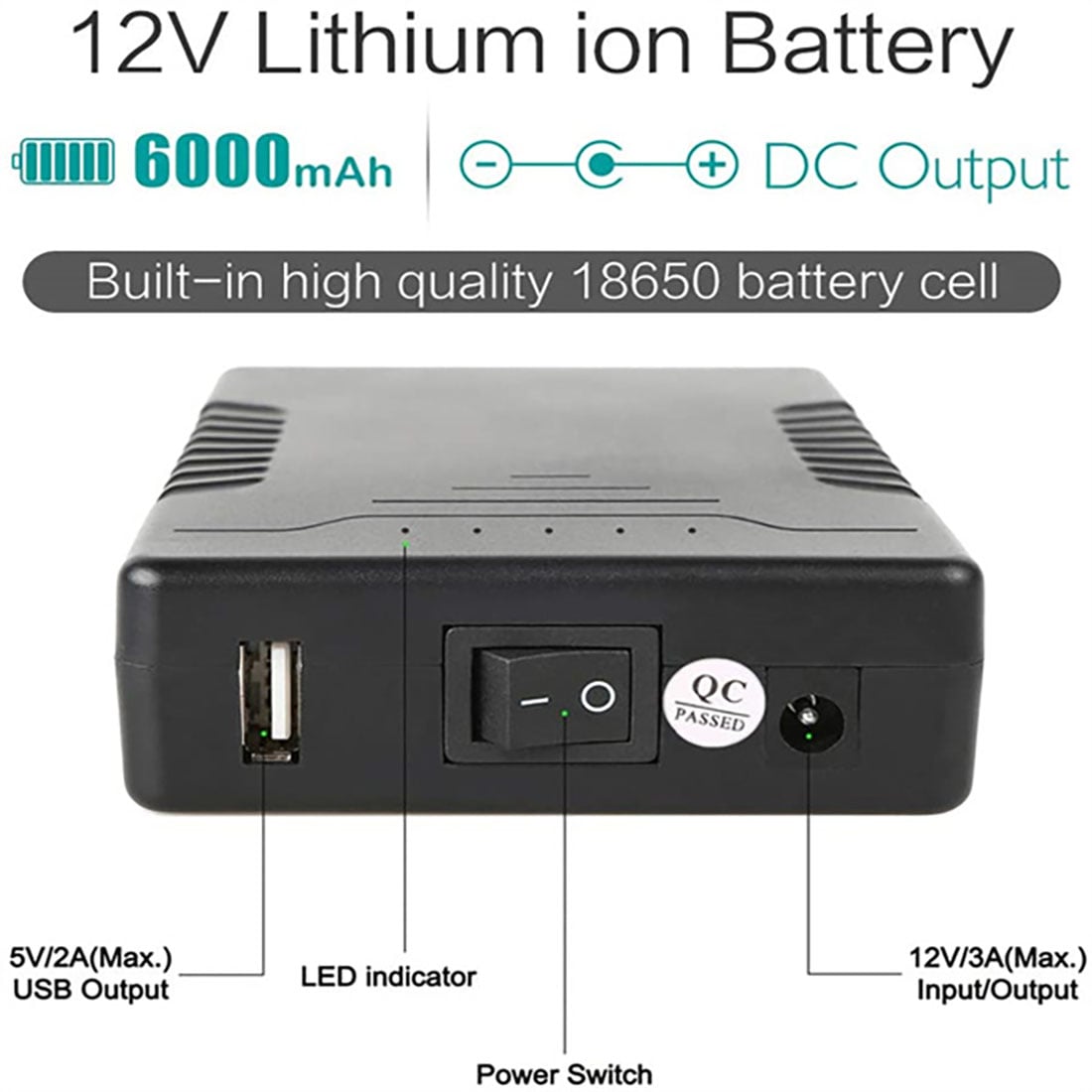
Hybrid batteries are sophisticated energy storage systems that integrate two or more battery technologies—most commonly lithium-ion and lead-acid—to create a synergistic solution. Lithium-ion batteries are prized for their high energy density, fast charging capabilities, and lightweight design, while lead-acid batteries offer robustness, low upfront costs, and proven reliability in heavy-duty applications. By combining these technologies, hybrid batteries leverage the best of both worlds: they harness the energy efficiency of lithium-ion for daily use and the structural durability of lead-acid for high-load scenarios, resulting in a system that is optimized for performance and practicality. This integration is not just a simple combination, but a carefully engineered design that balances charge and discharge cycles to maximize the strengths of each component while mitigating their individual limitations.
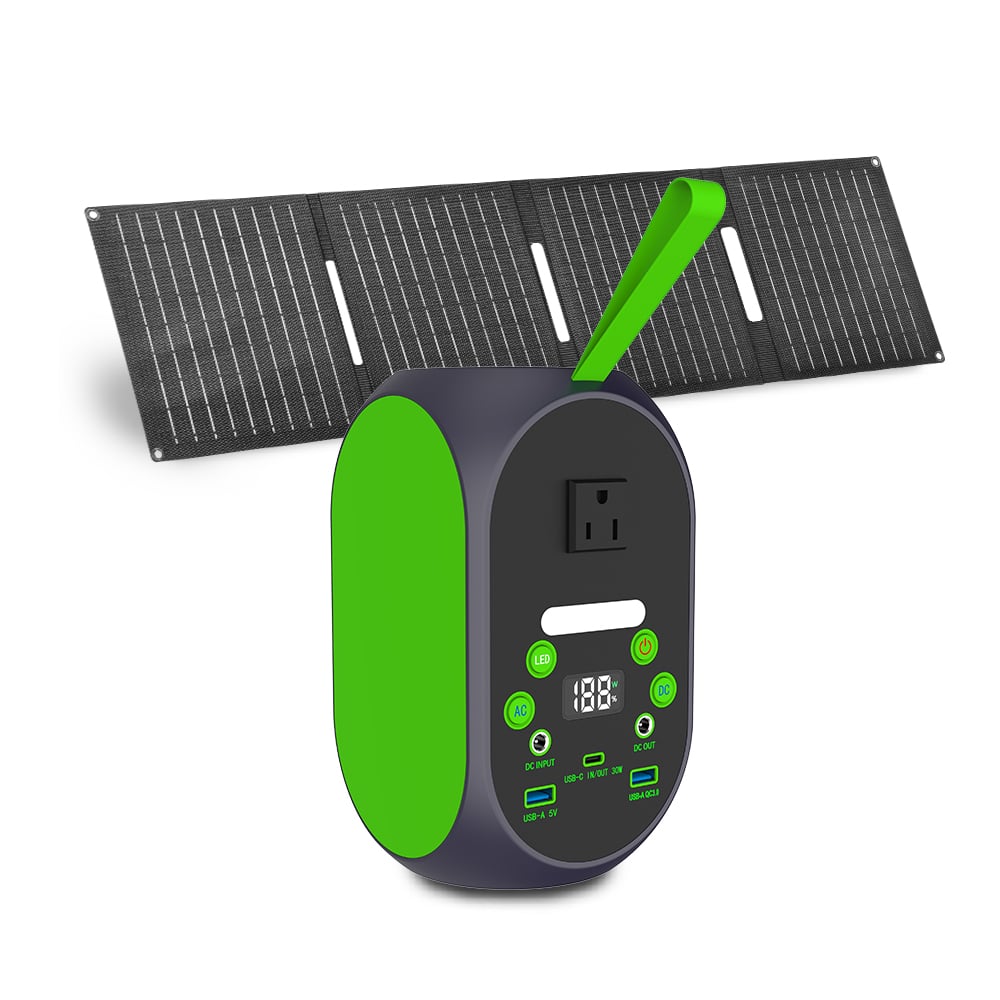
Hybrid batteries have a broad range of applications across residential, commercial, industrial, and automotive sectors, making them a versatile solution for modern energy needs.
Hybrid batteries offer numerous advantages over single-technology batteries, making them an attractive option for a wide range of users:
The future of hybrid batteries is bright, with ongoing advancements in materials, design, and manufacturing set to further enhance their performance and accessibility. As research into battery technology continues, scientists and engineers are developing new hybrid configurations that incorporate emerging technologies like solid-state batteries and flow batteries, further boosting energy density and safety. These innovations will make hybrid batteries even more efficient and cost-effective, opening up new applications in sectors like aerospace, marine, and renewable energy.
Hybrid batteries also play a crucial role in environmental sustainability. By enabling more efficient use of renewable energy sources, they reduce dependence on fossil fuels and lower greenhouse gas emissions, aligning with global climate goals. They also support the development of decentralized energy systems, allowing communities in remote or underserved areas to become energy-independent and resilient to grid disruptions. This is particularly important in developing countries, where reliable power supply is often a challenge.
As manufacturing techniques improve and economies of scale are achieved, hybrid batteries will become more affordable and accessible to a broader range of users. This democratization of technology will accelerate the transition to a more sustainable energy future, making clean energy available to homes, businesses, and communities around the world.
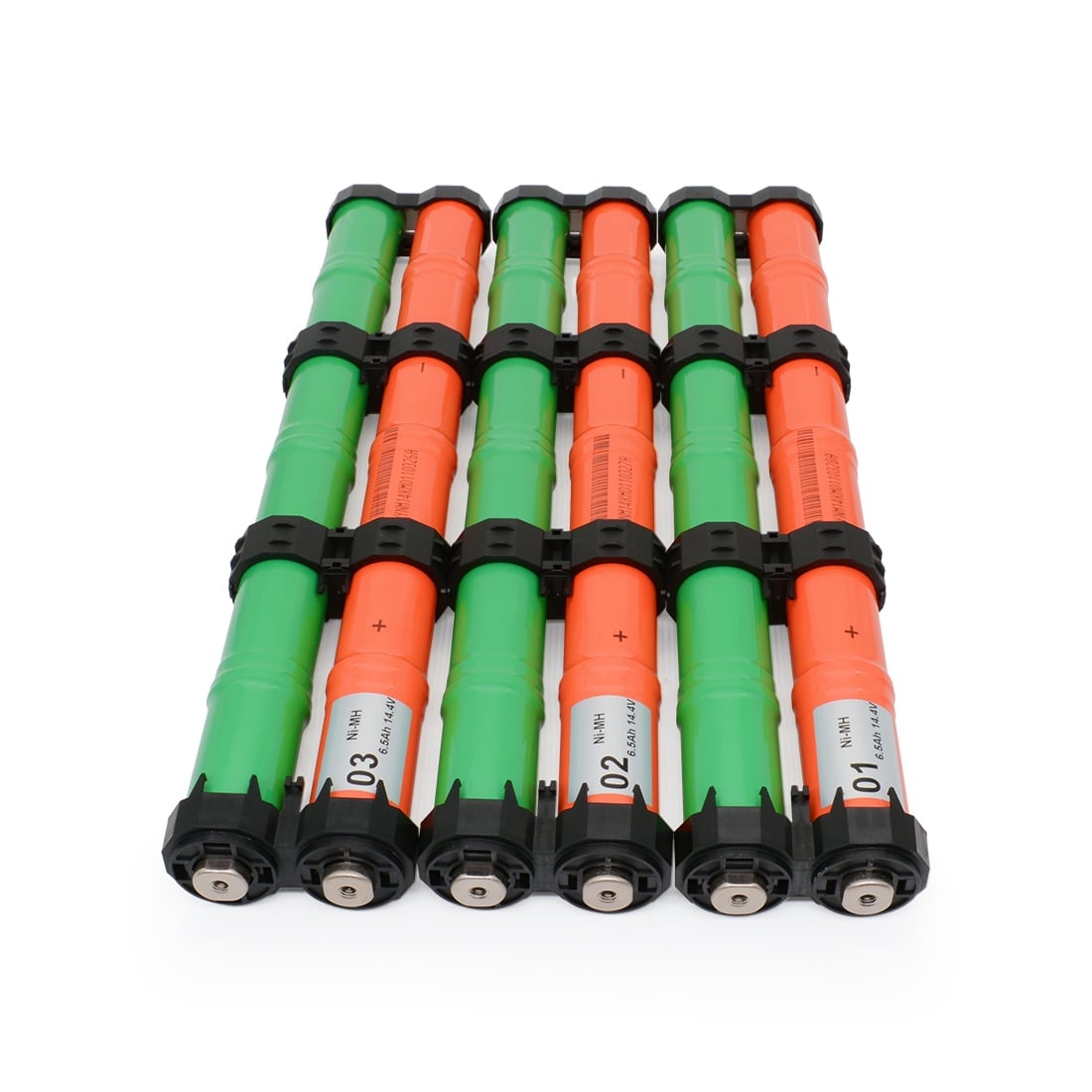
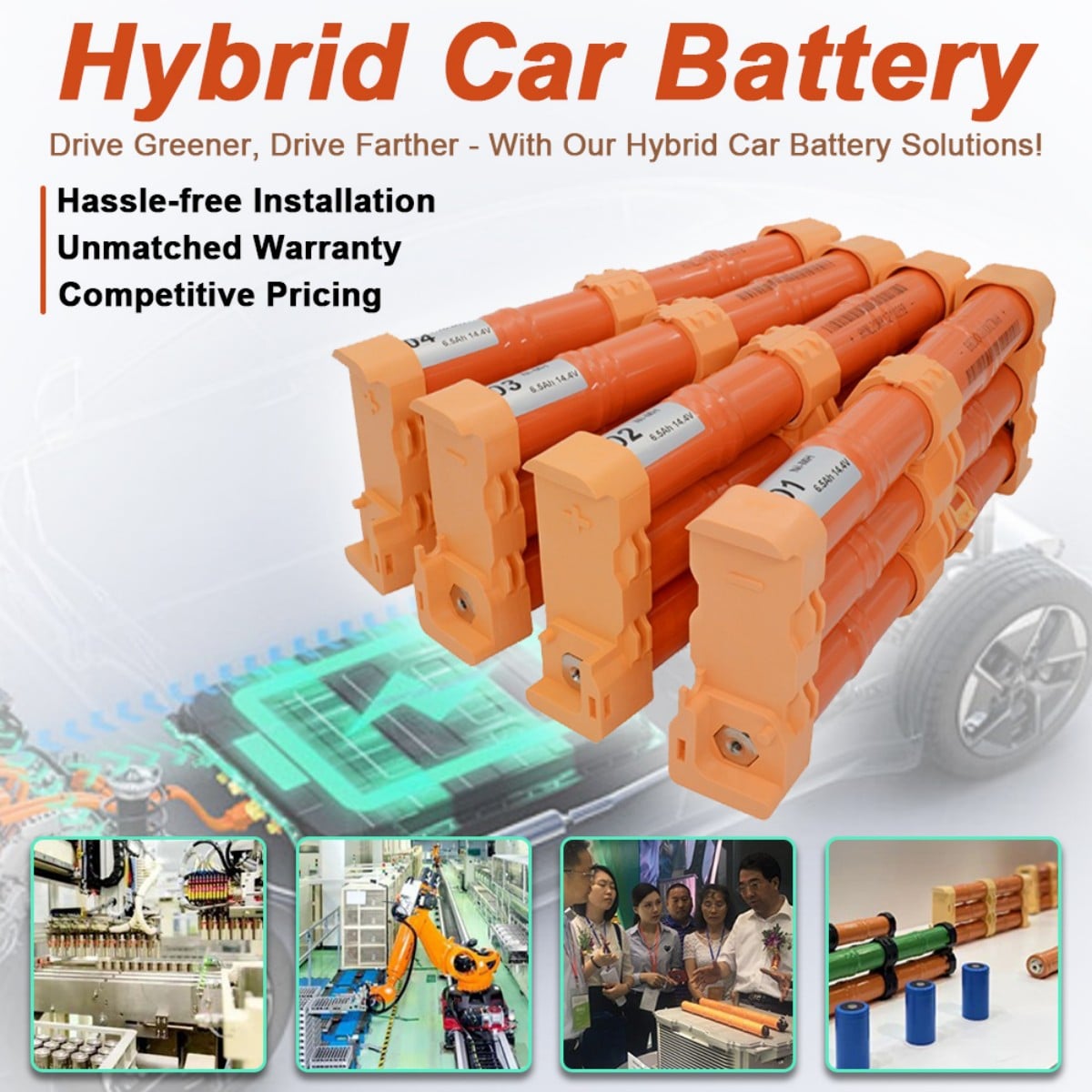
YABO Power, a leading manufacturer of battery solutions, has developed hybrid car batteries that embody the best of hybrid technology. These batteries combine different battery chemistries to deliver superior performance for hybrid vehicles, ensuring smooth and efficient power delivery. They feature a longer lifespan than traditional car batteries, with advanced safety features such as overheating protection, overcharging prevention, and short-circuit safeguards to ensure reliability on the road.
With high energy density, YABO Power’s hybrid car batteries provide extended driving ranges and better fuel efficiency, reducing the environmental impact of hybrid vehicles. The company is committed to sustainability, optimizing energy use and minimizing waste in the production process to create batteries that are both high-performing and eco-friendly. As a cost-effective solution, these batteries meet the demands of modern hybrid vehicles, helping drivers reduce their carbon footprint while enjoying reliable performance.
In conclusion, hybrid batteries represent a significant leap forward in energy storage technology, offering a host of benefits across residential, commercial, industrial, and automotive applications. Their enhanced performance, longer lifespan, increased safety, and cost-effectiveness make them a smart choice for consumers and businesses alike. As research and development in this field continue, hybrid batteries will play an even more vital role in the global transition to sustainable energy, and companies like YABO Power are leading the way with innovative, reliable solutions that power a greener future.
----author:Valarie
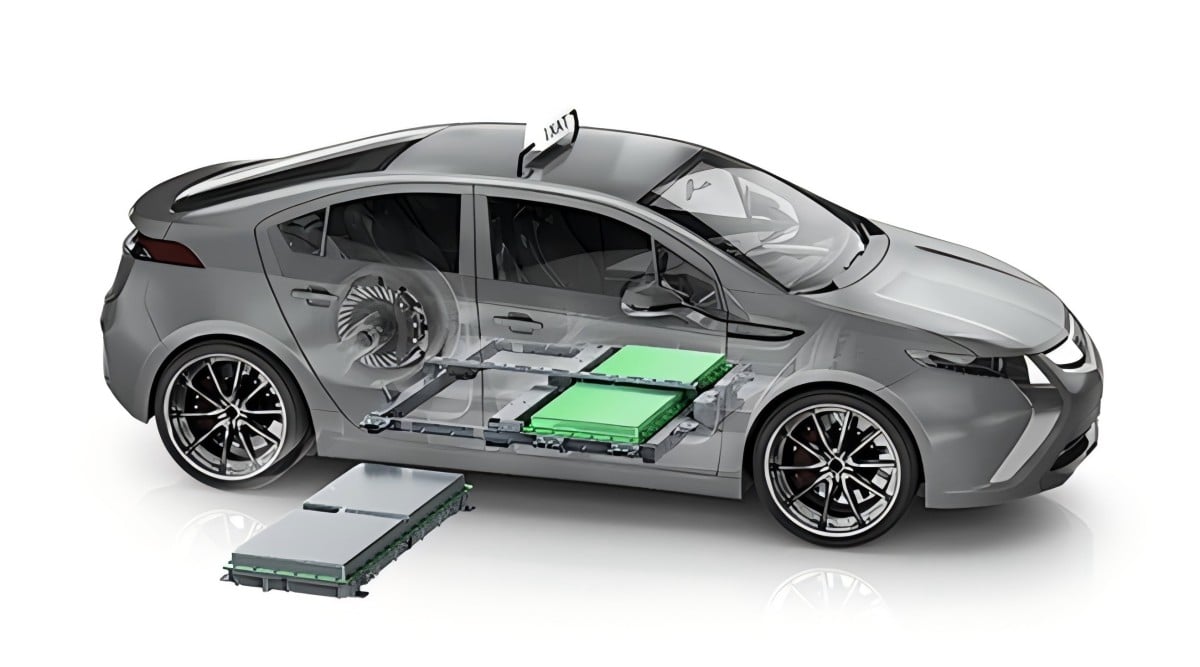
Hybrid batteries are gaining significant attention in the energy storage and automotive industries due to their enhanced efficiency, longevity, and environmental benefits. This article delves into everything you need to know about hybrid batteries, their applications, advantages, and future potential.
 Hot News
2026-10-22
2026-09-29
2026-09-04
2026-08-05
2026-07-06
2026-06-09

Shenzhen Yabo Power Technology Co., Ltd. provides custom LiFePO4 battery packs for solar, home energy storage, and industrial applications. 25+ years of expertise, ISO 9001 & CE certified. Trusted by Fortune 500 companies. Request a sample today.
No.252 Pinglong East Road, Fenghuang Community, Pinghu Street, Longgang District, Shenzhen
Copyright © 2026 Shenzhen Yabo Power Technology Co., Ltd. All rights reserved Privacy Policy
 EN
EN