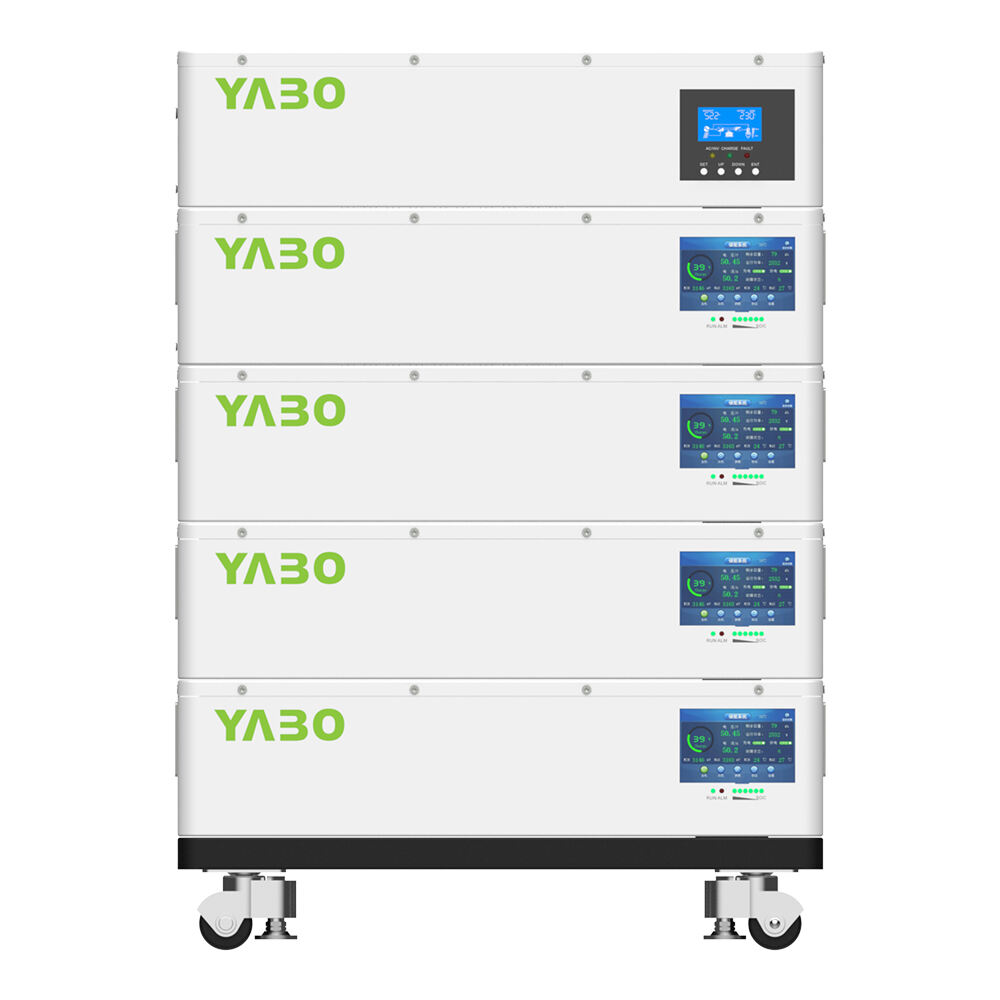
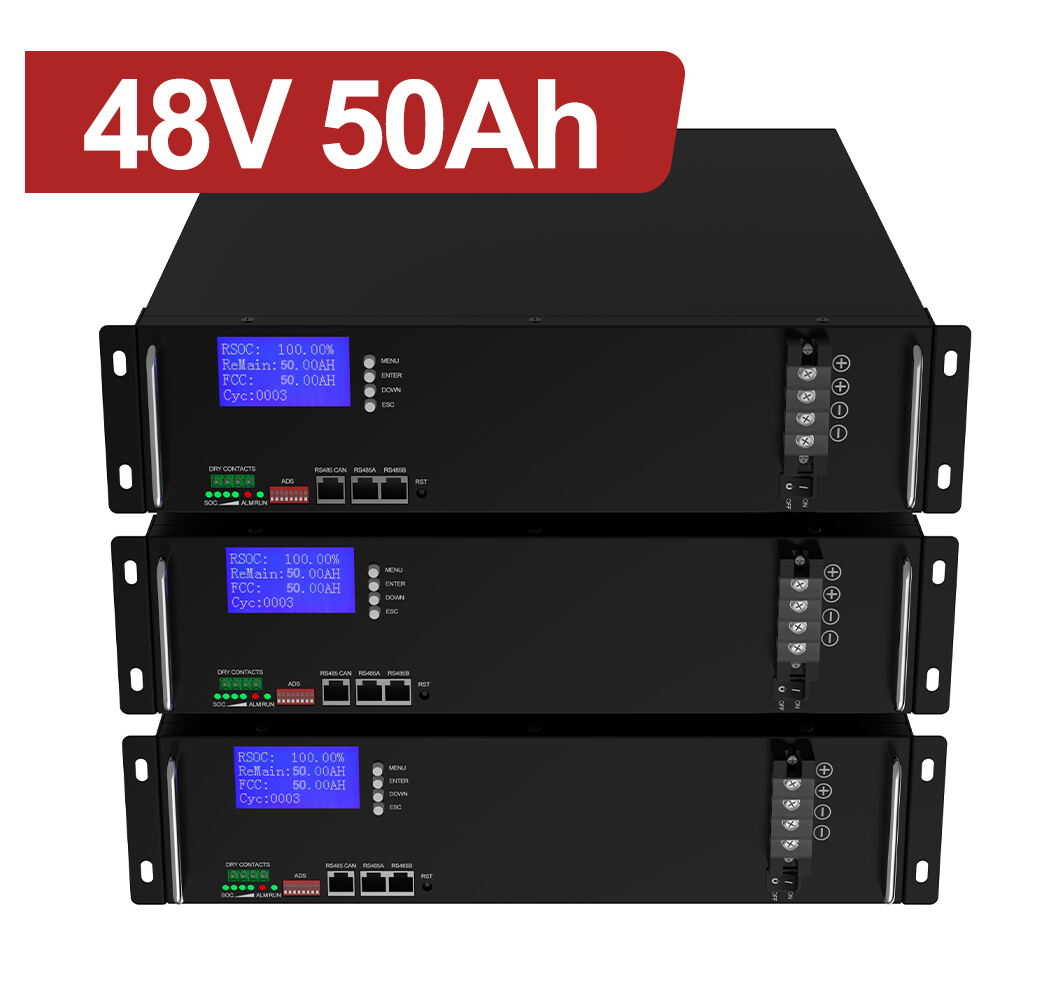
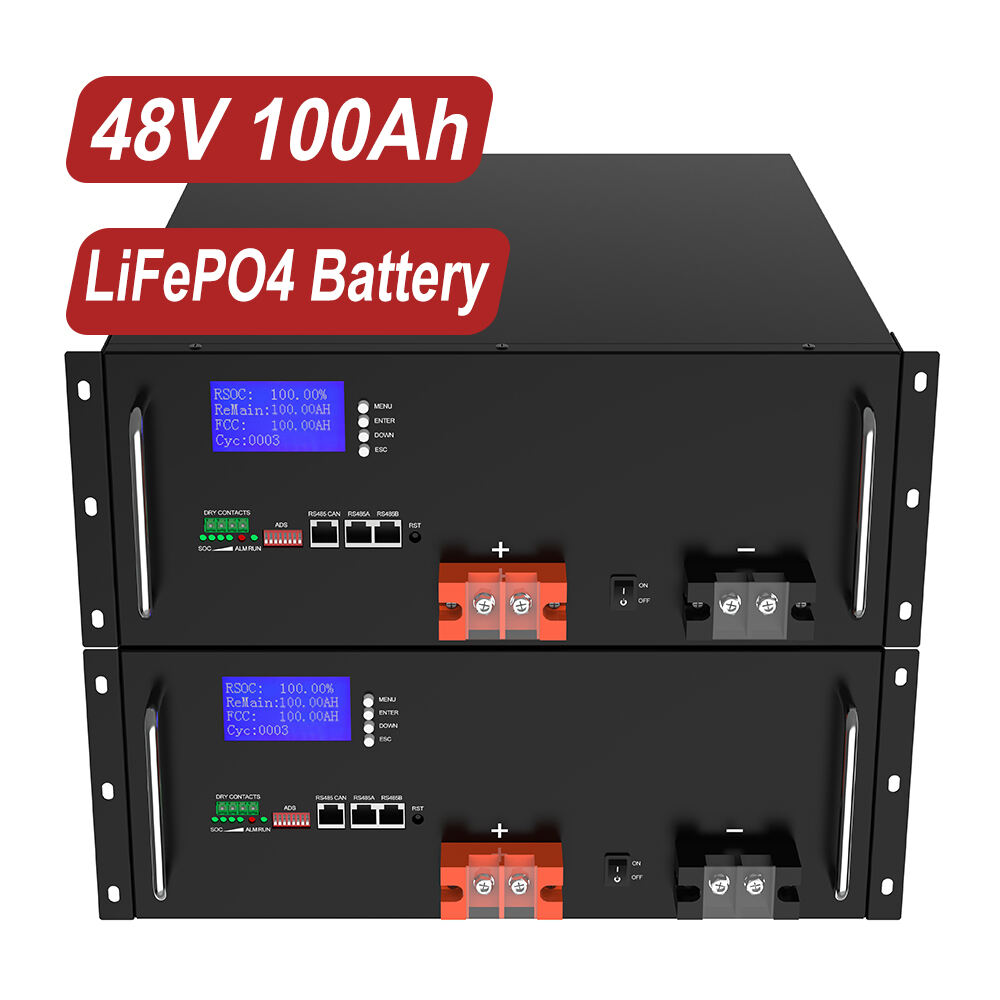
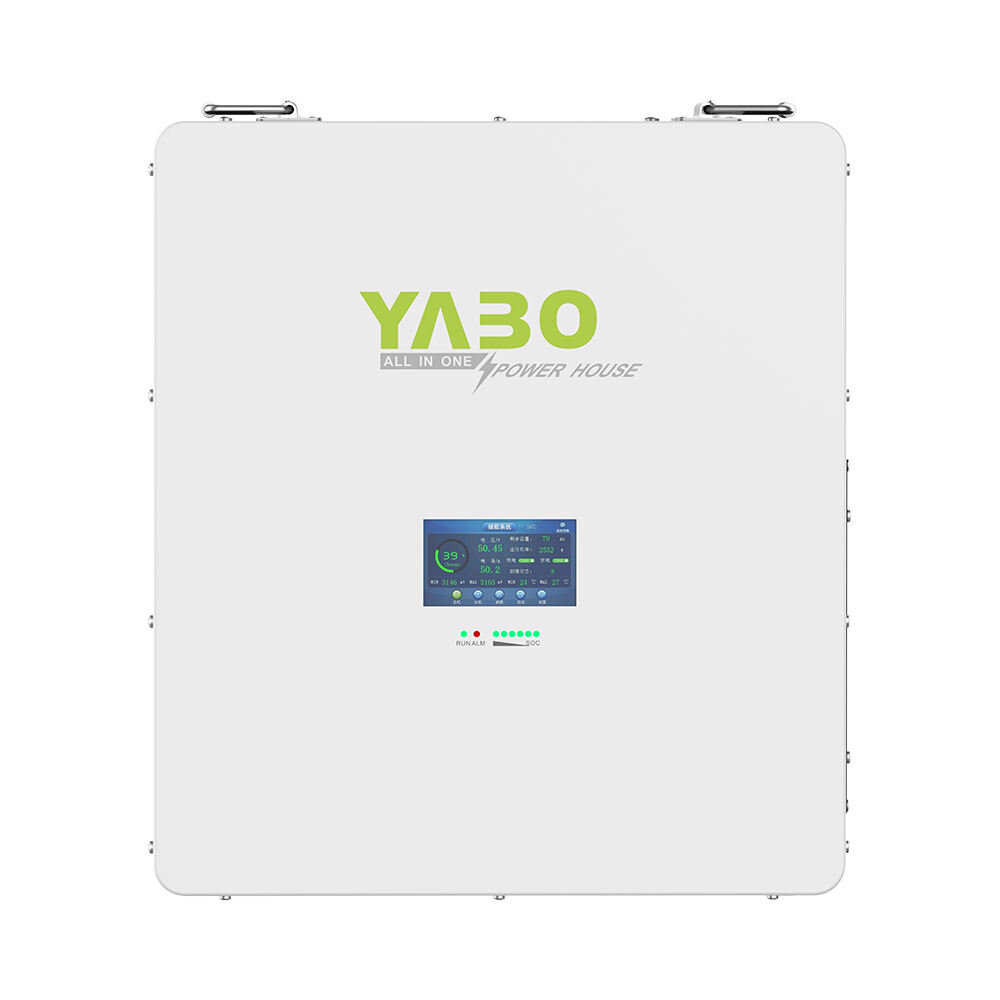
48v lifepo4 battery pack
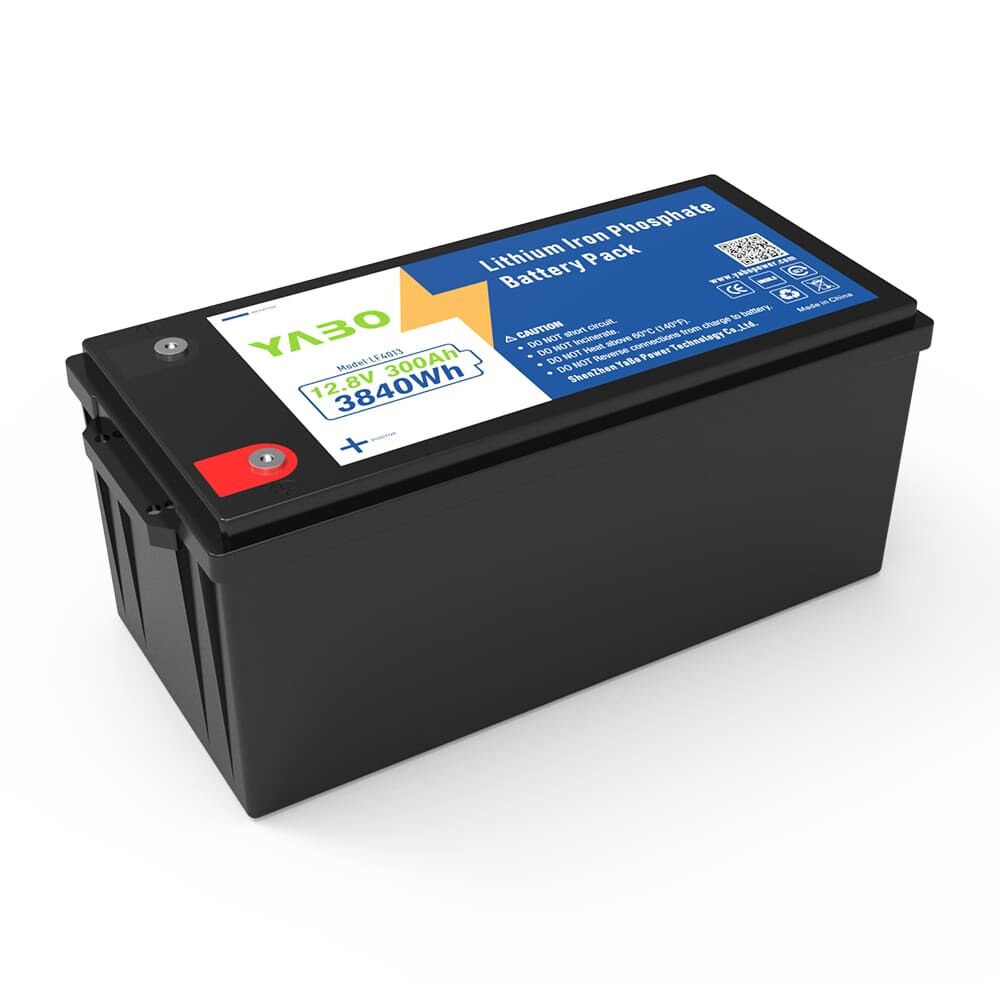
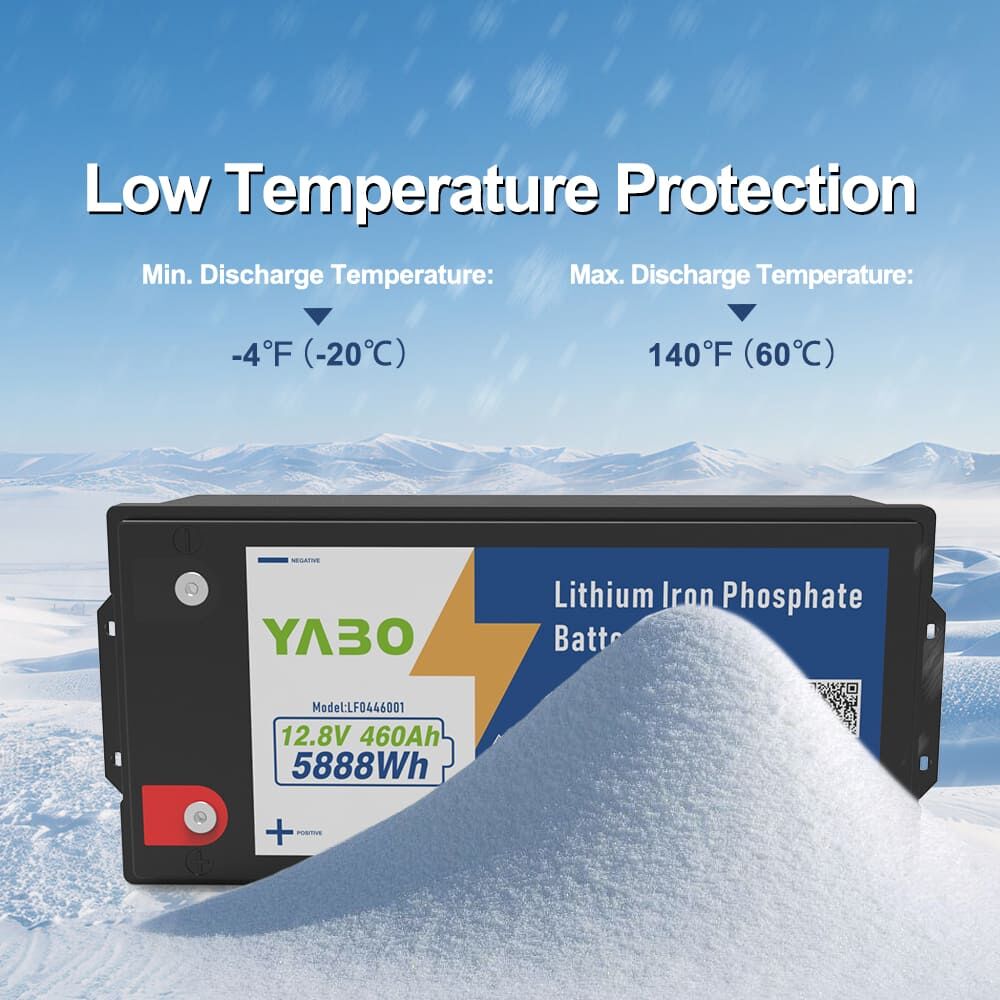
The 48v lifepo4 battery pack represents a revolutionary advancement in energy storage technology, delivering exceptional performance across diverse applications. This sophisticated power solution combines lithium iron phosphate chemistry with intelligent battery management systems to create a reliable, efficient, and long-lasting energy storage platform. The 48v lifepo4 battery pack operates at a nominal voltage of 48 volts, making it ideal for medium to high-power applications requiring consistent, stable power delivery. These battery systems incorporate advanced cell balancing technology that ensures optimal performance throughout their operational lifespan. The integrated battery management system monitors critical parameters including temperature, voltage, current flow, and state of charge, providing comprehensive protection against overcharging, deep discharge, and thermal runaway conditions. Modern 48v lifepo4 battery pack designs feature modular construction, allowing for easy installation, maintenance, and scalability based on specific energy requirements. The technological foundation of these battery packs relies on lithium iron phosphate cathode materials, which offer superior thermal stability compared to other lithium-ion chemistries. This enhanced safety profile makes the 48v lifepo4 battery pack particularly suitable for residential, commercial, and industrial applications where safety is paramount. Applications for 48v lifepo4 battery pack systems span numerous industries, including renewable energy storage for solar and wind installations, electric vehicle powertrains, marine propulsion systems, backup power solutions for critical infrastructure, and off-grid power systems for remote locations. The versatility of these battery packs extends to telecommunications equipment, emergency lighting systems, and portable power stations for outdoor activities. Manufacturing facilities utilize 48v lifepo4 battery pack technology for uninterruptible power supplies, ensuring continuous operations during grid outages. The compact design and high energy density of these battery systems make them particularly attractive for space-constrained installations where traditional lead-acid batteries would be impractical.


 EN
EN