Flexible Integration and Scalability Options
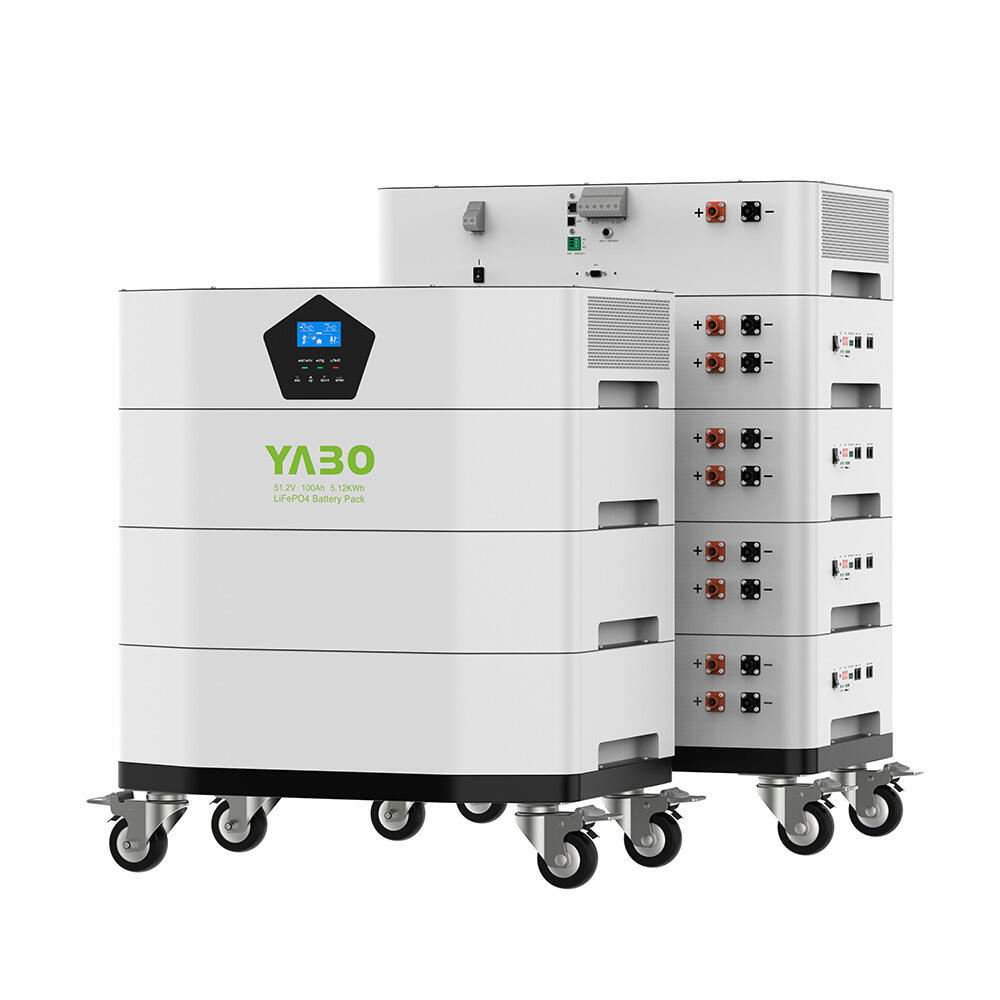
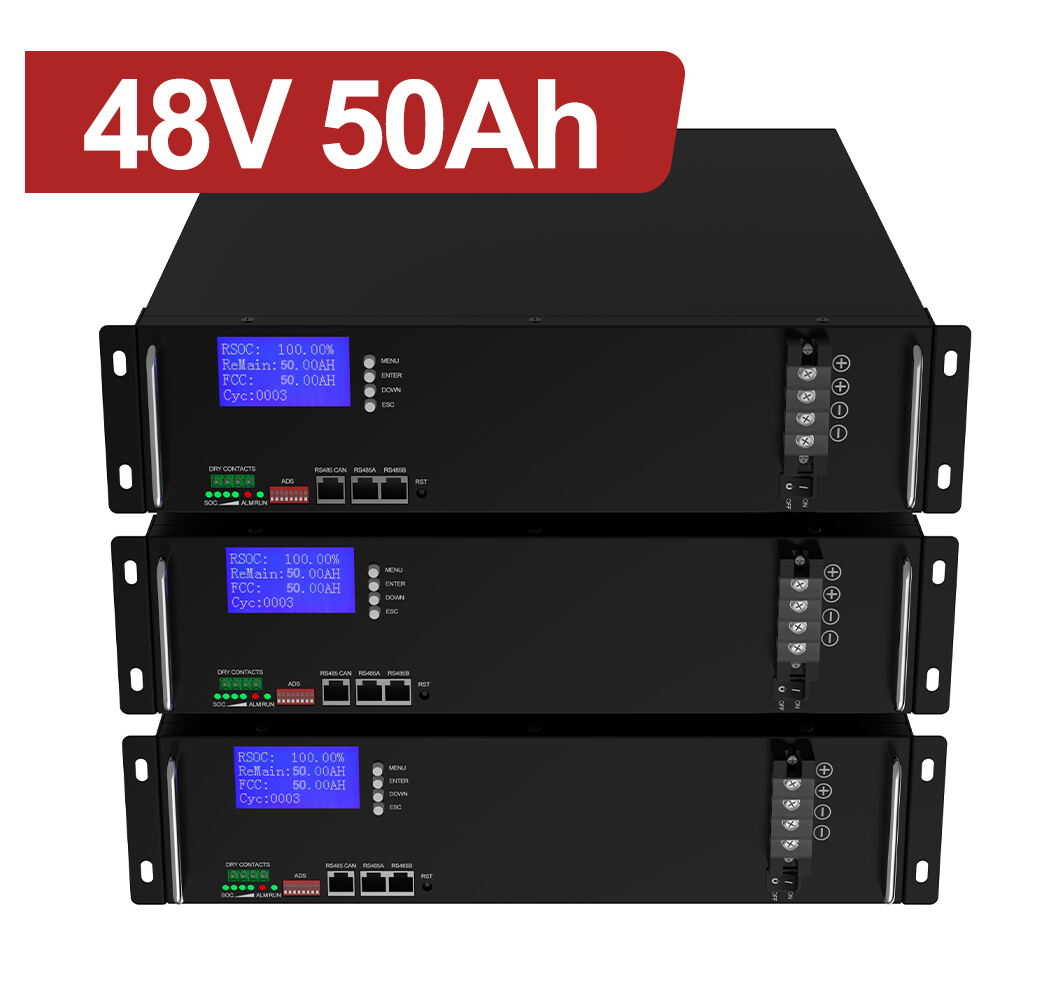
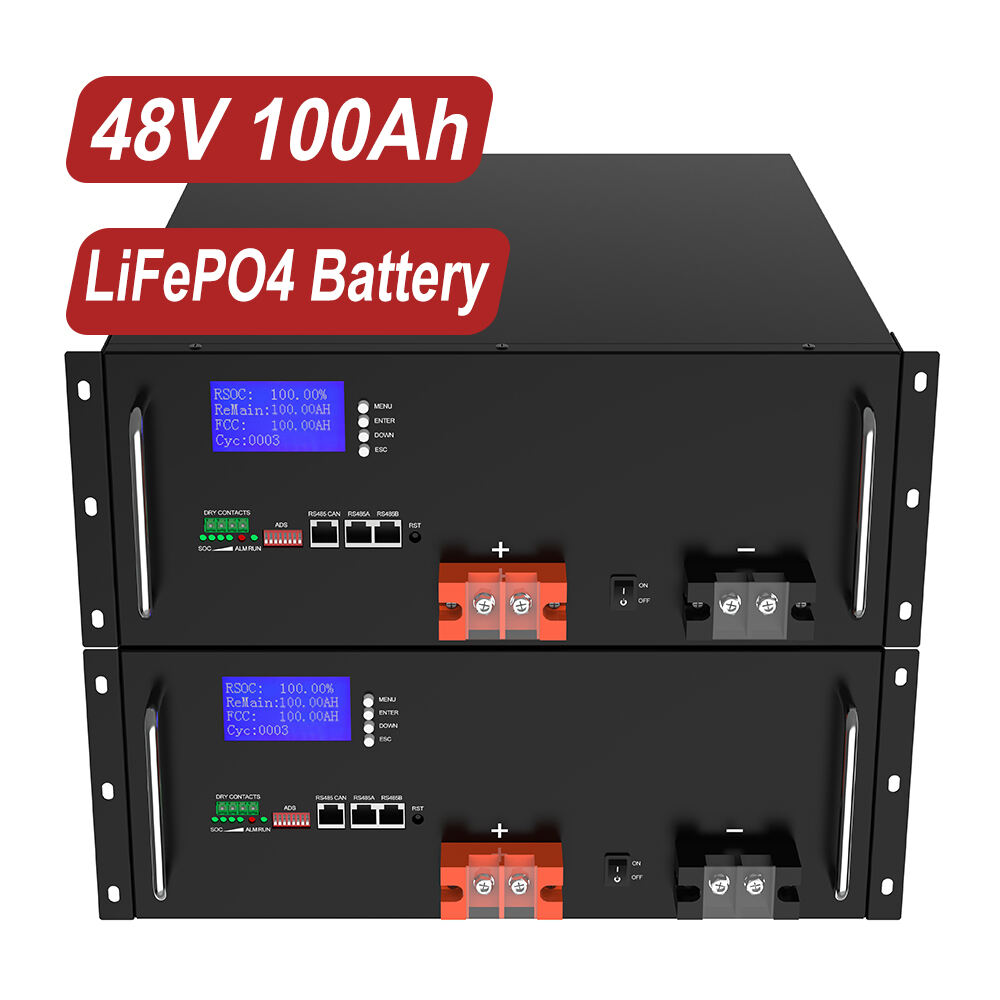
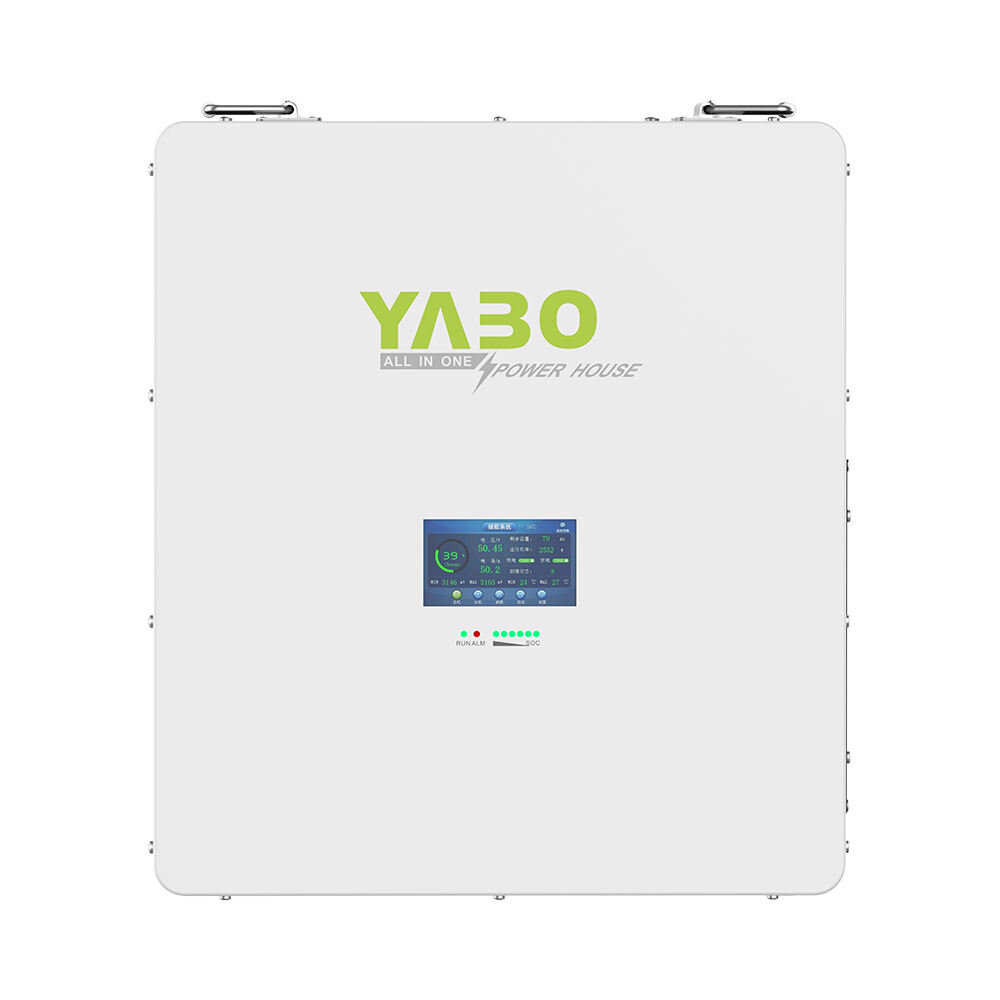
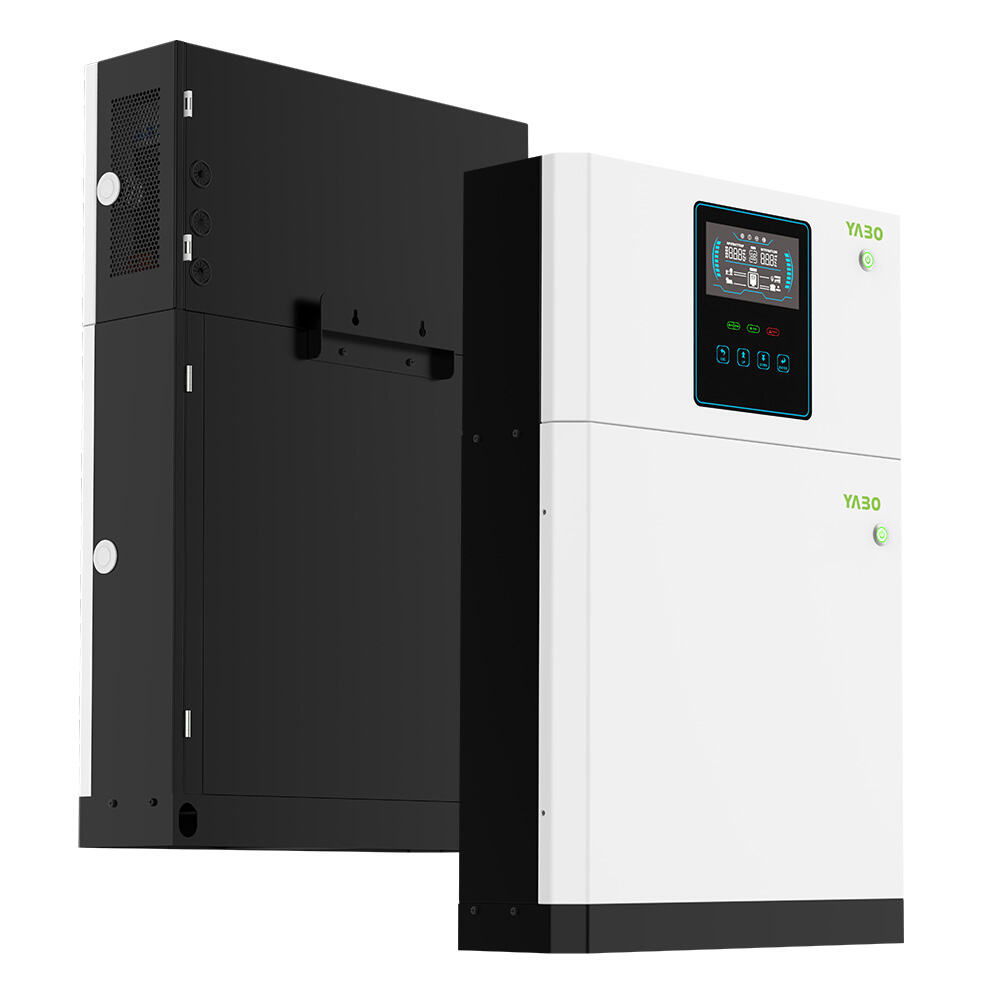
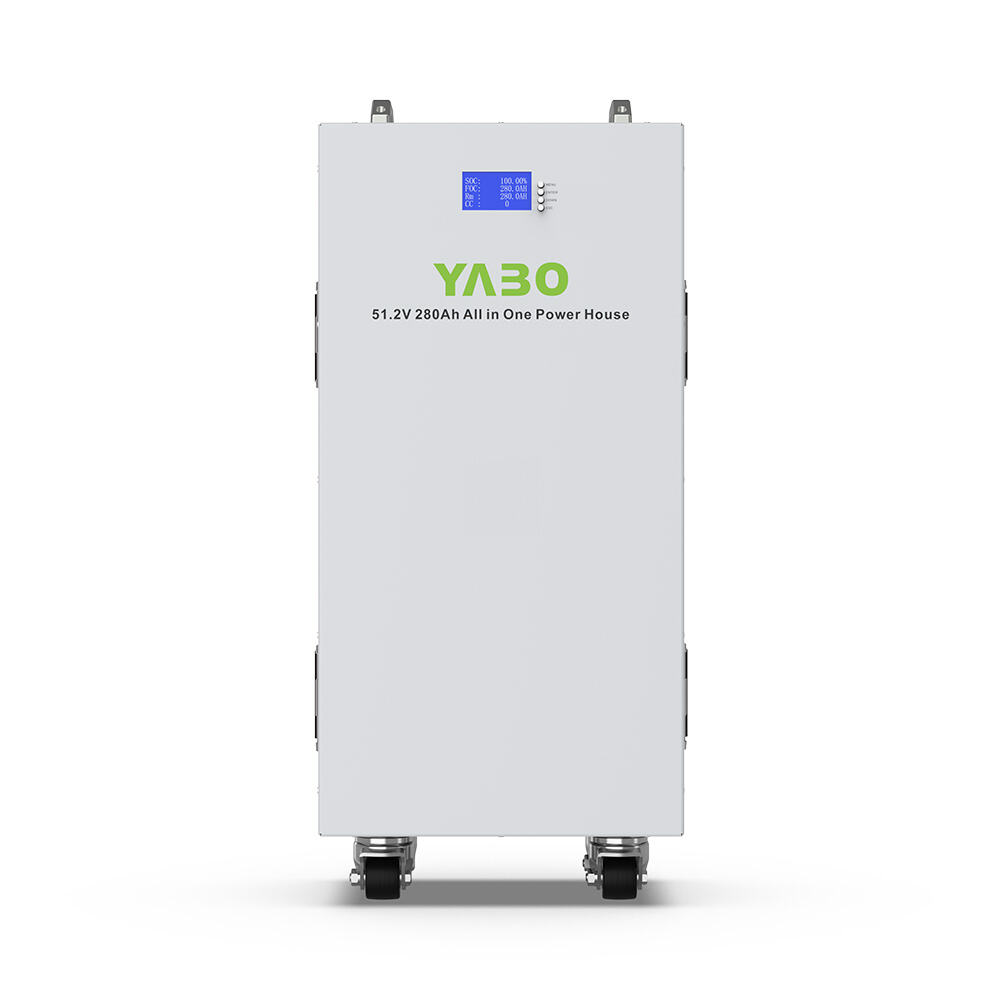
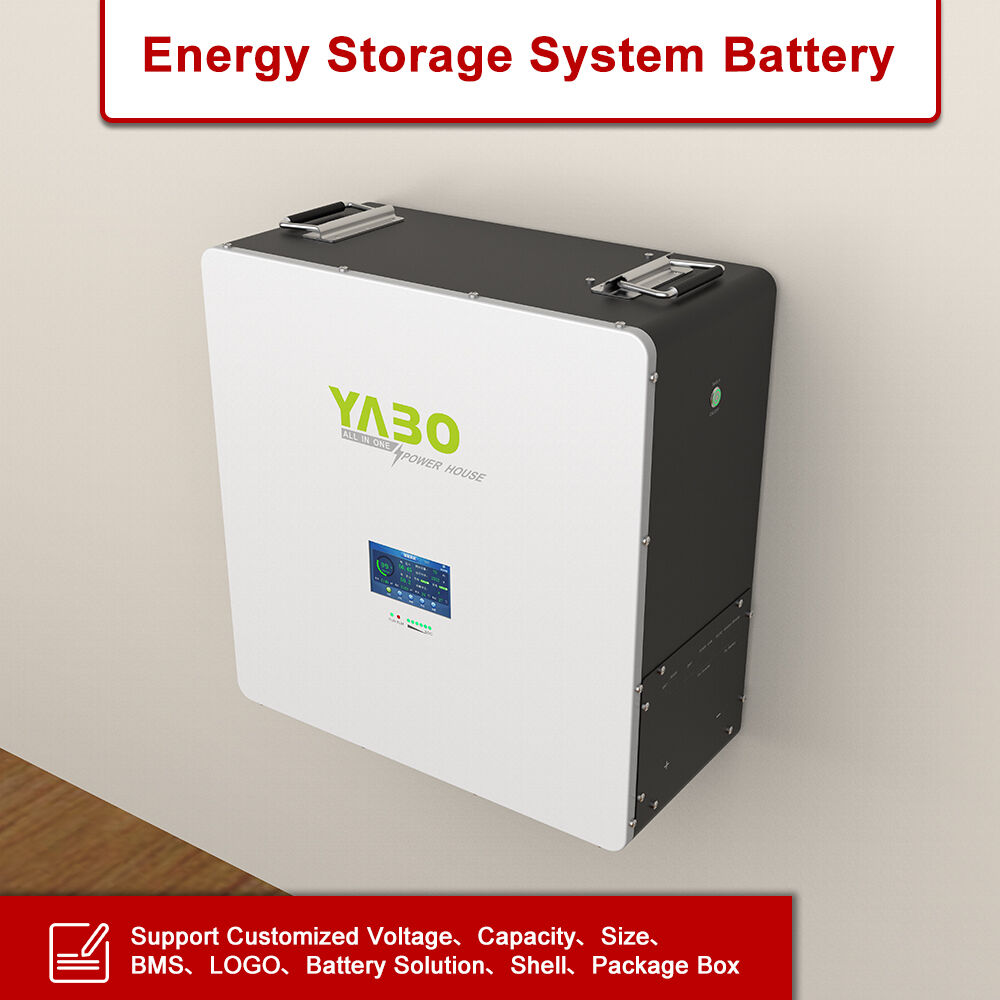
The versatile design of the 48v lifepo4 power supply enables seamless integration with diverse energy systems and equipment configurations, providing unmatched flexibility for current needs and future expansion requirements. The standardized voltage output ensures compatibility with existing 48-volt infrastructure commonly found in telecommunications, industrial automation, and renewable energy applications. Multiple communication protocols including CAN bus, RS485, and Ethernet connectivity allow integration with sophisticated monitoring and control systems for comprehensive energy management. The modular architecture supports parallel configuration of multiple units to achieve higher capacity and redundancy levels without complex rewiring or system modifications. This scalability proves invaluable as organizations grow and their power requirements increase, protecting initial investments while accommodating expanded operational needs. Plug-and-play installation procedures minimize deployment time and reduce the need for specialized technical expertise during system setup. The compact form factor maximizes installation flexibility in space-constrained environments while maintaining full performance capabilities. Advanced power management features enable dynamic load balancing across multiple power sources, optimizing efficiency and extending battery life in hybrid energy systems. The 48v lifepo4 power supply integrates effortlessly with solar panel arrays, wind turbines, and grid-tied systems to create comprehensive renewable energy solutions. Smart charging capabilities automatically adjust charging profiles based on available energy sources and load demands, maximizing system efficiency and reducing operational costs. Remote configuration options allow system parameters to be adjusted without physical access to equipment, simplifying maintenance and optimization procedures. The universal mounting options accommodate rack-mount, wall-mount, and floor-standing installations to suit different facility requirements. Expansion capabilities include the ability to add additional battery modules, upgrade control systems, and integrate new monitoring technologies as they become available, ensuring long-term system relevance and performance optimization.


 EN
EN