home energy storage battery factory
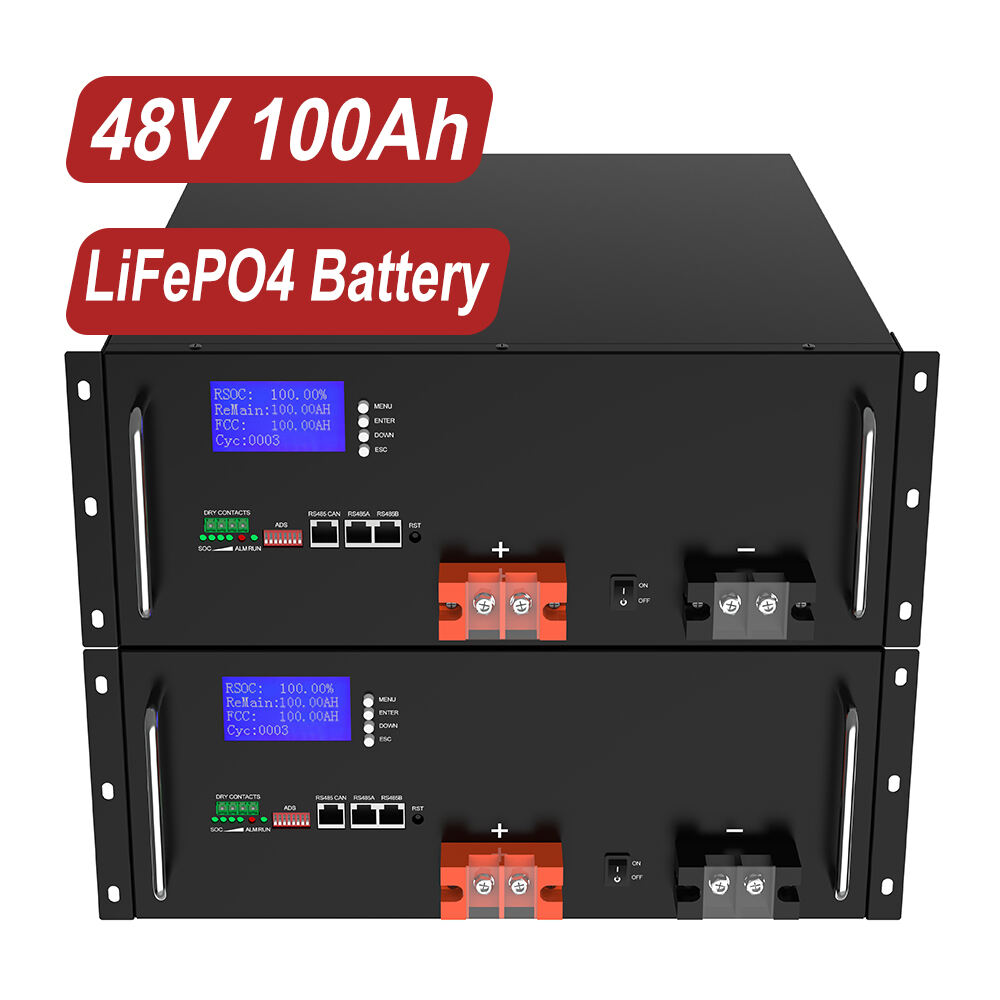
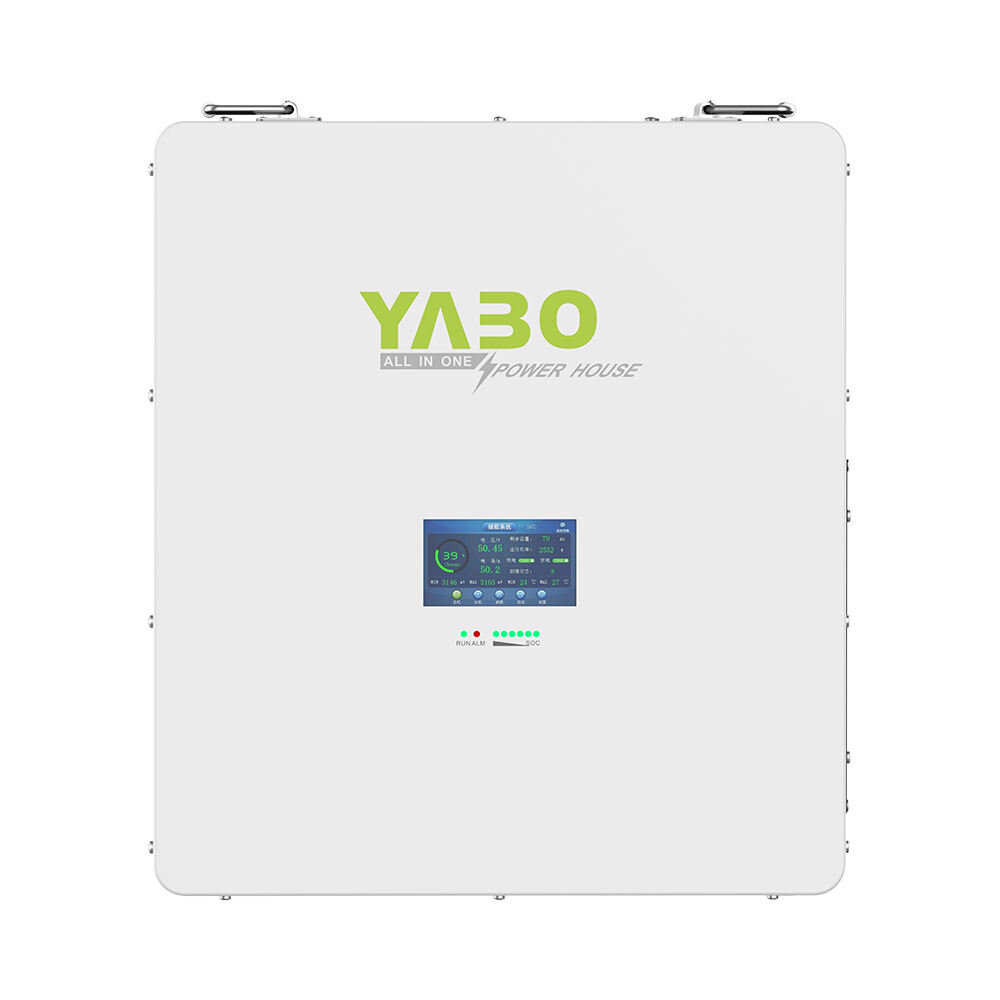
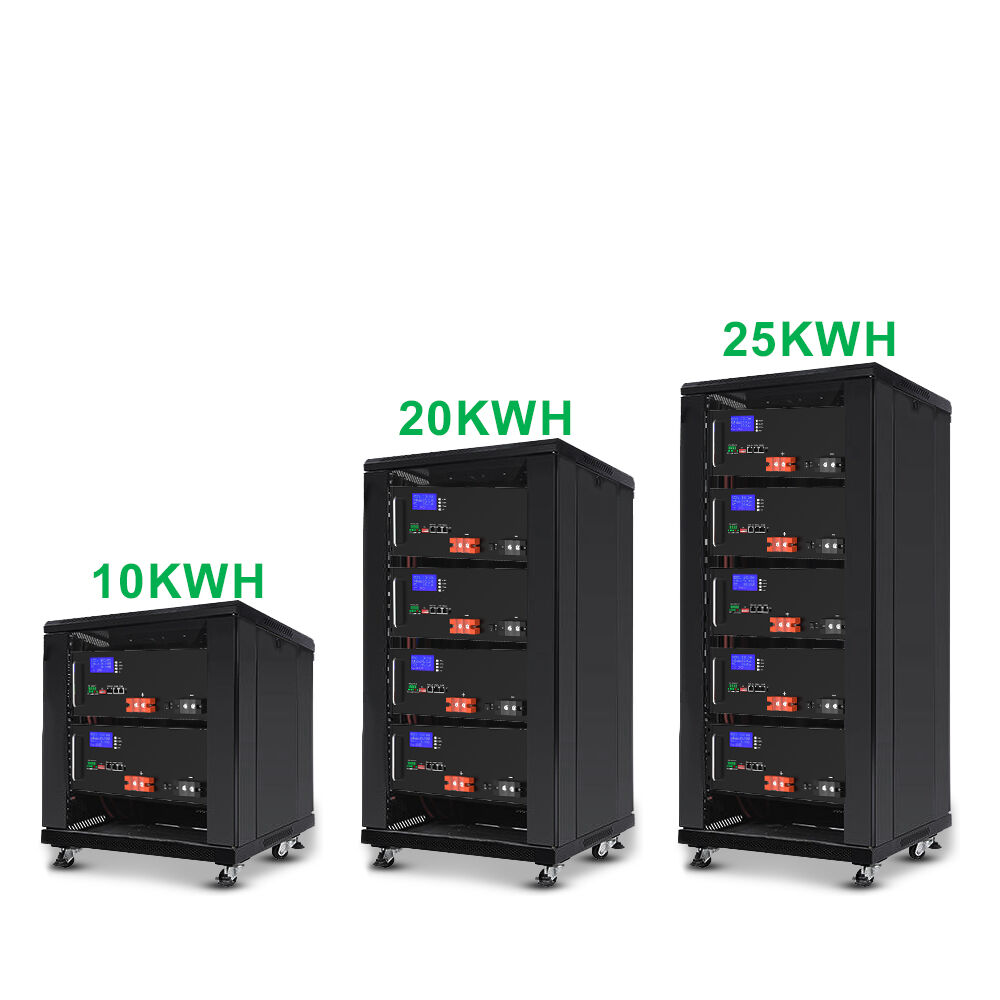
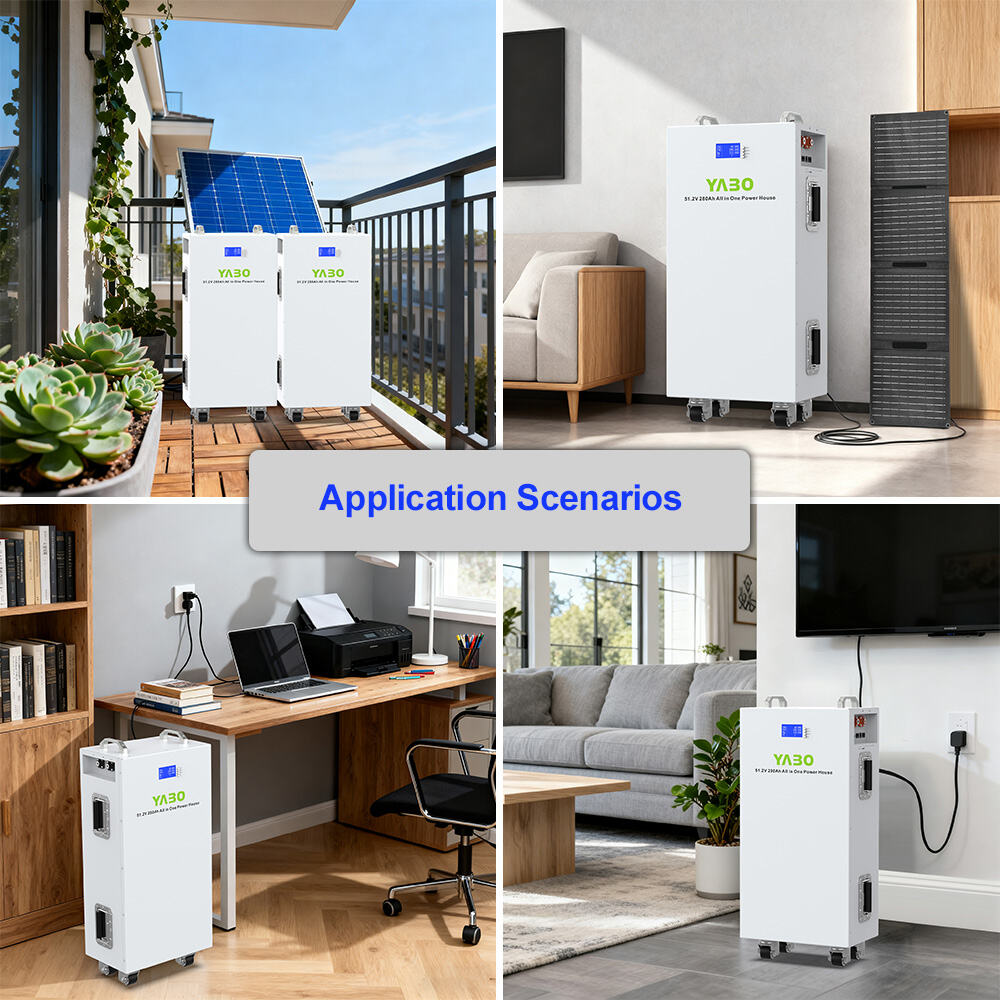
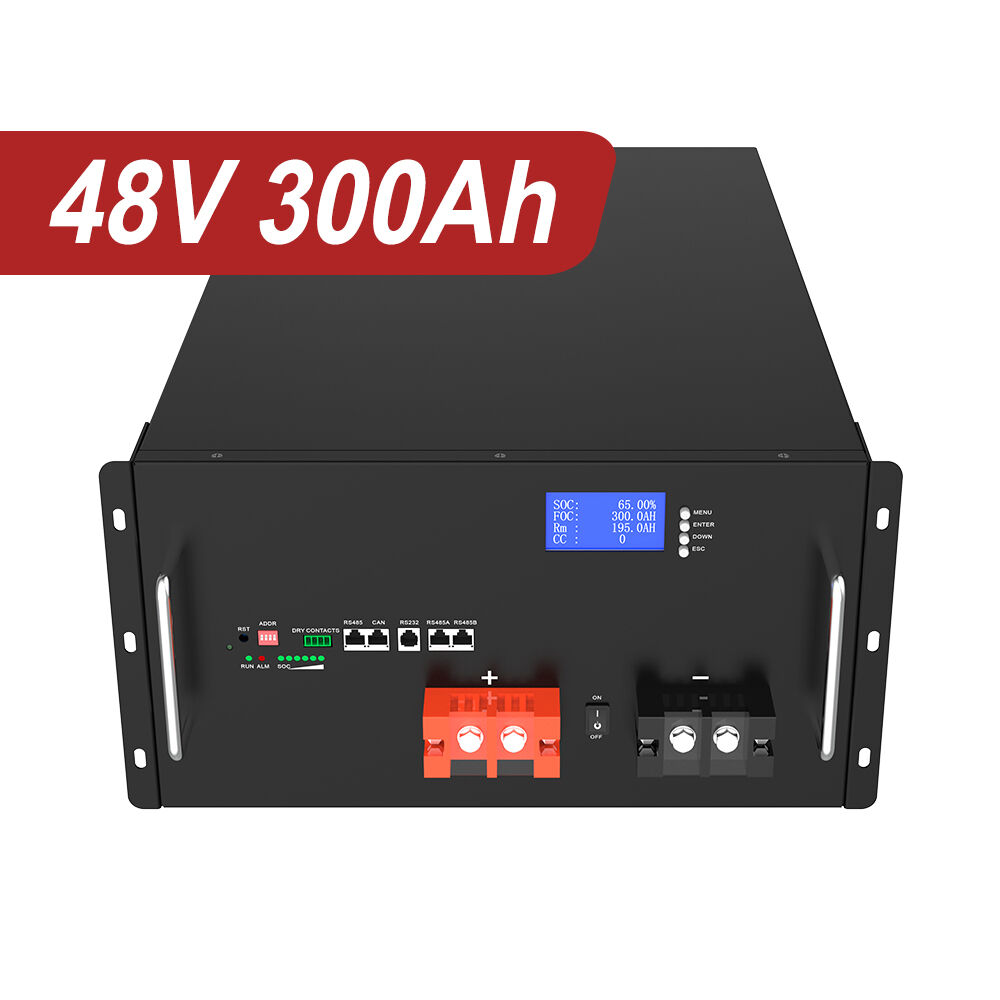
A home energy storage battery factory represents a cutting-edge manufacturing facility dedicated to producing advanced lithium-ion and alternative battery technologies specifically designed for residential energy storage systems. These specialized facilities combine state-of-the-art production equipment with rigorous quality control processes to manufacture high-capacity batteries that store electricity from renewable sources like solar panels or the electrical grid during off-peak hours. The primary function of a home energy storage battery factory involves assembling battery cells, implementing battery management systems, and integrating safety features that ensure reliable operation in domestic environments. Modern home energy storage battery factory operations utilize automated production lines equipped with precision welding equipment, computerized testing stations, and environmental chambers that simulate real-world conditions. The technological features of these manufacturing facilities include cleanroom environments that prevent contamination during assembly, advanced quality assurance protocols that test each battery unit for performance and safety standards, and sophisticated inventory management systems that track components throughout the production process. Applications of batteries produced in a home energy storage battery factory extend beyond simple energy storage to include backup power during outages, load shifting to reduce electricity costs, and grid stabilization services that support the broader electrical infrastructure. These factories typically produce batteries with capacities ranging from 5kWh to 20kWh, suitable for various household sizes and energy consumption patterns. The manufacturing process involves multiple stages including cell assembly, module construction, system integration, and final testing procedures that ensure each battery meets strict performance criteria. Quality control measures implemented in a home energy storage battery factory include thermal testing, cycle life evaluation, and safety assessments that verify proper operation under extreme conditions. The output from these facilities supports the growing residential solar market and contributes to energy independence for homeowners seeking sustainable power solutions.


 EN
EN