Intelligent Energy Management and Grid Integration
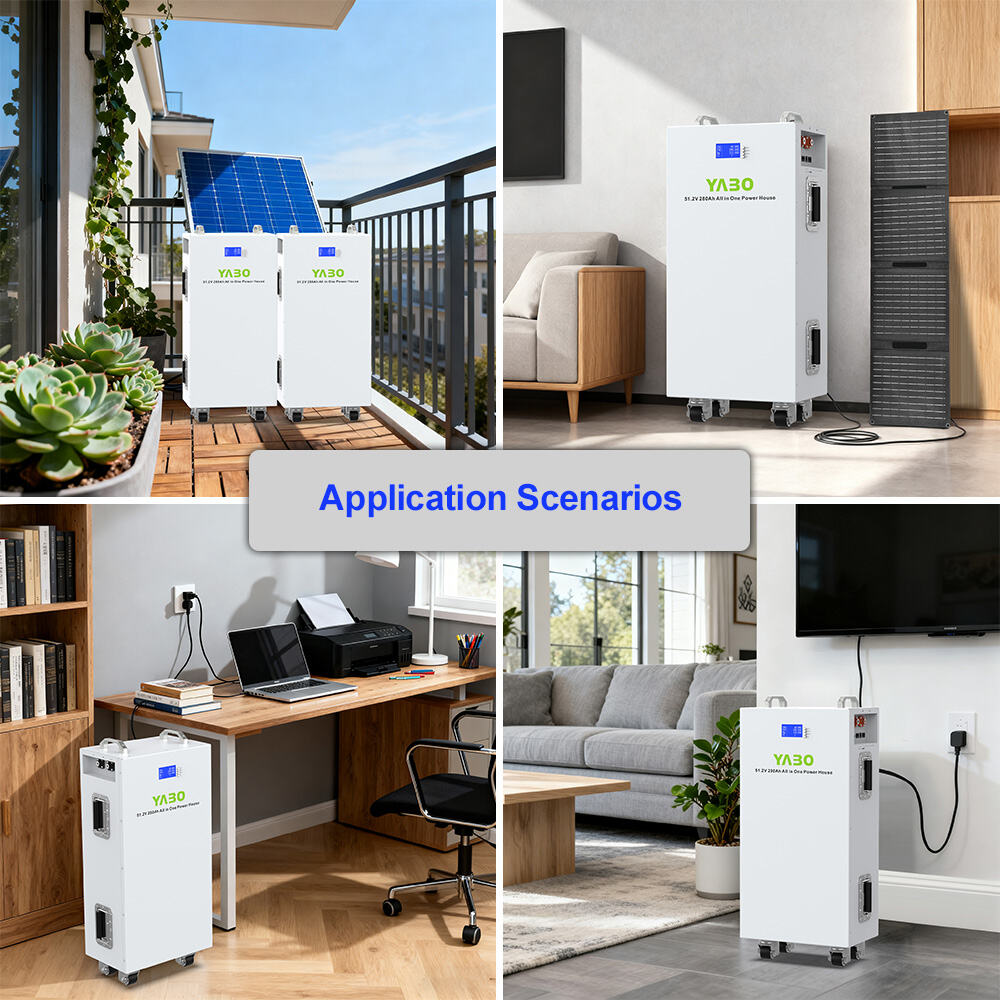
The sophisticated energy management capabilities of modern home energy storage systems represent a quantum leap in household energy optimization, utilizing artificial intelligence and machine learning algorithms to maximize efficiency and cost savings automatically. The system continuously analyzes household consumption patterns, utility rate structures, weather forecasts, and grid conditions to make intelligent decisions about when to store energy, when to discharge it, and when to draw power directly from the grid. This intelligent orchestration ensures homeowners always benefit from the most economical energy sources available at any given moment. Advanced grid integration features enable seamless interaction with utility systems, participating in demand response programs that provide additional revenue streams while supporting grid stability. The system can automatically reduce energy consumption during peak demand periods, earning credits from utilities while helping prevent blackouts and infrastructure strain. Real-time monitoring provides unprecedented visibility into energy flows, displaying current production, consumption, storage levels, and cost implications through intuitive smartphone applications and web-based dashboards. Predictive analytics anticipate future energy needs based on historical usage patterns, weather forecasts, and scheduled activities, optimizing storage strategies days in advance. The system integrates effortlessly with existing smart home technologies, coordinating with smart thermostats, electric vehicle chargers, and appliance controllers to create a comprehensive energy ecosystem that maximizes efficiency across all household systems. Advanced load forecasting capabilities consider factors like family schedules, seasonal variations, and special events to ensure adequate stored energy is always available when needed most. The intelligent system learns from user preferences and adjusts its operation accordingly, balancing cost savings with comfort and convenience requirements. Grid-tie capabilities allow excess stored energy to be sold back to utilities during peak demand periods, creating additional revenue opportunities while supporting community energy resilience.



 EN
EN