Seamless Grid Integration and Intelligent Energy Management
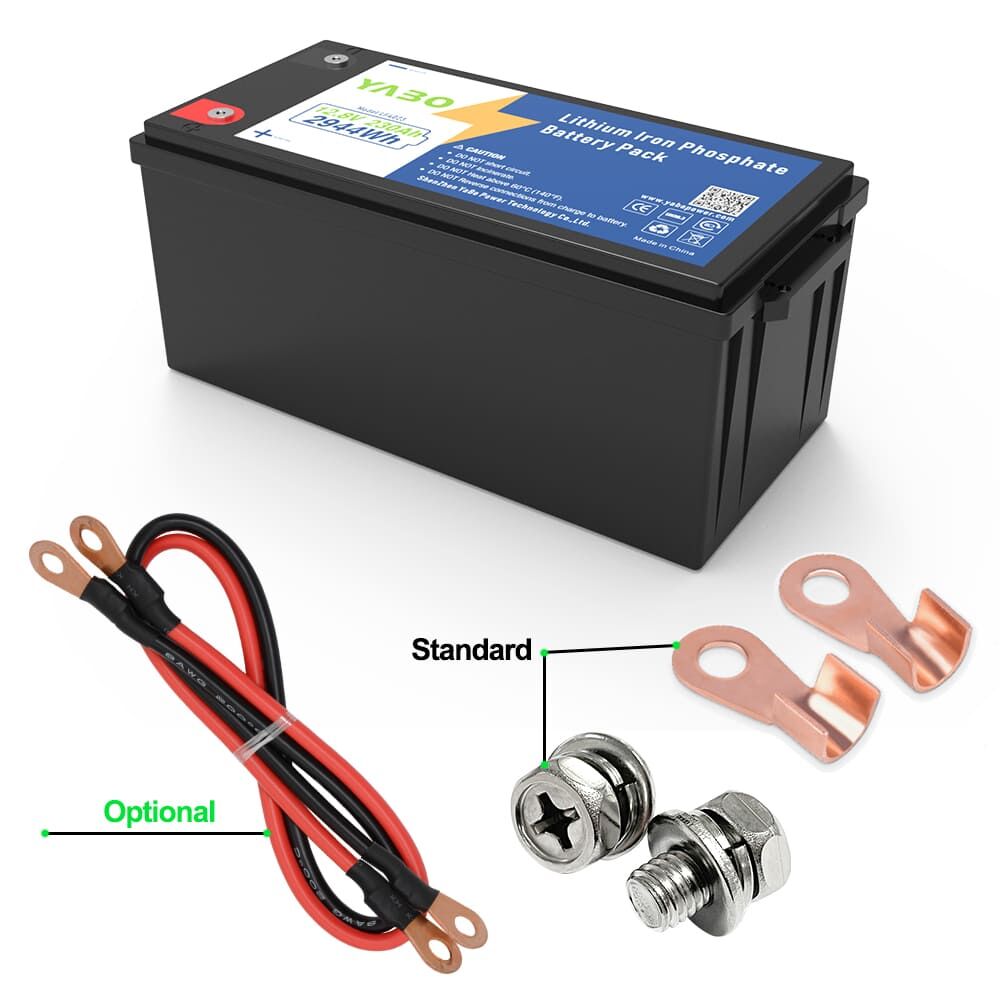
The lithium solar battery backup excels in providing intelligent energy management that automatically optimizes power usage based on real-time conditions, grid status, and user preferences. This sophisticated system continuously monitors electrical loads, solar production, and grid availability to make split-second decisions about energy routing without any user intervention required. During normal operation, the system prioritizes solar power for immediate consumption while simultaneously charging the battery with excess energy, ensuring maximum utilization of free renewable electricity. When solar production exceeds consumption and the lithium solar battery backup reaches full capacity, excess energy can be sold back to the utility company through net metering programs, creating additional revenue streams for homeowners. The seamless transition capability means occupants never experience power interruptions during grid outages, as the system switches to battery power in milliseconds, faster than most electronics can detect the change. Advanced load prioritization allows users to designate critical circuits that receive power first during extended outages, ensuring essential systems like medical equipment, security systems, and refrigeration continue operating while less critical loads may be temporarily disconnected to extend backup duration. The lithium solar battery backup learns usage patterns over time, automatically adjusting charging and discharging schedules to maximize savings and ensure adequate backup power when needed most. Remote monitoring capabilities provide detailed insights into system performance, allowing users to track energy production, consumption patterns, and savings through user-friendly mobile applications. Predictive algorithms analyze weather forecasts and historical data to optimize charging schedules, ensuring the battery is fully charged before predicted storms or extended cloudy periods. Grid stabilization features help support local electrical infrastructure by providing power factor correction and voltage regulation, potentially earning additional compensation from forward-thinking utility companies. The modular architecture allows easy expansion as energy needs grow, with multiple lithium solar battery backup units working together as a unified system controlled by centralized management software.



 EN
EN