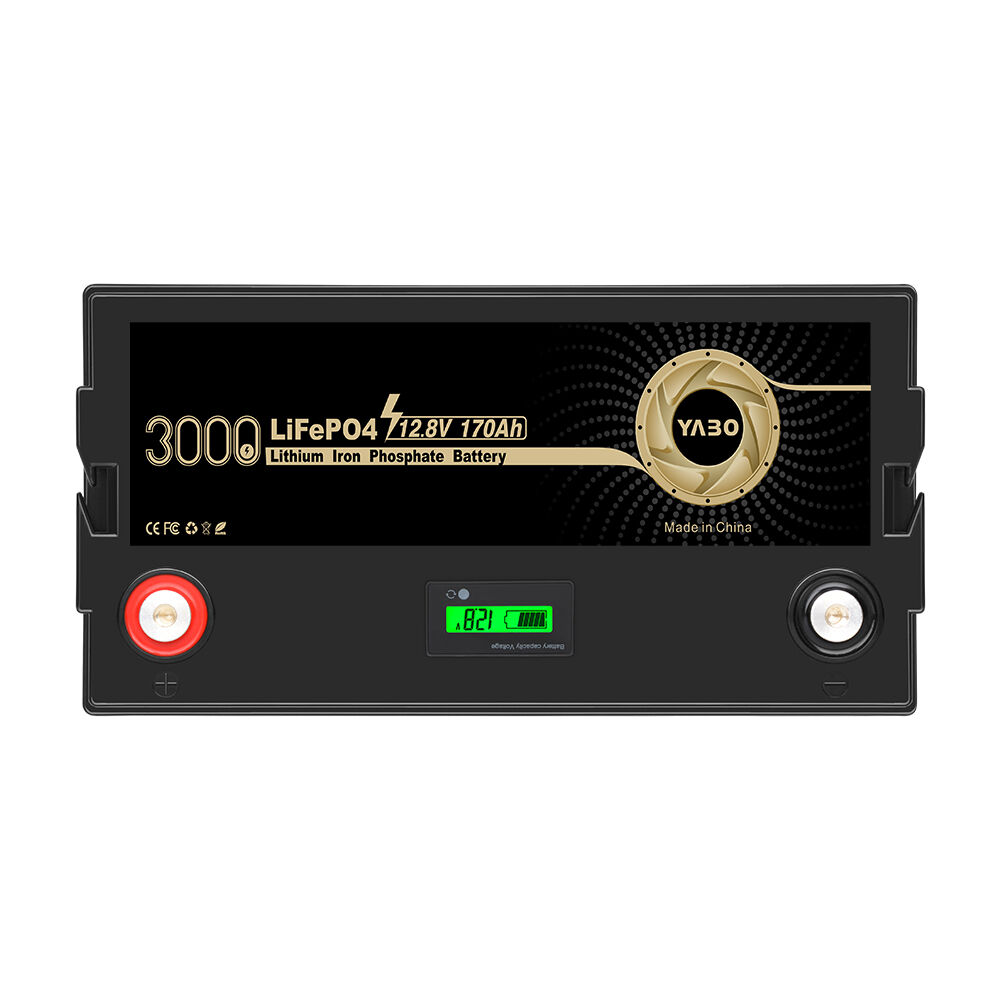
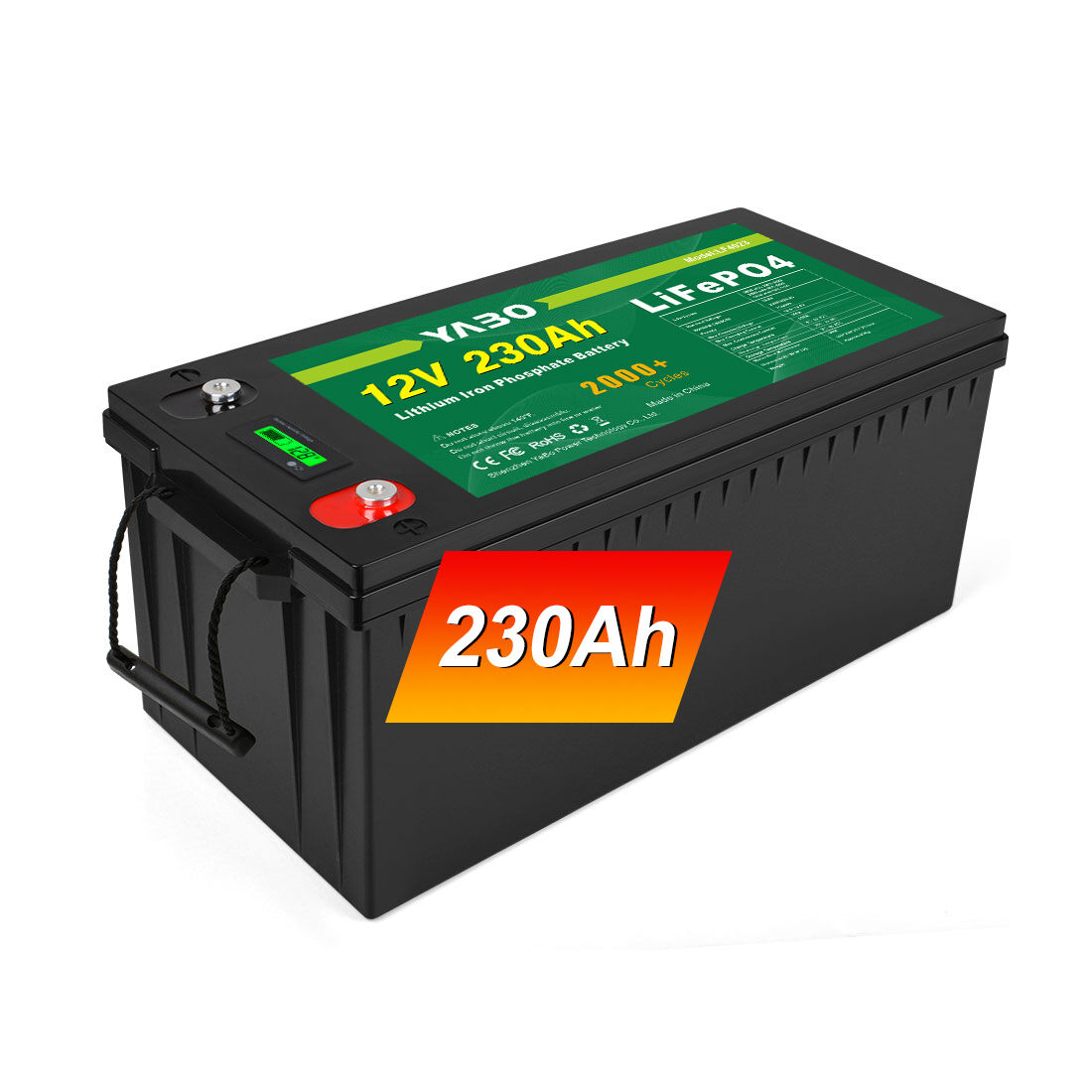
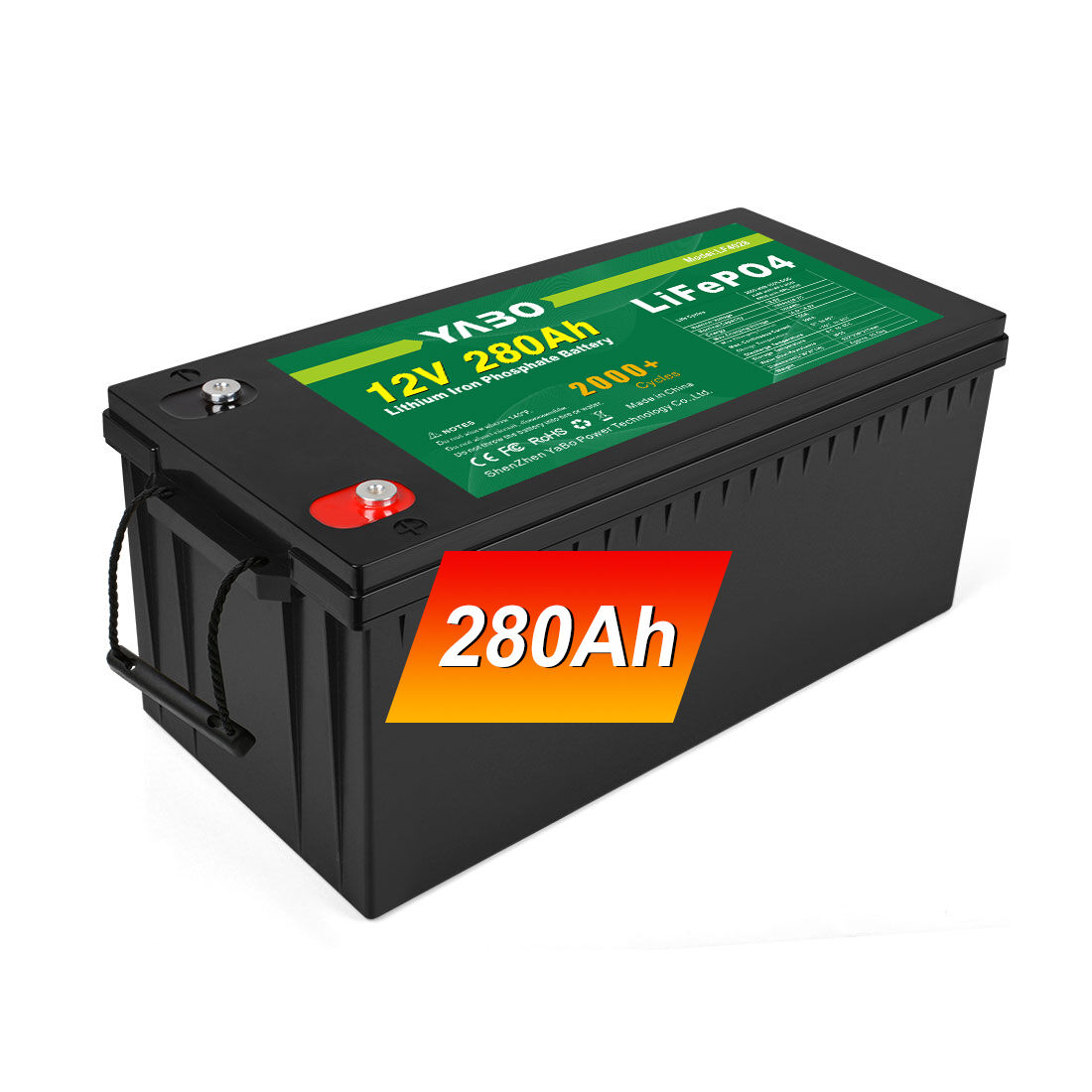
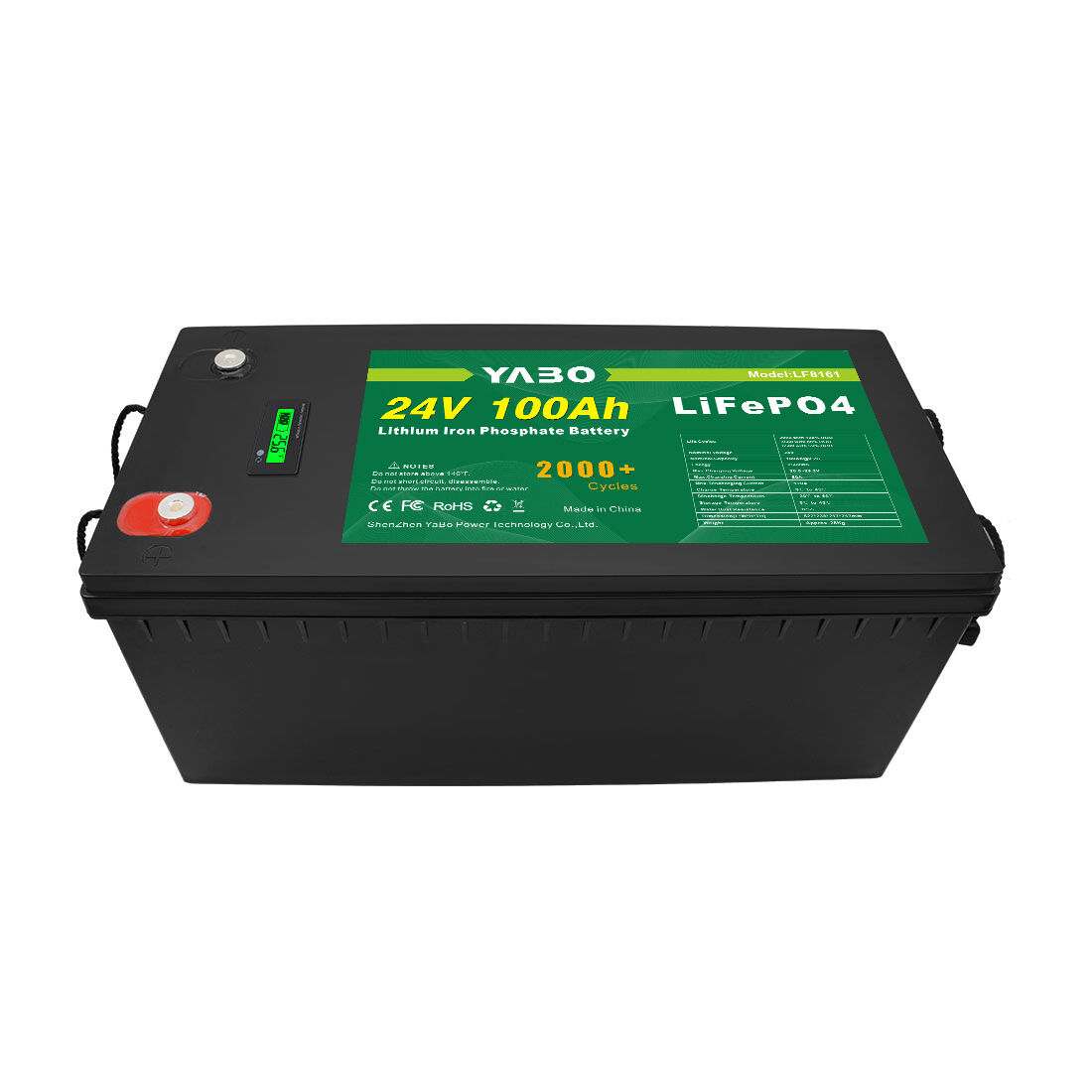
solar lithium iron phosphate battery pack
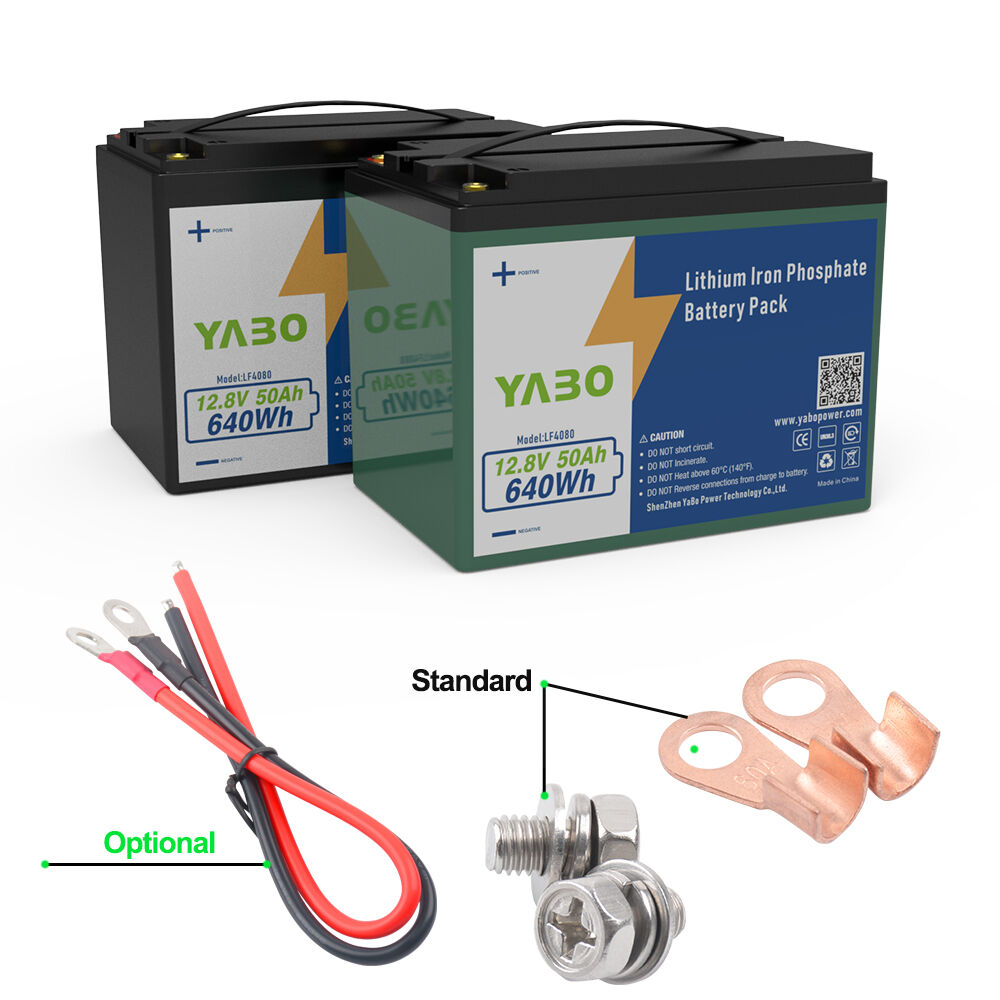
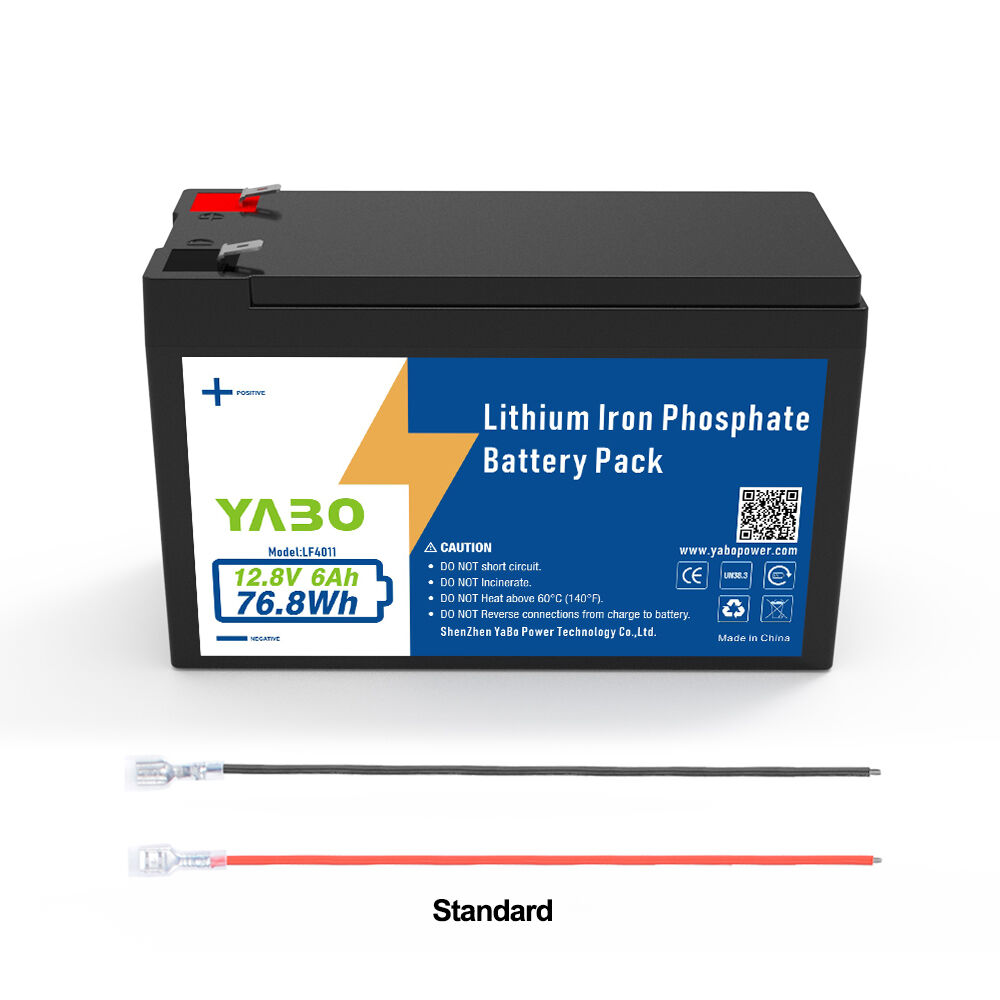
A solar lithium iron phosphate battery pack represents a cutting-edge energy storage solution that combines the reliability of lithium iron phosphate chemistry with solar power integration capabilities. This advanced battery system serves as the backbone of modern renewable energy installations, providing efficient storage for solar-generated electricity while delivering exceptional performance characteristics that set it apart from traditional battery technologies. The solar lithium iron phosphate battery pack operates by storing excess solar energy during peak sunlight hours and releasing it when needed, ensuring consistent power availability regardless of weather conditions or time of day. The technological foundation of these systems rests on lithium iron phosphate cathode materials, which offer superior thermal stability and enhanced safety profiles compared to other lithium battery chemistries. These battery packs feature sophisticated battery management systems that monitor cell voltages, temperatures, and charging states to optimize performance and extend operational lifespan. The integration capabilities allow seamless connection with solar inverters, charge controllers, and grid-tie systems, making them ideal for residential, commercial, and industrial applications. Key functions include peak shaving, load shifting, backup power provision, and grid stabilization services. The modular design of solar lithium iron phosphate battery packs enables scalable installations that can grow with changing energy requirements. Advanced communication protocols facilitate remote monitoring and diagnostics, providing users with real-time insights into system performance and health status. Applications span from small residential solar installations to large utility-scale projects, including off-grid cabins, emergency backup systems, electric vehicle charging stations, and microgrids. The robust construction ensures reliable operation in diverse environmental conditions, while the long cycle life reduces replacement costs and maintenance requirements over the system's operational lifetime.



 EN
EN