
 EN
EN
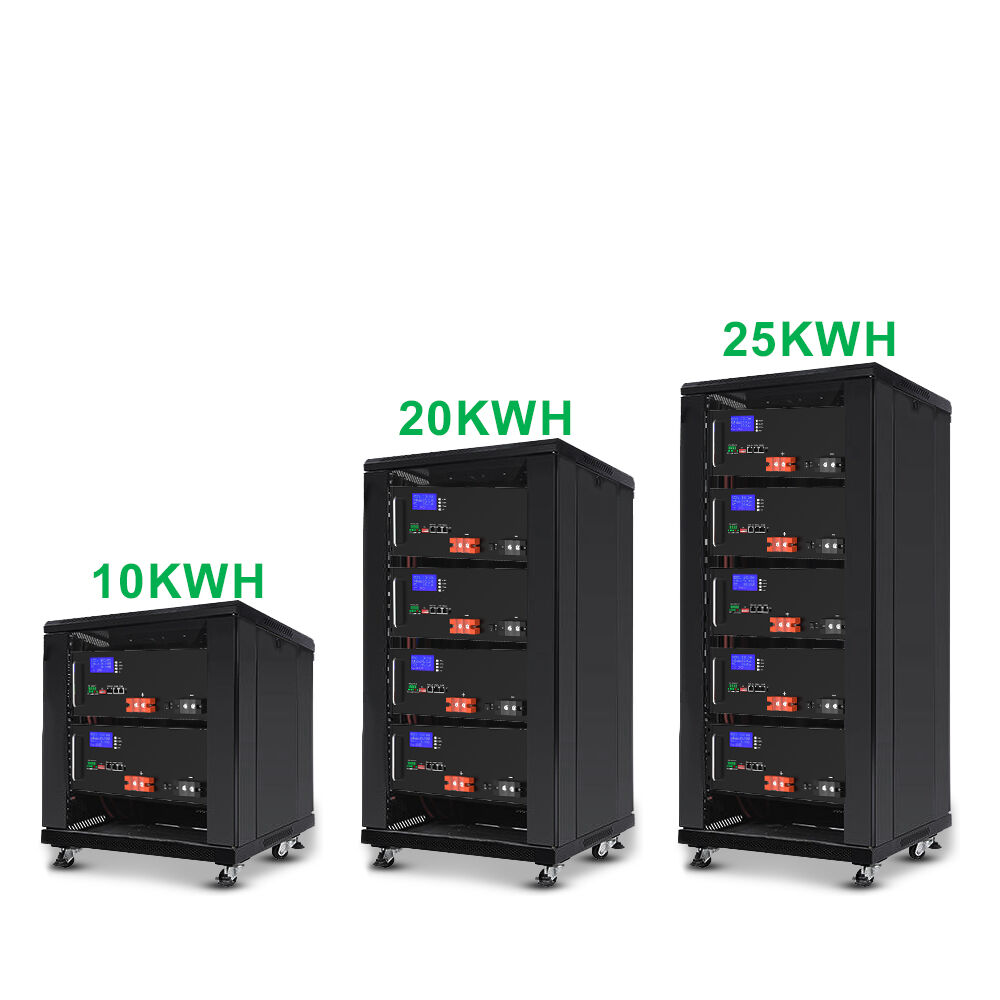
For many homeowners today, power reliability is no longer a luxury — it is a practical necessity. Whether it is protecting a home office setup, keeping medical devices running, or simply ensuring the refrigerator stays on during an outage, having a dependable energy storage battery has become one of the most practical investments a homeowner can make. The challenge, however, is that the market is flooded with options, technical jargon, and conflicting advice — making it genuinely difficult to know where to start.
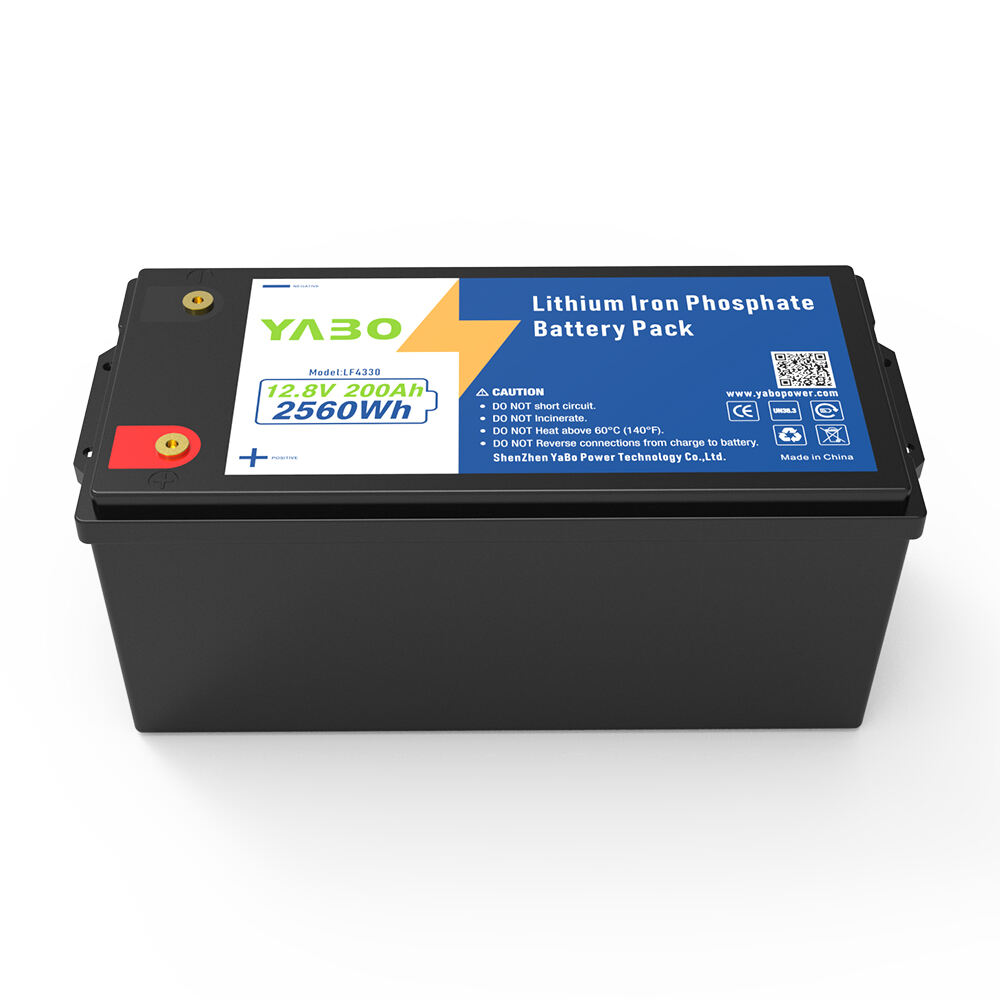
Choosing the right energy storage battery for daily backup needs requires more than simply picking the largest capacity available. It involves understanding your actual household power demands, evaluating the chemistry and cycle life of different battery technologies, and matching those factors to your budget and installation environment. This guide breaks down the decision-making process in a straightforward and practical way, so homeowners can feel confident choosing a solution that will truly serve them day after day.
Understanding Your Daily Backup Power Needs
Calculating Household Load Requirements
Before evaluating any energy storage battery, homeowners should start by calculating how much power their essential appliances consume. This is typically measured in watt-hours (Wh) and gives you a realistic picture of how much capacity your battery needs to hold. For example, a refrigerator may draw around 150W continuously, while LED lighting and a phone charger add comparatively little load over a day.
To calculate your daily backup load, list every device you want to keep powered during an outage and estimate how many hours each one will run. Multiplying wattage by runtime gives you watt-hours per device. Summing all of those gives your total daily backup energy requirement — a critical number when comparing energy storage battery options.
It is also wise to build in a buffer of at least 20 to 30 percent above your calculated minimum. Batteries should not routinely be discharged to their absolute limit, as this affects longevity. An energy storage battery that is slightly oversized for daily needs will last significantly longer and perform more reliably than one constantly pushed to the edge of its capacity.
Identifying Critical Versus Non-Essential Loads
Not every appliance in the home needs to be backed up. A practical approach is to separate critical loads — such as refrigerators, CPAP machines, routers, and lighting — from high-draw devices like electric ovens, air conditioning units, or washing machines. An energy storage battery sized for essential loads only will be far more cost-effective and manageable than one attempting to power the entire home.
This load segmentation exercise also helps homeowners decide whether they need a small, portable energy storage battery for targeted backup or a larger wall-mounted or rack-based system for whole-home support. Getting this definition right early in the decision process prevents expensive over-buying or frustrating under-sizing later.
Evaluating Battery Chemistry and Technology
Why Lithium Iron Phosphate Stands Out for Home Use
Among the battery chemistries available today, lithium iron phosphate (LiFePO4) has emerged as a leading choice for residential energy storage battery applications. It offers a combination of safety, thermal stability, and cycle life that other lithium chemistries — such as NMC or NCA — simply cannot match in a home environment where the battery may sit indoors and be cycled daily for years.
LiFePO4 batteries are significantly less prone to thermal runaway, which is the dangerous overheating condition that has caused high-profile incidents with other lithium battery types. For homeowners who plan to install an energy storage battery inside a garage, utility room, or living space, this safety profile is genuinely important and not merely a marketing claim.
Cycle life is another area where LiFePO4 excels. A quality LiFePO4 energy storage battery can typically deliver between 2,000 and 5,000 charge cycles at 80 percent depth of discharge, which translates to many years of daily use. This makes the long-term cost of ownership substantially lower than alternatives that degrade faster and need replacement sooner.
Comparing Lead-Acid and Lithium Options
Many homeowners are familiar with traditional lead-acid batteries from generator or off-grid solar setups. While lead-acid technology is cheaper upfront, it carries notable disadvantages for daily backup use. These batteries are heavy, require maintenance, tolerate only shallow discharge cycles without significant damage, and deliver far fewer total cycles than a modern energy storage battery based on LiFePO4 chemistry.
The weight difference alone can be a practical issue. A 12V 200Ah lead-acid battery may weigh over 60 kilograms, while a comparable LiFePO4 energy storage battery might weigh around 20 to 25 kilograms — a significant advantage for installation, transportation, and mounting flexibility. When total lifetime cost is considered alongside capacity, weight, and maintenance burden, lithium options generally deliver superior value for daily home backup scenarios.
Key Specifications to Compare When Shopping
Voltage, Capacity, and Depth of Discharge
When browsing energy storage battery options, three specifications deserve careful attention: nominal voltage, usable capacity, and depth of discharge (DoD). Voltage determines system compatibility — a 12V energy storage battery works differently in a system than a 24V or 48V configuration. Most small to mid-size home backup setups use 12V or 24V batteries, while larger whole-home systems often work at 48V for efficiency reasons.
Capacity is rated in amp-hours (Ah) or watt-hours (Wh). A 12V 200Ah energy storage battery, for instance, holds a theoretical 2,400Wh. However, usable capacity depends on the recommended DoD. LiFePO4 batteries can typically be discharged to 80 to 100 percent DoD without significant harm — a major advantage over lead-acid, which should not exceed 50 percent DoD for preserving battery life.
Understanding these relationships helps homeowners avoid a common mistake: comparing only the raw Ah rating across different chemistries. A 200Ah LiFePO4 energy storage battery effectively delivers nearly twice the usable energy of a 200Ah lead-acid unit operating at safe discharge limits. This context makes the comparison far more meaningful than headline numbers alone.
Battery Management System and Safety Features
A quality energy storage battery for home use should include a robust Battery Management System (BMS). The BMS is the electronic brain of the battery, monitoring cell voltages, temperature, and current flow to protect against overcharge, over-discharge, short circuits, and thermal extremes. Without a capable BMS, even a chemically stable LiFePO4 battery can suffer premature damage or pose safety risks.
When evaluating an energy storage battery, look for documentation or specifications that clearly describe BMS protections. Reputable products will include overcharge protection, over-discharge cutoff, overcurrent protection, and temperature monitoring at minimum. Some advanced units also include cell balancing, which ensures all cells in a multi-cell battery pack age at the same rate — extending overall battery life significantly.
Certifications such as CE, UL, or IEC standards are also indicators that the energy storage battery has been tested against recognized safety benchmarks. While certifications alone do not guarantee performance, their absence should raise questions about quality control and reliability in the field.
Practical Installation and Compatibility Considerations
Matching the Battery to Your Existing Inverter or Solar Setup
An energy storage battery does not function in isolation — it must be compatible with the inverter, charge controller, and any solar panels already in a homeowner's setup. Voltage compatibility is the first check: a 12V battery must be paired with a 12V inverter system. Using mismatched voltages is a common and costly mistake that can damage both the battery and connected equipment.
For homes with solar panels, the energy storage battery must also be compatible with the solar charge controller. Most modern charge controllers support LiFePO4 battery profiles, but it is worth confirming before purchasing. If the charge controller is set to charge a lead-acid battery profile while connected to a lithium energy storage battery, it may overcharge or improperly limit the battery, reducing its lifespan.
Communication protocols matter in more advanced setups. Some energy storage battery systems can communicate directly with inverters via CAN bus or RS485 protocols, allowing the inverter to read state-of-charge data and adjust charging accordingly. This level of integration improves efficiency and provides homeowners with more accurate data through monitoring displays or smartphone apps.
Physical Installation Factors and Environmental Conditions
Where a homeowner plans to install their energy storage battery significantly affects which product is appropriate. LiFePO4 batteries generally perform well between 0°C and 45°C, but should not be charged in sub-zero temperatures without a built-in heating element. Garages in cold climates, outdoor enclosures, or poorly insulated storage rooms may require either a battery with a self-heating BMS feature or additional insulation measures.
Weight and mounting format are also practical concerns. Rack-mounted energy storage battery units are popular in dedicated utility rooms, while floor-standing or wall-mounted designs work better in tighter spaces. Always check the manufacturer's specifications for mounting orientation requirements — some battery chemistries and cell configurations are sensitive to installation angle.
Ventilation is less of a concern with LiFePO4 chemistry compared to lead-acid batteries, which off-gas hydrogen during charging. Nonetheless, keeping any energy storage battery away from direct heat sources, flammable materials, and moisture is basic best practice that homeowners should observe regardless of chemistry type.
Long-Term Value and Maintenance Expectations
Understanding the True Cost of Ownership
Many homeowners make purchasing decisions based on upfront price alone, which can be misleading when comparing different energy storage battery types. A comprehensive cost-of-ownership analysis should factor in the number of usable cycles, expected calendar life, maintenance requirements, and replacement cost over a 10-year horizon.
A LiFePO4 energy storage battery with 3,000 to 5,000 cycles at 80 percent DoD, used daily, can provide a decade or more of reliable service without replacement. By contrast, an equivalent lead-acid system might need replacement every two to four years depending on usage patterns. When those replacement costs are accumulated, the initially cheaper lead-acid option often becomes the more expensive choice over time.
Operating efficiency also contributes to total cost. LiFePO4 batteries typically offer round-trip efficiency of 95 to 98 percent, meaning very little energy is lost between charging and discharging. A higher-efficiency energy storage battery directly reduces how much solar or grid power is needed to keep it fully charged, creating ongoing savings across its operational life.
Minimal Maintenance and Monitoring Best Practices
One of the genuine advantages of a modern lithium energy storage battery is the dramatic reduction in maintenance compared to traditional battery systems. There are no fluid levels to check, no terminals to clean from acid buildup, and no equalizing charges required. Routine maintenance for most LiFePO4 energy storage battery systems amounts to periodic visual inspection, keeping terminals clean and secure, and monitoring state-of-charge through whatever display or app the system provides.
Homeowners should also keep an eye on battery temperature during extended hot or cold periods and ensure the BMS has not logged any fault conditions. Most modern energy storage battery products include indicator lights or digital readouts that show charge level and system status at a glance. Familiarizing yourself with these indicators early allows you to catch any unusual behavior before it becomes a serious problem.
Keeping firmware or BMS software updated — where applicable — is increasingly relevant as smart energy storage battery products become more common. Manufacturers occasionally release updates that improve charging algorithms, fix known bugs, or expand compatibility with new inverter models. Staying current with these updates ensures the battery continues to operate at its designed performance level throughout its service life.
FAQ
What capacity energy storage battery do most homeowners need for daily backup?
Most homeowners running essential loads such as refrigerators, lighting, routers, and phone chargers will find that an energy storage battery in the range of 2,000 to 5,000 watt-hours covers a full day of backup power comfortably. A 12V 200Ah LiFePO4 energy storage battery, for example, provides approximately 2,400Wh of theoretical capacity — and with an 80 to 100 percent usable depth of discharge, most of that capacity is practically accessible. Larger households or those with additional backup needs should calculate actual load requirements before settling on a specific capacity.
Is a lithium iron phosphate energy storage battery safe to use indoors?
Yes, LiFePO4 chemistry is considered one of the safest lithium battery options for indoor residential use. Unlike some other lithium chemistries, it does not off-gas hazardous fumes during normal operation and has a much lower risk of thermal runaway. An energy storage battery built with LiFePO4 cells and a proper BMS can be safely installed in a garage, utility room, or similar indoor location, provided it is kept away from extreme heat, moisture, and flammable materials.
Can I expand my energy storage battery system later if my needs grow?
Many modern energy storage battery systems are designed to be expandable. LiFePO4 batteries can often be connected in series to increase voltage or in parallel to increase capacity, provided the batteries are from the same production batch and have identical specifications. Mixing batteries of different ages, capacities, or brands is generally not recommended as it can cause imbalances that degrade performance. If you anticipate growing energy needs, it is worth selecting an energy storage battery and inverter platform that is explicitly designed to support future expansion from the start.
How long will an energy storage battery last if used every day?
A high-quality LiFePO4 energy storage battery used daily can be expected to last between 8 and 15 years depending on depth of discharge, temperature conditions, and charging quality. Most manufacturers rate their products at 2,000 to 5,000 cycles at 80 percent DoD before capacity drops to 80 percent of the original rating. At one cycle per day, 3,000 cycles corresponds to roughly eight years of daily use. Keeping the battery in moderate temperature conditions, avoiding full discharge regularly, and using a compatible charger all contribute to achieving the upper end of that lifespan estimate.