
 EN
EN
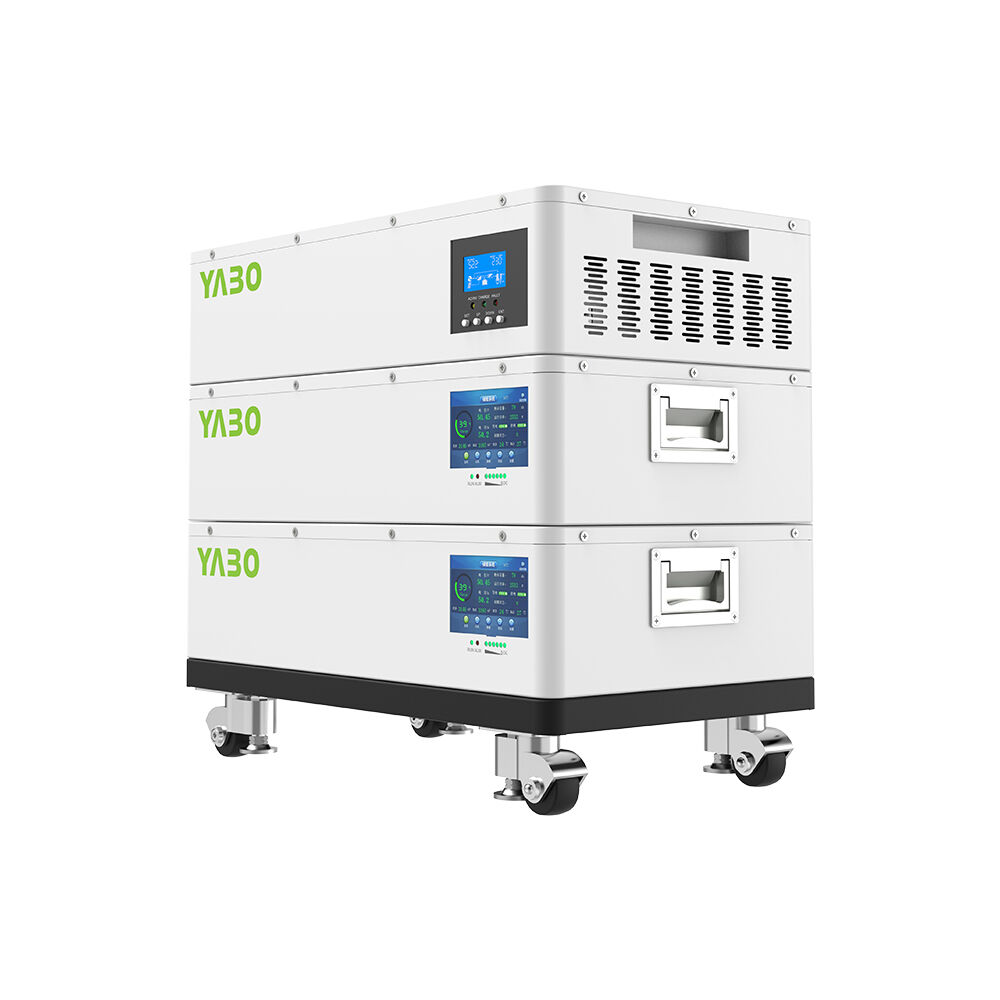
In the world of remote industrial operations, where utility grid access is either impossible or economically unfeasible, off grid power systems have become the backbone of operational continuity. From telecom relay stations perched on mountaintops to mining survey camps deep in desert terrain, these systems must deliver consistent, uninterrupted energy under conditions that would stress even the most robust infrastructure. Understanding what separates a reliable off grid power system from an underperforming one is not just a technical question — it is a strategic business decision that affects safety, productivity, and long-term operational cost.
The reliability of off grid power systems is determined by a combination of component quality, system architecture, energy storage capacity, and the ability to sustain performance across extreme environmental cycles. For industrial operators managing assets in locations far from civilization, a power failure is never just an inconvenience — it can mean halted production, damaged equipment, compromised data, and significant financial losses. This article explores the core factors that define true reliability in off grid power systems designed for demanding remote industrial environments.
The Architecture Behind Reliable Off Grid Power Systems
System Design Philosophy for Industrial Continuity
Reliable off grid power systems are not simply collections of solar panels and batteries assembled in the field. They are engineered systems built around load analysis, redundancy planning, and environmental resilience. Industrial-grade off grid systems begin with a thorough assessment of the facility's power demand — including peak loads, average consumption, and critical versus non-critical equipment — to ensure the system is sized not just for today's requirements but for future expansion as well.
One of the most important architectural choices is whether to design the system around a DC or AC bus, or a hybrid of both. In industrial contexts, AC bus configurations are common because they accommodate a wider range of equipment directly, while DC-coupled systems can offer higher efficiency for battery charging from solar sources. The best off grid power systems for remote industrial sites integrate both approaches intelligently, using intelligent power conversion to maximize generation efficiency and minimize losses during storage and distribution cycles.
Redundancy is another non-negotiable architectural principle. Mission-critical remote installations require backup generation — typically diesel or propane generators — that can seamlessly engage when renewable generation falls below threshold levels. Well-engineered off grid power systems automate this transition without interruption to connected loads, using advanced inverter-charger units that manage source switching invisibly and within milliseconds.
Energy Source Diversity and Load Matching
Relying on a single energy source in remote industrial settings is a high-risk strategy. Solar irradiance varies with season and weather, wind generation depends on location-specific resource profiles, and fuel-based generation carries logistical and cost challenges in distant sites. The most dependable off grid power systems combine two or more generation sources to provide what engineers call a dispatchable energy mix — one that can meet demand regardless of momentary resource availability.
Load matching — aligning generation capacity and timing with actual consumption patterns — is a refinement that distinguishes professional-grade systems from basic installations. Industrial operations often have predictable load cycles tied to shift schedules or process sequences. Off grid power systems that incorporate programmable energy management controllers can optimize generation dispatch and battery cycling to match these patterns, extending battery life and reducing unnecessary fuel consumption from backup generators.
Battery Energy Storage as the Core of Reliability
Why Storage Capacity and Chemistry Matter
No component plays a more critical role in the reliability of off grid power systems than the battery energy storage system. In remote industrial environments, the battery bank is responsible for bridging every gap between generation availability and load demand — whether that gap lasts minutes, hours, or days during extended cloudy periods or system maintenance windows. Undersized or chemically inferior battery storage is the most common cause of reliability failures in off grid industrial applications.
Lithium Iron Phosphate (LiFePO4) chemistry has become the preferred choice for industrial off grid power systems because of its exceptional combination of cycle life, thermal stability, depth of discharge capability, and safety profile. Unlike older lead-acid technologies, LiFePO4 batteries can be discharged to 80–90% of their nominal capacity without significant degradation, effectively delivering more usable energy per installed kilowatt-hour. This matters enormously in remote settings where over-building battery capacity to compensate for shallow discharge limitations would be both expensive and logistically difficult.
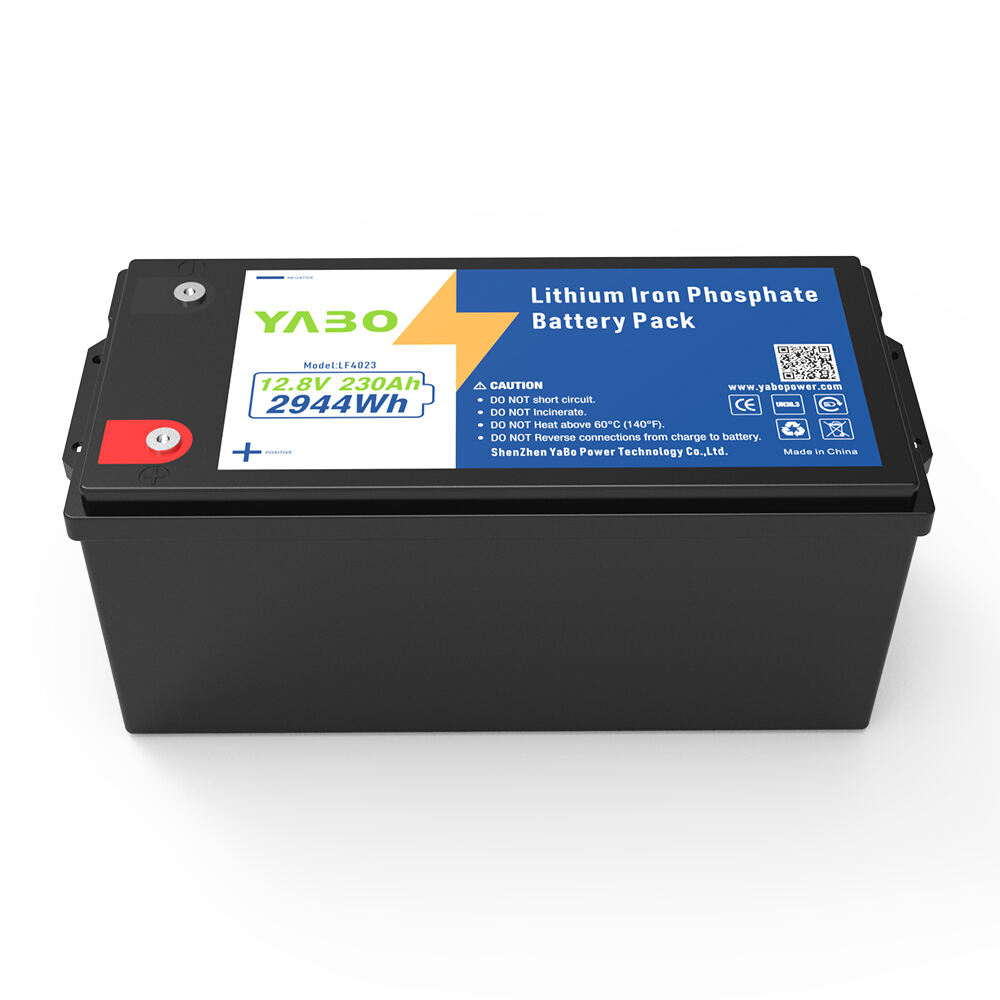
A high-quality LiFePO4 battery pack — such as the off grid power systems storage solution designed for telecom and industrial equipment — offers the cycle longevity and stable discharge voltage profile that remote operations demand. With thousands of charge-discharge cycles available at high depth of discharge, these battery units reduce total cost of ownership and minimize the frequency of battery replacement logistics — a major operational concern in truly remote locations.
Battery Management Systems and Protection Logic
The hardware quality of battery cells is only part of the reliability equation. The Battery Management System (BMS) embedded in high-performance battery packs for off grid power systems performs continuous monitoring and protection functions that are essential for safe, long-term operation in unattended industrial environments. A robust BMS monitors cell-level voltage, temperature, state of charge, and state of health in real time, intervening automatically to prevent overcharge, over-discharge, short circuit, and thermal runaway events.
For industrial off grid power systems that may operate in extreme temperatures — from sub-zero arctic conditions to high-heat desert environments — the BMS must also manage temperature-dependent charging parameters. Charging a lithium battery at low temperatures without thermal compensation can cause lithium plating that permanently degrades cell capacity. Quality battery systems designed for industrial off grid deployment include low-temperature charge protection and, in advanced configurations, integrated heating elements that maintain the battery pack within an optimal operating range even in harsh climates.
Environmental Resilience and Enclosure Standards
Designing for Extreme Conditions
Remote industrial sites subject power equipment to conditions that would never occur in urban grid-tied installations. Dust, humidity, salt spray, extreme temperature cycles, vibration from machinery or vehicles, and UV exposure all degrade unprotected electrical components over time. Off grid power systems that prove truly reliable in these environments are built with industrial enclosure standards — typically IP65 or higher rated cabinets for solar charge controllers and inverters, and appropriately rated battery enclosures that resist moisture ingress and mechanical damage.
Temperature management inside equipment enclosures deserves particular attention. Power electronics generate heat during operation, and in high-ambient-temperature environments, internal cabinet temperatures can reach damaging levels without adequate thermal management. Industrial-grade off grid power systems use thermostatically controlled ventilation, heat exchangers, or active cooling to maintain component temperatures within safe operating limits regardless of external conditions. This seemingly routine engineering decision has a direct impact on the mean time between failures of inverters, charge controllers, and battery management electronics.
Corrosion Resistance and Maintenance Accessibility
In coastal, high-humidity, or chemically active industrial environments, corrosion is a persistent threat to the longevity of off grid power systems. Connectors, busbars, cable terminations, and enclosure fasteners are all vulnerable to oxidation and galvanic corrosion if not specified correctly. Industrial system designers select marine-grade or conformal-coated components for applications in these environments, significantly extending the maintenance-free service intervals that remote operations require.
Equally important is the concept of maintenance accessibility. Remote industrial off grid power systems are often serviced by field technicians who travel significant distances and may have limited spare parts available. Systems designed with modular, standardized components — where a failed inverter module or battery unit can be swapped by a technician with basic training rather than requiring specialist engineers — dramatically improve operational availability and reduce the cost and time of corrective maintenance.
Monitoring, Control, and Predictive Maintenance Capabilities
Remote Monitoring as a Reliability Enabler
One of the most transformative reliability enablers in modern off grid power systems is remote monitoring and telemetry. Industrial operators managing dozens of remote sites cannot afford to dispatch technicians reactively after failures have already occurred. Advanced monitoring platforms collect real-time data on generation output, battery state, inverter performance, load consumption, and alarm status, transmitting this information over cellular, satellite, or radio links to centralized operations centers.
With continuous visibility into system health, operations teams can identify degrading components before they cause failures. A battery showing progressive capacity loss, a solar charge controller operating with reduced efficiency, or a generator accumulating unusual runtime — all of these are signals that maintenance is needed, and all are detectable through properly instrumented off grid power systems long before they result in unplanned downtime. This shift from reactive to predictive maintenance is a major factor in improving the availability metrics of remote industrial power infrastructure.
Automated Control and Adaptive Energy Management
Modern off grid power systems for industrial applications incorporate programmable energy management controllers that autonomously optimize system operation based on predefined rules and real-time conditions. These controllers manage decisions such as when to start or stop backup generators, how aggressively to charge or preserve battery state of charge, how to shed non-critical loads during energy shortage events, and how to prioritize generation sources based on cost or availability.
Automated control is particularly valuable at unattended sites where no operators are present to respond to changing conditions. A well-configured energy management controller in a remote industrial off grid power system can navigate seasonal changes in solar generation, unexpected load increases from new equipment, and generator fuel supply constraints without human intervention — maintaining continuous power to critical loads throughout. This level of autonomous adaptive management is a defining characteristic of reliability in the most challenging remote deployment scenarios.
Scalability and Long-Term Operational Fit
Designing for Growth Without System Overhaul
Remote industrial operations are rarely static. New processing equipment may be added, workforce accommodation loads may grow, or communication infrastructure requirements may increase over the operational life of a site. Off grid power systems that cannot accommodate growth without complete redesign create significant capital risk for operators who initially underestimate future demand. Reliability over the long term therefore depends partly on scalability — the ability to expand generation capacity, add battery modules, or increase inverter capacity without replacing the entire system architecture.
Modular battery systems built on standardized voltage and capacity units are particularly well-suited to incremental expansion. Adding battery capacity to an existing off grid power system that uses a standardized LiFePO4 battery platform is straightforward when the system was originally designed with parallel expansion in mind. Similarly, inverter platforms that support the addition of parallel units allow power capacity to scale in step with load growth, protecting the original capital investment while accommodating new operational requirements.
Total Cost of Ownership as a Reliability Metric
Reliability in off grid power systems cannot be evaluated solely on uptime metrics — it must also account for the total cost of ownership over the system's operational life. A system that achieves 99% uptime but requires frequent battery replacements, expensive specialist maintenance, or high fuel consumption may actually represent a worse investment than a slightly lower-uptime system with dramatically lower recurring costs. Industrial procurement teams increasingly evaluate off grid power systems on a levelized cost of energy basis that factors in capital cost, installation, maintenance, fuel, and replacement components over a 10–20 year horizon.
High-cycle-life battery technologies like LiFePO4, combined with efficient power electronics and intelligent energy management, typically deliver the best total cost of ownership for remote industrial off grid power systems. The premium paid for quality components at the procurement stage is consistently recovered through reduced maintenance frequency, longer replacement intervals, lower fuel consumption, and — critically — avoided costs associated with downtime and emergency repair logistics in remote locations.
FAQ
What makes LiFePO4 batteries particularly suitable for off grid power systems in remote industrial settings?
LiFePO4 batteries offer a unique combination of properties that address the specific challenges of remote industrial off grid power systems. Their high cycle life — often exceeding 3,000 to 6,000 full cycles — reduces replacement frequency in locations where logistics are costly and complex. Their deep discharge capability provides more usable energy per installed unit, their thermal stability reduces fire and safety risk in unattended environments, and their flat discharge voltage profile improves the performance of connected industrial equipment. These characteristics collectively make LiFePO4 the preferred energy storage chemistry for demanding remote industrial deployments.
How important is redundancy in off grid power systems for critical remote industrial operations?
Redundancy is fundamental to the reliability of off grid power systems supporting critical industrial operations. Even the highest-quality single-source systems are vulnerable to weather variability, equipment faults, or unexpected load surges. Industrial-grade off grid systems incorporate redundant generation sources — typically solar combined with diesel or propane backup — redundant battery strings, and in some cases redundant inverter modules. This layered redundancy ensures that no single component failure can cause a complete system outage, which is the operational standard required for processes where downtime carries significant financial or safety consequences.
Can off grid power systems be monitored and managed remotely without on-site personnel?
Yes, modern off grid power systems designed for industrial applications are fully capable of remote monitoring and autonomous operation without on-site personnel. Integrated telemetry systems transmit real-time performance data over cellular, satellite, or other available communication links to centralized monitoring platforms. Automated energy management controllers handle routine operational decisions — such as generator start/stop, load shedding, and battery charge management — without human intervention. This capability is essential for the economics of remote industrial operations, where the cost of continuous on-site staffing purely for power system oversight would be prohibitive.
What factors should be evaluated when sizing battery storage for a remote industrial off grid power system?
Sizing battery storage for remote industrial off grid power systems involves several interconnected factors. The primary inputs are the daily energy consumption profile of the facility, the desired days of autonomy — meaning how many consecutive days the battery system should sustain full loads without generation input — and the usable depth of discharge of the battery chemistry being used. Secondary factors include the temperature range of the deployment site, since battery capacity is temperature-dependent, and future load growth projections. For critical industrial operations, a minimum of two to four days of autonomy is typically specified, with the battery system sized to deliver this autonomy while maintaining the battery bank within the manufacturer's recommended state-of-charge operating range.
Table of Contents
- The Architecture Behind Reliable Off Grid Power Systems
- Battery Energy Storage as the Core of Reliability
- Environmental Resilience and Enclosure Standards
- Monitoring, Control, and Predictive Maintenance Capabilities
- Scalability and Long-Term Operational Fit
-
FAQ
- What makes LiFePO4 batteries particularly suitable for off grid power systems in remote industrial settings?
- How important is redundancy in off grid power systems for critical remote industrial operations?
- Can off grid power systems be monitored and managed remotely without on-site personnel?
- What factors should be evaluated when sizing battery storage for a remote industrial off grid power system?