
 EN
EN
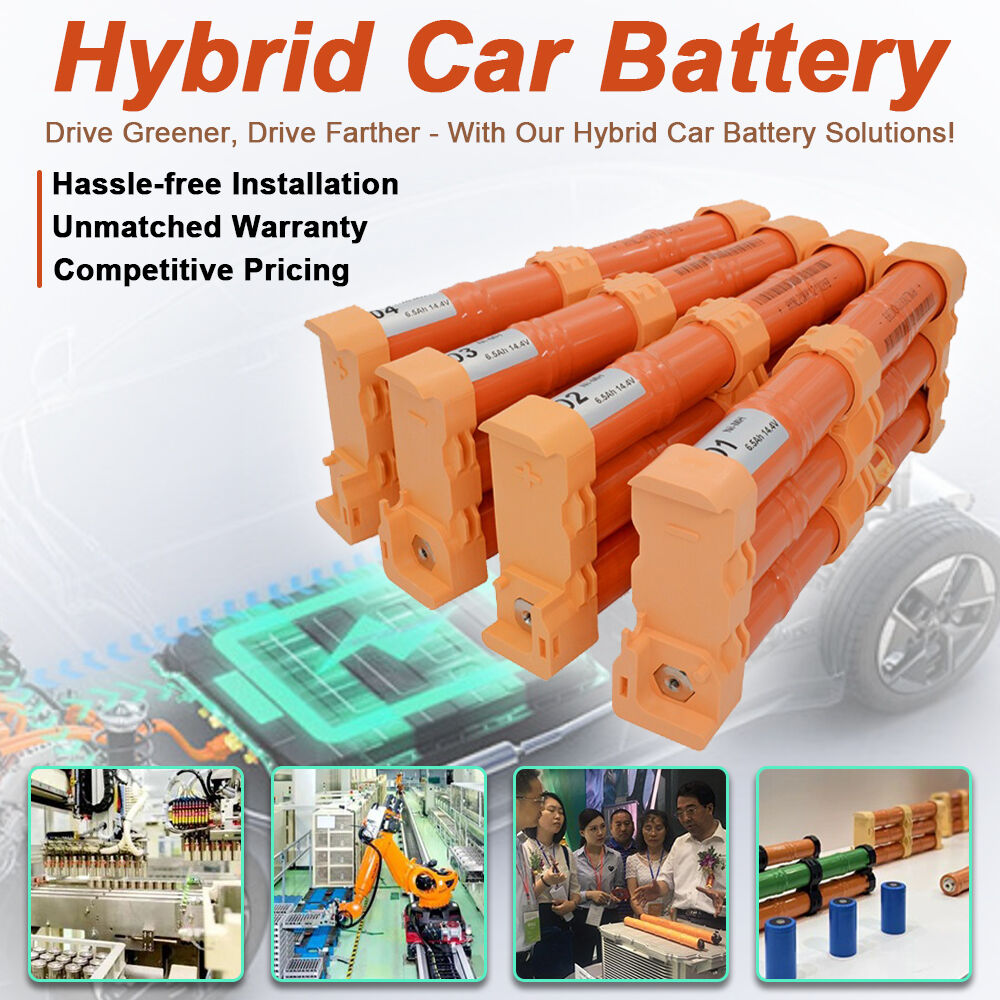
Hybrid car battery testing represents a critical quality control measure that directly impacts manufacturing standards and end-user satisfaction across the automotive industry. As hybrid vehicles become increasingly prevalent in global markets, manufacturers must implement rigorous testing protocols to ensure battery systems meet performance, safety, and longevity requirements. The integration of comprehensive hybrid car battery testing throughout the production process enables manufacturers to identify potential defects, validate design specifications, and maintain consistent quality standards that protect both brand reputation and consumer safety.

Manufacturing quality improvements through systematic hybrid car battery testing create measurable benefits across multiple dimensions of production excellence. These testing methodologies establish baseline performance parameters, detect manufacturing anomalies before products reach consumers, and provide data-driven insights that inform continuous improvement initiatives. When properly implemented, hybrid car battery testing protocols reduce warranty claims, minimize field failures, and enhance overall customer satisfaction while simultaneously reducing manufacturing costs associated with defective product recalls and reputation management.
Quality Control Integration Through Battery Testing Protocols
Production Line Testing Implementation
Effective hybrid car battery testing begins with strategic integration into manufacturing workflows that capture quality metrics at critical production stages. Manufacturers implement automated testing stations that evaluate cell voltage consistency, internal resistance measurements, and capacity verification without disrupting production speed. These testing protocols ensure each battery module meets specification requirements before advancing to subsequent assembly stages, preventing defective components from progressing through the manufacturing chain.
Advanced testing systems utilize real-time data collection to monitor manufacturing variables that influence battery quality, including temperature control during formation cycles, electrolyte distribution uniformity, and electrode coating consistency. This comprehensive approach to hybrid car battery testing enables immediate identification of process deviations that could compromise final product quality. Manufacturing teams receive instant feedback on quality metrics, allowing for rapid corrective actions that maintain production standards.
Integration of testing protocols also encompasses environmental conditioning tests that simulate real-world operating conditions within controlled manufacturing environments. These tests evaluate battery performance under temperature extremes, humidity variations, and vibration stress to ensure manufactured units will perform reliably in diverse automotive applications. The data generated from these integrated testing processes provides manufacturers with confidence in product quality before shipment to automotive assembly facilities.
Statistical Quality Monitoring Systems
Statistical process control methodologies applied to hybrid car battery testing create quantifiable quality improvement frameworks that guide manufacturing decision-making. These systems collect and analyze testing data to identify trends, patterns, and anomalies that indicate potential quality issues before they become widespread problems. Control charts, capability studies, and correlation analyses provide manufacturing engineers with objective measures of production quality consistency.
Implementation of statistical monitoring requires establishment of control limits based on specification requirements and historical performance data from hybrid car battery testing results. When testing measurements fall outside established control parameters, automated systems trigger immediate investigation and corrective action protocols. This proactive approach prevents the production of defective batteries and maintains manufacturing quality at optimal levels throughout production runs.
Quality monitoring systems also generate predictive insights that enable manufacturers to anticipate potential quality issues before they manifest in testing results. Trend analysis of battery testing data reveals gradual shifts in manufacturing processes that could lead to quality degradation over time. Early detection through statistical monitoring allows for preventive maintenance and process adjustments that sustain long-term manufacturing quality excellence.
Manufacturing Process Optimization Through Test Data Analysis
Performance Correlation Analysis
Comprehensive analysis of hybrid car battery testing data reveals direct correlations between manufacturing parameters and final product performance characteristics. This analytical approach identifies specific process variables that most significantly impact battery quality, enabling targeted optimization efforts that yield maximum quality improvements. Manufacturers utilize regression analysis, design of experiments, and multivariate statistical techniques to quantify relationships between production inputs and testing outcomes.
Correlation analysis extends beyond individual manufacturing steps to examine interdependencies between sequential production phases and their cumulative impact on battery performance. For example, cell formation parameters influence subsequent capacity testing results, while electrode preparation quality affects long-term cycling performance measured during accelerated life testing. Understanding these relationships through systematic hybrid car battery testing enables manufacturers to optimize entire production sequences rather than individual process steps.
Data-driven optimization also encompasses identification of process windows that consistently produce batteries exceeding minimum specification requirements. By analyzing testing data from high-performing battery lots, manufacturers can establish target operating parameters that maximize quality outcomes. This approach transforms hybrid car battery testing from a pass-fail evaluation into a continuous improvement tool that drives manufacturing excellence.
Predictive Quality Modeling
Advanced manufacturing organizations develop predictive quality models based on historical hybrid car battery testing data that forecast product performance before completion of full testing cycles. These models incorporate machine learning algorithms that identify subtle patterns in early-stage testing results that correlate with final product quality outcomes. Predictive modeling enables manufacturers to make real-time production adjustments based on preliminary testing data.
Implementation of predictive quality systems requires extensive historical databases of testing results correlated with long-term field performance data. Machine learning algorithms analyze this information to identify leading indicators of battery quality that appear early in the testing sequence. Manufacturers can then focus resources on critical quality parameters that most strongly predict final product performance, improving testing efficiency while maintaining quality standards.
Predictive modeling also supports proactive quality management by identifying manufacturing conditions that increase the probability of producing defective batteries. When process monitoring systems detect conditions associated with increased failure risk, automatic alerts prompt immediate investigation and corrective action. This predictive approach to hybrid car battery testing minimizes the production of non-conforming products and reduces waste associated with quality failures.
Defect Prevention and Early Detection Strategies
Multi-Stage Testing Architecture
Effective defect prevention through hybrid car battery testing requires implementation of multi-stage testing architectures that evaluate product quality at strategic points throughout the manufacturing process. Early-stage testing focuses on fundamental material properties and assembly quality, while progressive testing stages add complexity to evaluate integrated system performance. This staged approach enables detection of different defect categories at optimal intervention points where corrective action costs are minimized.
Initial testing stages evaluate individual cell characteristics including voltage uniformity, capacity matching, and internal resistance consistency before cells are assembled into battery modules. Intermediate testing phases assess module-level performance including thermal management effectiveness, electrical connectivity integrity, and mechanical assembly quality. Final testing stages evaluate complete battery system performance under simulated vehicle operating conditions to ensure integrated functionality meets specification requirements.
Multi-stage testing architecture also incorporates feedback loops that utilize later-stage testing results to refine earlier-stage testing criteria. When final testing reveals specific defect patterns, manufacturers can enhance preliminary testing protocols to catch similar issues earlier in the production process. This continuous improvement approach to hybrid car battery testing creates increasingly effective defect prevention systems over time.
Failure Mode Analysis Integration
Systematic analysis of failure modes identified through hybrid car battery testing provides manufacturers with detailed understanding of potential quality risks and their root causes. Failure mode and effects analysis methodologies evaluate each potential defect mechanism, assess its impact on product performance, and prioritize prevention strategies based on risk severity and occurrence probability. This analytical approach ensures testing protocols address the most critical quality risks facing manufacturing operations.
Integration of failure mode analysis with testing protocols involves development of specific test procedures designed to detect each identified failure mechanism before it can impact product quality. For example, if capacity fade represents a significant failure risk, accelerated aging tests become mandatory components of the testing sequence. Similarly, if thermal runaway poses safety concerns, thermal abuse testing receives priority attention in the testing protocol development process.
Failure mode analysis also guides selection of testing equipment and measurement techniques that provide optimal sensitivity for detecting specific defect types. Manufacturing organizations invest in testing technologies that offer superior detection capabilities for their most critical failure modes while ensuring cost-effective implementation across production volumes. This targeted approach to hybrid car battery testing maximizes defect detection effectiveness within practical economic constraints.
Cost Reduction and Efficiency Enhancement Benefits
Warranty Reduction Impact
Implementation of comprehensive hybrid car battery testing protocols directly reduces warranty costs through early identification and elimination of potential field failures. Statistical analysis of warranty claim data demonstrates strong correlations between manufacturing testing rigor and subsequent field reliability performance. Manufacturers who invest in thorough testing during production experience significantly lower warranty claim rates compared to organizations with limited testing protocols.
Warranty reduction benefits extend beyond direct claim costs to include avoided expenses related to customer service, logistics, replacement part inventory, and reputation management. When hybrid car battery testing prevents defective products from reaching customers, manufacturers avoid complex field service operations that require specialized technical support and replacement part distribution networks. These avoided costs often exceed the direct investment in manufacturing testing equipment and processes.
Long-term warranty performance data also provides valuable feedback for continuous improvement of testing protocols and manufacturing processes. Analysis of warranty trends identifies emerging failure modes that require enhanced testing coverage, while declining warranty rates validate the effectiveness of existing testing strategies. This feedback loop creates continuous improvement cycles that further enhance manufacturing quality and reduce warranty exposure over time.
Production Efficiency Optimization
Efficient hybrid car battery testing systems contribute to overall manufacturing productivity by minimizing production disruptions caused by quality issues. Automated testing equipment integrates seamlessly with production line operations, providing continuous quality monitoring without impacting throughput rates. Real-time testing results enable immediate identification of quality problems before large quantities of defective products are manufactured.
Testing efficiency improvements also result from optimization of test sequences and measurement techniques based on quality data analysis. Manufacturers identify which test parameters provide the most valuable quality information and prioritize these measurements in their testing protocols. Elimination of redundant or low-value tests reduces testing time and cost while maintaining quality assurance effectiveness.
Integration of testing data with manufacturing execution systems creates closed-loop quality control that automatically adjusts production parameters when testing results indicate potential quality degradation. This automated response capability minimizes manual intervention requirements and reduces the time between quality issue detection and corrective action implementation. The result is more consistent manufacturing quality with reduced labor costs for quality management activities.
FAQ
What types of tests are essential for hybrid car battery manufacturing quality?
Essential hybrid car battery testing includes capacity verification, internal resistance measurement, voltage consistency evaluation, thermal performance assessment, cycling endurance testing, and safety validation tests. These tests evaluate fundamental battery performance characteristics, identify manufacturing defects, and ensure products meet safety and reliability requirements for automotive applications.
How does early-stage battery testing reduce manufacturing costs?
Early-stage hybrid car battery testing reduces manufacturing costs by identifying defective components before significant value-added processing occurs. Catching quality issues at initial production stages prevents waste of materials, labor, and manufacturing resources that would be invested in defective products. Early detection also minimizes rework costs and prevents defective batteries from progressing through expensive final assembly operations.
What role does automated testing play in manufacturing quality improvement?
Automated hybrid car battery testing systems provide consistent, repeatable quality evaluation that eliminates human error and measurement variability. These systems enable high-speed testing compatible with production line throughput requirements while generating detailed quality data for statistical analysis. Automation also allows for continuous monitoring and immediate response to quality deviations without production delays.
How can manufacturers optimize their battery testing protocols for maximum quality benefits?
Manufacturers optimize hybrid car battery testing protocols by analyzing correlation between test parameters and field performance data, implementing risk-based testing strategies that prioritize critical failure modes, and utilizing statistical process control methods to establish optimal test limits. Regular review of testing effectiveness through warranty data analysis and continuous protocol refinement ensures testing strategies remain aligned with quality objectives and cost constraints.
Table of Contents
- Quality Control Integration Through Battery Testing Protocols
- Manufacturing Process Optimization Through Test Data Analysis
- Defect Prevention and Early Detection Strategies
- Cost Reduction and Efficiency Enhancement Benefits
-
FAQ
- What types of tests are essential for hybrid car battery manufacturing quality?
- How does early-stage battery testing reduce manufacturing costs?
- What role does automated testing play in manufacturing quality improvement?
- How can manufacturers optimize their battery testing protocols for maximum quality benefits?