
 EN
EN
When disasters strike and the electrical grid fails, off grid power systems emerge as critical lifelines that can maintain essential services and protect lives. These independent energy solutions operate completely separate from utility infrastructure, making them invaluable during hurricanes, earthquakes, wildfires, and other emergency situations where traditional power sources become unreliable or completely unavailable. Understanding how off grid power systems ensure stable electricity during emergencies requires examining their core components, backup mechanisms, and strategic implementation approaches that guarantee continuous operation when it matters most.
The stability of off grid power systems during emergencies depends on several interconnected factors including energy storage capacity, power generation diversity, load management capabilities, and system redundancy. Unlike grid-tied systems that rely on external infrastructure, these autonomous power solutions must anticipate and prepare for extended periods without external support while maintaining consistent voltage, frequency, and power quality. Emergency situations often last days or weeks, requiring off grid power systems to demonstrate exceptional reliability through careful engineering and strategic resource allocation.
Energy Storage Architecture for Emergency Reliability
Battery Bank Design and Capacity Planning
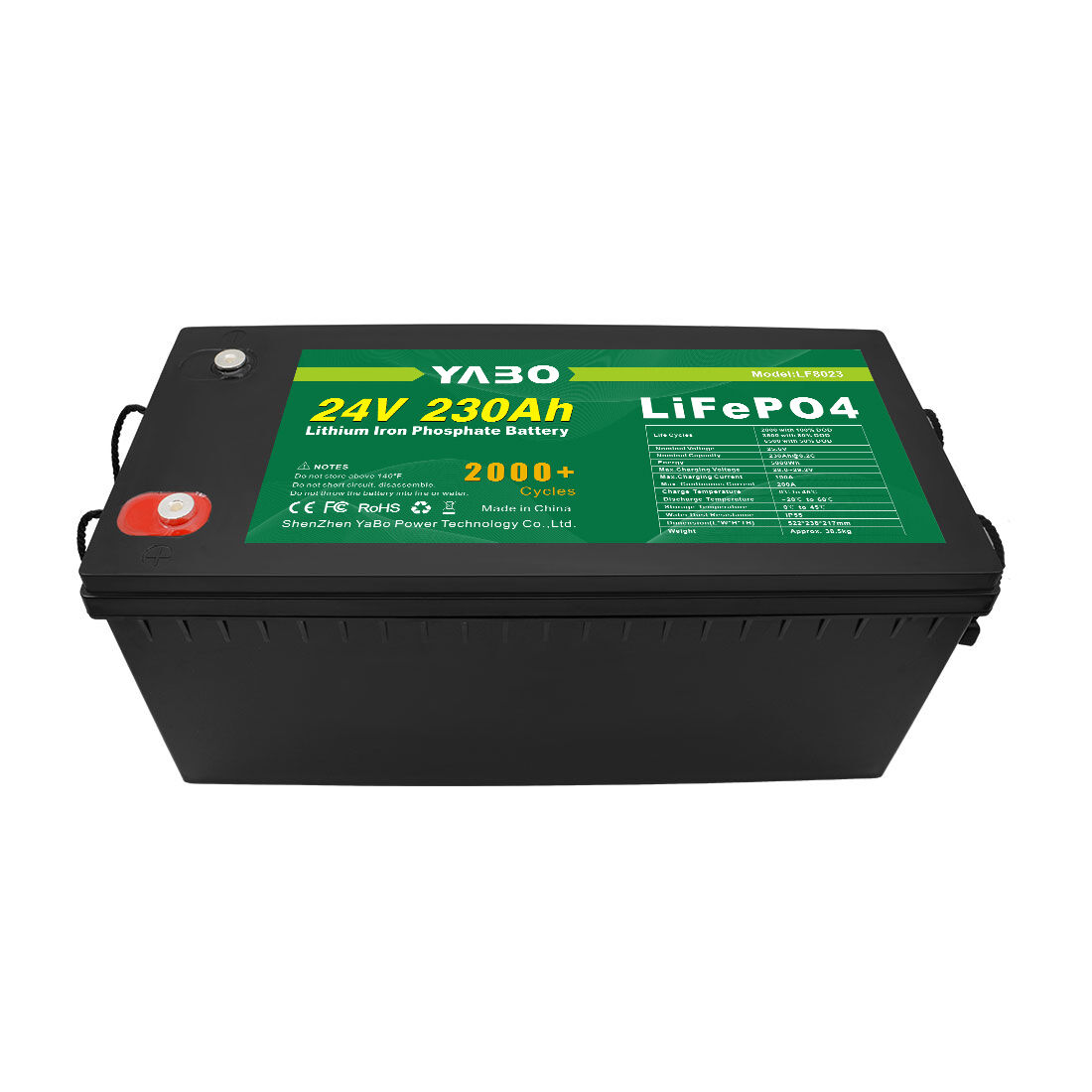
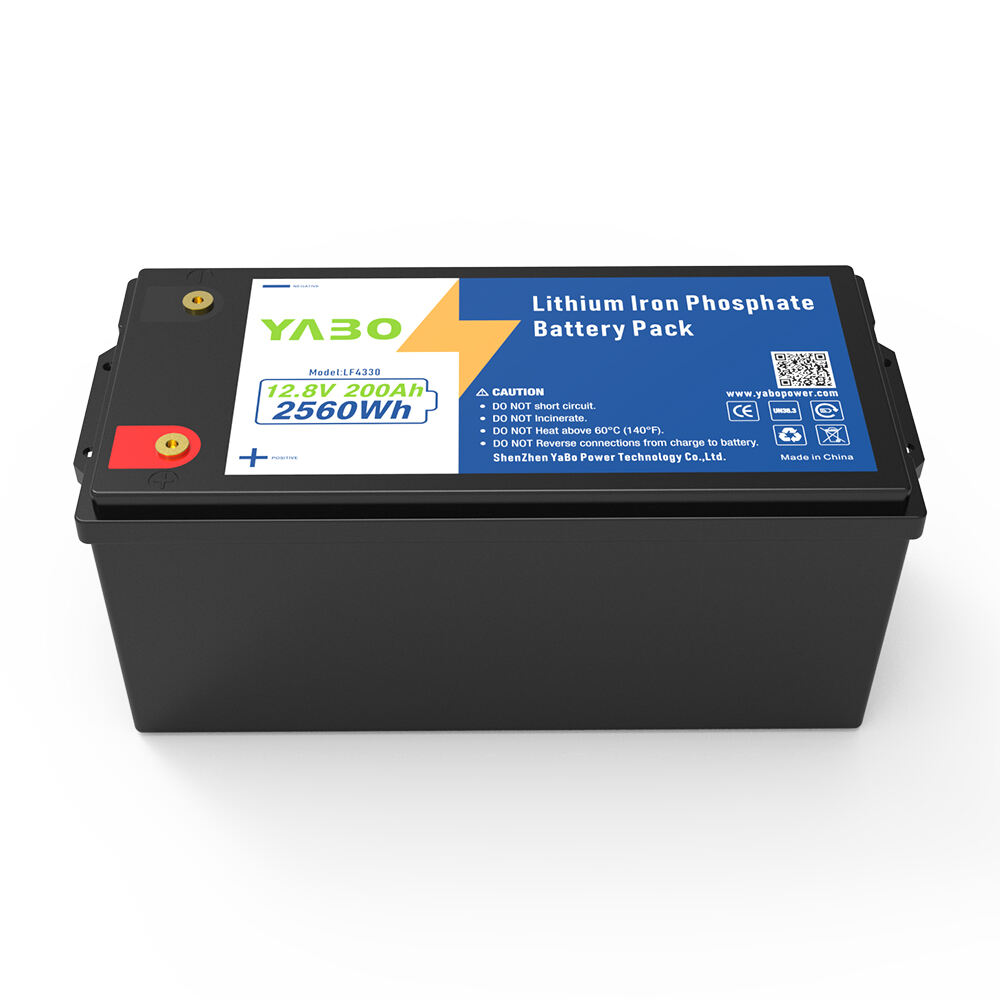
The foundation of stable emergency power lies in properly sized and configured battery banks that can store sufficient energy to meet critical loads during extended outages. Off grid power systems require battery capacity calculations based on worst-case emergency scenarios, accounting for reduced charging opportunities and increased power demands. Advanced lithium iron phosphate batteries offer superior performance during emergencies due to their deep discharge capabilities, longer cycle life, and consistent voltage output throughout their discharge curve.
Emergency battery configurations typically employ multiple parallel strings to increase overall capacity while maintaining system redundancy. If one battery string fails during an emergency, the remaining strings continue providing power without interruption. Professional off grid power systems incorporate battery management systems that monitor individual cell voltages, temperatures, and state of charge to prevent failures that could compromise emergency power availability.
Temperature management becomes particularly critical during emergencies when ambient conditions may be extreme. Battery enclosures with thermal regulation ensure that energy storage components maintain optimal operating temperatures, preventing capacity reduction or permanent damage that could occur during prolonged emergency situations when replacement parts are unavailable.
Backup Power Integration Strategies
Reliable off grid power systems incorporate multiple backup power sources that automatically activate when primary energy storage reaches predetermined thresholds. Generator integration provides extended runtime capability during emergencies, with automatic transfer switches ensuring seamless transitions between battery power and backup generation. These systems continuously monitor battery voltage levels and automatically start generators before critical power levels are reached.
Fuel management strategies ensure that backup generators have sufficient fuel reserves for extended emergency operations. Professional installations include fuel monitoring systems that track consumption rates and remaining runtime, providing operators with critical information needed to manage resources during prolonged outages. Multiple fuel types, including propane, diesel, and gasoline options, provide flexibility when certain fuel supplies become unavailable during emergencies.
Advanced off grid power systems employ load prioritization algorithms that automatically shed non-essential loads when backup power is activated, extending available runtime for critical systems. This intelligent load management ensures that essential services like medical equipment, communications, and security systems continue operating even when total power capacity is reduced during emergency situations.
Power Generation Diversity and Redundancy
Solar Array Performance During Emergencies
Solar photovoltaic arrays provide renewable energy generation that continues functioning during grid outages, making them essential components of emergency-ready off grid power systems. However, emergency conditions often include severe weather that can reduce solar production, requiring system designs that account for diminished generation capacity during critical periods. Professional installations include weather-resistant mounting systems and protective measures that maintain solar array functionality even during extreme conditions.
Maximum Power Point Tracking charge controllers optimize solar energy harvesting during emergencies when every kilowatt-hour becomes precious. These advanced controllers adapt to changing light conditions throughout the day, ensuring that off grid power systems extract maximum available energy from solar arrays even when clouds or debris reduce optimal sunlight exposure.
Ground-mounted solar arrays offer advantages during emergencies because they remain accessible for cleaning and maintenance when roof access becomes dangerous or impossible. Emergency preparedness includes having spare fuses, bypass diodes, and cleaning equipment readily available to address solar array issues that could reduce power generation during critical periods.
Wind and Alternative Generation Sources
Wind turbines complement solar generation in off grid power systems by providing energy production during nighttime hours and cloudy conditions that often accompany emergency weather events. Small-scale wind generators designed for distributed power applications can continue operating in moderate wind conditions, providing valuable energy input when solar production is compromised. Proper turbine selection considers local wind patterns and includes protection systems that prevent damage during severe weather.
Micro-hydro systems offer exceptional reliability for off grid power systems located near flowing water sources, providing continuous generation regardless of weather conditions. During emergencies, these systems often maintain consistent output while other renewable sources may be affected by storm damage or debris. Water-based generation requires minimal maintenance and can operate unattended for extended periods, making it ideal for emergency power applications.
Hybrid generation approaches combine multiple renewable sources with backup generators to ensure continuous power availability during emergencies. This diversity prevents single-point failures that could compromise entire power systems, with each generation source providing backup for others during maintenance or weather-related outages. Professional off grid power systems balance generation diversity with system complexity to maintain reliability while keeping maintenance requirements manageable.
System Control and Load Management
Intelligent Power Distribution Networks
Advanced control systems form the brain of emergency-ready off grid power systems, continuously monitoring power generation, storage levels, and load demands to optimize system performance during critical situations. These controllers automatically adjust charging rates, manage generator operation, and implement load shedding protocols based on real-time conditions and predetermined emergency priorities. Smart inverters provide clean, stable AC power with tight voltage regulation and frequency control that protects sensitive equipment during emergencies.
Remote monitoring capabilities allow off grid power systems to send status updates and alerts even during emergencies when local communications may be compromised. Satellite-based monitoring systems provide continuous connectivity, enabling remote diagnostics and troubleshooting that can prevent minor issues from becoming major failures during critical periods. These systems maintain detailed logs of power production, consumption, and system events that help optimize performance and identify potential problems before they affect emergency operations.
Programmable load controllers manage non-essential systems based on available power reserves, automatically reducing consumption during low-generation periods or when battery levels approach critical thresholds. These controllers can delay water heating, reduce HVAC operation, or temporarily disconnect non-critical loads while maintaining power to essential systems like medical equipment, communications, and security devices.
Emergency Load Prioritization Protocols
Effective off grid power systems implement hierarchical load management that ensures critical systems receive power first during emergencies when total capacity may be limited. Medical equipment, communications systems, and security devices receive highest priority, followed by lighting, refrigeration, and basic comfort systems. Non-essential loads like entertainment systems and decorative lighting are automatically disconnected when power reserves reach predetermined levels.
Manual override capabilities allow operators to temporarily adjust load priorities based on specific emergency situations, providing flexibility when circumstances require deviating from standard protocols. Emergency control panels include clearly labeled switches and displays that allow non-technical users to manage basic system functions during power emergencies, ensuring that essential systems remain operational even when technical support is unavailable.
Load scheduling algorithms spread power consumption throughout the day to minimize peak demands on off grid power systems during emergencies. Water pumps, battery chargers, and other high-power devices operate during optimal generation periods, reducing strain on battery storage during nighttime hours when renewable generation is unavailable. This intelligent scheduling extends available runtime and reduces the need for backup generator operation.
Maintenance and Preparedness Strategies
Preventive Maintenance Protocols
Regular maintenance ensures that off grid power systems perform reliably when emergencies strike, with comprehensive inspection schedules covering all system components from solar arrays to battery connections. Professional maintenance programs include battery capacity testing, inverter performance verification, and generator exercise routines that identify potential issues before they compromise emergency power availability. Detailed maintenance logs track component performance trends that help predict when replacements may be needed.
Seasonal preparation activities adapt off grid power systems for changing weather patterns and potential emergency scenarios specific to different times of year. Winter preparations include battery insulation and antifreeze procedures, while hurricane season readiness involves securing equipment and verifying backup fuel supplies. These seasonal protocols ensure that systems remain fully functional regardless of when emergencies occur.
Component spare parts inventory management maintains critical replacement parts on-site to address failures that could occur during emergencies when supply chains are disrupted. Essential spare parts include fuses, contactors, sensors, and wear items that commonly fail and could disable entire systems if unavailable. Professional installations maintain parts inventories based on manufacturer recommendations and historical failure data.
Emergency Response Procedures
Comprehensive emergency response procedures provide step-by-step guidance for operating off grid power systems during various crisis scenarios, from short-term outages to extended disaster recovery periods. These procedures include system startup sequences, load management priorities, and troubleshooting guides that enable effective system operation even when technical support is unavailable. Regular training ensures that building occupants understand basic system operation and emergency procedures.
Communication protocols establish clear procedures for reporting system status and requesting assistance during emergencies when normal communication channels may be disrupted. Emergency contact lists include technical support numbers, local emergency services, and backup communication methods like ham radio frequencies. These protocols ensure that help can be summoned when system issues exceed local troubleshooting capabilities.
Recovery planning addresses how off grid power systems should be operated during post-emergency periods when grid power may be partially restored but still unreliable. These plans include procedures for gradually increasing loads, verifying system integrity after extreme weather events, and coordinating with utility restoration efforts to ensure seamless transitions back to normal operations.
FAQ
How long can off grid power systems provide electricity during emergencies?
The duration depends on battery capacity, power consumption, and available generation sources. Well-designed off grid power systems with adequate battery storage can provide essential power for 3-7 days without any generation input. When combined with solar panels and backup generators, these systems can operate indefinitely during emergencies by managing loads and utilizing all available energy sources.
What happens if solar panels are damaged during severe weather emergencies?
Quality off grid power systems include backup generators and oversized battery banks that continue providing power even when solar generation is compromised. The system automatically switches to backup power sources while damaged panels are repaired or replaced. Emergency response procedures include rapid assessment protocols and spare panel inventory to restore solar generation as quickly as possible.
Can off grid power systems handle medical equipment during power emergencies?
Yes, properly designed off grid power systems can support medical equipment with appropriate inverters that provide clean, stable power meeting medical device requirements. Load prioritization ensures medical equipment receives power first during emergencies, while battery backup and generators provide extended runtime for critical life-support systems. Professional installations include medical-grade power conditioning to protect sensitive equipment.
How do off grid power systems prevent power fluctuations that could damage equipment during emergencies?
Advanced inverters in off grid power systems provide voltage regulation and frequency control that maintains stable power quality regardless of varying input conditions. Battery storage acts as a buffer against power fluctuations, while sophisticated control systems automatically adjust generation and loads to maintain system stability. Surge protection devices and power conditioning equipment provide additional protection for sensitive electronic devices during emergency operations.
Table of Contents
- Energy Storage Architecture for Emergency Reliability
- Power Generation Diversity and Redundancy
- System Control and Load Management
- Maintenance and Preparedness Strategies
-
FAQ
- How long can off grid power systems provide electricity during emergencies?
- What happens if solar panels are damaged during severe weather emergencies?
- Can off grid power systems handle medical equipment during power emergencies?
- How do off grid power systems prevent power fluctuations that could damage equipment during emergencies?