
 EN
EN
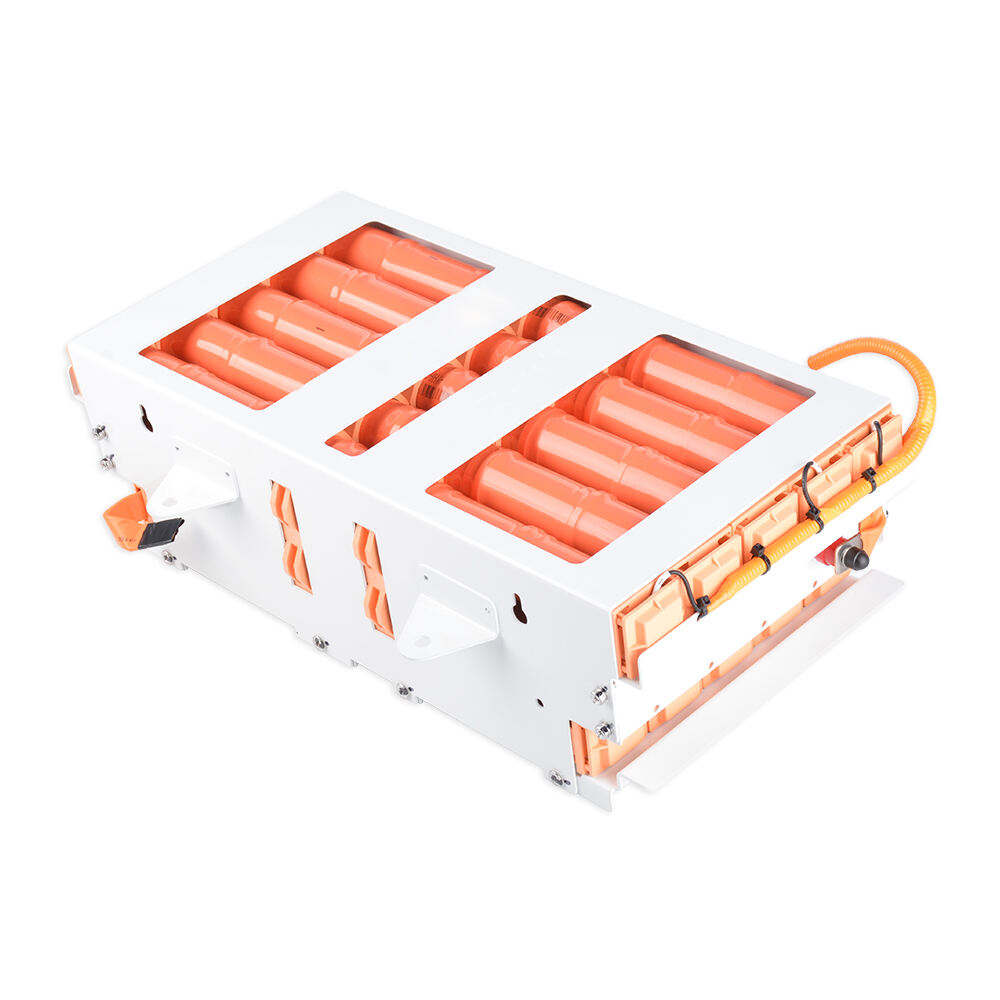
Safety in hybrid car battery systems represents the cornerstone of modern automotive engineering, where high-voltage electrical components must operate reliably under extreme conditions. Understanding the most critical safety features helps vehicle owners make informed decisions about maintenance, replacement, and system upgrades while ensuring optimal protection for both occupants and service technicians.

The complexity of hybrid car battery systems demands multiple layers of protection to prevent thermal runaway, electrical hazards, and mechanical failures. Modern hybrid vehicles incorporate sophisticated safety mechanisms that continuously monitor battery performance, temperature fluctuations, and electrical integrity to maintain safe operation throughout the vehicle's lifespan.
Thermal Management and Temperature Control Systems
Active Cooling and Heating Technologies
Advanced thermal management represents the primary safety feature in hybrid car battery systems, preventing dangerous temperature extremes that could compromise battery integrity. Active cooling systems utilize dedicated fans, liquid cooling circuits, and heat exchangers to maintain optimal operating temperatures between 15°C and 35°C under all driving conditions.
Battery heating systems become equally critical in cold climates, where low temperatures can reduce performance and potentially cause lithium plating in certain battery chemistries. These heating elements activate automatically when temperatures drop below safe thresholds, ensuring consistent performance and preventing permanent damage to battery cells.
The integration of thermal management with vehicle climate control systems optimizes energy efficiency while maintaining safety margins. Sophisticated algorithms balance passenger comfort needs with battery temperature requirements, prioritizing safety when thermal limits approach critical levels.
Temperature Monitoring and Alert Systems
Comprehensive temperature monitoring utilizes multiple sensors throughout hybrid car battery systems to detect localized hot spots and temperature gradients that could indicate developing problems. These sensors provide real-time feedback to the battery management system, enabling proactive responses before dangerous conditions develop.
Early warning systems alert drivers to temperature-related issues through dashboard indicators and diagnostic messages, allowing for timely intervention before catastrophic failures occur. Advanced systems can automatically reduce power output or activate emergency cooling protocols to protect battery integrity during extreme thermal events.
The precision of modern temperature monitoring enables predictive maintenance scheduling, helping vehicle owners address potential issues before they compromise safety or performance in hybrid car battery systems.
Electrical Safety and Protection Mechanisms
High Voltage Isolation and Insulation
Electrical isolation represents a fundamental safety requirement in hybrid car battery systems, preventing dangerous voltage levels from reaching vehicle occupants or service personnel. Double-insulated wiring, reinforced barriers, and isolation monitoring systems continuously verify the integrity of electrical separation between high-voltage and low-voltage circuits.
Ground fault detection systems monitor for any electrical leakage that could create shock hazards or fire risks, automatically disconnecting power when isolation failures occur. These systems operate continuously during vehicle operation, providing constant protection against electrical faults that could compromise safety.
Service disconnect switches allow technicians to safely isolate high-voltage systems during maintenance procedures, following strict protocols that ensure complete de-energization before any work begins on hybrid car battery systems.
Overcurrent and Short Circuit Protection
Sophisticated current monitoring systems protect hybrid car battery systems from overcurrent conditions that could cause overheating, fire, or explosion. High-speed circuit breakers and fuses provide multiple levels of protection, with primary and backup systems ensuring reliable disconnection during fault conditions.
Short circuit protection mechanisms detect and isolate fault conditions within milliseconds, preventing the massive current flows that could cause thermal runaway or electrical fires. These systems incorporate both hardware-based protection devices and software-controlled switching to provide comprehensive coverage against electrical faults.
Arc fault detection technology identifies dangerous electrical arcing conditions before they can ignite fires or cause component damage, representing an advanced safety feature in modern hybrid car battery systems.
Battery Management and Cell Monitoring Systems
State of Charge and Health Monitoring
Precise monitoring of battery state of charge prevents dangerous overcharging and deep discharge conditions that could compromise safety in hybrid car battery systems. Advanced algorithms continuously calculate remaining capacity, charge acceptance rates, and optimal charging parameters to maintain safe operating conditions.
Battery health assessment systems track capacity degradation, internal resistance changes, and other aging indicators that could affect safety performance. These systems provide early warning of declining battery condition, enabling proactive replacement before safety margins are compromised.
Real-time cell balancing ensures uniform charge distribution across all battery cells, preventing individual cells from exceeding safe voltage limits or becoming deeply discharged. This active management extends battery life while maintaining consistent safety performance throughout the system.
Fault Detection and Diagnostic Capabilities
Comprehensive fault detection systems continuously monitor hundreds of parameters within hybrid car battery systems, identifying potential safety issues before they become critical. These systems can detect cell voltage imbalances, temperature anomalies, resistance changes, and other indicators of developing problems.
Advanced diagnostic capabilities enable precise identification of failing components, allowing for targeted repairs that maintain system safety while minimizing downtime. Predictive analytics help anticipate future failures based on current performance trends and operating history.
Remote monitoring capabilities in connected vehicles allow manufacturers to track battery performance across entire fleets, identifying common failure modes and developing improved safety protocols for hybrid car battery systems.
Physical Protection and Structural Safety Features
Impact Resistance and Crash Protection
Robust physical protection shields hybrid car battery systems from crash forces, puncture risks, and environmental hazards that could compromise safety. Reinforced battery enclosures utilize high-strength materials and energy-absorbing structures to protect battery cells during collision events.
Strategic placement of battery packs within vehicle structures minimizes exposure to impact forces while maintaining optimal weight distribution for vehicle handling. Crumple zones and impact barriers redirect crash energy away from critical battery components.
Post-crash safety systems automatically disconnect high-voltage power and activate emergency response protocols, providing protection for occupants and first responders who may need to access the vehicle after an accident.
Environmental Sealing and Contamination Protection
Comprehensive environmental sealing protects hybrid car battery systems from moisture, dust, salt, and other contaminants that could cause corrosion or electrical faults. IP67-rated enclosures provide waterproof protection even during flood conditions or vehicle submersion.
Pressure relief systems prevent dangerous pressure buildup within battery enclosures while maintaining environmental sealing under normal operating conditions. These systems incorporate one-way valves that allow gas venting while preventing contamination ingress.
Chemical resistance of enclosure materials ensures long-term protection against automotive fluids, road salt, and other corrosive substances that hybrid car battery systems may encounter during vehicle operation.
Emergency Response and Safety Protocols
Automatic Shutdown and Isolation Systems
Emergency shutdown systems provide immediate protection when hybrid car battery systems detect dangerous conditions such as severe overheating, electrical faults, or crash situations. These systems can isolate high-voltage power within milliseconds, preventing further damage or safety risks.
Multiple redundant shutdown pathways ensure reliable emergency isolation even if primary systems fail, incorporating both electronic controls and mechanical disconnects for maximum reliability. Emergency protocols prioritize occupant safety above all other considerations.
Visual and audible warning systems alert occupants to emergency conditions, providing clear guidance for safe evacuation procedures when battery-related hazards are detected in hybrid car battery systems.
First Responder Safety Features
Clear identification markings and standardized emergency response procedures help first responders safely handle vehicles equipped with hybrid car battery systems. High-visibility labels indicate high-voltage components and provide critical safety information for emergency personnel.
Emergency response guides detail proper procedures for accessing vehicles, disabling electrical systems, and handling potential battery-related hazards during rescue operations. These protocols are developed in collaboration with emergency services to ensure practical effectiveness.
Specialized tools and equipment designed for hybrid vehicle emergencies enable safe handling of high-voltage systems during rescue and recovery operations, protecting both occupants and emergency responders from electrical hazards.
FAQ
What happens if the thermal management system fails in hybrid car battery systems?
When thermal management fails, hybrid car battery systems automatically reduce power output and may enter a protective shutdown mode to prevent dangerous overheating. Emergency cooling protocols activate backup systems when available, and warning systems alert the driver to seek immediate service to prevent potential thermal runaway conditions.
How do hybrid car battery systems protect against electrical shock during accidents?
Crash sensors automatically disconnect high-voltage power within milliseconds of impact detection, while multiple isolation systems prevent electrical contact with vehicle occupants or emergency responders. Physical barriers and insulation maintain electrical separation even if enclosures are damaged during collision events.
Can extreme weather conditions compromise the safety of hybrid car battery systems?
Modern hybrid car battery systems incorporate robust environmental protection including waterproof sealing, temperature compensation, and climate-adaptive charging algorithms. While extreme conditions may reduce performance temporarily, safety systems maintain protection against hazardous failures even under severe weather conditions.
What maintenance is required to ensure continued safety in hybrid car battery systems?
Regular inspection of cooling system components, verification of electrical insulation integrity, and monitoring of battery health indicators help maintain safety in hybrid car battery systems. Professional service intervals typically occur every 2-3 years, with continuous self-monitoring systems providing alerts when immediate attention is required.
Table of Contents
- Thermal Management and Temperature Control Systems
- Electrical Safety and Protection Mechanisms
- Battery Management and Cell Monitoring Systems
- Physical Protection and Structural Safety Features
- Emergency Response and Safety Protocols
-
FAQ
- What happens if the thermal management system fails in hybrid car battery systems?
- How do hybrid car battery systems protect against electrical shock during accidents?
- Can extreme weather conditions compromise the safety of hybrid car battery systems?
- What maintenance is required to ensure continued safety in hybrid car battery systems?