
 EN
EN
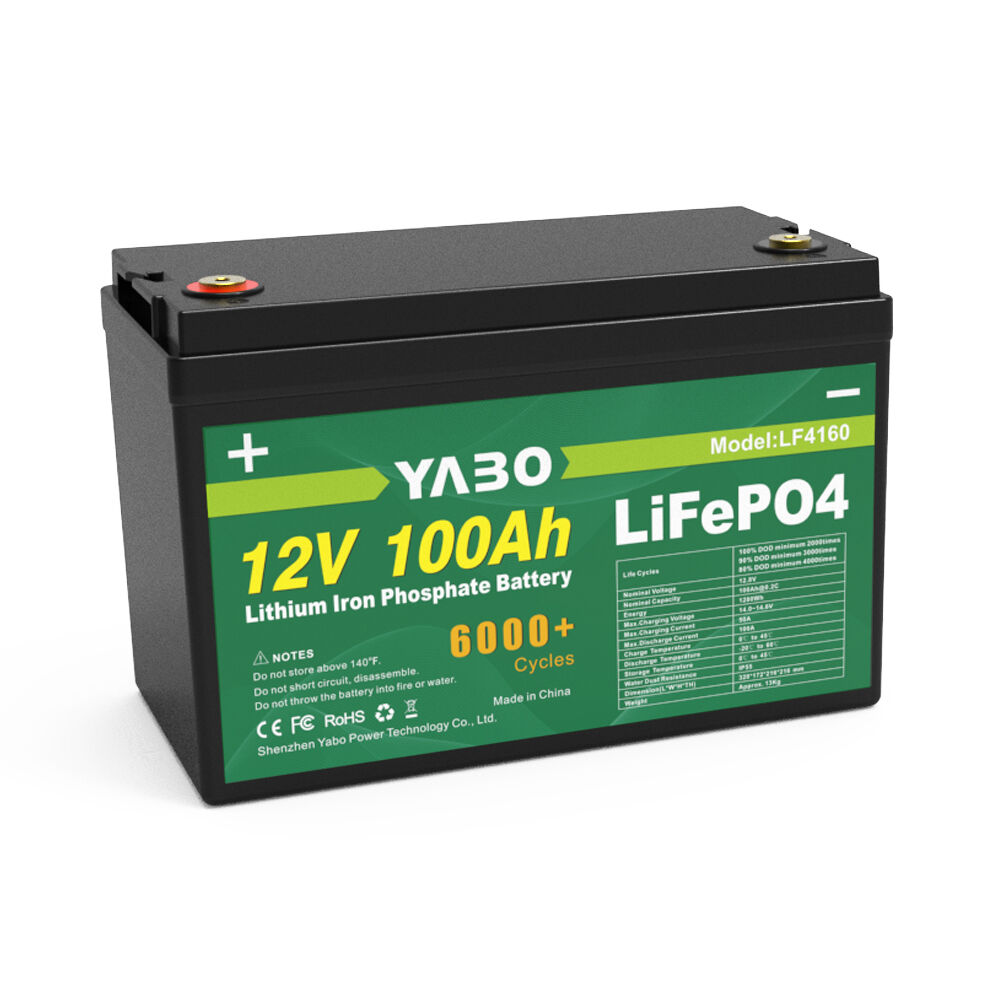
The foundation of any reliable energy storage system lies in the quality of its individual cells, particularly when it comes to 12V 100Ah batteries used in critical applications. Understanding how cell quality directly impacts battery stability is essential for professionals seeking optimal performance in renewable energy systems, recreational vehicles, and backup power solutions. High-quality cells serve as the building blocks that determine not only the immediate performance characteristics but also the long-term reliability and safety of the entire battery system. The selection of premium cell components has become increasingly important as energy storage demands continue to grow across industrial and residential applications.
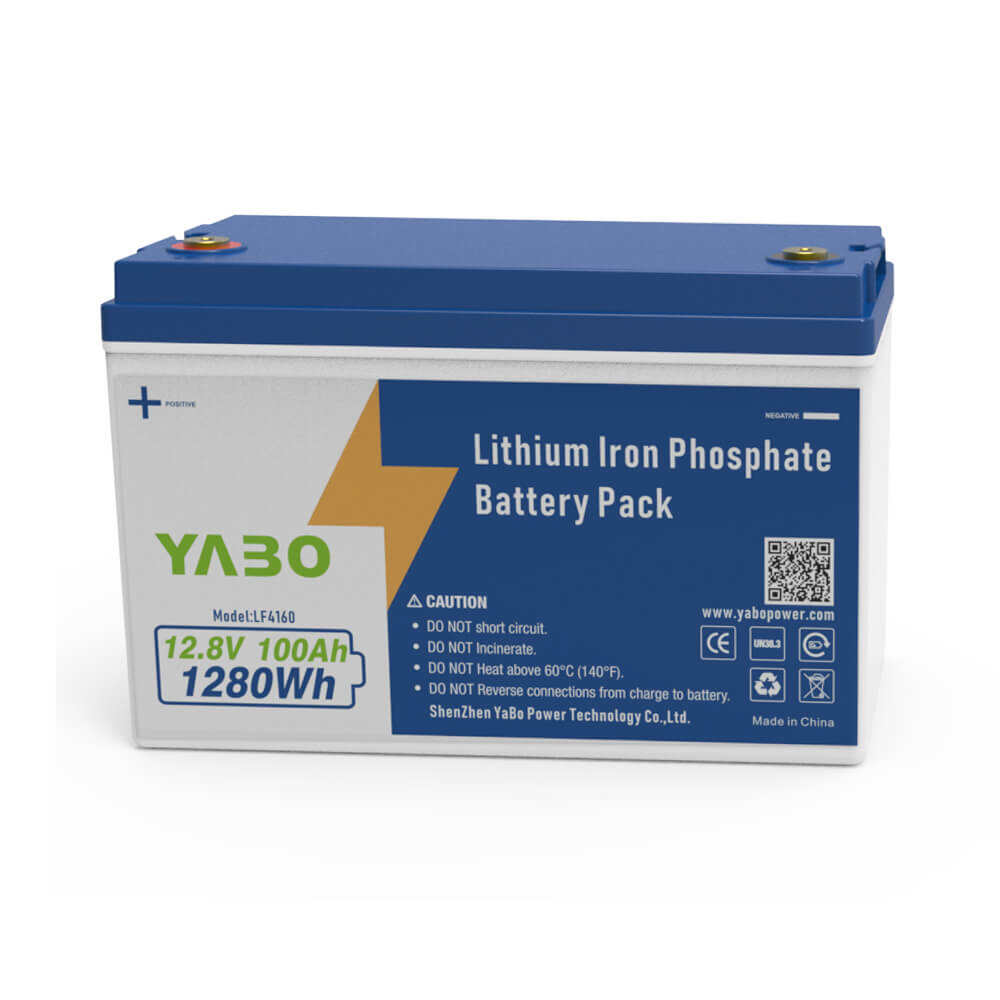
Understanding Cell Quality in Battery Construction
Material Composition and Purity Standards
The foundation of stable battery performance begins with the raw materials used in cell construction. Premium-grade lithium iron phosphate materials undergo rigorous purification processes that eliminate impurities capable of causing internal resistance variations and capacity degradation. These high-purity materials maintain consistent electrochemical properties throughout the cell's operational lifecycle, ensuring predictable performance characteristics. Manufacturing facilities that maintain strict quality control protocols produce cells with uniform material distribution, which translates directly to enhanced stability in assembled battery packs.
Advanced material processing techniques employed by leading manufacturers include controlled atmosphere sintering and precision coating applications that create uniform electrode surfaces. This attention to material quality extends to separator membranes, electrolyte formulations, and current collector materials, all of which contribute to the overall stability profile of the finished cells. The investment in superior raw materials and processing methods represents a critical factor in determining the long-term reliability of 12V 100Ah batteries in demanding applications.
Manufacturing Precision and Consistency
Precision manufacturing processes ensure that each cell within a battery pack exhibits nearly identical characteristics, minimizing variations that could lead to imbalanced charging and discharging cycles. State-of-the-art production facilities utilize automated assembly lines with real-time quality monitoring systems that detect and eliminate cells with performance deviations. This level of manufacturing precision directly correlates with improved stability in multi-cell configurations commonly found in 12V 100Ah battery systems.
Quality control protocols during manufacturing include multiple testing phases that evaluate cell capacity, internal resistance, self-discharge rates, and thermal characteristics. Cells that fail to meet stringent specifications are rejected before assembly, ensuring that only components meeting the highest standards contribute to the final battery product. This systematic approach to manufacturing consistency forms the foundation for stable, reliable energy storage solutions that maintain performance over extended operational periods.
Thermal Management and Cell Stability
Heat Generation Control
High-quality cells demonstrate superior thermal management characteristics that directly contribute to system stability by minimizing heat generation during charge and discharge cycles. Premium cell designs incorporate optimized electrode geometries and electrolyte formulations that reduce internal resistance, thereby decreasing unwanted heat production. This thermal efficiency becomes particularly important in high-capacity applications where multiple cells operate in close proximity, as excessive heat can trigger thermal runaway conditions that compromise safety and stability.
Advanced cell designs feature enhanced heat dissipation pathways through improved case materials and internal configurations that facilitate efficient thermal transfer. These design improvements ensure that operating temperatures remain within optimal ranges even under high-current discharge conditions typical of power-intensive applications. The ability to maintain stable operating temperatures directly translates to consistent performance and extended operational life in 12V 100Ah battery systems.
Temperature Coefficient Optimization
Superior cell quality manifests in optimized temperature coefficients that maintain stable voltage and capacity characteristics across varying environmental conditions. Premium cells undergo extensive testing to characterize their behavior at different temperatures, allowing engineers to predict and compensate for temperature-related performance variations. This predictable thermal behavior enables more accurate battery management system calibration and improves overall system stability.
Temperature coefficient optimization in high-quality cells results from careful selection of active materials and electrolyte compositions that exhibit minimal sensitivity to thermal variations. This stability across temperature ranges proves essential for applications where 12V 100Ah batteries must operate reliably in challenging environmental conditions, from arctic installations to desert solar farms.
Voltage Stability and Performance Consistency
Discharge Curve Characteristics
Premium cell quality directly influences the shape and consistency of discharge curves, which determine how voltage levels change throughout the discharge cycle. High-quality cells exhibit flat, stable discharge curves that maintain relatively constant voltage output across a wide range of state-of-charge levels. This characteristic proves essential for applications requiring steady power delivery, as voltage fluctuations can cause equipment malfunctions or reduced efficiency in connected loads.
The uniformity of discharge characteristics among cells within a battery pack becomes critical for maintaining system balance and preventing individual cell over-discharge conditions. Quality cells demonstrate minimal variation in their discharge profiles, ensuring that all cells within a 12V 100Ah battery pack contribute equally to power delivery throughout the entire discharge cycle. This consistency eliminates weak link scenarios where poor-performing cells limit overall system capability.
Internal Resistance Management
Low and stable internal resistance represents a hallmark of high-quality cell construction that directly impacts voltage stability under load conditions. Premium cells maintain consistent internal resistance values throughout their operational life, preventing voltage drop issues that can affect system performance and efficiency. This stability in internal resistance characteristics ensures predictable power delivery capabilities across varying load conditions and usage patterns.
Advanced cell designs incorporate optimized current collection systems and electrolyte formulations that minimize resistance increases associated with aging and cycling. These design features help maintain stable voltage characteristics even after thousands of charge-discharge cycles, ensuring that 12V 100Ah batteries continue to deliver reliable performance throughout their intended service life. The impact of consistent internal resistance extends beyond individual cell performance to influence the overall stability and efficiency of complete energy storage systems.
Cycle Life and Long-Term Stability
Degradation Resistance Mechanisms
High-quality cells incorporate advanced degradation resistance mechanisms that maintain stable performance characteristics over extended operational periods. These mechanisms include optimized electrode structures that resist mechanical stress during expansion and contraction cycles, as well as specialized electrolyte additives that prevent unwanted chemical reactions. The result is significantly improved cycle life performance that maintains capacity and power delivery capabilities well beyond standard specifications.
Degradation resistance in premium cells extends to protection against capacity fade, voltage drift, and internal resistance increases that typically occur with repeated cycling. Advanced cell chemistry formulations and manufacturing techniques create robust internal structures that withstand the mechanical and chemical stresses associated with regular charge-discharge operations. This durability translates directly to improved long-term stability in 12V 100Ah batteries designed for demanding applications.
Aging Characteristics and Predictability
Premium cell quality enables predictable aging characteristics that allow for accurate performance forecasting and maintenance planning. High-quality cells exhibit linear, gradual performance degradation patterns that can be modeled and anticipated, enabling proactive system management and optimization. This predictability proves essential for critical applications where unexpected performance changes could compromise system reliability or safety.
Understanding aging characteristics becomes particularly important in multi-cell configurations where individual cell performance variations can impact overall system balance and efficiency. Quality cells age at similar rates with comparable degradation patterns, maintaining system harmony and preventing premature failure modes associated with cell imbalance conditions. This consistent aging behavior supports long-term stability in 12V 100Ah batteries operating in demanding commercial and industrial environments.
Safety and Reliability Enhancements
Fault Tolerance and Failure Prevention
Superior cell quality directly contributes to enhanced fault tolerance through robust internal designs that resist common failure modes and provide graceful degradation rather than catastrophic failure. High-quality cells incorporate multiple safety mechanisms including pressure relief systems, thermal shutdown features, and separator materials designed to prevent internal short circuits. These safety features work together to maintain system stability even when individual cells experience stress conditions or operational anomalies.
Fault tolerance in premium cells extends to their ability to maintain safe operation even when subjected to abuse conditions such as overcharge, over-discharge, or excessive temperature exposure. Advanced cell designs include current interrupt devices and other protective mechanisms that isolate failing cells from the rest of the system, preventing cascade failures that could compromise overall battery safety and stability. This level of fault tolerance proves essential for applications where 12V 100Ah batteries operate in unattended or remote locations.
Quality Assurance and Testing Protocols
Comprehensive testing protocols ensure that high-quality cells meet rigorous safety and performance standards before integration into battery systems. These testing procedures include accelerated aging tests, thermal cycling evaluations, mechanical stress assessments, and electrical performance verification under various operating conditions. The extensive testing regime provides confidence in long-term stability and reliability performance that meets or exceeds application requirements.
Quality assurance processes extend beyond initial testing to include ongoing monitoring and validation programs that track cell performance throughout the manufacturing lifecycle. This continuous quality focus ensures that each batch of cells maintains consistent characteristics and performance standards, supporting stable operation in assembled battery systems. The investment in comprehensive quality assurance directly translates to improved reliability and reduced failure rates in deployed 12V 100Ah battery applications.
FAQ
What are the key indicators of high-quality cells in 12V 100Ah batteries?
Key indicators include low internal resistance values, consistent capacity measurements, flat discharge curves, minimal self-discharge rates, and proven cycle life performance. Quality cells also demonstrate stable temperature coefficients and predictable aging characteristics that maintain performance over time. Manufacturing certifications and comprehensive testing documentation provide additional verification of cell quality standards.
How do high-quality cells impact the overall lifespan of battery systems?
Premium cells significantly extend system lifespan by maintaining stable performance characteristics throughout thousands of charge-discharge cycles. High-quality cells resist capacity fade, voltage drift, and internal resistance increases that typically limit battery life. The consistent performance of quality cells also prevents premature system replacement due to individual cell failures or performance degradation.
Why is thermal stability important in cell selection for battery applications?
Thermal stability ensures safe and consistent operation across varying environmental conditions while preventing thermal runaway scenarios that can compromise system safety. Cells with superior thermal characteristics maintain stable voltage and capacity performance regardless of temperature fluctuations, enabling reliable operation in challenging environments. Proper thermal management also extends cell life by minimizing stress-related degradation mechanisms.
How does cell quality affect the balance and performance of multi-cell battery packs?
High-quality cells with consistent characteristics ensure balanced operation across all cells in a battery pack, preventing individual cells from limiting overall system performance. Uniform cells charge and discharge at similar rates, maintaining pack balance and preventing overcharge or over-discharge conditions. This balance optimization maximizes both performance and safety in multi-cell configurations typical of 12V 100Ah battery systems.
Table of Contents
- Understanding Cell Quality in Battery Construction
- Thermal Management and Cell Stability
- Voltage Stability and Performance Consistency
- Cycle Life and Long-Term Stability
- Safety and Reliability Enhancements
-
FAQ
- What are the key indicators of high-quality cells in 12V 100Ah batteries?
- How do high-quality cells impact the overall lifespan of battery systems?
- Why is thermal stability important in cell selection for battery applications?
- How does cell quality affect the balance and performance of multi-cell battery packs?