
 EN
EN
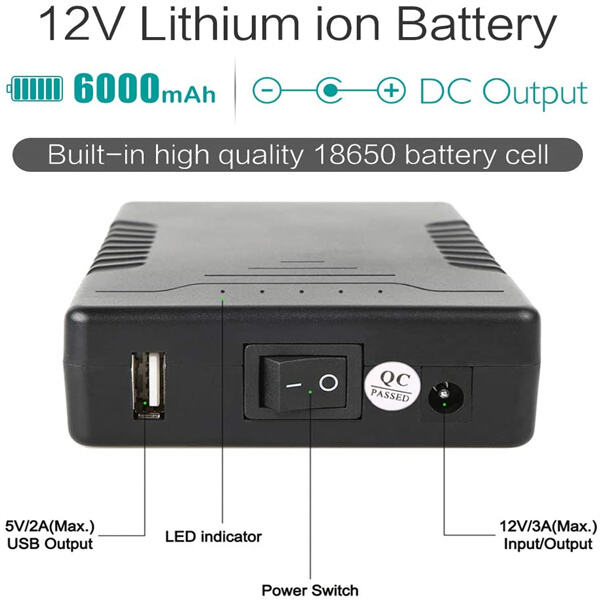
Industrial operations that demand sustained, high-current power output face a critical challenge: selecting energy storage solutions capable of enduring relentless discharge cycles without compromising performance or longevity. Deep-cycle batteries have emerged as the cornerstone technology for these demanding environments, designed specifically to deliver consistent power over extended periods while tolerating the stress of repeated deep discharges. Unlike conventional starter batteries optimized for short bursts of high current, deep-cycle batteries utilize fundamentally different construction principles and electrochemical architectures that enable them to meet the unique requirements of high-drain industrial applications ranging from telecommunications infrastructure to material handling equipment.
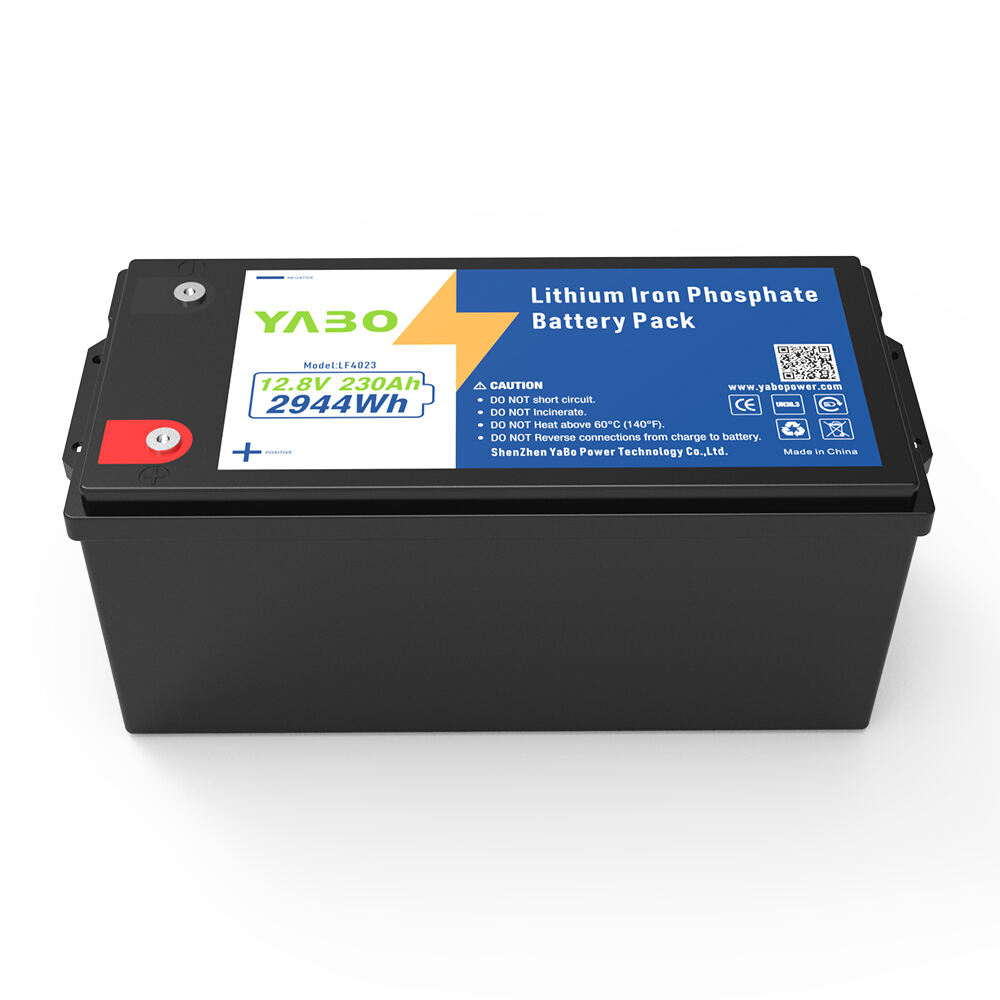
Understanding how deep-cycle batteries handle the punishing demands of high-drain industrial environments requires examining both their structural engineering and operational characteristics. These batteries must simultaneously address multiple challenges: maintaining voltage stability under heavy load conditions, managing thermal dynamics during rapid energy discharge, preserving electrode integrity through thousands of cycles, and delivering predictable performance across varying temperature ranges. The answer lies in a combination of thick electrode plates, specialized active material formulations, robust separator systems, and advanced chemistry options like lithium iron phosphate that together create a power delivery platform capable of sustaining industrial operations where failure is not an option. This exploration reveals the specific mechanisms that enable deep-cycle batteries to transform theoretical energy capacity into reliable, sustained power output in the most challenging industrial contexts.
Structural Engineering for Sustained High-Current Discharge
Electrode Plate Architecture and Material Density
The fundamental difference between deep-cycle batteries and their automotive counterparts begins with electrode plate design. Deep-cycle batteries employ significantly thicker plates with higher active material density, creating a structural foundation capable of withstanding the mechanical and chemical stresses inherent in prolonged discharge cycles. These thicker plates, typically ranging from 5mm to 8mm compared to the 2mm to 3mm found in starter batteries, provide substantially greater surface area for electrochemical reactions while reducing the rate of active material degradation during deep discharge events. The increased mass also improves thermal management by distributing heat generation across a larger volume, preventing localized hot spots that accelerate degradation in high-drain scenarios.
When industrial equipment demands sustained currents measured in hundreds of amperes, the electrode architecture of deep-cycle batteries becomes critical. The paste formulations used in lead-acid variants incorporate additives that enhance porosity and mechanical strength, allowing electrolyte penetration deep into the plate structure while preventing the shedding and sulfation that plague thinner designs under high-drain conditions. In lithium-based deep-cycle batteries, the cathode and anode materials utilize larger particle sizes and optimized binder systems that maintain structural integrity even when lithium ion extraction rates reach extreme levels during high-current discharge. This engineering approach directly addresses the primary failure mode in high-drain applications: mechanical breakdown of the electrode structure under repetitive stress.
Grid Design and Current Distribution Networks
The current collection grid within deep-cycle batteries represents another crucial adaptation for high-drain performance. These batteries utilize heavier, corrosion-resistant grid structures manufactured from lead-calcium alloys in traditional designs or copper-aluminum composite conductors in advanced lithium systems. The grid geometry features wider cross-sections and shorter current pathways that minimize internal resistance, a critical factor when delivering sustained high currents where even fractional ohm differences translate to significant power losses and heat generation. This robust grid architecture ensures uniform current distribution across the entire electrode surface, preventing localized overdischarge conditions that would otherwise create performance inconsistencies and premature failure points.
In practical industrial applications such as electric forklift operations or backup power systems for telecommunications facilities, the grid design directly influences how effectively deep-cycle batteries can maintain voltage stability under load. Advanced manufacturing techniques create grids with optimized conductor spacing that balances mechanical support with electrochemical access, ensuring that active materials throughout the plate contribute equally to power delivery rather than creating dead zones where material remains underutilized. This engineered approach to current distribution becomes particularly important in applications demanding discharge rates exceeding 1C, where conventional battery designs would experience voltage collapse and thermal runaway, but properly designed deep-cycle batteries maintain stable operation.
Separator Technology and Ionic Conductivity
The separator material positioned between positive and negative electrodes in deep-cycle batteries must perform a delicate balancing act: preventing physical contact between plates while offering minimal resistance to ionic flow during high-current discharge. Modern deep-cycle batteries employ microporous polyethylene or glass mat separators with carefully controlled porosity profiles that facilitate rapid electrolyte movement even when ion flux rates surge during high-drain conditions. In absorbed glass mat configurations commonly used in sealed deep-cycle batteries, the separator simultaneously functions as an electrolyte reservoir, ensuring consistent ionic conductivity even as discharge depth increases and electrolyte distribution shifts within the cell.
During high-drain industrial operation, separator performance directly impacts both power delivery capability and cycle life. Advanced separator materials incorporate features like increased puncture resistance to withstand mechanical stresses during deep discharge cycles, and enhanced wettability to maintain ionic pathways even under sustained current draw. In lithium iron phosphate deep-cycle batteries designed for industrial applications, ceramic-coated separators provide additional thermal stability, maintaining structural integrity at elevated temperatures generated during high-current discharge while preventing internal short circuits that would catastrophically end battery life. This separator engineering represents an often-overlooked but essential component in enabling deep-cycle batteries to handle the extreme demands of industrial high-drain scenarios.
Electrochemical Performance Under High-Drain Conditions
Voltage Stability and Power Delivery Characteristics
One of the most critical performance metrics for deep-cycle batteries in high-drain industrial applications is their ability to maintain stable voltage output as discharge progresses. Unlike low-drain applications where gradual voltage decline is acceptable, industrial equipment often requires consistent voltage levels to maintain operational specifications and prevent equipment shutdown or damage. Deep-cycle batteries achieve this through chemistry-specific voltage discharge curves, with lithium iron phosphate variants offering particularly flat discharge profiles that maintain voltage within narrow bands even at high discharge rates. This voltage stability translates directly to predictable equipment performance and extended runtime in applications like automated guided vehicles, remote monitoring stations, and emergency lighting systems.
The physics underlying voltage stability in high-drain conditions involves complex interplay between electrode kinetics, electrolyte conductivity, and internal resistance. Deep-cycle batteries minimize voltage drop under load through several mechanisms: thicker electrolyte layers reduce concentration gradients that develop during rapid ion migration, optimized electrode surface treatments enhance charge transfer kinetics at the electrode-electrolyte interface, and cell design minimizes current pathway lengths to reduce resistive losses. When industrial applications demand discharge rates of 50 amperes or higher from a single battery module, these engineering details determine whether voltage remains within the acceptable operating window or collapses to levels that trigger equipment protection systems and interrupt operations.
Thermal Management During Sustained High-Current Discharge
Heat generation represents one of the most significant challenges for deep-cycle batteries operating in high-drain industrial environments. Power dissipation from internal resistance increases with the square of current, meaning that doubling discharge rate quadruples heat generation, creating thermal management challenges that can rapidly accelerate aging or trigger thermal runaway in improperly designed systems. Deep-cycle batteries address this through multiple approaches: increased thermal mass from thicker plates and larger cell volumes provides greater heat capacity to absorb transient temperature spikes, while optimized cell spacing and module design facilitate convective cooling that removes heat before it accumulates to damaging levels.
Industrial applications like telecommunications backup systems or material handling equipment often subject deep-cycle batteries to discharge pulses that momentarily exceed continuous rating specifications, creating thermal transients that standard batteries cannot tolerate. Advanced deep-cycle batteries incorporate thermal monitoring systems and current management algorithms that adjust discharge profiles to maintain cell temperatures within safe operating ranges, sacrificing momentary peak power to preserve long-term reliability. In lithium-based deep-cycle batteries, phase-change cooling interfaces and active thermal management systems may be integrated at the cell or module level, ensuring that even sustained high-drain operation maintains temperatures below thresholds where accelerated aging mechanisms activate. This thermal engineering distinguishes industrial-grade deep-cycle batteries from consumer variants that would quickly fail under equivalent loading conditions.
Cycle Life Preservation in Repetitive High-Drain Usage
Perhaps the most defining characteristic of deep-cycle batteries in industrial applications is their ability to endure thousands of deep discharge cycles without catastrophic capacity loss, even when subjected to high-drain discharge patterns. This durability stems from fundamental differences in how active materials are formulated and supported within the electrode structure. In lead-acid deep-cycle batteries, antimony-free alloy compositions and proprietary paste additives reduce the formation of insulating sulfate crystals that would otherwise block active material access during repeated deep discharge and recharge cycles. The result is battery systems capable of maintaining 80 percent of original capacity after 1000 or more deep cycles, even when routinely discharged at rates that would destroy conventional batteries within 200 cycles.
Lithium iron phosphate chemistry has revolutionized cycle life expectations for deep-cycle batteries in high-drain applications, with properly engineered systems achieving 3000 to 5000 deep cycles while maintaining usable capacity. This exceptional longevity results from the structural stability of the olivine crystal lattice that forms the cathode material, which experiences minimal volume change during lithium insertion and extraction even at high rates. Industrial users operating equipment like scissor lifts, floor scrubbers, or solar energy storage systems benefit directly from this extended cycle life, as battery replacement intervals extend from annual events to multi-year timeframes, dramatically reducing total cost of ownership despite higher initial investment. The combination of high-drain capability with extended cycle life positions modern deep-cycle batteries as enabling technologies for electrification of industrial processes previously dependent on fossil fuel power sources.
Chemistry-Specific Adaptations for Industrial High-Drain Performance
Lead-Acid Deep-Cycle Variants and Discharge Rate Tolerance
Traditional flooded lead-acid deep-cycle batteries continue to serve industrial high-drain applications through evolutionary improvements in paste formulations and grid metallurgy. These batteries achieve discharge rate capabilities up to 3C in pulse applications through careful control of acid concentration and specific gravity, which directly influences internal conductivity and available surface reaction kinetics. Industrial users appreciate the inherent safety and established service infrastructure surrounding lead-acid technology, particularly in applications where explosive atmospheres or extreme environmental conditions make lithium chemistries less practical. The robust nature of lead-acid deep-cycle batteries allows operation in temperature ranges from -20°C to 50°C with predictable performance degradation curves that industrial maintenance programs can readily accommodate.
Absorbed glass mat and gel variants of lead-acid deep-cycle batteries offer enhanced performance in high-drain scenarios where vibration resistance and low-maintenance operation are priorities. These sealed designs eliminate electrolyte stratification issues that plague flooded cells during partial state-of-charge cycling common in renewable energy storage and hybrid vehicle applications. The immobilized electrolyte structure in AGM deep-cycle batteries also improves high-rate discharge performance by maintaining consistent ionic pathways throughout the discharge cycle, though ultimate energy density remains constrained by the inherent limitations of lead-acid electrochemistry. For industrial applications requiring proven reliability with moderate energy density requirements, these advanced lead-acid deep-cycle batteries continue to represent practical solutions that balance performance, cost, and operational simplicity.
Lithium Iron Phosphate Chemistry and High-Rate Discharge Capability
Lithium iron phosphate has emerged as the chemistry of choice for demanding industrial high-drain applications requiring maximum power density combined with safety and longevity. These deep-cycle batteries routinely handle continuous discharge rates of 1C to 3C with voltage stability that far exceeds what lead-acid alternatives can provide, while pulse discharge capabilities can reach 10C for brief periods without damaging effects. The flat discharge voltage curve characteristic of lithium iron phosphate chemistry means that industrial equipment receives consistent power throughout the usable capacity range, eliminating the performance degradation that occurs as lead-acid batteries approach deep discharge states. This characteristic proves particularly valuable in applications like electric pallet jacks or automated storage and retrieval systems where consistent operational speed regardless of battery state of charge directly impacts productivity.
The superior cycle life of lithium iron phosphate deep-cycle batteries in high-drain applications results from minimal structural degradation during charge-discharge cycling, with the phosphate anion providing exceptional thermal and chemical stability even under abusive conditions. Industrial users report 5000 to 7000 deep cycles in properly managed systems, representing operational lifetimes of 10 to 15 years in single-shift applications or 5 to 7 years in continuous three-shift operations. This longevity fundamentally changes the economic equation for industrial battery applications, as the total cost of ownership often favors lithium iron phosphate despite initial costs three to four times higher than equivalent lead-acid capacity. The combination of high discharge rate capability, extended cycle life, and reduced maintenance requirements positions lithium iron phosphate deep-cycle batteries as transformative technologies enabling electrification of industrial processes previously considered impractical for battery power.
Advanced Battery Management for High-Drain Protection
Modern industrial deep-cycle batteries incorporate sophisticated battery management systems that actively monitor and control discharge parameters to prevent damaging conditions during high-drain operation. These systems continuously measure cell voltages, temperatures, and current flow, implementing protective interventions when parameters approach limits that would accelerate degradation or create safety hazards. In high-drain scenarios, the battery management system may implement current limiting algorithms that reduce power output when sustained high discharge threatens to elevate temperatures beyond safe thresholds, or when voltage imbalances between cells indicate uneven loading that could lead to premature failure of weaker cells within a series string.
Advanced battery management systems in industrial deep-cycle batteries also optimize charge profiles based on discharge history, implementing recovery charging protocols after sustained high-drain events to restore capacity and rebalance cell states. These intelligent systems communicate with industrial equipment controllers, providing real-time state of charge and state of health information that enables predictive maintenance strategies and prevents unexpected operational interruptions. For lithium-based deep-cycle batteries, the battery management system functions as an essential safety layer, monitoring for conditions that could lead to thermal runaway and implementing emergency shutdown protocols when necessary. This integration of power electronics and control algorithms transforms deep-cycle batteries from passive energy storage devices into active system components that optimize both immediate performance and long-term reliability in demanding industrial high-drain applications.
Industrial Application Requirements and Battery Selection Criteria
Matching Discharge Rate Specifications to Equipment Demands
Successful deployment of deep-cycle batteries in high-drain industrial applications begins with accurate characterization of actual power requirements and discharge patterns. Industrial equipment specifications typically provide peak and continuous current demands, but real-world operating profiles often involve complex duty cycles with intermittent high-drain periods interspersed with recovery intervals or regenerative charging events. Battery selection must account for worst-case scenarios where sustained maximum current draw occurs, ensuring that voltage remains within equipment operating specifications throughout the required runtime. Undersizing battery capacity relative to discharge demands leads to excessive C-rates that accelerate aging and risk mid-shift failures, while oversizing unnecessarily increases capital costs and physical installation requirements.
Professional battery system designers utilize load profiling techniques that capture actual current draws over representative operational periods, identifying peak demands, average loading, and duty cycle characteristics that inform capacity calculations. For example, an electric tugger towing heavy loads may experience surge currents during initial acceleration that are three times higher than steady-state cruising demands, requiring deep-cycle batteries capable of handling these transient peaks without voltage collapse. Similarly, telecommunications backup systems must deliver rated power throughout multi-hour discharge events while maintaining voltage regulation adequate for sensitive electronic equipment. These application-specific requirements drive battery selection toward chemistries and configurations optimized for the particular discharge characteristics of each industrial use case, with proper matching between battery capabilities and equipment demands determining operational success.
Environmental Considerations in Industrial Battery Installations
Industrial environments subject deep-cycle batteries to conditions far more challenging than controlled laboratory tests or consumer applications. Temperature extremes common in outdoor telecommunications sites, refrigerated warehouses, or foundry operations directly impact battery performance and longevity, with discharge capacity declining significantly at low temperatures while accelerated aging occurs at elevated temperatures. Deep-cycle batteries specified for industrial high-drain applications must demonstrate performance across the expected ambient temperature range, with derating factors applied to ensure adequate capacity remains available at temperature extremes. Lithium iron phosphate chemistry generally offers superior temperature tolerance compared to lead-acid alternatives, maintaining higher discharge efficiency at low temperatures while exhibiting better thermal stability during high-temperature operation.
Vibration and shock loads present additional environmental challenges in mobile industrial equipment like lift trucks, aerial work platforms, and underground mining vehicles. Deep-cycle batteries for these applications require reinforced construction with robust internal support structures that prevent electrode displacement and separator damage during operation over rough terrain or exposure to impact loads. Sealed battery designs eliminate concerns about electrolyte spillage in applications involving frequent orientation changes or tipping hazards, while enhanced terminal designs resist loosening from vibration that would create high-resistance connections and overheating. Environmental protection ratings determine suitability for washdown environments common in food processing or pharmaceutical manufacturing, where battery enclosures must resist chemical exposure and moisture ingress. These environmental factors significantly influence battery selection and system design for industrial high-drain applications, requiring comprehensive understanding of operational conditions beyond simple electrical specifications.
Integration with Charging Infrastructure and Operational Workflows
The capability of deep-cycle batteries to handle high-drain industrial applications extends beyond discharge performance to encompass compatibility with available charging infrastructure and operational schedules. Opportunity charging strategies common in multi-shift operations require batteries capable of accepting high charge currents during brief intervals between work periods, with lithium iron phosphate deep-cycle batteries offering significant advantages through charge acceptance rates up to 1C compared to the 0.2C to 0.3C limits of lead-acid alternatives. This rapid charging capability enables operational flexibility where battery-powered equipment can be quickly replenished during lunch breaks or shift changes rather than requiring dedicated charging periods that remove equipment from productive service.
Battery management systems must integrate with facility energy management infrastructure, communicating state of charge information to equipment operators and maintenance personnel while coordinating charge timing to minimize demand charges or leverage time-of-use electricity rates. Industrial facilities increasingly implement fleet management systems that track individual battery performance, schedule preventive maintenance, and optimize battery rotation to equalize cycle exposure across multiple units. For deep-cycle batteries in critical backup power applications, the charging system must maintain float or trickle charge conditions that preserve full capacity availability without overcharging degradation, while automatically transitioning to rapid recharge following discharge events. This operational integration transforms battery systems from standalone components into managed assets that contribute to overall facility efficiency and equipment uptime, with deep-cycle batteries serving as the foundational technology enabling these advanced operational strategies.
FAQ
What discharge rate is considered high-drain for industrial deep-cycle batteries?
High-drain conditions for industrial deep-cycle batteries generally refer to discharge rates exceeding 0.5C, where C represents the battery's rated capacity. For example, a 200Ah battery discharging at 100 amperes operates at 0.5C, which represents the threshold where thermal management and voltage stability become critical design considerations. Industrial applications routinely demand 1C to 3C continuous discharge rates, with pulse demands potentially reaching 5C to 10C for brief periods. Lead-acid deep-cycle batteries typically perform best below 0.3C for maximum cycle life, while lithium iron phosphate variants can sustain 1C to 3C discharge rates throughout their operational lifetime without significant performance degradation. The specific discharge rate capability depends on battery chemistry, thermal management provisions, and acceptable voltage regulation requirements for the powered equipment.
How does temperature affect deep-cycle battery performance in high-drain applications?
Temperature significantly impacts both immediate performance and long-term reliability of deep-cycle batteries operating under high-drain conditions. At cold temperatures below 0°C, internal resistance increases and electrochemical reaction rates slow, reducing available capacity by 20 to 40 percent in lead-acid batteries and 10 to 20 percent in lithium iron phosphate variants. High-drain discharge amplifies these effects, as increased current magnifies voltage drops from elevated internal resistance, potentially causing equipment shutdown when voltage falls below operating thresholds. Conversely, elevated temperatures above 30°C accelerate degradation mechanisms, with every 10°C increase approximately doubling aging rates in lead-acid batteries. High-drain operation generates additional internal heating that compounds ambient temperature effects, making thermal management essential for applications in hot environments. Industrial battery installations should incorporate temperature monitoring and may require insulated enclosures, heating elements for cold environments, or active cooling for high-temperature locations to maintain optimal performance ranges.
Can deep-cycle batteries replace generator sets for high-power industrial backup applications?
Modern deep-cycle batteries, particularly lithium iron phosphate systems, increasingly serve as viable alternatives to diesel generators for industrial backup power applications with high instantaneous power demands. Advanced battery systems can deliver hundreds of kilowatts of power with response times measured in milliseconds compared to the 10 to 30 second start-up delays typical of generator sets. This instantaneous availability proves critical for applications where even brief power interruptions cause production losses or equipment damage. However, the practical viability depends on required backup duration and available charging infrastructure. Deep-cycle batteries excel in applications requiring minutes to hours of backup power with frequent shallow cycling, while generators remain more economical for extended multi-day outage scenarios or locations without reliable grid power for battery recharging. Hybrid systems combining deep-cycle batteries for immediate response with generators for extended runtime represent an emerging approach that captures the advantages of both technologies. The total cost analysis must consider battery replacement intervals, maintenance requirements, fuel costs, and emissions regulations that increasingly favor battery solutions over combustion-based alternatives.
What maintenance practices extend deep-cycle battery life in high-drain industrial service?
Maintenance requirements for deep-cycle batteries in high-drain industrial applications vary significantly by chemistry but universally benefit from several core practices. For flooded lead-acid deep-cycle batteries, regular electrolyte level monitoring and watering maintains proper acid concentration and prevents plate exposure that causes permanent capacity loss. Equalization charging protocols periodically applied help reverse sulfation and rebalance cell voltages within series strings that inevitably drift during high-drain cycling. Terminal cleaning and torque verification prevent high-resistance connections that generate excessive heat and voltage drops under load. Temperature monitoring identifies cooling system deficiencies or excessive discharge rates before irreversible damage occurs. For lithium iron phosphate deep-cycle batteries, maintenance focuses on battery management system firmware updates, cell voltage balance verification, and connection integrity inspection. All battery types benefit from maintaining state of charge above 20 percent to avoid deep discharge stress, implementing temperature-compensated charge voltage, and following manufacturer-specified charge profiles optimized for the specific application duty cycle. Predictive maintenance programs utilizing trend analysis of capacity, internal resistance, and charge acceptance provide early warning of developing issues before they impact operational availability, maximizing return on investment from expensive industrial battery installations.
Table of Contents
- Structural Engineering for Sustained High-Current Discharge
- Electrochemical Performance Under High-Drain Conditions
- Chemistry-Specific Adaptations for Industrial High-Drain Performance
- Industrial Application Requirements and Battery Selection Criteria
-
FAQ
- What discharge rate is considered high-drain for industrial deep-cycle batteries?
- How does temperature affect deep-cycle battery performance in high-drain applications?
- Can deep-cycle batteries replace generator sets for high-power industrial backup applications?
- What maintenance practices extend deep-cycle battery life in high-drain industrial service?