
 EN
EN
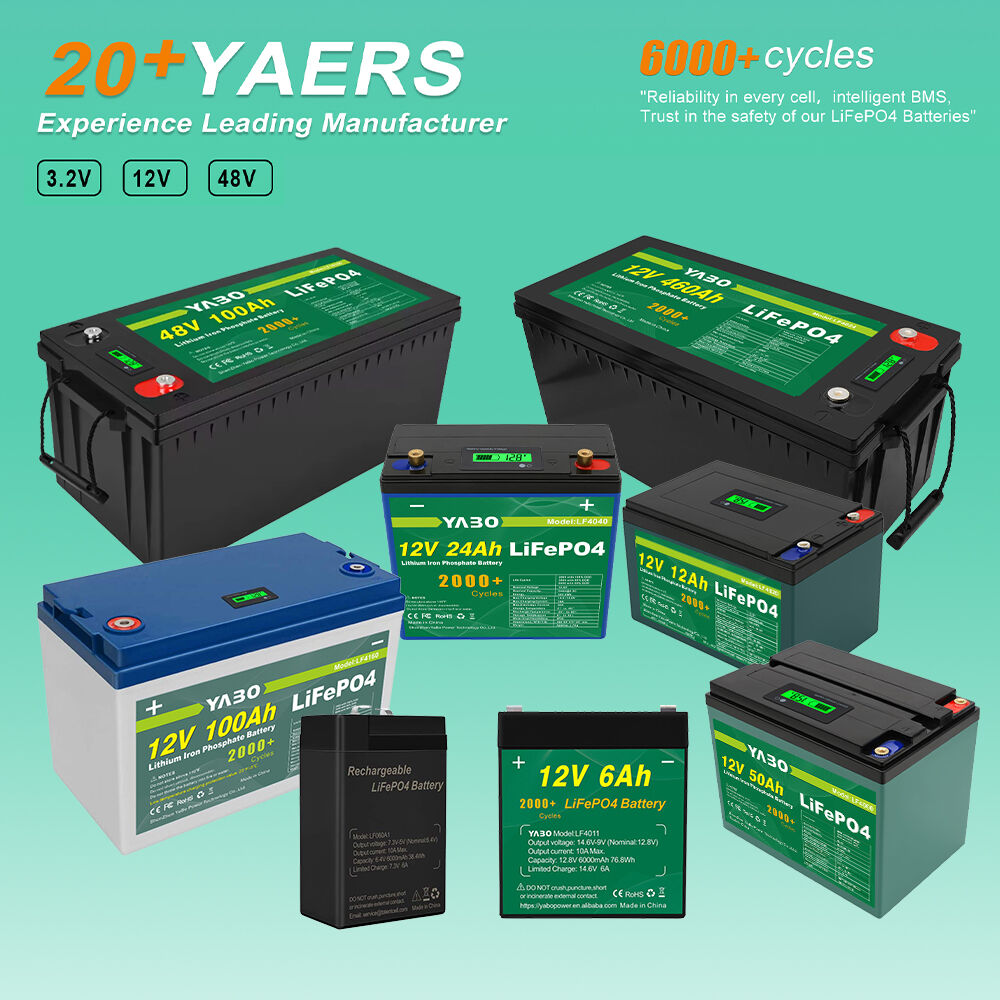
Solar backup systems have become essential infrastructure for residential, commercial, and industrial facilities seeking energy independence and resilience against grid failures. As the demand for reliable off-grid and hybrid energy solutions intensifies, the choice of battery chemistry directly determines system longevity, safety, and total cost of ownership. Among available lithium-ion variants, LiFePO4 cells have emerged as the dominant choice for long-term solar energy storage applications, fundamentally reshaping how engineers and facility managers approach backup power design. Understanding why LiFePO4 cells outperform competing technologies in solar contexts requires examining their unique electrochemical properties, operational advantages, and economic implications across extended deployment periods.
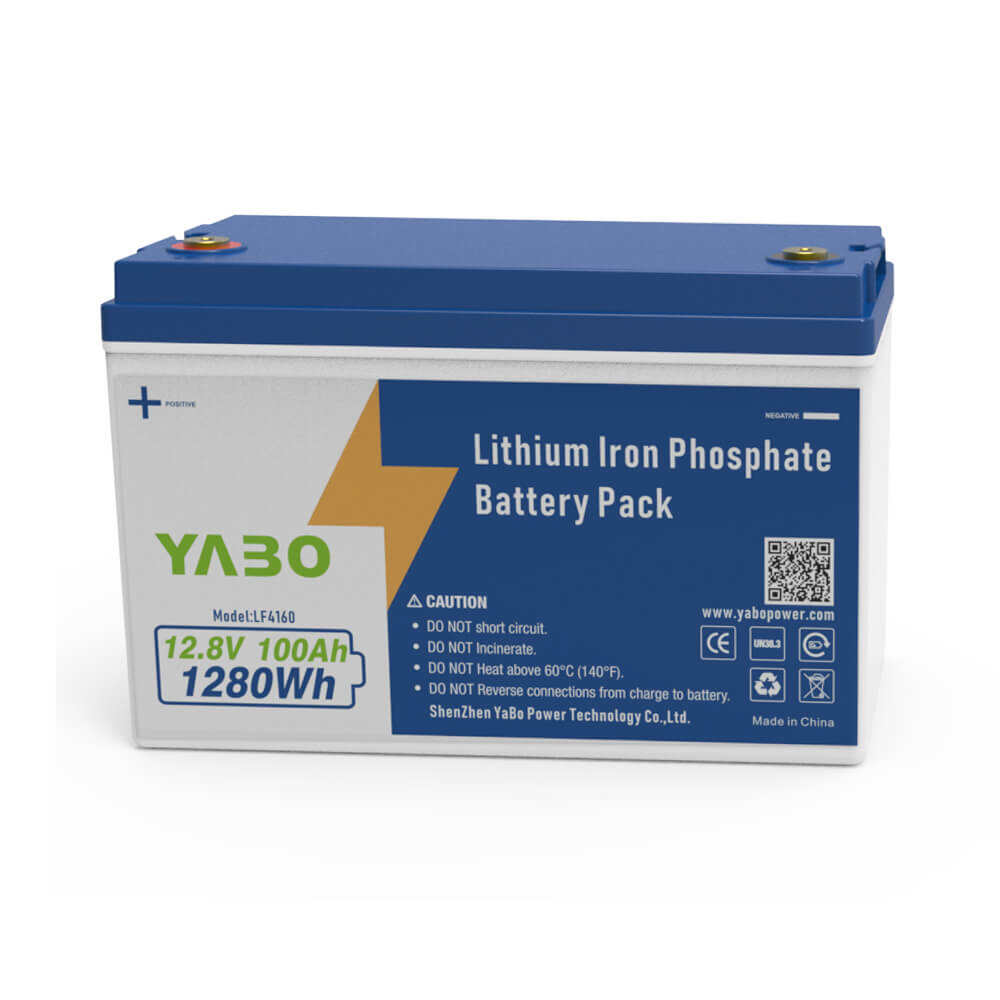
The preference for LiFePO4 cells in solar backup installations stems from their inherent thermal stability, exceptional cycle life exceeding ten thousand charge-discharge cycles, and predictable degradation patterns that enable accurate capacity planning over decades. Unlike conventional lithium cobalt oxide or nickel manganese cobalt chemistries that exhibit accelerated capacity fade and safety concerns under sustained cycling, LiFePO4 cells maintain structural integrity throughout their operational lifespan. This fundamental advantage translates into lower replacement costs, reduced maintenance overhead, and superior return on investment for solar installations designed to operate continuously for fifteen to twenty years. The growing adoption across residential solar systems, commercial microgrids, and utility-scale energy storage projects validates these practical benefits while establishing LiFePO4 technology as the reference standard for backup applications.
Electrochemical Stability and Thermal Safety in Solar Applications
Intrinsic Safety Characteristics of LiFePO4 Chemistry
The molecular structure of lithium iron phosphate creates an electrochemical environment fundamentally resistant to thermal runaway, the catastrophic failure mode that plagues other lithium-ion variants. LiFePO4 cells employ a phosphate-based cathode material with strong covalent bonds that remain stable even under extreme thermal stress or physical damage. This structural resilience prevents oxygen release during overcharge conditions or internal short circuits, eliminating the primary mechanism that triggers cascading thermal events in conventional lithium batteries. For solar backup systems installed in residential spaces, utility rooms, or enclosed equipment shelters, this safety margin proves critical since these installations often lack the sophisticated fire suppression infrastructure found in industrial battery facilities.
The thermal stability advantage becomes particularly relevant in solar applications where ambient temperature fluctuations subject battery enclosures to daily heating cycles. LiFePO4 cells maintain operational integrity across temperature ranges from negative twenty to positive sixty degrees Celsius without requiring active cooling systems that consume parasitic energy and introduce additional failure points. Field data from tropical and desert solar installations demonstrates that LiFePO4 cells sustain rated performance in environments where competing chemistries experience accelerated degradation or require expensive thermal management infrastructure. This passive thermal tolerance reduces system complexity while enhancing overall reliability, critical factors for backup systems expected to operate autonomously during extended grid outages.
Voltage Stability and Charge Management Efficiency
The flat discharge voltage profile characteristic of LiFePO4 cells provides consistent power delivery throughout the discharge cycle, contrasting sharply with the voltage sag exhibited by lead-acid batteries and some lithium alternatives. This voltage stability ensures that inverters and connected loads receive uniform power quality regardless of the battery's state of charge, eliminating brownout conditions and premature low-voltage cutoffs that reduce usable capacity. Solar backup systems equipped with LiFePO4 cells can reliably deliver rated power until the battery reaches its designed depth of discharge threshold, maximizing the practical energy available during outage events and improving overall system utilization efficiency.
Charge acceptance characteristics further distinguish LiFePO4 cells in solar applications where intermittent generation from photovoltaic arrays requires batteries to absorb variable input power throughout daylight hours. These cells accept high charge currents without the voltage overshoot or heat generation common in other chemistries, enabling faster recharge during limited sunlight windows and reducing the risk of incomplete charging that accelerates capacity loss. The ability to safely charge at rates up to one C without sophisticated charge regulation simplifies battery management system requirements while improving energy capture efficiency during periods of abundant solar generation. This operational flexibility proves particularly valuable in locations with seasonal sunlight variation or frequent cloud cover that limits daily charging opportunities.
Cycle Life Performance and Long-Term Capacity Retention
Extended Operational Lifespan Under Deep Cycling
The exceptional cycle life of LiFePO4 cells represents their most compelling advantage for solar backup applications where daily charge-discharge cycles accumulate rapidly over years of operation. Quality LiFePO4 cells routinely achieve three thousand to six thousand cycles at eighty percent depth of discharge while retaining eighty percent of original capacity, with premium grades exceeding ten thousand cycles under similar conditions. This performance level surpasses lead-acid batteries by an order of magnitude and exceeds competing lithium chemistries by factors of two to five, fundamentally altering the economic calculus for long-term energy storage investments. For solar installations cycling daily, a LiFePO4 battery bank can deliver fifteen to twenty years of service before requiring replacement, aligning battery lifespan with typical solar panel warranties and system design horizons.
The predictable degradation behavior of LiFePO4 cells enables accurate long-term capacity planning and replacement budgeting that proves difficult with technologies exhibiting nonlinear failure modes. Capacity fade in properly managed LiFePO4 systems follows a gradual linear pattern throughout most of the operational lifespan, allowing system operators to anticipate performance decline and schedule replacements proactively rather than responding to sudden failures. This predictability reduces operational risk for critical backup applications where unexpected capacity loss could compromise power availability during emergency situations. Field monitoring data from mature solar installations confirms that LiFePO4 banks maintain operational capacity within design parameters for decades, validating manufacturer cycle life claims and supporting investment justifications for premium battery technologies.
Depth of Discharge Tolerance and Practical Capacity
Unlike lead-acid batteries that suffer severe lifespan reduction when regularly discharged beyond fifty percent capacity, LiFePO4 cells tolerate deep discharge cycles without proportional degradation penalties. This characteristic enables system designers to utilize eighty to ninety percent of rated capacity as usable energy storage, effectively doubling practical capacity compared to lead-acid alternatives rated at equivalent ampere-hours. The ability to access deep capacity reserves during extended outages provides critical operational flexibility while reducing the physical battery footprint required to meet backup duration requirements. For residential and commercial installations with limited space for battery enclosures, this capacity efficiency translates directly into reduced installation costs and simplified system integration.
The depth of discharge tolerance also simplifies battery management system programming by eliminating the complex charge state algorithms required to prevent damaging discharge levels in sensitive chemistries. LiFePO4 cells maintain structural integrity even when occasionally discharged to complete depletion, though best practices recommend maintaining minimum voltage thresholds to maximize cycle life. This operational robustness proves valuable in real-world backup scenarios where power outages may extend beyond predicted durations, forcing batteries to discharge more deeply than normal operating parameters anticipate. Systems employing LiFePO4 cells can accommodate these exceptional demand events without incurring permanent capacity loss, preserving long-term performance despite occasional operational stress.
Economic Advantages and Total Cost of Ownership
Upfront Investment Versus Lifecycle Economics
The higher initial cost of LiFePO4 cells compared to lead-acid batteries represents the primary barrier to adoption, yet comprehensive lifecycle analysis consistently demonstrates superior economic value for long-term solar installations. When amortized across the operational lifespan, the cost per cycle for LiFePO4 cells falls significantly below lead-acid alternatives despite purchase prices that may exceed three to four times conventional battery costs. A typical residential solar backup system employing LiFePO4 technology requires only one battery replacement over a twenty-year system lifespan, while equivalent lead-acid capacity would necessitate four to five replacement cycles during the same period. The elimination of repeated replacement costs, combined with reduced maintenance requirements and superior energy efficiency, reverses the apparent cost disadvantage within the first five to seven years of operation.
Return on investment calculations must also account for the higher round-trip efficiency of LiFePO4 cells, typically exceeding ninety-five percent compared to eighty to eighty-five percent for lead-acid batteries. This efficiency advantage reduces the photovoltaic array capacity required to maintain battery charge while minimizing wasted solar generation, effectively lowering the total system cost needed to achieve target backup duration. For commercial installations where demand charges and time-of-use electricity rates create additional value for stored energy, the improved efficiency of LiFePO4 systems accelerates payback periods and enhances overall project economics. Financial modeling incorporating these operational advantages consistently favors LiFePO4 technology for applications requiring reliable performance over extended timeframes.
Maintenance Requirements and Operational Simplicity
The maintenance-free operation of LiFePO4 cells eliminates the routine servicing costs associated with flooded lead-acid batteries while reducing system complexity compared to technologies requiring active thermal management. Unlike conventional batteries that demand periodic electrolyte checks, equalization charges, and terminal cleaning, LiFePO4 systems operate autonomously once properly commissioned, requiring only periodic capacity verification and connection inspections. This operational simplicity proves particularly valuable for remote solar installations where regular maintenance visits incur significant travel costs and logistical challenges. The reduction in service requirements lowers total ownership costs while improving system availability by eliminating maintenance-related downtime.
The absence of corrosive electrolyte leakage and terminal sulfation further reduces long-term maintenance burdens while extending the service life of battery enclosures, electrical connections, and associated infrastructure. LiFePO4 installations maintain clean, dry operating conditions that prevent the gradual contamination and corrosion common in lead-acid battery rooms, reducing facility maintenance overhead and extending the useful life of mechanical and electrical systems. For commercial and industrial applications where battery rooms house other critical equipment, this cleanliness advantage protects adjacent infrastructure while simplifying environmental compliance and workplace safety management.
System Integration and Performance Optimization
Compatibility With Solar Charge Controllers and Inverters
Modern solar charge controllers and hybrid inverters increasingly incorporate dedicated charging profiles optimized for LiFePO4 cells, reflecting the technology's market dominance and distinctive electrical characteristics. These specialized algorithms account for the unique voltage thresholds, charge termination criteria, and temperature compensation requirements that maximize LiFePO4 performance and longevity. The widespread availability of compatible charging equipment simplifies system design while ensuring that battery management occurs according to manufacturer specifications, protecting warranty coverage and optimizing operational lifespan. System integrators can confidently specify LiFePO4 cells knowing that appropriate charging infrastructure exists across residential, commercial, and utility-scale equipment categories.
The fast charge acceptance of LiFePO4 cells enables solar systems to fully replenish battery capacity during relatively short daily charging windows, maximizing the utilization of available photovoltaic generation. This characteristic proves particularly advantageous in locations with limited peak sunlight hours or seasonal variations in solar availability, where slower-charging battery technologies may fail to achieve complete recharge between discharge cycles. The ability to absorb high charge currents without overheating or voltage stress also supports larger photovoltaic arrays that generate excess capacity during optimal conditions, future-proofing installations for potential expansion while improving overall system economics through enhanced energy capture.
Scalability and Modular System Architecture
The cell-level consistency and parallel connectivity characteristics of LiFePO4 technology facilitate scalable battery bank architectures that accommodate diverse capacity requirements across residential to commercial applications. Individual LiFePO4 cells exhibit tight voltage and capacity tolerances that simplify parallel string configurations, reducing the cell matching challenges that complicate large battery assemblies using less consistent chemistries. This manufacturing precision enables system designers to confidently specify multi-cell configurations that deliver predictable performance across the entire capacity range, from small residential systems employing dozens of cells to commercial installations incorporating hundreds of cells in parallel-series arrays.
The modular nature of LiFePO4 battery systems also supports phased capacity expansion as energy requirements evolve or as budget constraints dictate staged implementation approaches. Installers can deploy initial battery capacity sized for immediate backup needs while engineering electrical infrastructure to accommodate future expansion through additional parallel strings. The excellent long-term stability of LiFePO4 cells permits mixing of battery modules installed at different times without the performance degradation concerns that arise when combining aged and new cells in sensitive chemistries. This expansion flexibility reduces initial capital requirements while preserving the option to scale system capacity in response to changing operational needs or facility growth.
Environmental Considerations and Sustainability
Material Composition and Recycling Potential
The environmental profile of LiFePO4 cells presents significant advantages over competing lithium chemistries through the elimination of cobalt, a conflict mineral associated with problematic mining practices and supply chain ethics concerns. The iron phosphate cathode material consists of abundant, non-toxic elements that pose minimal environmental hazards during manufacturing, operation, or end-of-life disposal. This material composition aligns with growing corporate sustainability mandates and environmental, social, and governance investment criteria that increasingly influence technology selection decisions for commercial and institutional solar projects. Organizations committed to responsible sourcing and environmental stewardship find LiFePO4 technology compatible with sustainability objectives without compromising technical performance.
Recycling infrastructure for LiFePO4 cells continues developing as deployment volumes increase and early installations approach end-of-life status. The valuable lithium content and non-hazardous material composition make LiFePO4 cells attractive candidates for recycling processes that recover battery-grade materials for remanufacturing into new cells. Unlike lead-acid batteries that require specialized hazardous waste handling throughout the recycling chain, LiFePO4 cells present minimal environmental risk during collection, transportation, and processing. The emerging circular economy for lithium battery materials promises to further improve the environmental credentials of LiFePO4 technology while reducing raw material costs through recovered material streams, enhancing both sustainability and economic performance over time.
Operational Efficiency and Carbon Footprint Reduction
The superior round-trip efficiency of LiFePO4 cells directly contributes to carbon footprint reduction by minimizing energy losses during charge-discharge cycling, effectively increasing the proportion of solar generation available for useful consumption. In grid-tied solar systems that support net metering or demand charge management strategies, this efficiency advantage reduces reliance on fossil fuel-generated electricity during peak demand periods when grid carbon intensity reaches maximum levels. The cumulative energy savings across thousands of daily cycles over decades of operation represent substantial carbon emission reductions compared to less efficient battery technologies, amplifying the environmental benefits of solar generation infrastructure.
The extended operational lifespan of LiFePO4 cells also reduces the embodied energy and carbon emissions associated with battery manufacturing, transportation, and disposal activities. By eliminating multiple replacement cycles required for shorter-lived battery technologies, LiFePO4 systems minimize the recurring environmental impact of battery production while reducing waste generation from retired units. Life cycle assessment studies consistently demonstrate that LiFePO4 technology delivers lower total environmental impact per kilowatt-hour of energy stored and cycled compared to alternative battery chemistries, supporting its adoption as the preferred solution for environmentally conscious solar installations seeking to maximize sustainability outcomes alongside technical and economic objectives.
FAQ
How long do LiFePO4 cells typically last in solar backup systems compared to other battery types?
LiFePO4 cells typically achieve fifteen to twenty years of operational life in properly designed solar backup systems, with quality products delivering three thousand to six thousand deep discharge cycles while retaining eighty percent capacity. This lifespan significantly exceeds lead-acid batteries that typically last three to five years under similar cycling conditions, and surpasses other lithium-ion chemistries by factors of two to three. The extended lifespan reduces replacement frequency and total cost of ownership while aligning battery service life with solar panel warranties and overall system design horizons.
Can LiFePO4 cells operate safely in residential environments without special fire suppression systems?
Yes, the inherent thermal stability of LiFePO4 cells makes them safe for residential installation without requiring specialized fire suppression infrastructure. The phosphate-based cathode chemistry resists thermal runaway under abuse conditions including overcharge, short circuit, and physical damage, eliminating the catastrophic failure risks associated with other lithium-ion chemistries. Standard residential electrical safety practices and proper battery management systems provide adequate protection for LiFePO4 installations, though following manufacturer installation guidelines and local electrical codes remains essential for all battery systems regardless of chemistry.
What capacity sizing considerations apply when designing LiFePO4 battery banks for solar backup applications?
Capacity sizing for LiFePO4 solar backup systems should account for the usable depth of discharge, typically eighty to ninety percent of rated capacity, along with expected daily energy consumption and desired autonomy duration during grid outages. System designers must also consider seasonal variations in solar generation that affect recharge capability, temperature effects on capacity, and anticipated load growth over the system lifespan. Conservative sizing approaches recommend specifying capacity that provides desired backup duration at seventy to eighty percent depth of discharge, preserving margin for degradation over time while maximizing cycle life through moderate discharge depths during normal operation.
How do temperature extremes affect LiFePO4 cell performance in outdoor solar installations?
LiFePO4 cells maintain functional operation across temperature ranges from negative twenty to positive sixty degrees Celsius, though capacity and power delivery capability decrease at temperature extremes outside the optimal range of fifteen to thirty-five degrees Celsius. Cold temperatures reduce available capacity and increase internal resistance, while high temperatures accelerate degradation rates if sustained over extended periods. Properly designed outdoor installations incorporate insulated battery enclosures that moderate temperature swings, maintaining cells within preferred operating ranges without requiring active heating or cooling systems that consume parasitic energy and reduce overall system efficiency.
Table of Contents
- Electrochemical Stability and Thermal Safety in Solar Applications
- Cycle Life Performance and Long-Term Capacity Retention
- Economic Advantages and Total Cost of Ownership
- System Integration and Performance Optimization
- Environmental Considerations and Sustainability
-
FAQ
- How long do LiFePO4 cells typically last in solar backup systems compared to other battery types?
- Can LiFePO4 cells operate safely in residential environments without special fire suppression systems?
- What capacity sizing considerations apply when designing LiFePO4 battery banks for solar backup applications?
- How do temperature extremes affect LiFePO4 cell performance in outdoor solar installations?