
 EN
EN
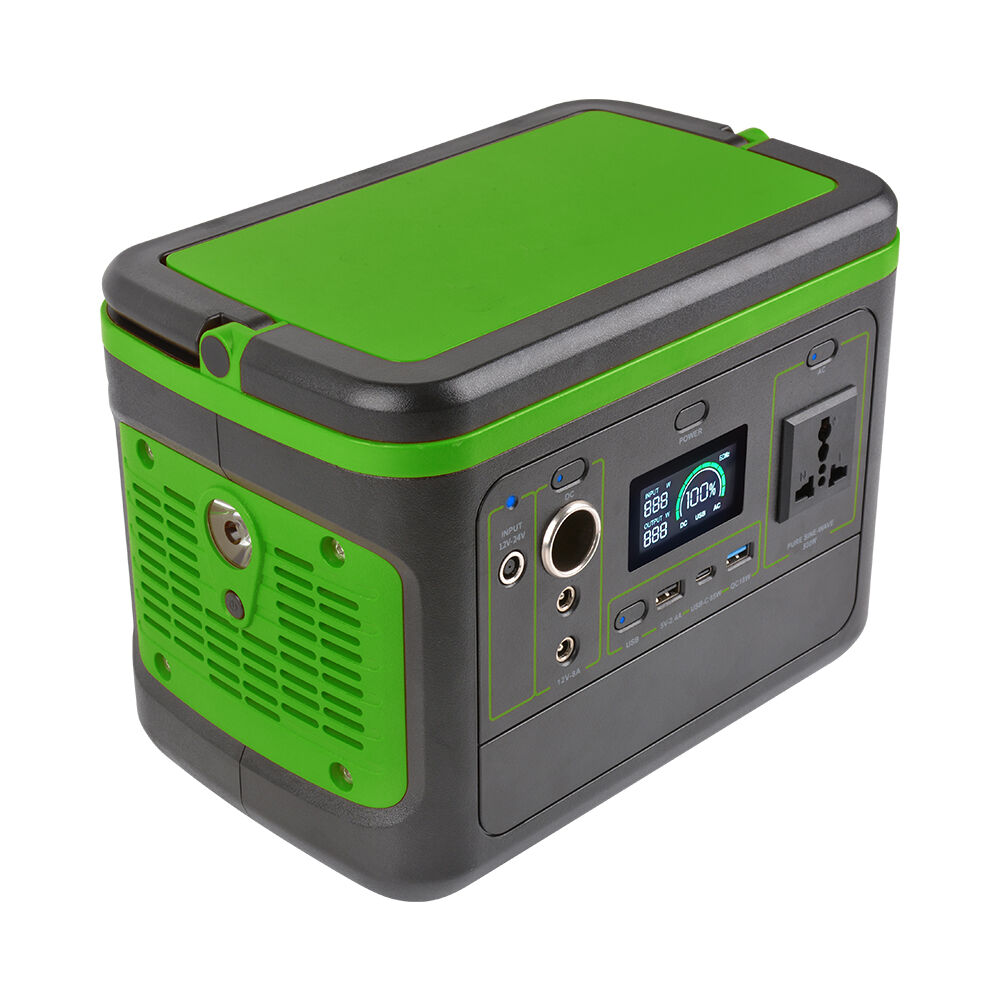
For B2B procurement managers and industrial buyers, ensuring quality when ordering 12V Li-ion packs represents one of the most critical challenges in battery sourcing. Unlike consumer-grade products where failures result in individual inconvenience, industrial applications of 12V Li-ion packs in medical equipment, telecommunications infrastructure, backup power systems, and LED lighting installations demand uncompromising reliability. Quality failures in these contexts can cascade into operational downtime, warranty liabilities, safety incidents, and reputational damage that far exceeds the initial purchase cost. Understanding how to systematically verify quality before, during, and after ordering 12V Li-ion packs separates strategic buyers from those who discover defects only after deployment.
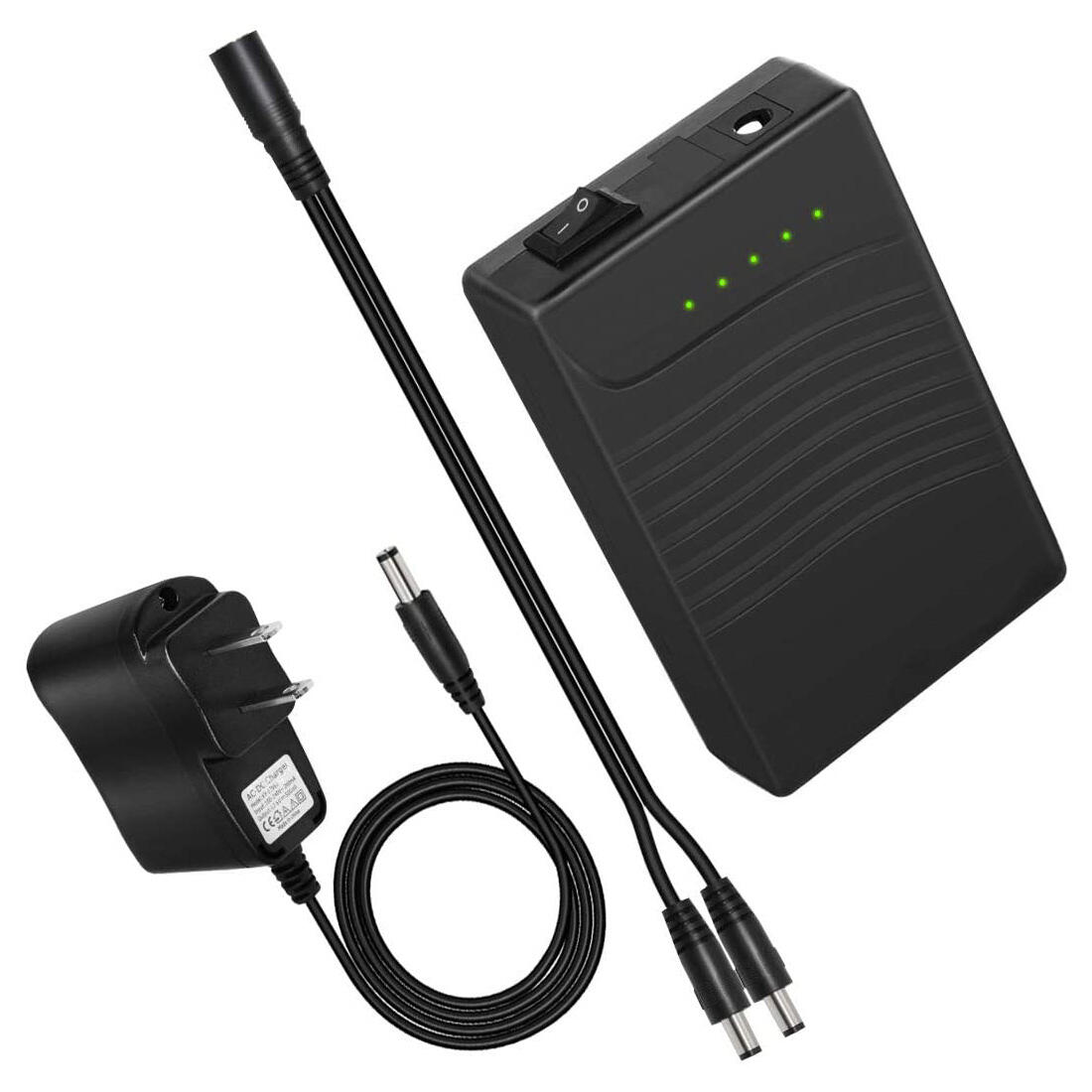
The procurement process for 12V Li-ion packs requires a structured approach that addresses multiple quality dimensions spanning cell selection, battery management system design, manufacturing process controls, testing protocols, and supply chain traceability. B2B clients who implement systematic quality assurance frameworks before committing to suppliers significantly reduce the risk of receiving substandard batteries. This article provides industrial buyers with a comprehensive methodology for evaluating and ensuring quality across every stage of the 12V Li-ion pack procurement cycle, from initial supplier assessment through production monitoring to final acceptance testing and long-term performance validation.
Understanding Quality Parameters Specific to 12V Li-ion Packs
Critical Specifications That Define Quality Standards
Quality in 12V Li-ion packs extends far beyond nominal voltage ratings. B2B clients must first establish clear specifications covering capacity retention, cycle life expectations, discharge rate capability, temperature operating ranges, and internal resistance thresholds. A quality 12V Li-ion pack designed for industrial applications should demonstrate capacity retention above ninety percent after five hundred full charge-discharge cycles under specified conditions. Buyers should request detailed specification sheets that include not just typical values but guaranteed minimum performance parameters with clearly defined testing conditions. Vague specifications or the absence of tolerance ranges often signal quality control weaknesses in the manufacturing process.
The cell chemistry selection within 12V Li-ion packs fundamentally determines quality potential. Lithium iron phosphate cells offer superior thermal stability and longer cycle life compared to lithium cobalt oxide variants, making them preferable for industrial applications where safety and longevity outweigh energy density advantages. B2B clients should verify that suppliers specify exact cell chemistry rather than generic lithium-ion designations. Quality manufacturers provide complete cell datasheets from reputable cell producers, enabling buyers to independently verify that the foundation components of their 12V Li-ion packs meet industrial standards. Cell matching within battery packs represents another critical quality factor, as capacity and internal resistance variations between cells accelerate degradation and reduce overall pack performance.
Battery Management System Integration and Protection Features
The battery management system in 12V Li-ion packs functions as the central quality safeguard, protecting against overcharge, overdischarge, overcurrent, short circuit, and thermal runaway conditions. B2B clients should require detailed documentation of BMS architecture, including the specific protection integrated circuit models used, balancing algorithms implemented, and communication protocols supported. Quality battery management systems actively balance cell voltages during charging cycles, preventing the capacity drift that occurs when individual cells within a pack experience different charge states. Buyers should verify that suppliers implement active balancing rather than passive balancing, as active systems transfer energy between cells rather than simply dissipating excess charge as heat.
Temperature monitoring represents a non-negotiable quality feature in industrial 12V Li-ion packs. Quality battery management systems incorporate multiple temperature sensors positioned at strategic locations within the pack to detect thermal anomalies before they escalate into safety incidents. B2B clients should confirm that the BMS implements temperature-based charging current reduction and will completely disable charging operations if temperatures exceed safe thresholds. Communication capabilities allowing external systems to monitor pack status through CAN bus, SMBus, or other industrial protocols enable predictive maintenance and early warning of degradation issues. Quality suppliers provide comprehensive BMS documentation including fault codes, diagnostic procedures, and integration guidelines that engineering teams require for system-level implementation.
Supplier Qualification and Manufacturing Process Verification
Conducting Thorough Supplier Audits Before Ordering
B2B clients ensure quality in 12V Li-ion packs by implementing rigorous supplier qualification processes before placing significant orders. Factory audits conducted by qualified third-party inspection agencies or internal technical teams reveal manufacturing capabilities that paper certifications cannot fully capture. During these audits, buyers should examine cell storage conditions, verifying that cells remain in climate-controlled environments and that inventory rotation systems prevent extended storage that degrades cell performance. The presence of automated assembly equipment for 12V Li-ion packs generally correlates with higher consistency compared to entirely manual assembly processes, though manual inspection stages remain critical for quality verification.
Quality management system certifications provide baseline evidence of process discipline. ISO 9001 certification indicates basic quality management framework implementation, while ISO 13485 certification demonstrates capability in medical device manufacturing environments where 12V Li-ion packs may be deployed. B2B clients should verify that certifications remain current and cover the specific production facility manufacturing their batteries rather than sister facilities or corporate headquarters. Supplier quality history with other industrial clients offers valuable insight, and buyers should request reference contacts who have received similar 12V Li-ion packs and can speak to delivery reliability, defect rates, and responsive technical support during integration challenges.
Evaluating Testing Infrastructure and Quality Control Procedures
Manufacturing facilities producing quality 12V Li-ion packs maintain comprehensive testing infrastructure that validates performance at multiple production stages. B2B clients should verify that suppliers conduct incoming quality control testing on cells before assembly, rejecting batches that fail capacity, internal resistance, or voltage consistency specifications. In-process testing during pack assembly confirms proper BMS operation, verifies protection circuit functionality, and validates voltage balance across cell groups. Final product testing subjects completed 12V Li-ion packs to full charge-discharge cycles, measures actual capacity against specifications, and confirms that all safety features activate under simulated fault conditions.
Environmental testing capabilities distinguish quality suppliers from basic assemblers. B2B clients ordering 12V Li-ion packs for demanding applications should confirm that suppliers maintain temperature chambers for high-temperature and low-temperature performance validation, vibration testing equipment for applications involving mechanical stress, and humidity chambers for moisture resistance verification. Suppliers should provide test reports demonstrating that their 12V Li-ion pack designs have successfully completed relevant standards testing such as UN38.3 for transportation safety, IEC 62133 for electrical safety, and UL 2054 for household and commercial batteries when applicable. The availability of accelerated life testing data provides confidence in long-term reliability claims that cannot be verified through short-term acceptance testing alone.
Implementing Specification Controls and Contractual Quality Assurances
Developing Detailed Technical Specifications and Acceptance Criteria
B2B clients protect quality by translating application requirements into precise technical specifications that become contractual obligations. Rather than ordering generic 12V Li-ion packs, buyers should specify exact capacity requirements with acceptable tolerance ranges, minimum cycle life expectations under defined depth-of-discharge conditions, continuous and peak discharge current capabilities, and operating temperature ranges that match deployment environments. Specifications should address physical parameters including dimensional tolerances, connector types with pinout definitions, mounting provisions, and weight limitations where applicable. The more precisely specifications define required performance, the less ambiguity exists regarding whether delivered 12V Li-ion packs meet quality standards.
Acceptance testing protocols formalized in purchase agreements establish objective quality gates that batches must pass before buyers accept delivery. These protocols should specify sample sizes for testing, exact test procedures replicating application conditions, pass-fail criteria for each measured parameter, and procedures for handling batches that fail acceptance testing. For large volume orders of 12V Li-ion packs, buyers should negotiate first-article inspection requirements where initial production samples undergo comprehensive testing before full production proceeds. Contractual quality assurances should include provisions for third-party testing at independent laboratories when disputes arise regarding whether delivered products meet specifications, with clear allocation of testing costs based on test outcomes.
Establishing Quality Agreements and Supplier Accountability Mechanisms
Quality agreements between B2B clients and suppliers of 12V Li-ion packs formalize responsibilities, define quality metrics, establish communication protocols for quality issues, and specify remedies for quality failures. These agreements should require suppliers to notify buyers of any manufacturing process changes that could affect product performance, including cell source changes, BMS component substitutions, or assembly procedure modifications. Traceability requirements ensuring that every delivered 12V Li-ion pack carries unique serial numbers linking to production batch records, cell lot codes, and test data enable root cause analysis when field failures occur and facilitate targeted recalls if systematic defects emerge.
Warranty terms reflect supplier confidence in quality and provide financial protection against premature failures. B2B clients should negotiate warranty coverage appropriate to application criticality, with terms extending beyond standard one-year periods for 12V Li-ion packs deployed in applications where replacement costs are high or downtime expensive. Warranty agreements should specify what constitutes a defect, distinguish between manufacturing defects and damage from misuse, define procedures for warranty claims, and establish response time commitments. Quality-focused suppliers often offer pro-rated warranty structures that provide partial credit for batteries failing after initial warranty periods but before expected lifecycle completion, demonstrating commitment to product longevity rather than minimum acceptable performance.
Conducting Pre-Shipment Inspection and Acceptance Testing
Implementing Third-Party Inspection Services
Independent third-party inspection services provide B2B clients with objective verification that ordered 12V Li-ion packs meet specifications before shipment occurs. These inspection agencies conduct on-site verification at manufacturing facilities, examining random samples from production batches, performing measurements to confirm compliance with dimensional specifications, conducting visual inspections for workmanship defects, and witnessing functional testing. The presence of third-party inspectors incentivizes manufacturers to maintain consistent quality standards and provides buyers with documentation independent of supplier self-certification. For international procurement of 12V Li-ion packs, third-party inspection becomes particularly valuable given the challenges of direct factory oversight across geographic distances.
Inspection scope should be clearly defined in inspection protocols shared with the inspection agency and supplier before production. For 12V Li-ion packs, critical inspection points include verification of correct cell types through label examination and voltage measurement, confirmation that BMS functionality matches specifications through charge-discharge testing, measurement of actual capacity compared to rated capacity, verification of protection circuit activation under simulated fault conditions, and documentation of cosmetic condition including labeling accuracy and packaging integrity. Inspection reports should include photographic evidence of examined samples, recorded measurements with comparison to specification limits, and clear pass-fail determinations for each inspection criterion.
Establishing In-House Receiving Inspection Procedures
Upon delivery, B2B clients should implement receiving inspection procedures that verify 12V Li-ion pack quality before accepting shipments and certainly before integrating batteries into products or deploying them in operational environments. Initial inspections confirm that delivered quantities match purchase orders, packaging shows no damage suggesting rough handling during transportation, and individual battery labeling correctly identifies specifications and safety warnings. Physical inspection examines connector integrity, case condition for cracks or deformation, and proper polarity marking to prevent reverse connection errors during installation.
Electrical receiving inspection of 12V Li-ion packs should measure open-circuit voltage to confirm adequate state of charge after storage and transportation, test actual capacity through controlled discharge cycles on sample units, and verify that protection circuits function by attempting to charge beyond voltage limits and confirming that BMS disconnects charging current. Temperature rise measurements during high-rate discharge cycles identify 12V Li-ion packs with excessive internal resistance that may have suffered cell damage or contain poor connections. Buyers should establish clear hold procedures preventing potentially defective batteries from entering inventory or production until receiving inspection confirms quality compliance. Documentation of receiving inspection results creates quality records enabling trend analysis across multiple deliveries and objective supplier performance evaluation.
Monitoring Long-Term Performance and Supplier Quality Trends
Implementing Field Performance Tracking Systems
Quality assurance for 12V Li-ion packs extends beyond initial acceptance to encompass field performance monitoring throughout operational lifecycles. B2B clients deploying batteries in connected systems should implement telemetry that captures cycle counts, depth-of-discharge patterns, operating temperature extremes, and capacity fade rates. This field data reveals whether 12V Li-ion packs deliver promised cycle life under actual application conditions rather than idealized laboratory environments. Systematic performance tracking enables early detection of quality issues affecting specific production batches, facilitating proactive replacement before widespread failures occur and providing objective evidence for warranty claims when performance falls short of specifications.
Failure analysis procedures applied to 12V Li-ion packs removed from service due to performance degradation or complete failure provide critical quality feedback. Rather than simply discarding failed batteries, B2B clients should establish relationships with battery analysis laboratories capable of performing teardown examinations, identifying failure modes such as lithium plating, separator breakdown, electrolyte depletion, or BMS component failures. Understanding root causes of failures informs specification refinements for future orders, identifies quality weaknesses with specific suppliers, and provides technical evidence supporting warranty claims. Sharing failure analysis findings with suppliers creates opportunities for collaborative quality improvement when suppliers demonstrate genuine commitment to addressing identified issues.
Developing Supplier Scorecards and Continuous Improvement Programs
Systematic supplier performance evaluation using scorecards that track quality metrics over time enables data-driven supplier management decisions. Scorecards for 12V Li-ion pack suppliers should track metrics including defect rates from receiving inspection, field failure rates normalized by quantity deployed and time in service, warranty claim rates, responsiveness to quality issues, and willingness to participate in continuous improvement initiatives. Suppliers consistently demonstrating superior quality performance earn preferred status and larger order allocations, while suppliers with declining quality trends face corrective action requirements or replacement. Transparency regarding scorecard metrics and performance expectations motivates suppliers to prioritize quality knowing that objective measurement determines business continuity.
Collaborative quality improvement initiatives between B2B clients and suppliers of 12V Li-ion packs create mutual value by systematically eliminating defect sources. Joint review sessions analyzing quality data identify opportunities such as specification clarifications that reduce misinterpretation, test procedure enhancements that better predict field performance, or design modifications that improve robustness against application stresses. When suppliers view major clients as partners invested in their success rather than adversaries exploiting power imbalances, genuine quality culture improvements become possible. B2B clients who share application feedback, provide visibility into deployment conditions, and recognize quality achievements through testimonials or case study participation build supplier relationships that transcend transactional interactions and generate sustained quality advantages.
FAQ
What certifications should B2B clients require when ordering 12V Li-ion packs?
B2B clients should require relevant safety certifications including UN38.3 for transportation compliance, IEC 62133 or UL 2054 for electrical safety standards, and ISO 9001 for quality management systems. Application-specific certifications such as ISO 13485 for medical devices or CE marking for European markets may be necessary depending on deployment context. Certification authenticity should be verified through direct confirmation with issuing bodies rather than relying solely on supplier-provided certificates, as fraudulent certifications occasionally appear in battery supply chains.
How can buyers verify cell quality in 12V Li-ion packs before large volume orders?
Buyers should request complete cell datasheets including manufacturer name and specific model numbers, then independently verify specifications with cell manufacturers. Sample testing by independent laboratories can measure actual cell capacity, internal resistance, and voltage consistency. First-article inspection examining cells before pack assembly provides opportunities to reject substandard cells before they become integrated into finished 12V Li-ion packs. Establishing contractual requirements that suppliers use cells only from approved manufacturers with defined quality grades prevents unauthorized cell substitutions that compromise quality.
What testing should be performed on 12V Li-ion packs upon delivery?
Receiving inspection should include voltage measurement to confirm adequate charge state, visual examination for physical damage or workmanship defects, and sample-based capacity testing through controlled discharge cycles. Protection circuit functionality testing by attempting overcharge and overdischarge conditions verifies that BMS operates correctly. Internal resistance measurement identifies batteries with connection problems or degraded cells. Temperature monitoring during discharge cycling detects excessive heat generation indicating quality issues. Documentation of all test results creates quality records supporting warranty claims if problems emerge later.
How should B2B clients handle suppliers who deliver 12V Li-ion packs that fail quality specifications?
Buyers should immediately segregate non-conforming products to prevent inadvertent use, formally document all specification deviations with supporting test data, and notify suppliers through written communication referencing contractual quality requirements. Rejection procedures specified in purchase agreements should be invoked, requiring suppliers to retrieve failed products and provide conforming replacements at supplier expense. When defects suggest systematic quality control failures rather than isolated incidents, buyers should conduct or require corrective action investigations addressing root causes and implementing preventive measures before accepting future deliveries. Persistent quality failures justify supplier replacement regardless of price advantages.
Table of Contents
- Understanding Quality Parameters Specific to 12V Li-ion Packs
- Supplier Qualification and Manufacturing Process Verification
- Implementing Specification Controls and Contractual Quality Assurances
- Conducting Pre-Shipment Inspection and Acceptance Testing
- Monitoring Long-Term Performance and Supplier Quality Trends
-
FAQ
- What certifications should B2B clients require when ordering 12V Li-ion packs?
- How can buyers verify cell quality in 12V Li-ion packs before large volume orders?
- What testing should be performed on 12V Li-ion packs upon delivery?
- How should B2B clients handle suppliers who deliver 12V Li-ion packs that fail quality specifications?