
 EN
EN
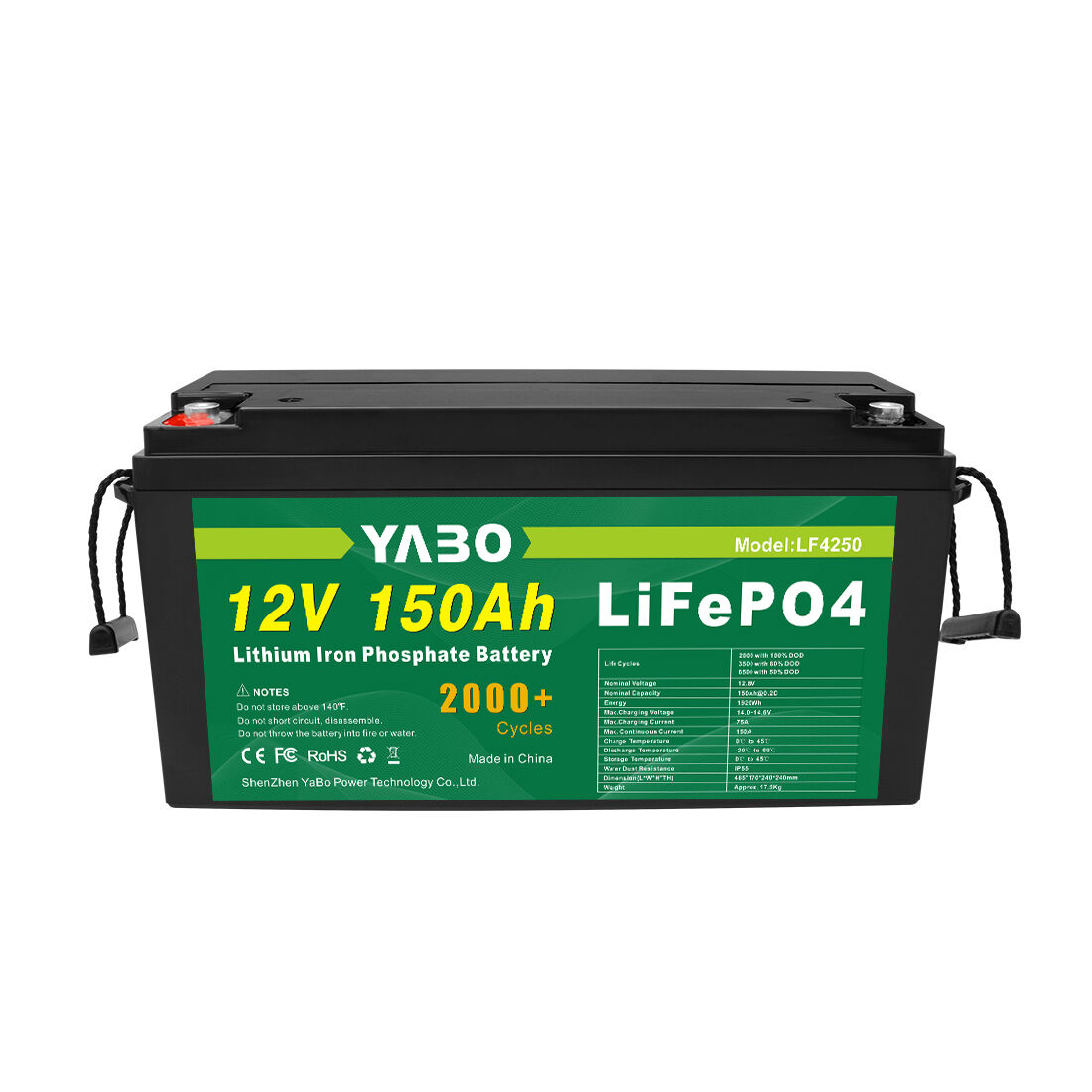
When selecting power solutions for backup systems, the choice between battery technologies can significantly impact performance, longevity, and operational costs. Modern energy storage demands require reliable solutions that deliver consistent power during outages while maintaining efficiency over extended periods. The evolution of battery technology has introduced compelling alternatives to traditional lead-acid systems, with lithium-ion variants gaining substantial traction in residential, commercial, and industrial applications. Understanding the fundamental differences between these technologies enables informed decision-making for critical backup power infrastructure.
Performance Characteristics and Energy Density
Voltage Stability and Power Output
Lithium-ion battery systems maintain remarkably consistent voltage throughout their discharge cycles, delivering stable power output until nearly depleted. This characteristic ensures connected equipment receives steady voltage levels, preventing performance degradation or unexpected shutdowns during critical operations. Lead-acid batteries, conversely, experience gradual voltage decline as they discharge, potentially affecting sensitive electronic devices that require precise power specifications. The voltage stability of 12V Li-ion batteries translates to more predictable backup duration and enhanced equipment protection during power outages.
Peak power delivery capabilities differ substantially between these technologies, with lithium-ion systems capable of handling higher current draws without significant voltage drops. This advantage proves particularly valuable for applications requiring sudden power surges or supporting multiple high-demand devices simultaneously. Lead-acid batteries may struggle with instantaneous high-current requirements, potentially limiting their effectiveness in demanding backup scenarios where rapid response is essential.
Energy Storage Efficiency
Energy density represents a crucial differentiator, with lithium-ion technology offering approximately three times the energy storage capacity per unit weight compared to lead-acid alternatives. This efficiency translates to compact installation requirements and reduced structural load considerations for backup system installations. Space-constrained environments particularly benefit from this advantage, enabling comprehensive backup coverage without extensive infrastructure modifications or reinforcement requirements.
Charging efficiency demonstrates another significant performance gap, with lithium-ion systems accepting charge rates up to five times faster than lead-acid batteries. Rapid recharge capability ensures backup systems quickly return to full capacity following discharge events, minimizing vulnerability periods and enhancing overall system reliability. This efficiency becomes increasingly important in areas experiencing frequent power disturbances or extended outage scenarios.
Operational Lifespan and Cycle Performance
Cycle Life Durability
Cycle life performance reveals dramatic differences between battery technologies, with quality lithium-ion systems delivering 3000-5000 discharge cycles compared to 300-500 cycles typical of lead-acid batteries. This extended operational lifespan significantly reduces replacement frequency and associated maintenance costs over the system's lifetime. Extended cycle life particularly benefits frequently used backup systems or applications involving regular cycling for load balancing or peak shaving operations.
Depth of discharge tolerance varies considerably between technologies, with 12V Li-ion batteries safely handling 80-90% discharge levels without capacity degradation. Lead-acid systems require limiting discharge to 50% capacity to prevent permanent damage and maintain acceptable service life. This fundamental difference effectively doubles the usable energy storage capacity of lithium-ion systems, providing superior backup duration within equivalent battery bank configurations.
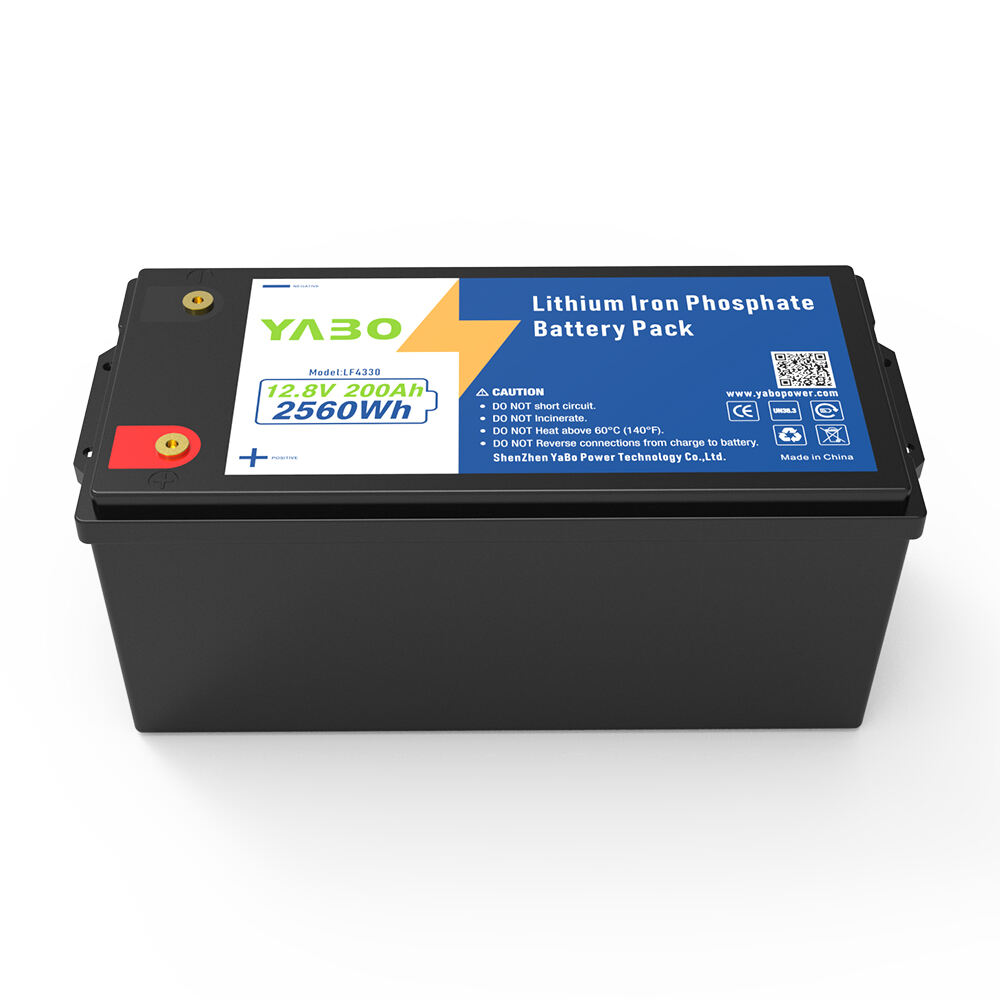
Environmental Impact on Performance
Temperature sensitivity affects both technologies differently, with lithium-ion systems maintaining consistent performance across wider temperature ranges compared to lead-acid alternatives. Extreme temperatures significantly impact lead-acid battery capacity and lifespan, often requiring climate-controlled environments for optimal performance. Lithium-ion technology operates effectively in varying conditions, reducing installation complexity and associated environmental control costs.
Maintenance requirements differ substantially, with lithium-ion systems operating maintenance-free throughout their service life. Lead-acid batteries require regular electrolyte monitoring, terminal cleaning, and periodic equalization charging to maintain performance and prevent premature failure. Reduced maintenance demands translate to lower operational costs and improved system reliability for lithium-ion installations.
Economic Analysis and Total Cost Considerations
Initial Investment and Installation Costs
Upfront costs typically favor lead-acid technology, with initial purchase prices significantly lower than comparable lithium-ion alternatives. However, this apparent cost advantage diminishes when considering installation requirements, with lithium-ion systems requiring less supporting infrastructure due to their compact size and reduced weight. Installation labor costs often decrease with lithium-ion technology due to simplified handling and reduced structural requirements.
Supporting equipment costs vary between technologies, with lithium-ion systems requiring sophisticated battery management systems for optimal performance and safety. Lead-acid installations need ventilation systems, spill containment, and regular maintenance access, adding complexity and cost to the overall installation. These ancillary costs must factor into comprehensive economic comparisons between backup power technologies.
Long-term Operational Economics
Total cost of ownership calculations reveal significant advantages for lithium-ion technology over extended periods, despite higher initial investments. Reduced replacement frequency, minimal maintenance requirements, and superior energy efficiency combine to deliver lower lifetime costs for most backup applications. Energy savings from improved charge efficiency and reduced self-discharge rates contribute additional economic benefits throughout the system's operational life.
Disposal and recycling considerations impact long-term economics, with lithium-ion systems offering greater material recovery value and reduced environmental remediation costs. Lead-acid batteries require specialized disposal procedures due to hazardous material content, adding end-of-life costs not associated with lithium-ion alternatives. These factors increasingly influence purchasing decisions as environmental regulations become more stringent.
Safety and Environmental Considerations
Operational Safety Features
Safety characteristics differ significantly between battery technologies, with modern 12V Li-ion batteries incorporating advanced protection systems preventing overcharge, over-discharge, and thermal runaway conditions. These integrated safety features reduce fire and explosion risks associated with battery failures, enhancing overall system safety for occupied buildings and sensitive installations. Lead-acid systems pose risks from acid spills, hydrogen gas generation, and potential thermal events during charging operations.
Ventilation requirements reflect these safety differences, with lead-acid installations requiring substantial air circulation to prevent hydrogen accumulation and acid vapor buildup. Lithium-ion systems operate sealed and ventilation-free, enabling installation in previously unsuitable locations and reducing building modification requirements. This flexibility expands installation options while maintaining safety standards.
Environmental Impact Assessment
Manufacturing environmental impact varies between technologies, with lithium-ion production requiring specialized materials and processes but generating fewer toxic byproducts compared to lead-acid manufacturing. Lead mining and processing create significant environmental challenges, while lithium extraction, though requiring careful management, presents more manageable environmental impacts with proper oversight and regulation.
Operational environmental benefits favor lithium-ion technology through improved energy efficiency and reduced resource consumption over the product lifecycle. Higher efficiency reduces grid energy consumption for charging, decreasing overall carbon footprint for backup power applications. Extended lifespan reduces manufacturing demand and waste generation, contributing to sustainability goals increasingly important in modern facility management.
Application-Specific Performance Analysis
Residential Backup Systems
Home backup applications increasingly favor lithium-ion solutions due to space constraints, indoor installation requirements, and minimal maintenance expectations of residential users. The compact footprint enables installation in basements, closets, or utility rooms without extensive ventilation modifications. Silent operation and absence of hazardous materials make 12V Li-ion batteries particularly suitable for living spaces where lead-acid systems would pose safety concerns or require separate utility buildings.
Integration with solar power systems demonstrates particular advantages for lithium-ion technology, with efficient charge acceptance enabling maximum utilization of available solar energy. Rapid charging capabilities allow quick recovery from overnight discharge events, maximizing energy independence and reducing grid dependency. Lead-acid systems struggle with variable solar charging patterns, often requiring oversized installations to compensate for charging inefficiencies.
Commercial and Industrial Applications
Commercial facilities benefit from lithium-ion reliability and predictable performance characteristics, essential for maintaining business operations during power disruptions. The extended cycle life proves particularly valuable for facilities experiencing frequent brief outages or implementing demand response programs requiring regular battery cycling. Reduced maintenance requirements minimize operational disruption and eliminate the need for specialized maintenance personnel familiar with lead-acid system requirements.
Industrial environments with harsh operating conditions favor lithium-ion technology due to superior temperature tolerance and sealed construction preventing contamination from dust, moisture, or chemical exposure. Manufacturing facilities, data centers, and outdoor installations particularly benefit from these environmental advantages, reducing failure rates and extending service intervals compared to lead-acid alternatives requiring protected environments.
FAQ
How long do 12V Li-ion batteries last compared to lead-acid batteries in backup applications
Quality lithium-ion backup batteries typically last 10-15 years with 3000-5000 charge cycles, while lead-acid batteries generally require replacement every 3-5 years with only 300-500 cycles. This extended lifespan significantly reduces long-term replacement costs and maintenance requirements, making lithium-ion technology more cost-effective despite higher initial investment. The superior cycle life becomes particularly advantageous in applications with frequent power outages or regular system testing.
Can existing lead-acid backup systems be upgraded to lithium-ion technology
Most backup systems can accommodate lithium-ion upgrades, though charging system modifications may be necessary to optimize performance and prevent damage. Lithium-ion batteries require different charging profiles compared to lead-acid systems, often necessitating charger updates or battery management system installation. Physical installation is typically simplified due to reduced weight and size requirements, though proper system integration ensures optimal performance and safety compliance.
What are the main safety differences between lithium-ion and lead-acid backup batteries
Lithium-ion systems eliminate risks associated with acid spills, corrosive vapor emissions, and hydrogen gas generation common with lead-acid batteries. Modern lithium-ion batteries include integrated protection circuits preventing overcharge, over-discharge, and thermal events, while lead-acid systems rely primarily on external safety measures. However, lithium-ion installations require proper thermal management and protection from physical damage to maintain safety standards throughout their operational life.
How do charging requirements differ between these battery technologies for backup applications
Lithium-ion batteries accept charge up to five times faster than lead-acid alternatives, enabling rapid recovery following discharge events and improved integration with renewable energy sources. Lead-acid systems require multi-stage charging with specific voltage and current profiles, while lithium-ion charging is more straightforward with constant current followed by constant voltage phases. The faster charging capability of lithium-ion technology ensures backup systems spend less time in vulnerable states following power outages.
Table of Contents
- Performance Characteristics and Energy Density
- Operational Lifespan and Cycle Performance
- Economic Analysis and Total Cost Considerations
- Safety and Environmental Considerations
- Application-Specific Performance Analysis
-
FAQ
- How long do 12V Li-ion batteries last compared to lead-acid batteries in backup applications
- Can existing lead-acid backup systems be upgraded to lithium-ion technology
- What are the main safety differences between lithium-ion and lead-acid backup batteries
- How do charging requirements differ between these battery technologies for backup applications