
 EN
EN
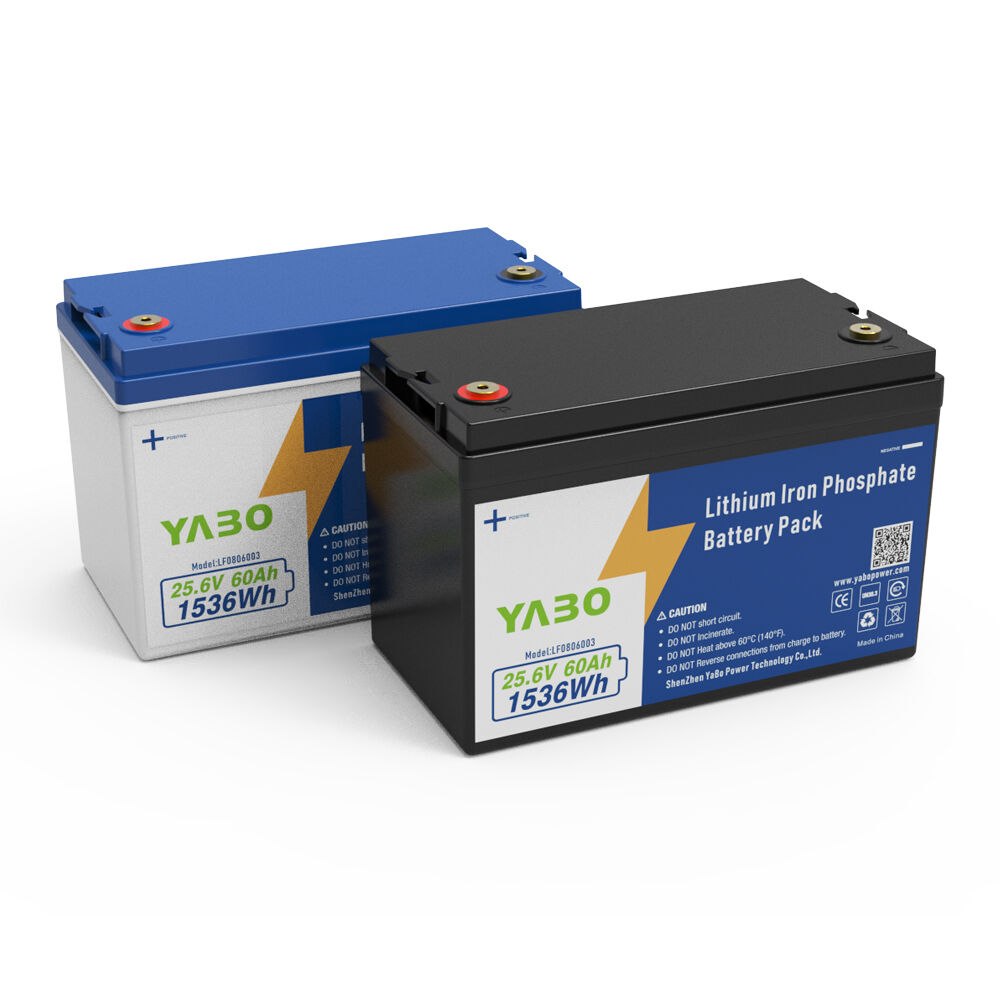
The growing demand for reliable off-grid power solutions has positioned the 24V LiFePO4 battery as a cornerstone technology for solar energy systems and recreational vehicle applications. This advanced lithium iron phosphate battery chemistry offers exceptional performance characteristics that make it ideally suited for demanding mobile and stationary power requirements. Understanding how these batteries perform in real-world applications helps consumers make informed decisions about their energy storage investments.
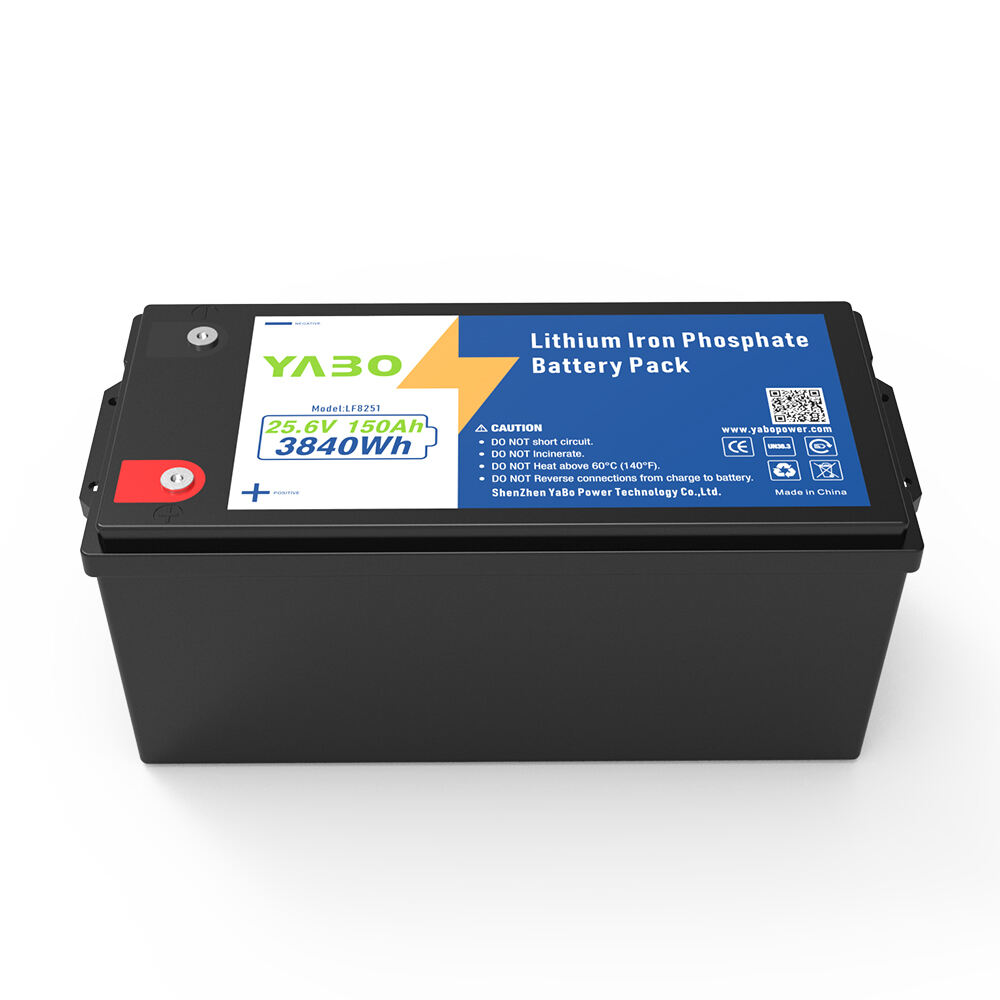
Technical Advantages of LiFePO4 Chemistry in 24V Configurations
Superior Energy Density and Weight Characteristics
The 24V LiFePO4 battery delivers exceptional energy density compared to traditional lead-acid alternatives, providing more usable power in a significantly lighter package. This weight reduction becomes particularly important in RV applications where every pound affects fuel efficiency and vehicle handling. The lithium iron phosphate chemistry achieves energy densities of approximately 130-160 Wh/kg, nearly triple that of comparable lead-acid batteries.
Weight savings translate directly into practical benefits for mobile applications. A typical 150Ah lead-acid battery bank weighs over 180 pounds, while an equivalent 24V LiFePO4 battery system weighs approximately 60 pounds. This dramatic reduction allows RV owners to carry additional supplies or equipment without exceeding weight limits, enhancing the overall travel experience.
Extended Cycle Life and Durability
One of the most compelling advantages of the 24V LiFePO4 battery lies in its exceptional cycle life, typically rated for 6000 or more charge-discharge cycles at 80% depth of discharge. This longevity far exceeds traditional battery technologies, with lead-acid batteries typically lasting only 300-500 cycles under similar conditions. The extended lifespan translates into lower total cost of ownership despite higher initial investment.
The robust cycle life stems from the inherent stability of lithium iron phosphate chemistry, which resists capacity degradation even under frequent deep cycling. This characteristic proves particularly valuable in solar applications where daily charge-discharge cycles are common, ensuring consistent performance over many years of operation.
Solar System Integration and Performance
Charging Efficiency and Solar Compatibility
Solar energy systems benefit tremendously from the high charging efficiency of 24V LiFePO4 battery technology. These batteries accept charge at rates up to 95% efficiency, minimizing energy losses during the charging process. The flat voltage curve characteristic of lithium iron phosphate chemistry allows solar charge controllers to operate more effectively, maximizing energy harvest from available sunlight.
The 24V configuration proves particularly well-suited for medium-scale solar installations, providing an optimal balance between system complexity and performance. Higher voltage operation reduces current flow requirements, minimizing resistive losses in wiring and improving overall system efficiency. This advantage becomes more pronounced in larger installations where cable runs may be extensive.
Temperature Performance in Solar Applications
Temperature stability represents another significant advantage of the 24V LiFePO4 battery in solar applications. Unlike lead-acid batteries that suffer significant capacity losses at low temperatures, lithium iron phosphate maintains consistent performance across a wide temperature range. Operating temperatures from -20°C to 60°C ensure reliable operation in diverse climatic conditions.
Heat tolerance proves equally important in solar installations where batteries may be exposed to elevated temperatures from solar panels or ambient conditions. The thermal stability of LiFePO4 chemistry prevents thermal runaway conditions while maintaining safe operation even under high-temperature stress, ensuring both performance and safety in demanding environments.
RV and Mobile Application Performance
Power Delivery and Load Handling
RV applications demand batteries capable of handling diverse electrical loads, from LED lighting and refrigeration to air conditioning and power tools. The 24V LiFePO4 battery excels in these applications through its ability to deliver consistent voltage under varying load conditions. The flat discharge curve ensures stable power delivery throughout the discharge cycle, preventing voltage sag that could affect sensitive electronics.
High discharge rates supported by lithium iron phosphate chemistry enable the simultaneous operation of multiple high-power appliances without voltage depression. A quality 24V LiFePO4 battery can typically support continuous discharge rates of 1C or higher, meaning a 150Ah battery can safely deliver 150 amperes continuously, far exceeding the capabilities of lead-acid alternatives.
Space Efficiency and Installation Flexibility
The compact form factor of 24V LiFePO4 battery systems provides significant installation advantages in space-constrained RV environments. The higher energy density allows for smaller battery compartments or enables the installation of larger capacity systems within existing spaces. This flexibility proves particularly valuable in retrofitting older RVs with modern battery technology.
Installation orientation flexibility represents another practical advantage, as lithium iron phosphate batteries can be mounted in any position without performance degradation or safety concerns. This versatility simplifies installation in challenging spaces where traditional flooded batteries would be impractical due to ventilation or orientation requirements.
Safety and Monitoring Considerations
Built-in Protection Systems
Modern 24V LiFePO4 battery systems incorporate sophisticated battery management systems that monitor individual cell voltages, temperatures, and current flow. These integrated protection circuits prevent overcharging, over-discharging, and thermal events that could compromise battery performance or safety. The BMS acts as an intelligent guardian, extending battery life while ensuring safe operation under all conditions.
Cell balancing functionality within the BMS ensures that individual cells within the 24V LiFePO4 battery pack maintain uniform voltage levels, preventing capacity degradation that could result from cell imbalance. This active management extends overall pack life while maintaining optimal performance throughout the service life of the battery system.
Maintenance Requirements and User Safety
The maintenance-free nature of 24V LiFePO4 battery technology eliminates many of the safety concerns associated with traditional battery systems. No acid spills, no hydrogen gas generation, and no regular maintenance tasks reduce both safety risks and operational complexity. This characteristic proves particularly valuable in RV applications where users may have limited technical expertise.
Fire safety represents a critical consideration in mobile and residential applications. The inherent thermal stability of lithium iron phosphate chemistry provides superior fire resistance compared to other lithium battery chemistries, with higher thermal runaway temperatures and reduced fire propagation risks ensuring enhanced user safety in confined spaces.
Economic Benefits and Long-term Value
Total Cost of Ownership Analysis
While the initial purchase price of a 24V LiFePO4 battery exceeds that of lead-acid alternatives, the total cost of ownership typically favors lithium technology over the battery's service life. The combination of extended cycle life, higher efficiency, and reduced maintenance costs results in lower per-cycle costs and enhanced economic value for users.
Energy efficiency advantages compound the economic benefits over time. The higher round-trip efficiency of 24V LiFePO4 battery systems means less solar capacity or generator runtime is required to maintain equivalent energy storage, reducing overall system costs and operational expenses. This efficiency advantage becomes more significant as energy costs increase over time.
Resale Value and System Upgrades
The premium reputation and proven performance of 24V LiFePO4 battery technology contribute to higher resale values for RVs and solar installations equipped with these systems. Prospective buyers increasingly recognize the value proposition of lithium battery systems, making properly equipped vehicles and installations more attractive in the marketplace.
Future expandability represents another economic consideration, as 24V LiFePO4 battery systems can typically be paralleled to increase capacity as power requirements grow. This scalability allows users to start with smaller systems and expand over time, spreading costs while ensuring compatibility with future additions to the energy storage system.
Environmental Impact and Sustainability
Reduced Environmental Footprint
The environmental advantages of 24V LiFePO4 battery technology extend beyond their use phase to encompass manufacturing and end-of-life considerations. Lithium iron phosphate chemistry contains no toxic heavy metals like lead or cadmium, reducing environmental contamination risks throughout the product lifecycle. The longer service life also means fewer batteries are manufactured and disposed of over time.
Recycling infrastructure for lithium-based batteries continues to expand, with many manufacturers implementing take-back programs for end-of-life battery systems. The valuable materials in 24V LiFePO4 battery packs can be recovered and reused in new battery production, creating a more circular economy for energy storage technology.
Carbon Footprint Reduction
The high efficiency and long service life of 24V LiFePO4 battery systems contribute to reduced carbon emissions over their operational lifetime. Higher charging efficiency means less energy is wasted during the storage and retrieval process, while extended cycle life reduces the embodied carbon associated with frequent battery replacement.
In solar applications, the enhanced performance characteristics of lithium iron phosphate technology enable more effective utilization of renewable energy, reducing dependence on fossil fuel-powered generators or grid electricity from non-renewable sources. This synergy between solar generation and advanced battery storage amplifies the environmental benefits of both technologies.
FAQ
How long does a 24V LiFePO4 battery last in typical RV use?
A quality 24V LiFePO4 battery typically lasts 10-15 years in RV applications with proper care and usage. The 6000+ cycle rating translates to daily use for over 15 years, assuming regular deep cycling. Factors affecting lifespan include temperature extremes, charge/discharge rates, and depth of discharge patterns. Many users report excellent performance well beyond the warranty period with proper system design and maintenance.
Can I replace lead-acid batteries directly with a 24V LiFePO4 battery system?
While physical replacement is often straightforward, optimal performance requires updating the charging system to accommodate lithium battery requirements. Most modern charge controllers and inverters support LiFePO4 charging profiles, but older equipment may need upgrading. The BMS in quality lithium batteries provides protection against improper charging, but using compatible charging equipment ensures maximum battery life and performance.
What capacity 24V LiFePO4 battery do I need for my solar system?
Battery capacity requirements depend on daily energy consumption, backup duration desired, and available solar charging capacity. A general rule suggests sizing battery capacity at 3-5 times daily energy usage in amp-hours, accounting for system losses and avoiding excessive depth of discharge. Professional system analysis considering load profiles, geographic location, and seasonal variations provides the most accurate sizing recommendations.
Are 24V LiFePO4 batteries safe for indoor installation?
Yes, 24V LiFePO4 batteries are considered among the safest battery technologies for indoor installation. The stable chemistry produces no toxic gases during normal operation, unlike lead-acid batteries that generate hydrogen. Built-in battery management systems provide multiple layers of protection against fault conditions. However, proper ventilation and installation following manufacturer guidelines remain important for optimal safety and performance.