
 EN
EN
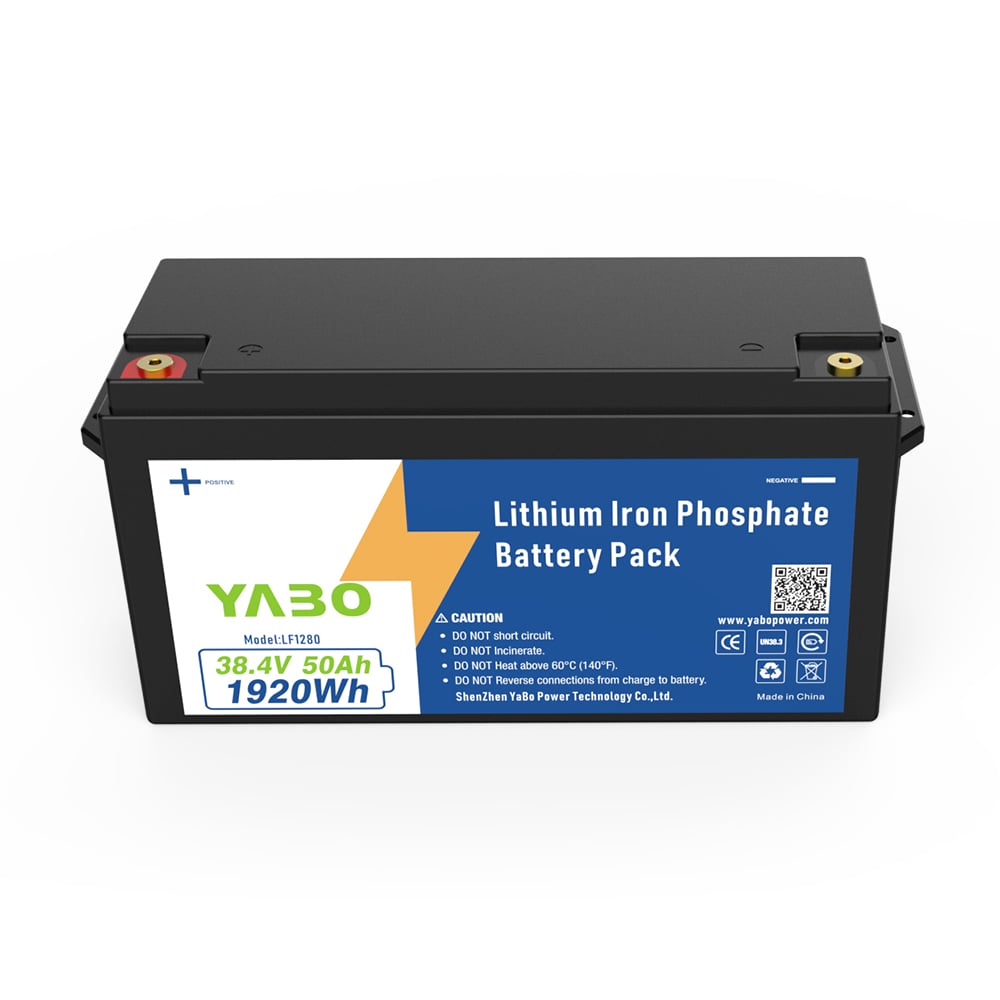
The adoption of lithium iron phosphate technology has revolutionized energy storage solutions across multiple industries. A 36V LiFePO4 battery represents a critical advancement in portable power systems, offering exceptional performance characteristics that make it ideal for demanding applications. These batteries combine superior energy density with enhanced safety features, creating reliable power solutions for electric mobility devices and industrial equipment. Understanding how these advanced battery systems perform in real-world conditions helps engineers and manufacturers make informed decisions about power integration strategies.
Technical Specifications and Performance Characteristics
Voltage Stability and Power Output
The 36V LiFePO4 battery maintains consistent voltage output throughout its discharge cycle, providing stable power delivery that enhances device performance. Unlike traditional lead-acid alternatives, this battery technology delivers a flat discharge curve that ensures equipment operates at optimal efficiency levels. The nominal voltage of 36 volts makes these batteries particularly suitable for mid-range power applications where higher voltages might be excessive or dangerous. Power output remains remarkably stable even under varying load conditions, making these batteries reliable for both continuous and intermittent power demands.
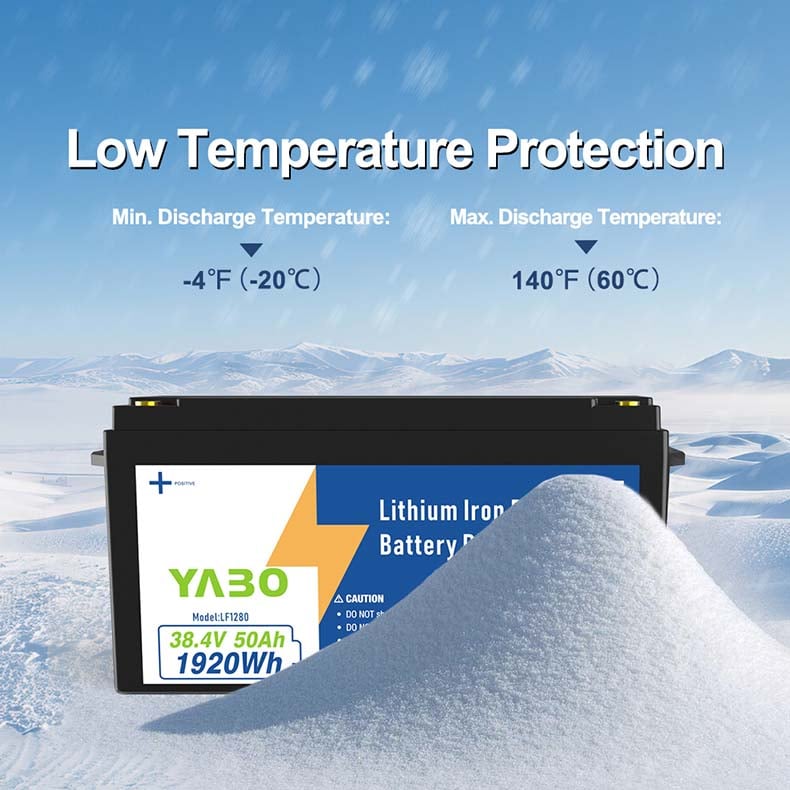
Temperature compensation features built into modern 36V LiFePO4 battery systems ensure consistent performance across wide operating temperature ranges. The inherent chemical stability of lithium iron phosphate allows these batteries to function effectively in environments ranging from -20°C to 60°C without significant capacity degradation. This temperature resilience makes them particularly valuable for outdoor applications and industrial settings where environmental conditions may vary substantially throughout operating cycles.
Capacity and Energy Density
Energy density characteristics of the 36V LiFePO4 battery significantly exceed conventional battery technologies, providing more stored energy per unit weight and volume. Typical capacity ratings range from 20Ah to 100Ah or higher, depending on specific application requirements and physical constraints. The high energy density translates directly into extended runtime for electric vehicles and longer operating periods for industrial tools without requiring frequent recharging intervals.
Capacity retention over multiple charge-discharge cycles represents another key advantage of 36V LiFePO4 battery technology. These batteries typically maintain over 80% of their original capacity after 2000-3000 complete charge cycles, far exceeding the lifespan of traditional battery chemistries. This exceptional cycle life reduces replacement costs and minimizes downtime associated with battery maintenance and replacement procedures.
E-Mobility Applications and Performance
Electric Bicycle Integration
Electric bicycles benefit significantly from 36V LiFePO4 battery integration due to the optimal balance between power output and weight considerations. The 36-volt configuration provides sufficient power for hill climbing and acceleration while maintaining reasonable battery weight that doesn't compromise bicycle handling characteristics. Range performance typically extends 40-80 kilometers on a single charge, depending on terrain, rider weight, and assistance level settings.
Fast charging capabilities allow 36V LiFePO4 battery systems to reach 80% capacity in approximately 2-3 hours using standard charging equipment. This rapid charging feature enhances the practicality of electric bicycles for commuting and recreational use, reducing downtime between rides. Battery management systems integrated into these units provide real-time monitoring of charge status, temperature, and cell balance to ensure optimal performance and safety.
Electric Scooter Performance
Electric scooters utilizing 36V LiFePO4 battery technology demonstrate superior acceleration and top speed performance compared to lower voltage alternatives. The higher voltage output enables efficient motor operation that translates into responsive throttle control and sustained power delivery during extended riding sessions. Weight distribution advantages of these compact battery packs contribute to improved scooter stability and maneuverability in urban environments.
Safety features inherent in 36V LiFePO4 battery design include thermal protection, overcharge prevention, and short-circuit protection that enhance rider safety during operation. These protection systems automatically disconnect power under fault conditions, preventing potential damage to both the battery and scooter electronics. The robust construction of LiFePO4 cells provides excellent resistance to vibration and shock loads commonly encountered during scooter operation on varied terrain surfaces.
Industrial Tool Applications
Power Tool Performance Enhancement
Professional power tools equipped with 36V LiFePO4 battery systems deliver consistent torque and speed throughout extended work sessions. The high current delivery capability of these batteries enables power tools to maintain peak performance even under heavy load conditions that would cause voltage sag in conventional battery systems. This consistent power delivery improves work quality and reduces the likelihood of incomplete or substandard results due to insufficient power availability.
Runtime advantages of 36V LiFePO4 battery technology become particularly apparent in demanding applications such as heavy-duty drilling, cutting, or fastening operations. The superior energy density allows these batteries to power high-consumption tools for extended periods without interruption. Quick-change battery systems enable seamless transitions between depleted and charged battery packs, maintaining productivity in professional work environments where downtime directly impacts profitability.
Portable Equipment Solutions
Portable industrial equipment benefits from the lightweight and compact design characteristics of 36V LiFePO4 battery systems. Inspection equipment, measuring devices, and portable lighting systems achieve extended operation times while maintaining portability advantages crucial for field work applications. The low self-discharge rate of LiFePO4 chemistry ensures these batteries maintain charge during storage periods between uses.
Environmental resistance features of 36V LiFePO4 battery construction enable reliable operation in challenging industrial environments. Sealed enclosures protect internal components from dust, moisture, and chemical exposure commonly encountered in manufacturing and construction settings. Vibration resistance ensures consistent electrical connections and prevents premature failure due to mechanical stress during transportation and operation.
Charging Systems and Infrastructure
Charging Technology Integration
Modern 36V LiFePO4 battery systems incorporate sophisticated charging algorithms that optimize charging speed while protecting battery longevity. Multi-stage charging processes begin with constant current charging at maximum safe rates, transitioning to constant voltage charging as the battery approaches full capacity. This charging methodology maximizes efficiency while preventing overcharging damage that could reduce battery lifespan or create safety hazards.
Smart charging features enable communication between 36V LiFePO4 battery packs and charging equipment to optimize charging parameters based on battery condition, temperature, and age. These intelligent systems adjust charging current and voltage dynamically to maintain optimal charging conditions throughout the charging cycle. Temperature monitoring prevents charging at extreme temperatures that could damage battery cells or reduce charging efficiency.
Infrastructure Requirements
Charging infrastructure for 36V LiFePO4 battery systems requires careful consideration of electrical supply capacity and safety requirements. Standard AC input voltage compatibility allows these charging systems to operate from conventional electrical outlets, simplifying installation and reducing infrastructure costs. Power requirements typically range from 200W to 800W depending on battery capacity and desired charging speed.
Safety certifications and compliance standards ensure 36V LiFePO4 battery charging equipment meets appropriate electrical and fire safety requirements. Proper ventilation considerations prevent heat buildup during charging operations, particularly important for high-capacity battery systems that generate significant heat during rapid charging cycles. Ground fault protection and overcurrent protection features provide additional safety margins during charging operations.
Safety and Environmental Considerations
Operational Safety Features
The inherent safety characteristics of 36V LiFePO4 battery chemistry provide significant advantages over other lithium battery technologies. The stable crystal structure of lithium iron phosphate prevents thermal runaway reactions that can occur in other lithium chemistries under abuse conditions. This chemical stability reduces fire and explosion risks, making these batteries safer for use in enclosed spaces and near sensitive equipment.
Built-in protection circuits monitor cell voltage, current, and temperature to prevent operation outside safe parameters. These protection systems automatically disconnect the battery from loads or charging equipment when fault conditions are detected, preventing damage to both the battery and connected equipment. Visual and audible warning indicators alert users to potential problems before they become safety hazards.
Environmental Impact and Sustainability
Environmental benefits of 36V LiFePO4 battery technology include the absence of heavy metals such as lead, cadmium, or mercury that are present in traditional battery chemistries. The recyclable materials used in LiFePO4 construction reduce environmental impact at end-of-life, supporting sustainable energy storage practices. Extended battery lifespan reduces the frequency of battery replacement, further minimizing environmental impact associated with battery manufacturing and disposal.
Energy efficiency advantages of 36V LiFePO4 battery systems contribute to overall environmental sustainability by reducing energy consumption during charging and operation. High round-trip efficiency exceeding 95% means less electrical energy is wasted during charge and discharge cycles compared to conventional battery technologies. This efficiency improvement translates into reduced carbon footprint for battery-powered devices and systems.
FAQ
What is the typical lifespan of a 36V LiFePO4 battery?
A quality 36V LiFePO4 battery typically provides 2000-3000 complete charge-discharge cycles while maintaining over 80% of original capacity. Under normal usage conditions, this translates to 5-8 years of reliable service life depending on charging patterns, operating temperature, and depth of discharge. Proper maintenance and avoiding extreme operating conditions can extend lifespan beyond these typical ranges.
How long does it take to charge a 36V LiFePO4 battery?
Charging time for a 36V LiFePO4 battery depends on capacity and charger output current. A 50Ah battery using a 10A charger typically requires 5-6 hours for complete charging from empty. Fast chargers with higher output current can reduce charging time to 2-3 hours, though slower charging rates generally provide better battery longevity. Most batteries reach 80% capacity within the first 2-3 hours of charging regardless of charger specifications.
Can 36V LiFePO4 batteries operate in extreme temperatures?
The 36V LiFePO4 battery can operate effectively in temperatures ranging from -20°C to 60°C, though performance characteristics vary with temperature. Cold temperatures reduce available capacity temporarily, while high temperatures may trigger thermal protection systems. Optimal performance occurs within 15°C to 35°C temperature ranges. Heating elements or thermal insulation may be required for consistent performance in extreme cold conditions.
What safety precautions should be taken when using 36V LiFePO4 batteries?
Safety precautions for 36V LiFePO4 battery use include avoiding physical damage to battery cases, using only compatible charging equipment, and ensuring proper ventilation during charging. Never attempt to disassemble battery packs or override built-in protection systems. Store batteries in dry locations away from heat sources and flammable materials. Regular inspection for signs of damage, swelling, or corrosion helps identify potential problems before they become safety hazards.