
 EN
EN
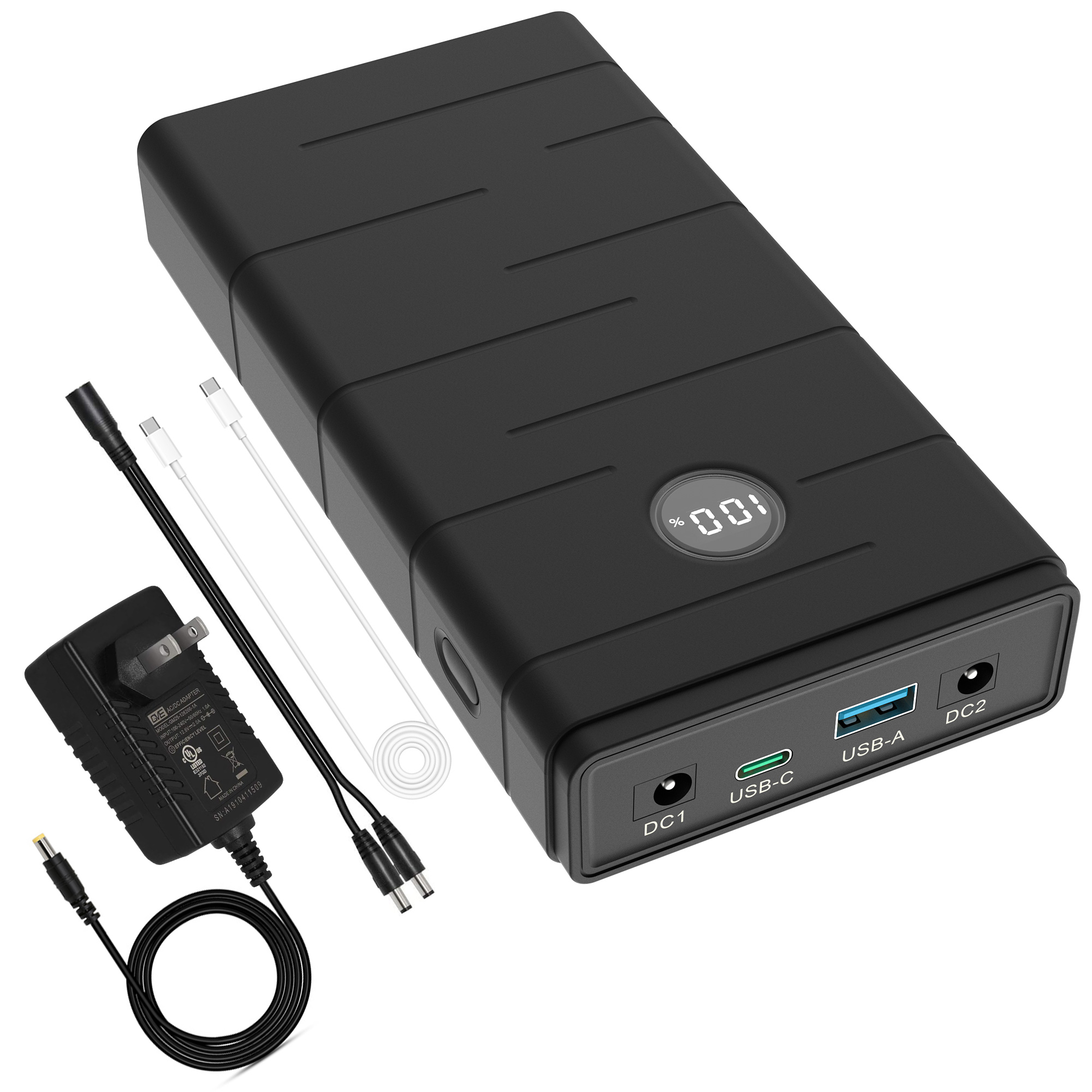
The selection of individual cells is one of the most critical factors determining overall lithium ion battery pack performance. Every cell within a battery pack contributes to the entire system's reliability, efficiency, and longevity. When engineers and procurement teams design battery packs for industrial applications, they must recognize that the quality, chemistry, and characteristics of each cell directly influence how the entire lithium ion battery pack performance will respond under load, temperature variations, and extended cycling. Poor cell selection leads to premature failures, reduced output capacity, and increased maintenance costs that can severely impact project economics.
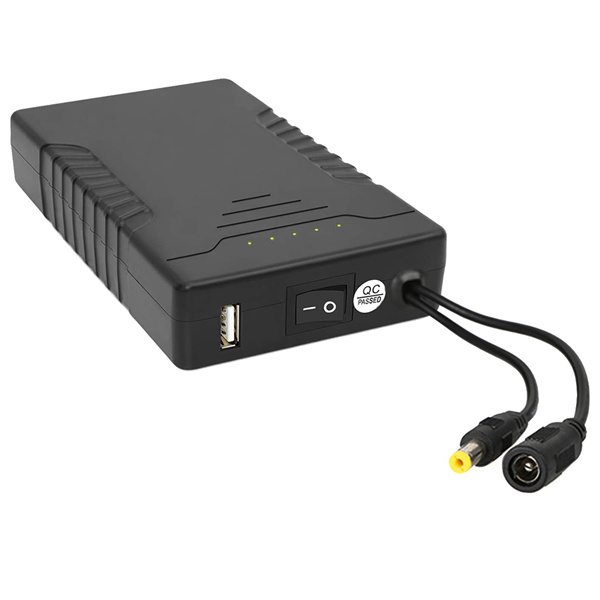
Understanding the relationship between cell selection and lithium ion battery pack performance requires insight into how battery packs operate as interconnected systems. When cells are connected in series and parallel configurations, the weakest cell constrains the entire pack. This reality means that selecting homogeneous, high-quality cells with consistent voltage curves, internal resistance, and cycle ratings becomes essential for maximizing lithium ion battery pack performance across the pack's lifetime.
How Cell Quality Affects Overall Pack Performance
Cell Consistency and Voltage Matching
Cell consistency is foundational to achieving optimal lithium ion battery pack performance. When cells have uniform voltage ratings, internal resistance, and capacity specifications, the pack distributes current more evenly during charge and discharge cycles. Inconsistent cells cause voltage imbalances, where higher-capacity or lower-resistance cells carry disproportionate current loads while lower-performing cells contribute less. This imbalance degrades lithium ion battery pack performance because the pack's output is limited by the weakest cell, and excess stress accelerates degradation in high-performing cells that must compensate.
Manufacturers that prioritize cell selection invest in rigorous pre-screening procedures to match cells within narrow tolerance ranges. This approach directly strengthens lithium ion battery pack performance by ensuring that series-connected cells maintain consistent voltage throughout discharge, reducing the need for active balancing and extending overall pack lifespan. Parallel strings benefit similarly, as matched cells share current loads equitably, preventing hotspots where individual cells overheat and degrade prematurely.
Internal Resistance and Power Delivery
Internal resistance within individual cells significantly influences lithium ion battery pack performance during high-current applications. Cells with lower, more uniform internal resistance enable faster power delivery, reduced voltage sag under load, and improved efficiency. When cells with varying resistance values are combined into a pack, the higher-resistance cells create bottlenecks that limit overall power output and increase heat generation. This thermal stress further degrades lithium ion battery pack performance and can trigger thermal runaway conditions if cell selection is poor.
Industrial applications such as golf carts, forklifts, and renewable energy storage systems demand consistent power delivery. Selecting cells with tightly controlled internal resistance ensures that lithium ion battery pack performance remains stable across temperature ranges and load scenarios. Engineers must verify that supplier specifications for internal resistance are accurate and measured under relevant discharge conditions, as this data directly predicts how the final pack will perform in real-world deployments.
Capacity Matching and Cycle Life Impact
Nominal Capacity and Real-World Usable Capacity
Cell selection fundamentally determines the nominal and usable capacity of the complete lithium ion battery pack performance. When all cells are selected to have identical capacity specifications, the pack delivers the full advertised capacity reliably. Conversely, when cells vary in capacity, the pack's usable capacity drops to match the weakest cell. This phenomenon means that cost-saving measures like mixing cells from different batches or suppliers directly harm lithium ion battery pack performance and reduce the value proposition of the investment.
Real-world usable capacity also depends on depth of discharge settings and thermal management, both influenced by cell selection. Cells with superior thermal stability and lower self-discharge rates improve overall lithium ion battery pack performance by allowing operators to extract more energy safely and retain charge longer during idle periods. Battery pack designers must therefore prioritize cells with documented capacity retention and minimal self-discharge to guarantee that lithium ion battery pack performance meets customer expectations throughout the warranty period.
Cycle Life and Long-Term Reliability
The cycle life of a battery pack is ultimately constrained by the cell with the shortest lifespan. Selecting cells specifically rated for the expected cycling profile and environmental conditions is crucial for achieving target lithium ion battery pack performance over the intended service life. Cells exposed to manufacturing defects, improper storage, or thermal abuse have already experienced degradation before being installed into packs, which compromises lithium ion battery pack performance from the outset.
Reputable cell manufacturers provide detailed cycle-life testing data at various depth-of-discharge levels and temperatures. Pack designers who carefully analyze this data and select cells aligned with their specific application requirements ensure robust lithium ion battery pack performance. Cells that have been stored in controlled conditions, tested for defects, and certified by independent quality auditors deliver superior long-term lithium ion battery pack performance compared to untested or salvaged cells offered at lower cost.
Temperature Response and Thermal Management
Cell Chemistry Selection for Operating Environment
The chemistry and thermal characteristics of selected cells directly control how lithium ion battery pack performance responds to environmental temperature swings. Lithium iron phosphate cells exhibit different thermal stability profiles than nickel-cobalt-aluminum chemistries, each suited to different applications. Cell selection must align with the operating temperature range anticipated for the deployment. Cells selected without considering thermal environment will exhibit poor lithium ion battery pack performance in extreme conditions, including reduced capacity at low temperatures and accelerated aging at high temperatures.
Industrial applications across diverse climates require thoughtful cell selection to maintain consistent lithium ion battery pack performance. Cells with superior low-temperature performance enable equipment to operate reliably in cold climates without capacity loss. Similarly, cells with excellent thermal stability and lower thermal coefficients preserve lithium ion battery pack performance in hot environments. Manufacturers that document thermal performance across a wide range demonstrate commitment to consistent lithium ion battery pack performance across customer deployments.
Thermal Uniformity Within Battery Packs
When cells are selected with uniform thermal characteristics and similar internal resistance, heat generation becomes more predictable and evenly distributed throughout the pack. This uniformity strengthens lithium ion battery pack performance by preventing thermal hotspots where individual cells overheat and degrade rapidly. Thermal imaging studies reveal that packs built from heterogeneous cells develop temperature gradients that accelerate failure in the hottest cells, ultimately limiting overall lithium ion battery pack performance.
Active thermal management systems can mitigate some issues caused by poor cell selection, but they add cost and complexity. Proactive cell selection that yields naturally uniform thermal behavior is the most effective strategy for achieving reliable lithium ion battery pack performance. Battery management systems can then focus on optimization rather than compensating for fundamental cell mismatches.
FAQ
Why does matching cells improve lithium ion battery pack performance?
Matched cells distribute voltage and current loads evenly, preventing the weakest cell from constraining overall lithium ion battery pack performance. When cells are uniform in capacity, internal resistance, and voltage characteristics, the pack delivers predictable output, maintains thermal stability, and achieves its designed cycle life. Without matching, stronger cells compensate for weaker ones, generating excess heat and accelerating degradation that cuts lithium ion battery pack performance short.
How does cell internal resistance affect lithium ion battery pack performance?
High or inconsistent internal resistance within cells creates voltage drops that reduce available power output and efficiency. Cells with low, uniform internal resistance enable the pack to deliver rated power under load while minimizing heat generation and voltage sag. This characteristic directly enhances lithium ion battery pack performance in applications requiring sustained high current, such as material handling equipment or peak power delivery in renewable storage systems.
Can I mix cells from different manufacturers in a battery pack?
Mixing cells from different manufacturers or batches is not recommended because variations in specifications, manufacturing tolerances, and quality control compromise lithium ion battery pack performance. Even if datasheets appear similar, actual performance characteristics vary. Professional battery pack designs specify cells from consistent sources with verified test data to guarantee that lithium ion battery pack performance meets reliability and efficiency targets. Using a lithium ion battery pack performance solution from a single reputable manufacturer ensures consistent quality and long-term dependability.