
 EN
EN
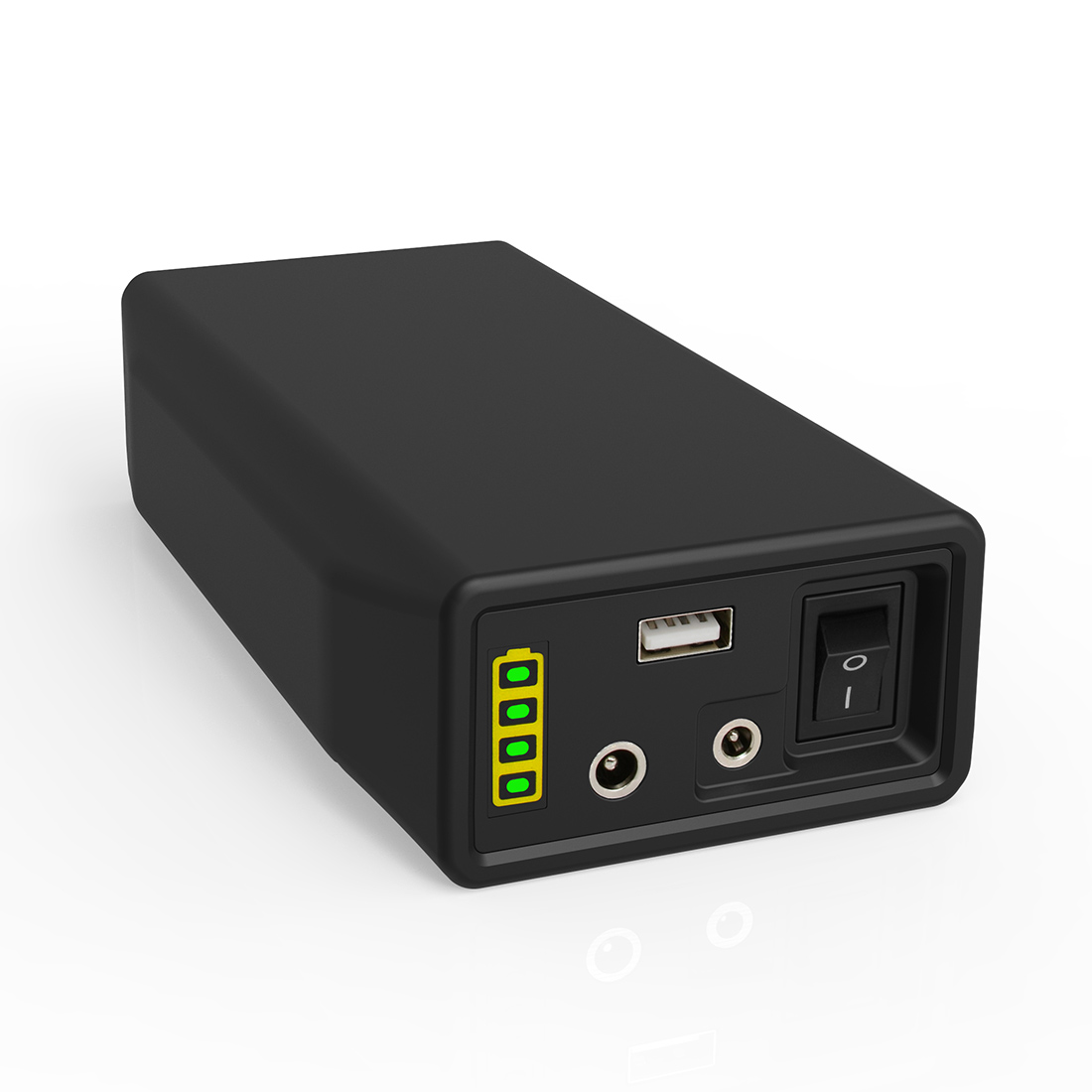
Lithium ion battery pack testing is a critical process that determines whether energy storage systems will perform safely and reliably in real-world applications. Manufacturers, engineers, and quality assurance teams rely on rigorous testing protocols to identify weaknesses, validate performance claims, and ensure compliance with safety standards before batteries reach end users. Without comprehensive lithium ion battery pack testing, organizations risk equipment failure, safety incidents, and costly recalls that damage reputation and finances.
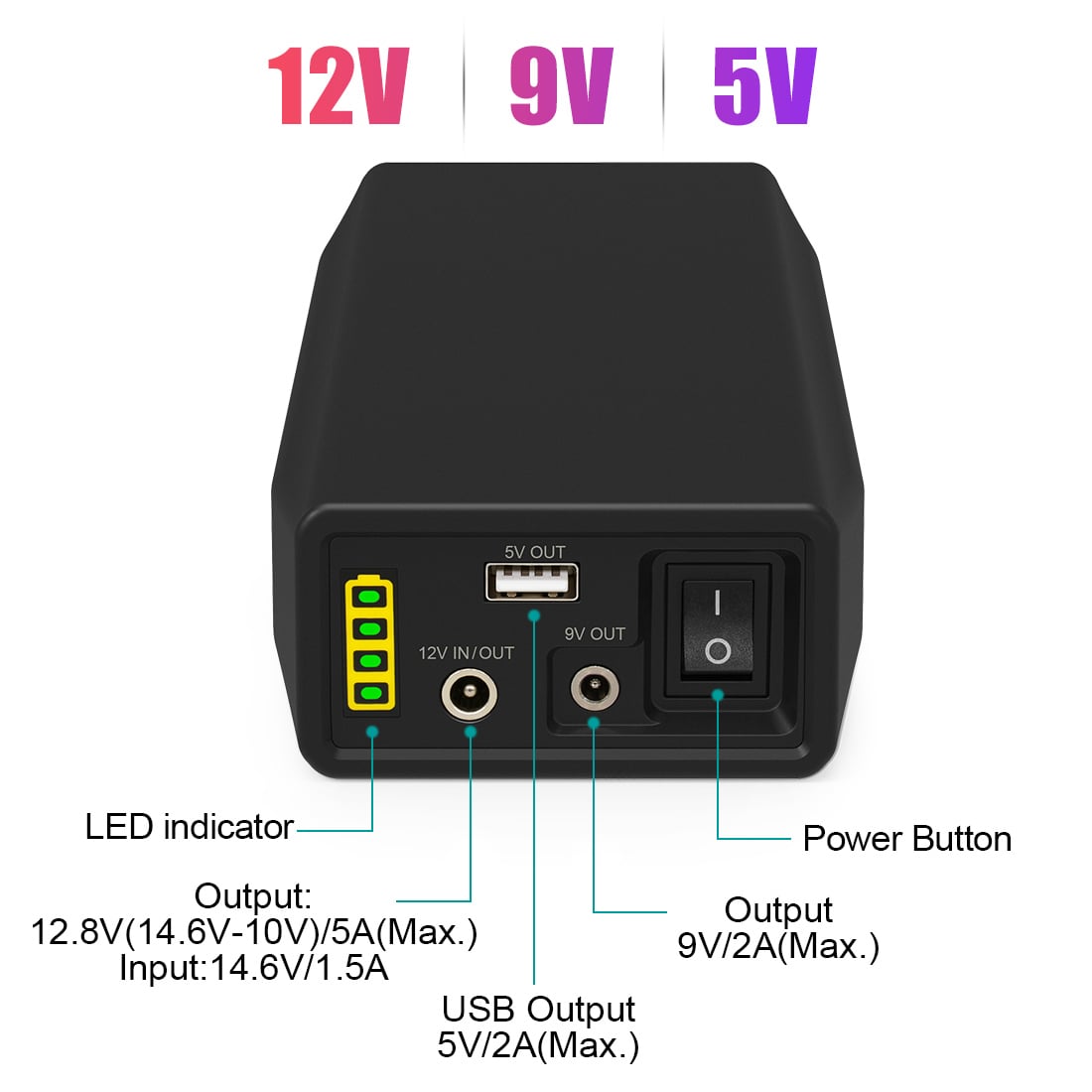
The reliability of lithium ion battery pack testing methods directly impacts product longevity and user trust. Testing encompasses multiple dimensions including voltage stability, thermal behavior, cycle life, safety response, and environmental resilience. Each test category answers specific questions about how the battery will behave under normal operation, stress conditions, and fault scenarios. Organizations investing in thorough lithium ion battery pack testing gain competitive advantage through superior product reliability and faster market approval.
Electrical Performance Testing for Lithium Ion Battery Pack Systems
Voltage and Capacity Verification
Electrical testing forms the foundation of lithium ion battery pack testing because voltage and capacity directly determine usable energy and performance. Initial testing measures open-circuit voltage to confirm that individual cells and series connections match design specifications. Capacity testing involves controlled discharge cycles where engineers measure how much energy the lithium ion battery pack testing reveals about real-world output compared to manufacturer ratings. Capacity fade testing runs multiple charge and discharge cycles to identify how quickly the lithium ion battery pack testing shows degradation, typically targeting 500 to 2,000 cycles depending on application requirements.
Internal Resistance and Impedance Analysis
Internal resistance significantly affects power delivery and heat generation during operation. Lithium ion battery pack testing measures impedance through electrochemical impedance spectroscopy and DC resistance measurements, which reveal connection quality and electrolyte conductivity. High internal resistance detected during lithium ion battery pack testing indicates potential issues with tab welding, terminal contacts, or cell-level defects that would degrade performance. Temperature-dependent impedance testing shows how the lithium ion battery pack testing data changes across operating ranges, ensuring safe operation in both hot and cold environments where resistance increases and voltage delivery becomes compromised.
Thermal and Environmental Reliability Testing
Temperature Cycling and Thermal Stress Assessment
Thermal management is essential to lithium ion battery pack testing because temperature extremes accelerate degradation and create safety risks. Thermal cycling tests expose the lithium ion battery pack testing subject to repeated heating and cooling cycles, typically from negative 20 degrees Celsius to positive 60 degrees Celsius, then back, to simulate seasonal and operational variations. Thermal shock testing subjects the lithium ion battery pack testing sample to rapid temperature changes to identify mechanical failures in case seals, internal connections, and thermal interfaces. Accelerated aging tests run the lithium ion battery pack testing at elevated temperatures to predict long-term performance trends, with data showing that every 10-degree increase can double degradation rates.
Humidity, Vibration, and Environmental Stress
Real-world deployment exposes lithium ion battery pack testing subjects to moisture, mechanical shock, and vibration that lab conditions must replicate. Humidity testing places the lithium ion battery pack testing sample in controlled high-moisture environments to assess seal integrity and corrosion resistance of external components. Vibration testing simulates transportation and operational stresses using shakers that generate frequencies and amplitudes matching expected field conditions. Environmental stress testing combined with electrical monitoring shows whether the lithium ion battery pack testing reveals any performance degradation or physical damage to internal components after exposure to these challenging conditions.
Safety, Cycle Life, and Fault Response Testing
Cycle Life Validation and Degradation Modeling
Cycle life testing is central to lithium ion battery pack testing because it predicts useful lifespan and total cost of ownership. Full-cycle testing charges the lithium ion battery pack testing to maximum voltage, discharges to minimum voltage, and repeats this sequence thousands of times while monitoring capacity fade and resistance growth. Partial-cycle testing focuses on realistic usage patterns where the lithium ion battery pack testing never fully charges or discharges, often providing better lifetime estimates for many applications. Calendar aging studies on the lithium ion battery pack testing measure how performance declines even when idle, showing that shelf-life degradation occurs alongside cycle-related wear, typically at 2 to 5 percent per year depending on storage temperature.
Overcharge, Over-discharge, and Safety Response
Fault tolerance testing confirms that lithium ion battery pack testing systems respond correctly to abnormal electrical events. Overcharge testing applies voltage beyond the normal maximum to see whether internal protection mechanisms activate safely, and the lithium ion battery pack testing should disconnect before dangerous pressure or thermal runaway occurs. Over-discharge testing reverses this scenario by pulling current beyond the design minimum, testing whether the lithium ion battery pack testing management system protects cells from deep depletion damage. Short-circuit testing deliberately creates electrical faults to verify that the lithium ion battery pack testing includes appropriate current limiting and thermal shutdown features before internal temperatures reach dangerous levels that could cause venting or fire.
FAQ
What regulatory standards apply to lithium ion battery pack testing?
Lithium ion battery pack testing must comply with standards including IEC 62619 for secondary cells, UL 2054 for battery systems, and UN 38.3 for transportation. These standards specify test procedures, pass criteria, and documentation requirements that manufacturers must follow before selling batteries commercially. Regional regulations add requirements such as CE marking for European markets or compliance with local environmental disposal rules. Organizations should verify which standards apply to their specific application, geography, and industry sector because lithium ion battery pack testing requirements differ for consumer electronics versus industrial or vehicle applications.
How many test cycles are typical for lithium ion battery pack testing?
The number of test cycles for lithium ion battery pack testing ranges from 500 cycles for consumer applications to 5,000 or more for industrial and vehicle systems where reliability directly impacts safety. Accelerated testing may compress these into shorter timeframes by using elevated temperatures or faster charge rates, reducing lithium ion battery pack testing duration from months to weeks. The specific cycle count for your lithium ion battery pack testing should match expected field life and usage patterns, calculated by dividing the target operational hours by average cycling frequency. Suppliers should provide documentation of their lithium ion battery pack testing protocols and cycle counts as evidence of reliability validation.
Can lithium ion battery pack testing predict real-world performance accurately?
Laboratory lithium ion battery pack testing predicts real-world performance reasonably well when test conditions match actual usage patterns regarding temperature, cycling depth, and charge rates. However, field conditions often include variables that lithium ion battery pack testing cannot fully replicate, such as vibration transients, corrosive atmospheres, or irregular usage. The most accurate reliability predictions combine statistical lithium ion battery pack testing data with field failure reporting systems that reveal unexpected failure modes. Manufacturers should use lithium ion battery pack testing results as a strong indicator of baseline reliability while remaining prepared to update models as fielded products accumulate operating hours and real-world data becomes available.