
 EN
EN
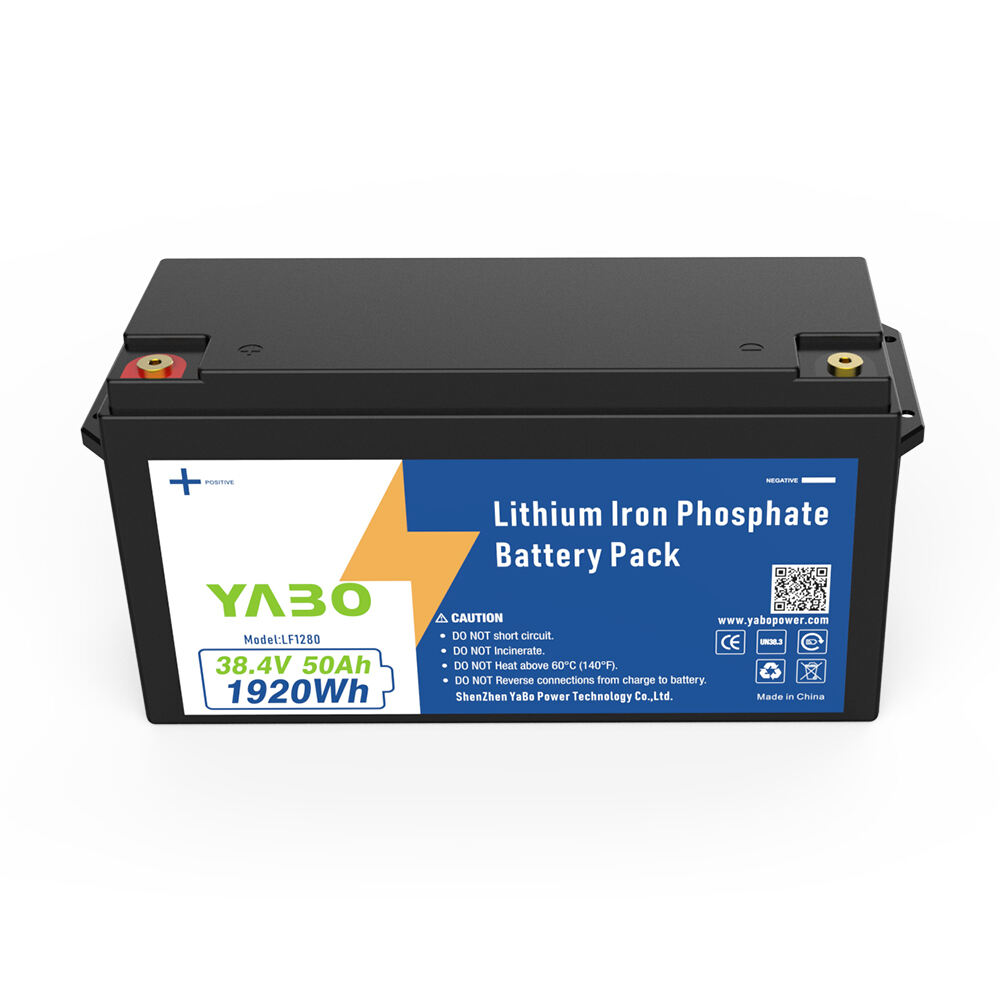
The shift toward lithium iron phosphate technology has transformed the industrial battery landscape, with custom 36V LiFePO4 battery solutions emerging as a strategic advantage for businesses seeking reliable, long-lasting power systems. Unlike conventional lead-acid alternatives, these advanced battery configurations deliver superior performance characteristics specifically engineered to meet demanding B2B applications across electric vehicles, industrial equipment, and renewable energy storage systems.
When businesses evaluate power storage solutions, the advantages of custom 36V LiFePO4 battery systems extend far beyond basic energy capacity. These specialized configurations offer measurable benefits in operational efficiency, total cost of ownership, and system integration capabilities that directly impact bottom-line performance. Understanding these advantages helps B2B decision-makers make informed investments that align with long-term operational goals and sustainability initiatives.
Enhanced Operational Efficiency Through Superior Power Characteristics
Consistent Voltage Delivery Throughout Discharge Cycle
A custom 36V LiFePO4 battery maintains stable voltage output throughout its discharge cycle, delivering consistent performance that enhances equipment reliability. Traditional battery technologies experience significant voltage drops as they discharge, causing equipment to operate inefficiently or shut down prematurely. This voltage stability ensures that industrial machinery, electric vehicles, and control systems receive consistent power, maximizing operational uptime and reducing performance variability.
The flat discharge curve characteristic of lithium iron phosphate chemistry means that a 36V LiFePO4 battery delivers approximately 95% of its rated capacity at usable voltage levels. This contrasts sharply with lead-acid batteries, which typically provide only 50-60% of their rated capacity at practical voltage thresholds. For B2B clients, this translates to extended equipment runtime and more predictable operational scheduling.
Rapid Charging Capabilities for Reduced Downtime
Custom 36V LiFePO4 battery systems accept high charging currents, enabling rapid recharge cycles that minimize equipment downtime. These batteries can typically charge to 80% capacity within one hour and reach full capacity in approximately two hours, depending on the charging system configuration. This rapid charging capability allows businesses to maximize asset utilization by reducing the time equipment spends offline for battery replenishment.
The ability to accept partial charging without memory effect further enhances operational flexibility. A 36V LiFePO4 battery can be recharged during brief operational pauses without requiring complete discharge cycles, enabling opportunity charging strategies that keep equipment operational throughout extended work shifts. This charging flexibility proves particularly valuable in applications where continuous operation is critical to maintaining productivity levels.
Long-Term Cost Advantages and Return on Investment
Extended Cycle Life Reduces Replacement Frequency
The exceptional cycle life of a custom 36V LiFePO4 battery delivers substantial long-term cost savings through reduced replacement frequency. These batteries typically provide 3,000 to 5,000 deep discharge cycles, compared to 500-800 cycles from conventional lead-acid alternatives. This extended operational lifespan means that businesses can operate the same battery system for 5-10 years under normal usage conditions, significantly reducing the total cost of ownership over the equipment's lifetime.
When calculating return on investment, the extended cycle life of a 36V LiFePO4 battery often compensates for higher initial purchase costs within 18-24 months of operation. The reduced frequency of battery replacements eliminates recurring procurement costs, installation labor, and the operational disruptions associated with battery changeouts. Additionally, the consistent performance throughout the battery's lifespan maintains equipment efficiency without the gradual degradation typical of aging lead-acid systems.
Reduced Maintenance Requirements and Labor Costs
Custom 36V LiFePO4 battery systems operate maintenance-free, eliminating the ongoing service requirements that add operational costs to traditional battery technologies. Unlike lead-acid batteries that require regular electrolyte level monitoring, terminal cleaning, and equalization charging, lithium iron phosphate batteries function reliably without routine maintenance interventions. This maintenance-free operation reduces both direct service costs and the labor time required for battery system management.
The elimination of maintenance requirements also reduces the risk of premature failure due to inadequate service. A properly configured 36V LiFePO4 battery operates reliably throughout its design life without the performance degradation associated with missed maintenance cycles or improper servicing procedures. This reliability factor provides additional cost protection by maintaining consistent operational performance and avoiding unexpected replacement costs.
Safety and Environmental Compliance Benefits
Enhanced Safety Characteristics for Industrial Applications
The inherent safety characteristics of lithium iron phosphate chemistry make custom 36V LiFePO4 battery systems particularly suitable for industrial B2B applications where safety compliance is paramount. Unlike other lithium battery chemistries, LiFePO4 technology exhibits exceptional thermal stability and does not experience thermal runaway under normal operating conditions. This safety profile reduces fire and explosion risks, making these batteries appropriate for use in warehouses, manufacturing facilities, and other industrial environments.
The stable chemistry of a 36V LiFePO4 battery also eliminates the emission of toxic gases during normal operation or even under abuse conditions. This characteristic is particularly important for indoor applications where air quality and worker safety are critical considerations. The sealed construction of these battery systems prevents electrolyte spillage and eliminates the corrosive gas emissions associated with lead-acid batteries, creating a safer working environment for personnel.
Environmental Sustainability and Regulatory Compliance
Custom 36V LiFePO4 battery solutions support corporate sustainability initiatives through their environmentally responsible composition and recyclable materials. These batteries contain no heavy metals such as lead, cadmium, or mercury, making them compliant with environmental regulations and easier to dispose of responsibly at end-of-life. The materials used in lithium iron phosphate batteries are largely recyclable, supporting circular economy principles and reducing environmental impact.
The energy efficiency of a 36V LiFePO4 battery also contributes to reduced environmental impact through lower energy consumption during charging cycles. The high charge and discharge efficiency of these systems minimizes energy waste, reducing the overall carbon footprint of battery-powered operations. For B2B clients with sustainability goals or environmental reporting requirements, the adoption of lithium iron phosphate technology demonstrates measurable progress toward environmental responsibility.
Customization and Integration Advantages
Tailored Specifications for Specific Applications
The flexibility to customize 36V LiFePO4 battery specifications enables B2B clients to optimize power systems for their specific operational requirements. Custom configurations can be designed to meet exact voltage, capacity, and physical dimensional requirements, ensuring seamless integration with existing equipment or new system designs. This customization capability eliminates the compromises often required when using standard battery configurations that may not perfectly match application requirements.
Advanced battery management system integration allows custom 36V LiFePO4 battery solutions to provide sophisticated monitoring and control capabilities. These systems can include remote monitoring, predictive maintenance alerts, and integration with existing facility management systems. The ability to customize communication protocols and monitoring parameters ensures that the battery system provides actionable operational data that supports informed maintenance and operational decisions.
Scalable Design for Future Expansion
Custom 36V LiFePO4 battery systems can be designed with modularity that supports future capacity expansion or reconfiguration as business needs evolve. The inherent scalability of lithium iron phosphate technology allows for the addition of battery modules to increase capacity or the reconfiguration of existing modules to meet changing voltage requirements. This flexibility protects the initial investment by enabling system adaptation rather than complete replacement as operational demands change.
The consistent performance characteristics of a 36V LiFePO4 battery ensure that new modules integrate seamlessly with existing battery banks without performance mismatches or accelerated degradation. This compatibility simplifies expansion projects and reduces the complexity of managing mixed battery technologies within the same facility. The ability to standardize on lithium iron phosphate technology across multiple applications creates operational efficiencies and simplifies maintenance procedures.
FAQ
How does the lifespan of a custom 36V LiFePO4 battery compare to traditional lead-acid alternatives?
A custom 36V LiFePO4 battery typically provides 3,000 to 5,000 deep discharge cycles, which is 4-6 times longer than lead-acid batteries that usually deliver 500-800 cycles. This extended lifespan means the lithium iron phosphate system can operate effectively for 5-10 years under normal usage conditions, compared to 1-2 years for lead-acid alternatives, resulting in significantly lower total cost of ownership despite higher initial investment costs.
What charging infrastructure requirements are needed for 36V LiFePO4 battery systems?
A 36V LiFePO4 battery requires a compatible lithium battery charger designed for LiFePO4 chemistry, typically providing constant current/constant voltage charging profiles. Most systems can utilize standard AC power infrastructure and do not require specialized electrical installations beyond appropriate charging equipment. The rapid charging capability allows most systems to reach 80% capacity within one hour using properly sized charging equipment.
Can custom 36V LiFePO4 battery systems operate effectively in extreme temperature conditions?
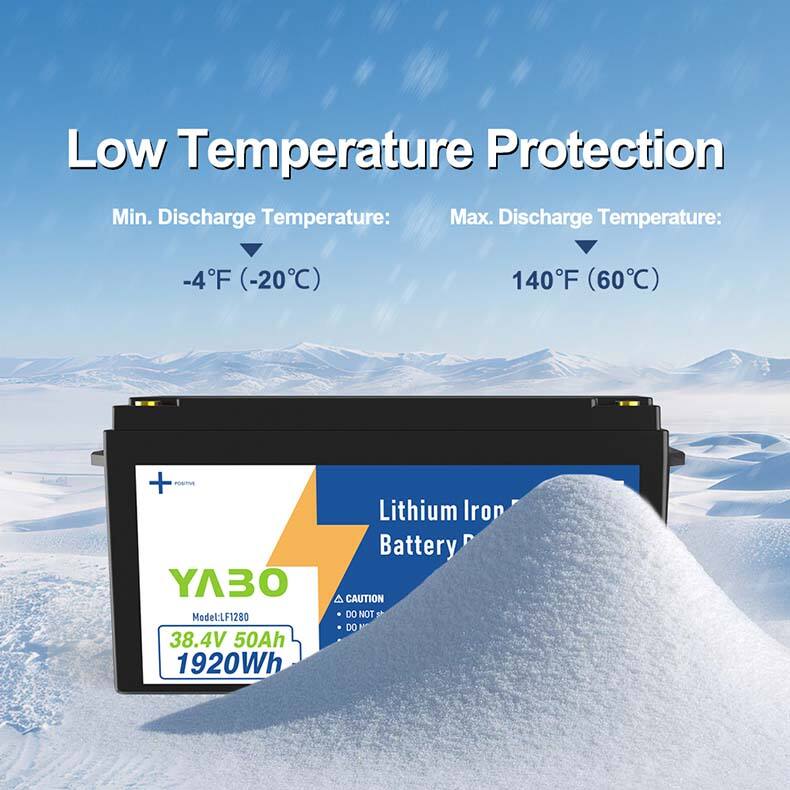
Custom 36V LiFePO4 battery systems typically operate effectively in temperatures ranging from -20°C to +60°C (-4°F to +140°F), with optimal performance occurring between 15°C and 35°C. For extreme temperature applications, custom battery configurations can include thermal management systems such as heating elements or cooling systems to maintain optimal operating temperatures and ensure consistent performance throughout varying environmental conditions.
What safety certifications and standards apply to industrial 36V LiFePO4 battery applications?
Industrial 36V LiFePO4 battery systems typically comply with UN38.3 transportation standards, IEC 62133 safety requirements, and UL 2054 safety standards for battery systems. Custom configurations can be designed to meet specific industry standards such as IP65 ingress protection ratings for harsh environments, CE marking for European markets, or FCC compliance for systems with integrated communication capabilities, ensuring regulatory compliance across diverse industrial applications.
Table of Contents
- Enhanced Operational Efficiency Through Superior Power Characteristics
- Long-Term Cost Advantages and Return on Investment
- Safety and Environmental Compliance Benefits
- Customization and Integration Advantages
-
FAQ
- How does the lifespan of a custom 36V LiFePO4 battery compare to traditional lead-acid alternatives?
- What charging infrastructure requirements are needed for 36V LiFePO4 battery systems?
- Can custom 36V LiFePO4 battery systems operate effectively in extreme temperature conditions?
- What safety certifications and standards apply to industrial 36V LiFePO4 battery applications?